
Introduction
Nepal is world-renowned for its soaring Himalayan peaks and epic high-altitude treks. Yet, few travelers realize that this mountainous nation also preserves some of the finest, most bio-diverse jungles in Asia.
Wondering how to plan a wildlife safari in Nepal? This comprehensive guide covers everything you need to know.
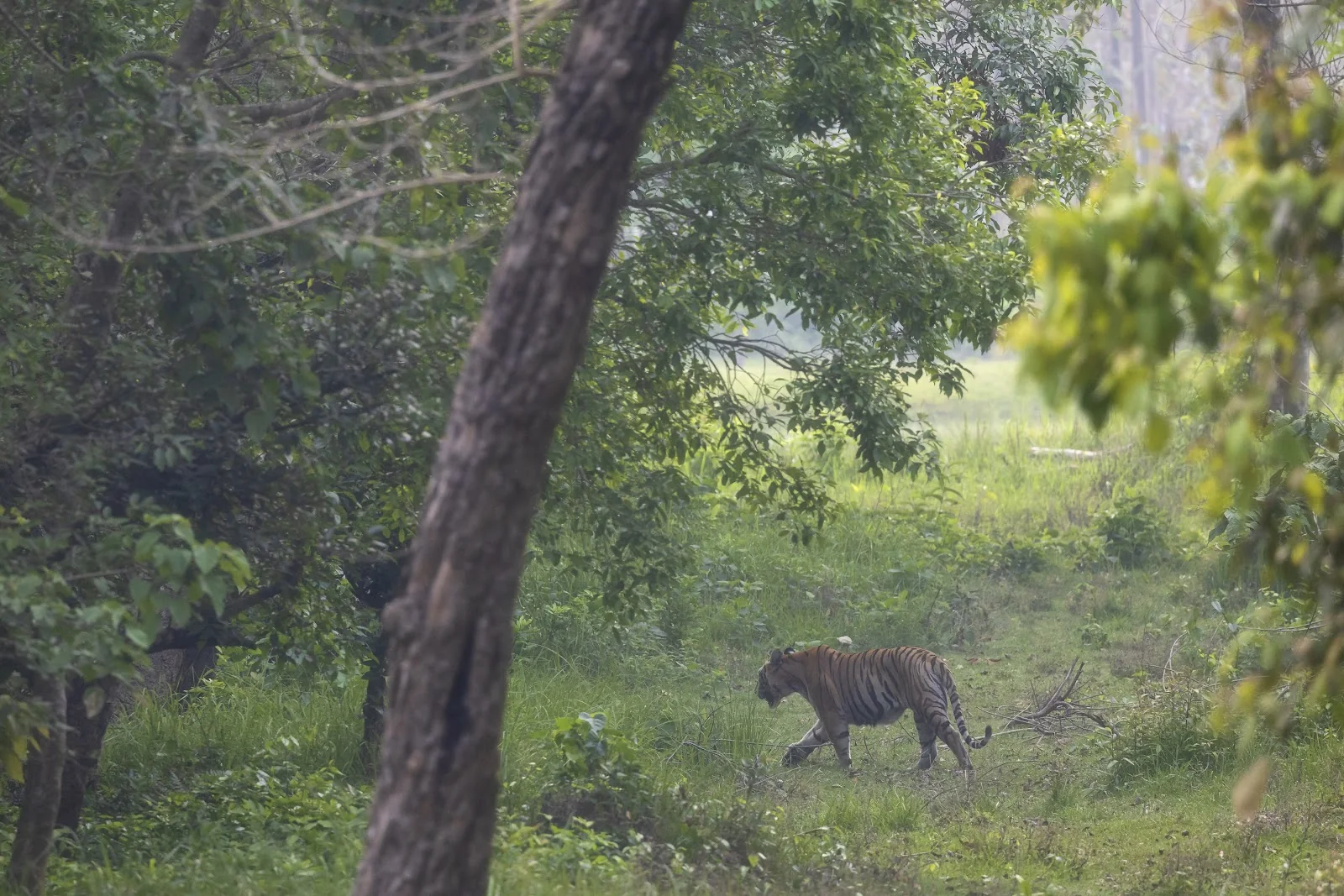
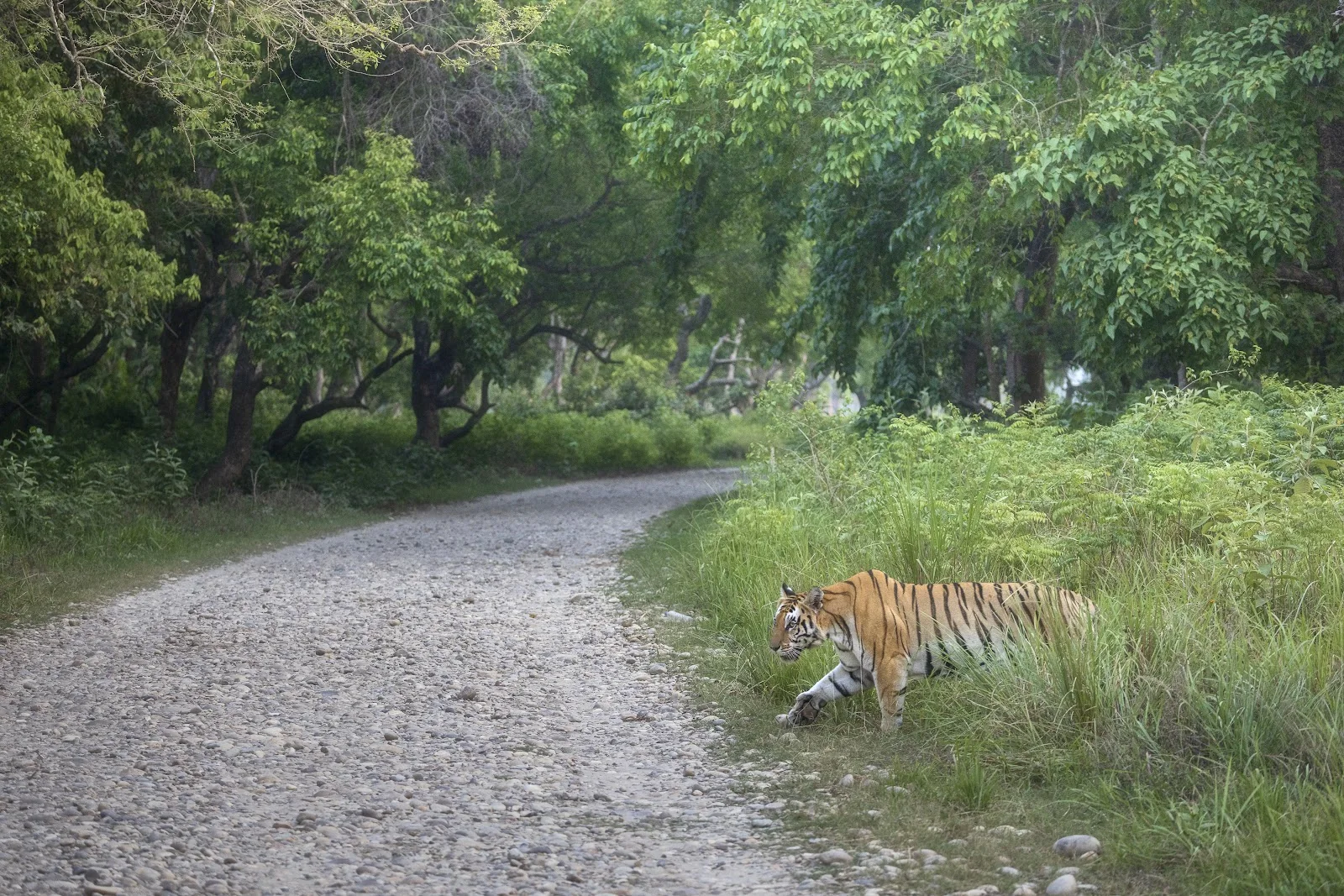
Across the lush subtropical plains of the Terai, several protected national parks provide extraordinary opportunities for wildlife watching. Royal Bengal tigers, greater one-horned rhinos, wild Asian elephants, and hundreds of vibrant bird species thrive in these dense forests and riverine grasslands.
Discover all the wildlife you can encounter on our detailed guide: What animals can you see on a safari in Nepal?
Experiencing a safari in Nepal is vastly different from traditional African safaris. Here, wilderness exploration takes place on foot, by 4x4 jeep, and by wooden river boat, led by native master naturalists who understand every secret of the jungle.
In this guide, discover everything required to plan a seamless safari in Nepal: which national parks to visit, key safari activities, optimal seasons, accommodation styles, and expert tips for an unforgettable wilderness expedition.
Top National Parks for a Safari in Nepal
Nepal is endowed with several protected national parks where you can explore untamed jungles and encounter rare wildlife.
Bardia National Park is widely regarded by wildlife biologists as one of the premier sanctuaries in Asia to track wild Bengal tigers. Located in Nepal’s far western plains, it delivers an untouched, crowd-free wilderness adventure.
Chitwan National Park is Nepal's most famous and accessible safari destination from Kathmandu or Pokhara. A UNESCO World Heritage Site, it boasts a thriving population of greater one-horned rhinos.
Further west, Shuklaphanta National Park features vast open savannah grasslands supporting Asia's largest concentration of swamp deer (barasingha) and diverse raptors.
Types of Safari Activities in Nepal
Safaris in Nepal take diverse forms depending on the terrain, river systems, and wildlife habitats.
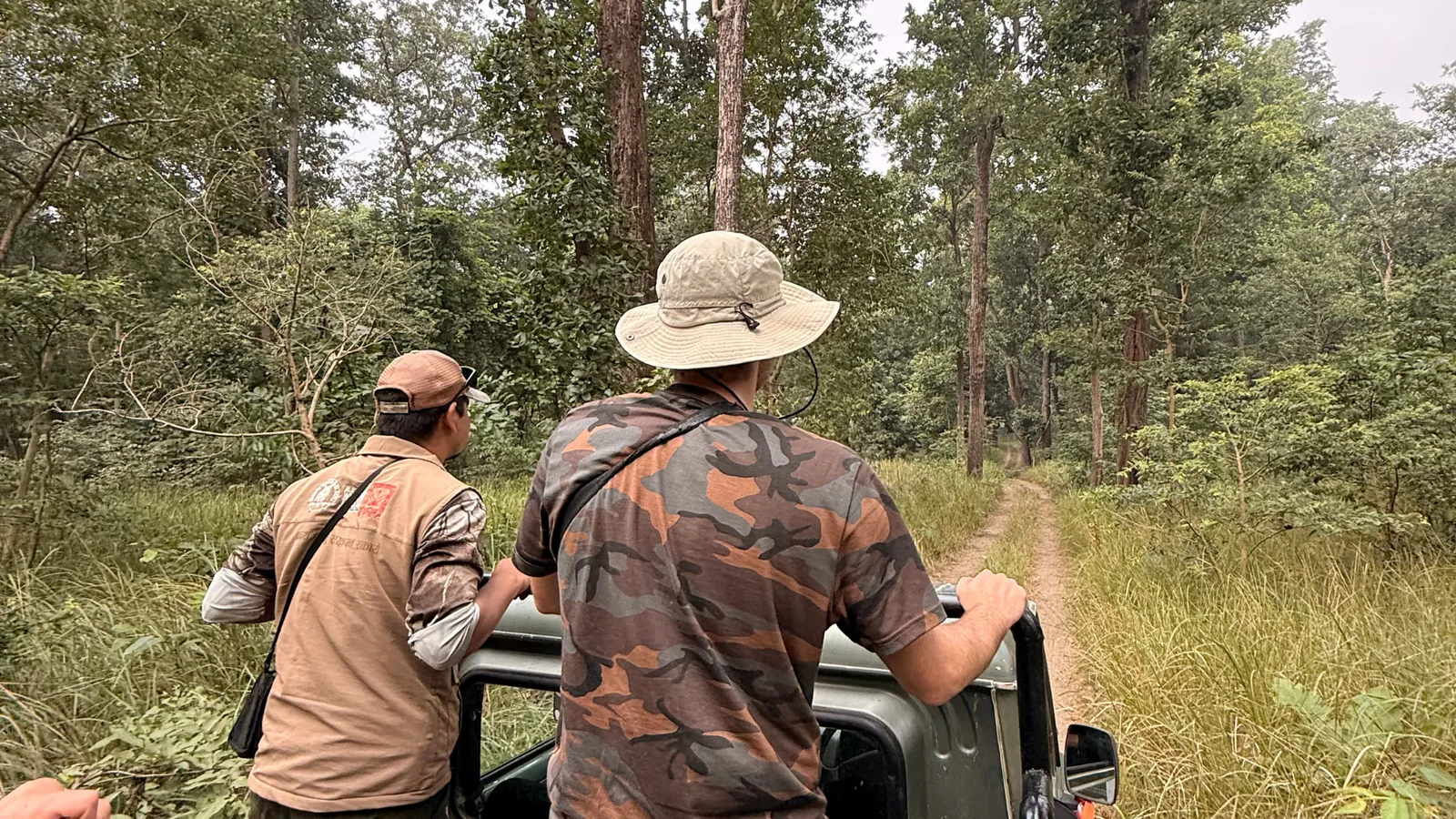
A 4x4 Jeep Safari allows you to cover expansive distances and explore varied ecosystems across the park. It is the most popular way to scout multiple waterholes and wildlife corridors.
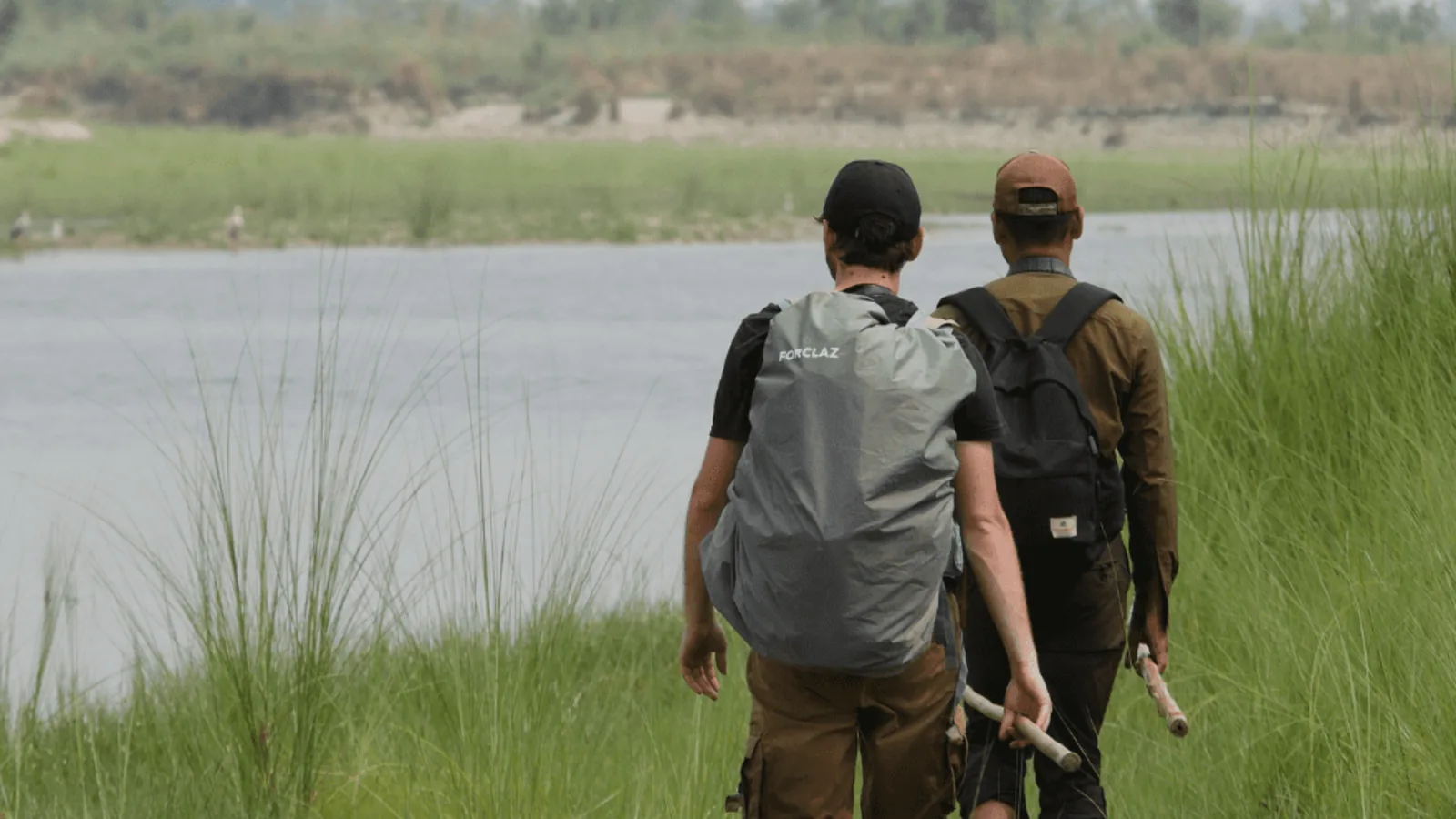
Walking Safaris on Foot offer an incomparably thrilling, deeply immersive experience. Accompanied by expert native naturalists, you step directly onto forest trails, learning to read fresh tracks, identify alarm calls, and silently stalk wildlife safely.
In several parks, River Drift & Boat Safaris glide silently down the Karnali, Babai, or Rapti rivers, offering front-row views of marsh muggers, critically endangered gharials, otters, and kingfishers along the water's edge.
How Many Days Should You Spend on Safari?
To truly maximize your wildlife experience in Nepal, we strongly recommend planning at least 3 to 4 days inside a national park.
Spending multiple days allows you to vary safari formats (combining walking, jeep, and river tracking) and dramatically improves your odds of seeing elusive predators. Activities typically take place in early morning and late afternoon when animal activity peaks.
Best Time of Year for a Safari in Nepal
The optimal safari season in Nepal spans from October through April.
During these dry months, pleasant temperatures prevail, grass is cut by local communities, and thinned vegetation provides dramatically superior visibility.
🗺️ Let Us Craft Your Ideal Nepal Safari
Jungle Nepal Adventure handles all logistics: domestic flights, transfers, boutique lodges, master guides, and park permits. You just immerse yourself in the wild.
The warmer spring months from March to May are considered the gold standard for tiger tracking, as rising temperatures compel big cats and elephants to spend hours cooling off near riverbanks and waterholes.
Explore our complete guide: Best Time for a Safari in Nepal: Weather, Seasons & Wildlife Calendar
Where to Stay During Your Safari
Accommodations near Nepal’s national parks range from authentic local homestays to comfortable safari lodges and boutique resorts.
Village homestays offer warm Tharu hospitality and cultural insight, while established safari lodges provide en-suite comfort, peaceful gardens, and comprehensive in-house safari planning.
For nature enthusiasts, specialized eco-lodges set right on the jungle perimeter offer nocturnal wildlife sounds, birdwatching directly from your private verandah, and zero light pollution.
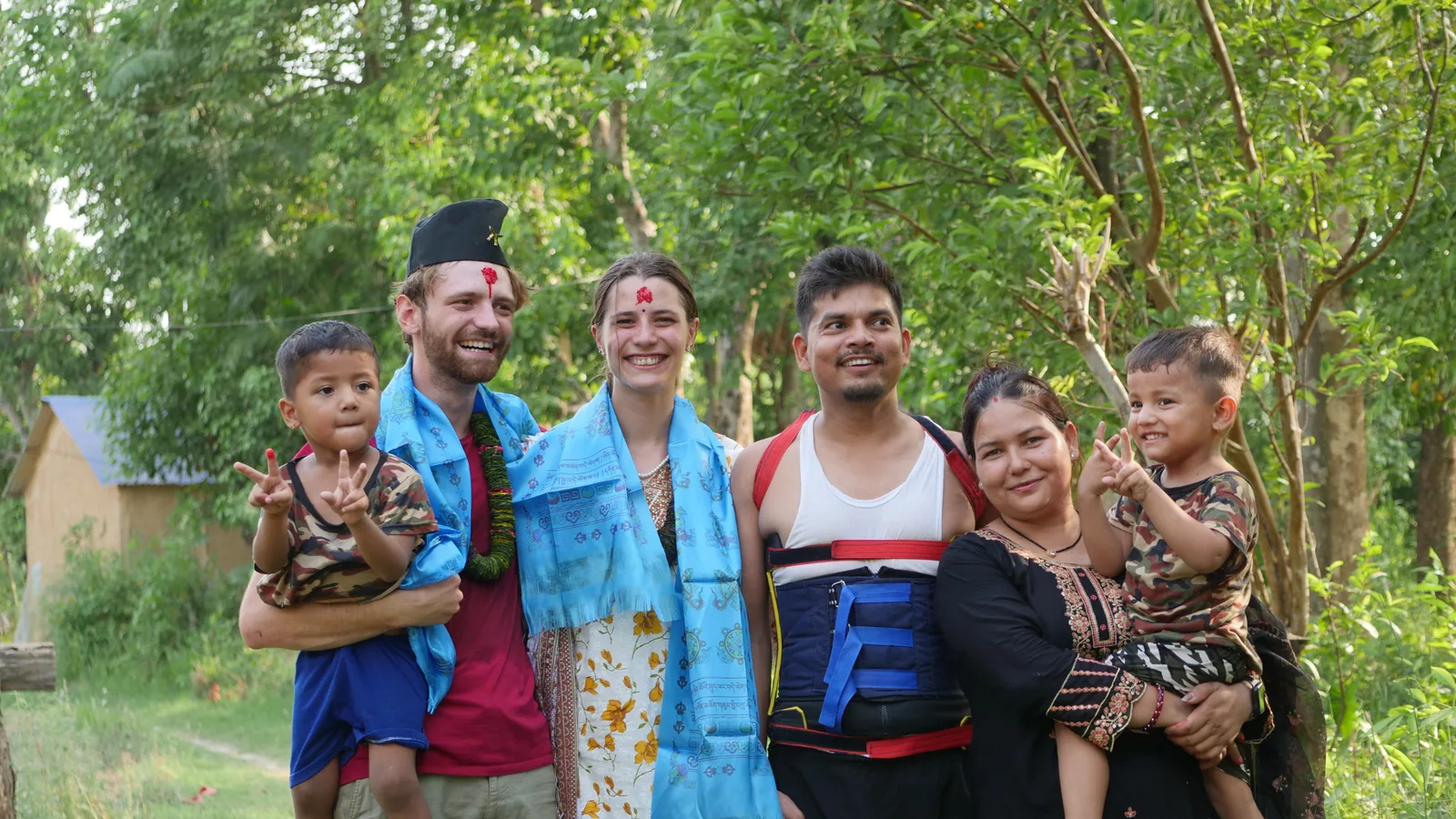
Track Wild Bengal Tigers on Foot in Bardia (50€)
Already in Nepal or traveling to the western lowlands? Join our senior native master trackers for an unforgettable full-day walking safari in Bardia National Park. Jungle bush lunch included.
Should You Book Through a Specialist Safari Agency?
To experience an authentic, safe, and successful safari in Nepal's national parks, booking through a licensed, dedicated safari agency like Jungle Nepal Adventure is strongly recommended—and in practice, essential.
Protected national parks like Bardia, Chitwan, and Shuklaphanta are strictly managed conservation zones where jungle activities are strictly regulated. All safaris, particularly explorations on foot, must be conducted with certified naturalist guides and rangers authorized by park authorities.
Booking through a specialist agency ensures that safaris are conducted under optimal safety protocols while maximizing your wildlife sighting opportunities. Experienced guides know how to track animal footprints, interpret jungle warning calls, and select the most promising sectors of the park depending on the season.
A reputable local agency also takes complete care of all ground logistics:
handpicked accommodations near the park, safari scheduling, local transport, and seamless coordination with senior guides and rangers.
Certain operators are wholly devoted to wildlife exploration and have operated for many years in Nepal's jungles. That is notably the case with Jungle Nepal Adventure, an agency specialized in naturalist-led safaris and wildlife expeditions in regions like Bardia National Park, renowned as one of the best locations in the country to track the Royal Bengal tiger.
Conclusion
Still wondering how to plan a safari in Nepal? Remember that a jungle safari is a unique adventure combining wildlife observation, wilderness exploration, and deep discovery of local cultures.
Whether in the wild forests of Bardia, along the peaceful rivers of Chitwan, or across the vast grasslands of Shuklaphanta, each national park offers a distinctly rewarding experience.
With thoughtful preparation and several days of exploration, a safari in Nepal can easily become one of the most unforgettable highlights of any journey to Asia.
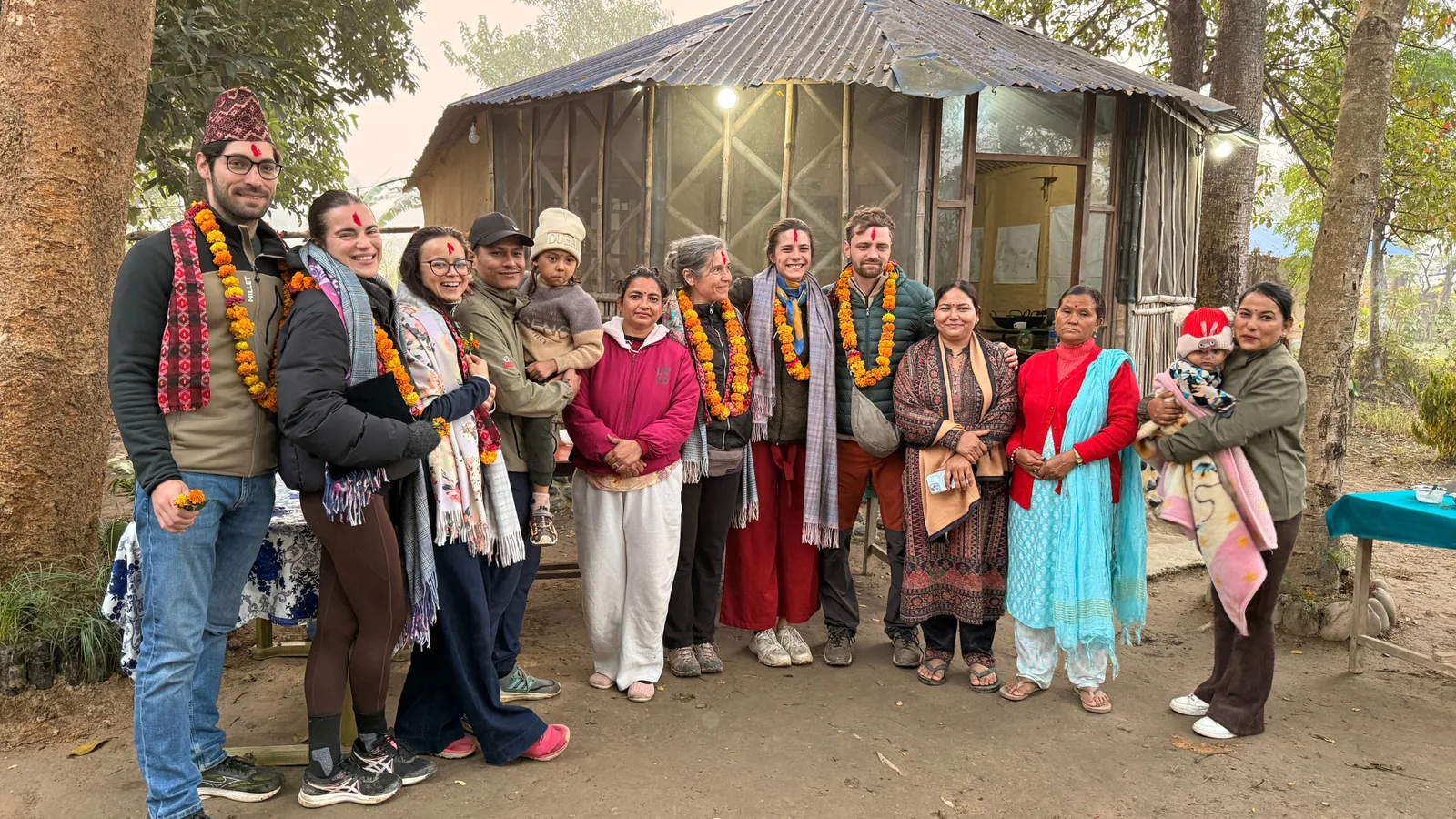
🌿 Travel Seamlessly: We Handle Everything
Our dedicated team in Nepal manages your safari from A to Z. Direct reply within 24 hours, free custom quote.
Plan Your Nepal Safari with Local Experts
Explore our flexible options: Walking Safari in Bardia (from €50), Private 4x4 Jeep Safari (€190), our 5-day package Bardia Tiger Safari (€690), or our grand Nepal Wildlife Safari 15 Days.
Field Expertise from Pawan & Robin: How to Maximize Your Wildlife Sightings in Nepal
Spotting iconic megafauna in Nepal's Terai lowlands is never a matter of luck—it is the result of disciplined tracking and local ecological knowledge. Alongside Pawan—our master tracker born in Bardia, president of the local NAGA conservation association, and field collaborator for BBC wildlife film crews—we structure every safari day around the true biological rhythms of the Royal Bengal tiger (Panthera tigris tigris), the greater one-horned rhinoceros (Rhinoceros unicornis), and the Indian leopard.
1. Reading Fresh Pugmarks and Decoding Jungle Alarm Calls
During a walking safari in Bardia or a private 4x4 jeep track, the first 90 minutes after sunrise are critical. Our naturalist guides inspect the sandy riverbeds (sots) and the banks of the Karnali and Babai rivers to locate fresh pugmarks, judge track age by edge moisture, and check Sal tree trunks (Shorea robusta) for territory claw marks and scent-spraying. The moment a spotted deer (chital), sambar, or gray langur barks a sharp, repetitive alarm call, our trackers triangulate the prey's line of sight to position our small group silently at a natural river crossing.
2. Choosing the Right National Park for Your Schedule
- If you have 8 to 12 days: Head straight to Bardia National Park on our flagship 9-Day Tiger & Rhino Tracking Expedition. With 968 km² of pristine wilderness, roughly 125 adult tigers, and less than 3% of Chitwan's visitor numbers, Bardia delivers Asia's most authentic walking safari experience.
- If you are combining Kathmandu, Pokhara, and the jungle in 12 to 14 days: Chitwan National Park fits naturally between Kathmandu and the Annapurna foothills, as featured in our Chitwan Nature & Culture Safari and our 14-Day Grand Tour of Nepal.
- If you are a dedicated wildlife photographer or birder: Combining Suklaphanta and Bardia (12-Day Wild West Terai Expedition) unlocks the world's largest herds of swamp deer (Barasingha), the critically endangered Bengal florican, and Nepal's highest tiger density per square kilometer.
3. Uncompromising Ethics: Zero Captive Elephants & Direct Tharu Community Support
Unlike mass-market operators that still promote elephant-back rides in buffer zones, Jungle Nepal Adventure enforces a strict ethical charter: zero captive elephant activities, small groups capped at 4–10 travelers, family-run Tharu eco-lodges, and direct financial contributions from every booking to Bardia's Community-Based Anti-Poaching Units (CBAPU). To compare all our itineraries, transparent prices, and seasonal tiger sighting statistics, visit our comprehensive design a tailor-made Nepal wildlife safari hub.