

Introduction
Chitwan National Park is one of the most famous destinations to observe Nepal's extraordinary wildlife.
Located in the southern Terai region, it attracts travelers every year who come to explore its lush jungles, winding rivers, and iconic wildlife.
But is Chitwan truly the best choice for a safari in Nepal?
Here is a comprehensive guide to understanding this park, its highlights, and what to expect.
Overview of Chitwan National Park
Where Is Chitwan National Park Located?
Chitwan National Park is located in southern Nepal, approximately 5 to 6 hours by road from Kathmandu.
Easily accessible, it often serves as a first safari experience for travelers discovering the country.
The park spans a vast expanse of jungle, grasslands, and river systems, offering a rich diversity of landscapes.
Discover all safari experiences with Jungle Nepal Adventure.
Wildlife in Chitwan
Chitwan is renowned for its rich biodiversity.
Key species you can observe include:
- Greater one-horned rhinoceroses
- Gharial crocodiles
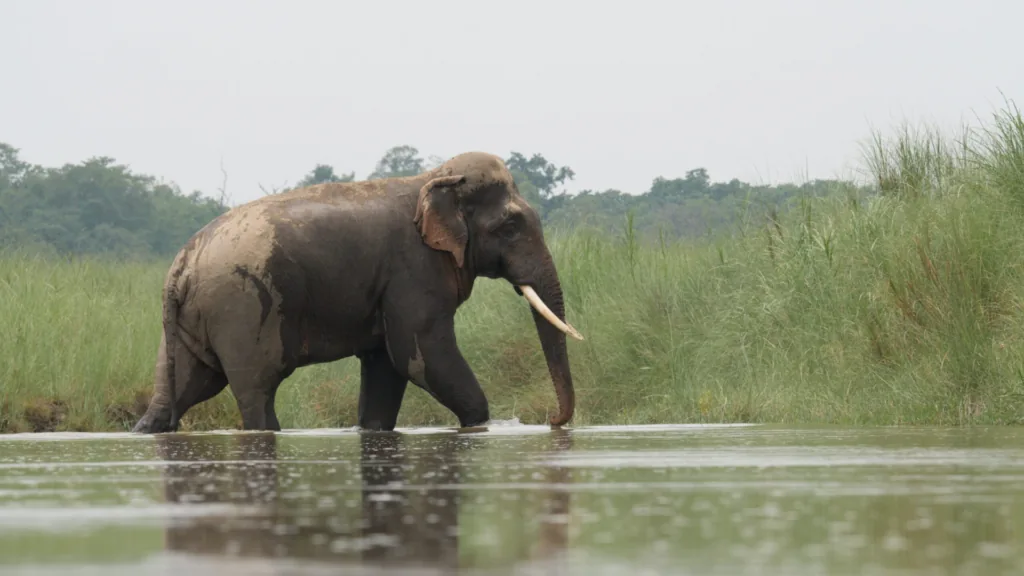
- Wild Asian elephants
- Spotted deer (Chital)
- Monkeys (rhesus macaques and Hanuman langurs)
- Numerous bird species
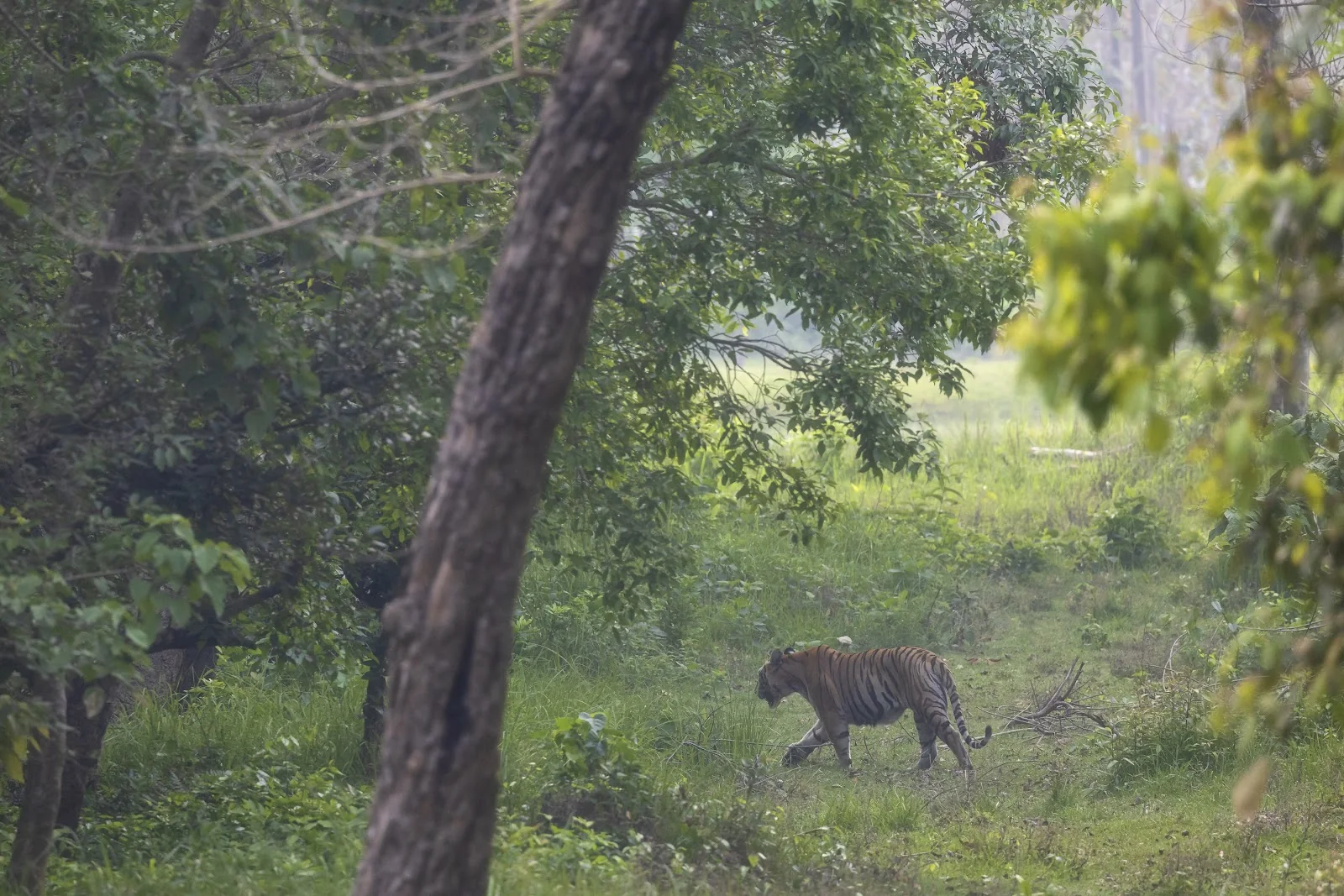
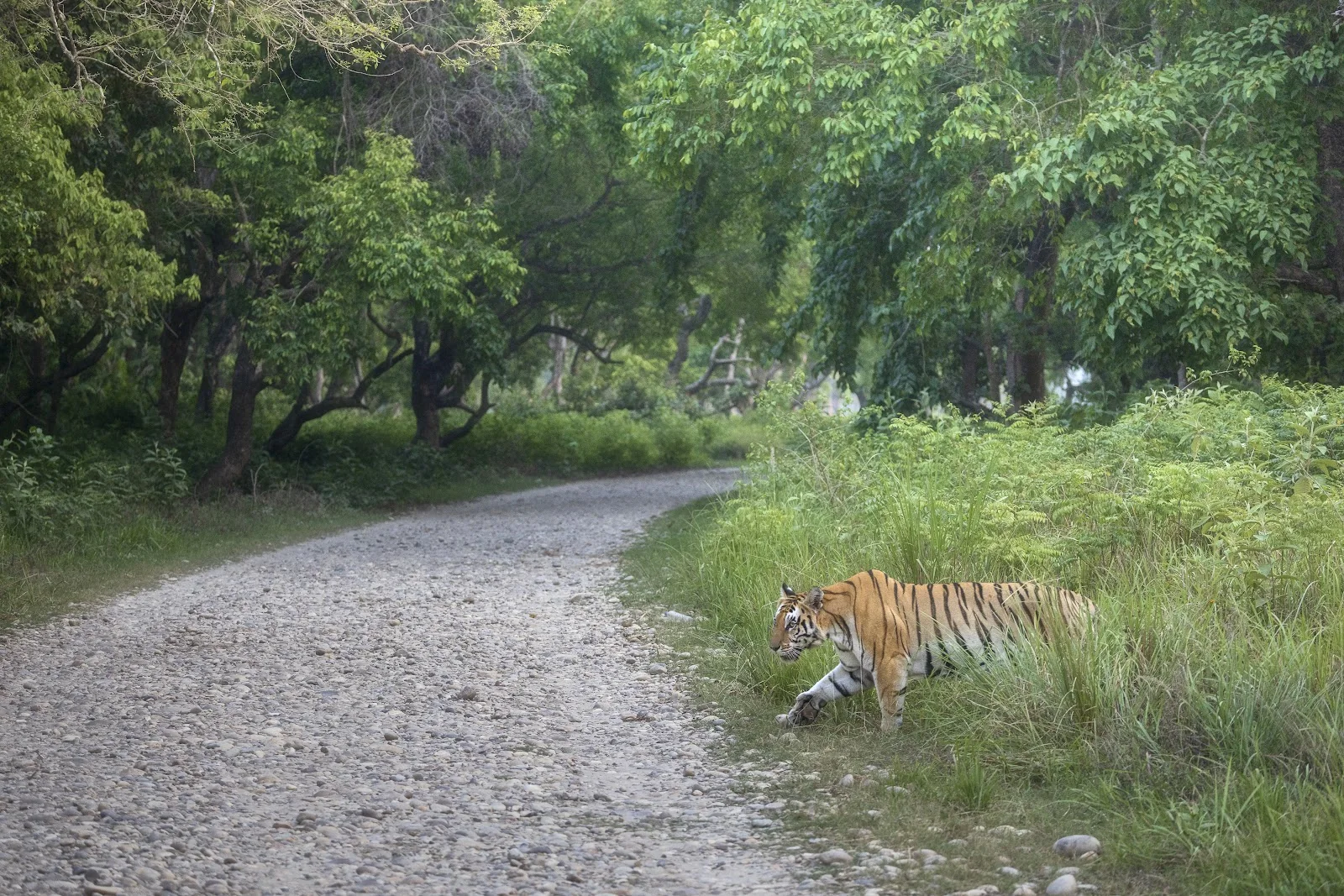
The Bengal tiger is also present, but sightings remain rare due to thick cover and heavy park traffic.
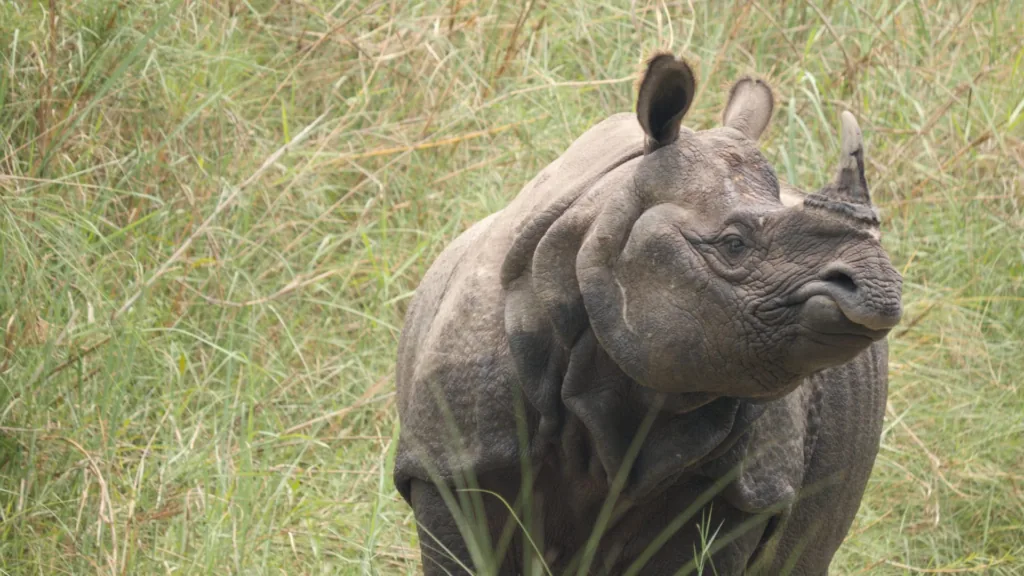
The rhino is the park's most iconic and easily spotted resident.
Learn all about this incredible creature in our in-depth guide to the greater one-horned rhinoceros.
Different Types of Safaris
Several safari styles are available in Chitwan.
Jeep safaris are the most common option. They allow you to cover long distances and increase your chances of spotting wildlife across different zones.
Canoe safaris offer a much quieter, peaceful experience, perfect for observing waterbirds and sunbathing gharial crocodiles along the riverbanks.
Jungle walks on foot are also possible, though they tend to be shorter, more regulated, and restricted to buffer zones compared to wilder parks.
Overall, the safari experience here is far more accessible and gentle than in remote, untamed wilderness areas.
A Highly Popular Tourist Destination
Chitwan is by far the most visited national park in Nepal.
The tourism infrastructure is extensive:
- Dozens of lodges and resorts
- Structured activities and package tours
- Convenient transport links and amenities
This makes planning effortless, but the experience can feel commercialized and less immersive.
🦏 Book Your Chitwan Safari with a Local Expert
Jungle Nepal Adventure organizes private safaris in Chitwan with licensed native naturalist guides, hand-picked eco-lodges, and private jeep and canoe excursions.
Certain core zones can become crowded, particularly during peak tourist season.
Accommodation in Chitwan
Chitwan offers a wide variety of accommodation options.
From comfortable boutique hotels with pools to rustic jungle lodges, there are choices to fit every travel style and budget.
However, the surrounding town of Sauraha feels decidedly resort-oriented compared to Nepal’s truly wild western regions.
Advantages of Chitwan
Chitwan offers several clear benefits:
- Quick and easy road access from Kathmandu and Pokhara
- Reliable tourist amenities and lodging
- High probability of seeing greater one-horned rhinos
- Ideal for a first-time wildlife or family safari
It is a comfortable, reassuring gateway destination for first-time safari travelers.
Drawbacks and Limitations of Chitwan
Despite its highlights, Chitwan also presents some notable drawbacks.
Heavy tourist traffic can diminish the feeling of pure wilderness and isolation.
Game drives often feel hurried and follow rigid, standardized itineraries.
Overall, the atmosphere can feel significantly less adventurous than Nepal's wilder reserves.
Chitwan vs Bardia: Which Should You Choose?
For a convenient first introduction to Nepal's jungles, Chitwan National Park is an excellent choice.
However, for a deeper, wilder, and genuinely authentic safari, parks like Bardia National Park offer a completely different caliber of adventure.
Far fewer tourists, exhilarating walking safaris, and vastly superior chances of tracking wild Bengal tigers.
Elevate Your Safari Experience in Nepal
At Jungle Nepal Adventure, our safaris are crafted to deliver deep, ethical immersion into the wilderness.
Micro-groups, native Tharu naturalist guides, and authentic on-foot exploration… our mission is to provide an unforgettable encounter far from mass commercial tourism.
👉 Explore our safari itineraries:
Best Time to Visit Chitwan & Bardia
October – March
- Pleasant, mild temperatures
- Lush post-monsoon greenery
- Dense forest canopy
March – May
- Higher temperatures
- Animals congregate around water sources
- Prime season for tiger sightings
Discover the best months for your journey in our complete seasonal guide 👉 When to Go on Safari in Nepal: Complete Weather & Season Guide
How to Get to Chitwan National Park
By Air
Flight from Kathmandu → Bharatpur (Chitwan)
Flight duration: approx. 20 minutes
Followed by a short car transfer to Sauraha or your lodge.
By Tourist Bus or Private Vehicle
From Kathmandu → Chitwan (Sauraha)
Duration: approx. 5 to 6 hours depending on road conditions
Conclusion
Chitwan National Park is an unmissable destination for discovering Nepal's wildlife.
Accessible, rich in biodiversity, and well-developed, it serves as an excellent gateway into the world of Asian safaris.
Yet for travelers seeking a more immersive experience far off the beaten path, wilder alternatives like Bardia await.
🌿 Chitwan Is Waiting — With a Real Local Expert
No crowded mass tours. Private safaris with licensed naturalists who know every secret trail in the park.
Explore Chitwan National Park
Track greater one-horned rhinos on our daily Chitwan Rhino Walking Safari (from €70) or book an open-top Private Chitwan Jeep Safari (€190/jeep).
Looking for a complete itinerary? Explore our 4-Day Chitwan Cultural & Safari Tour or combine both parks on our 11-Day Chitwan + Bardia Safari.
Experience Ethical Wildlife Safaris in Chitwan:
To explore the park cruelty-free without riding captive elephants, book our Chitwan 3 Days / 2 Nights Package (sunrise canoeing, riverside lodging, and open 4x4 rhino safari) or our transit route Pokhara to Chitwan Safari with Kathmandu Drop-Off.
Field Expertise from Pawan & Robin: How to Maximize Your Wildlife Sightings in Nepal
Spotting iconic megafauna in Nepal's Terai lowlands is never a matter of luck—it is the result of disciplined tracking and local ecological knowledge. Alongside Pawan—our master tracker born in Bardia, president of the local NAGA conservation association, and field collaborator for BBC wildlife film crews—we structure every safari day around the true biological rhythms of the Royal Bengal tiger (Panthera tigris tigris), the greater one-horned rhinoceros (Rhinoceros unicornis), and the Indian leopard.
1. Reading Fresh Pugmarks and Decoding Jungle Alarm Calls
During a walking safari in Bardia or a private 4x4 jeep track, the first 90 minutes after sunrise are critical. Our naturalist guides inspect the sandy riverbeds (sots) and the banks of the Karnali and Babai rivers to locate fresh pugmarks, judge track age by edge moisture, and check Sal tree trunks (Shorea robusta) for territory claw marks and scent-spraying. The moment a spotted deer (chital), sambar, or gray langur barks a sharp, repetitive alarm call, our trackers triangulate the prey's line of sight to position our small group silently at a natural river crossing.
2. Choosing the Right National Park for Your Schedule
- If you have 8 to 12 days: Head straight to Bardia National Park on our flagship 9-Day Tiger & Rhino Tracking Expedition. With 968 km² of pristine wilderness, roughly 125 adult tigers, and less than 3% of Chitwan's visitor numbers, Bardia delivers Asia's most authentic walking safari experience.
- If you are combining Kathmandu, Pokhara, and the jungle in 12 to 14 days: Chitwan National Park fits naturally between Kathmandu and the Annapurna foothills, as featured in our Chitwan Nature & Culture Safari and our 14-Day Grand Tour of Nepal.
- If you are a dedicated wildlife photographer or birder: Combining Suklaphanta and Bardia (12-Day Wild West Terai Expedition) unlocks the world's largest herds of swamp deer (Barasingha), the critically endangered Bengal florican, and Nepal's highest tiger density per square kilometer.
3. Uncompromising Ethics: Zero Captive Elephants & Direct Tharu Community Support
Unlike mass-market operators that still promote elephant-back rides in buffer zones, Jungle Nepal Adventure enforces a strict ethical charter: zero captive elephant activities, small groups capped at 4–10 travelers, family-run Tharu eco-lodges, and direct financial contributions from every booking to Bardia's Community-Based Anti-Poaching Units (CBAPU). To compare all our itineraries, transparent prices, and seasonal tiger sighting statistics, visit our comprehensive compare all our Nepal safari itineraries hub.