
Introduction
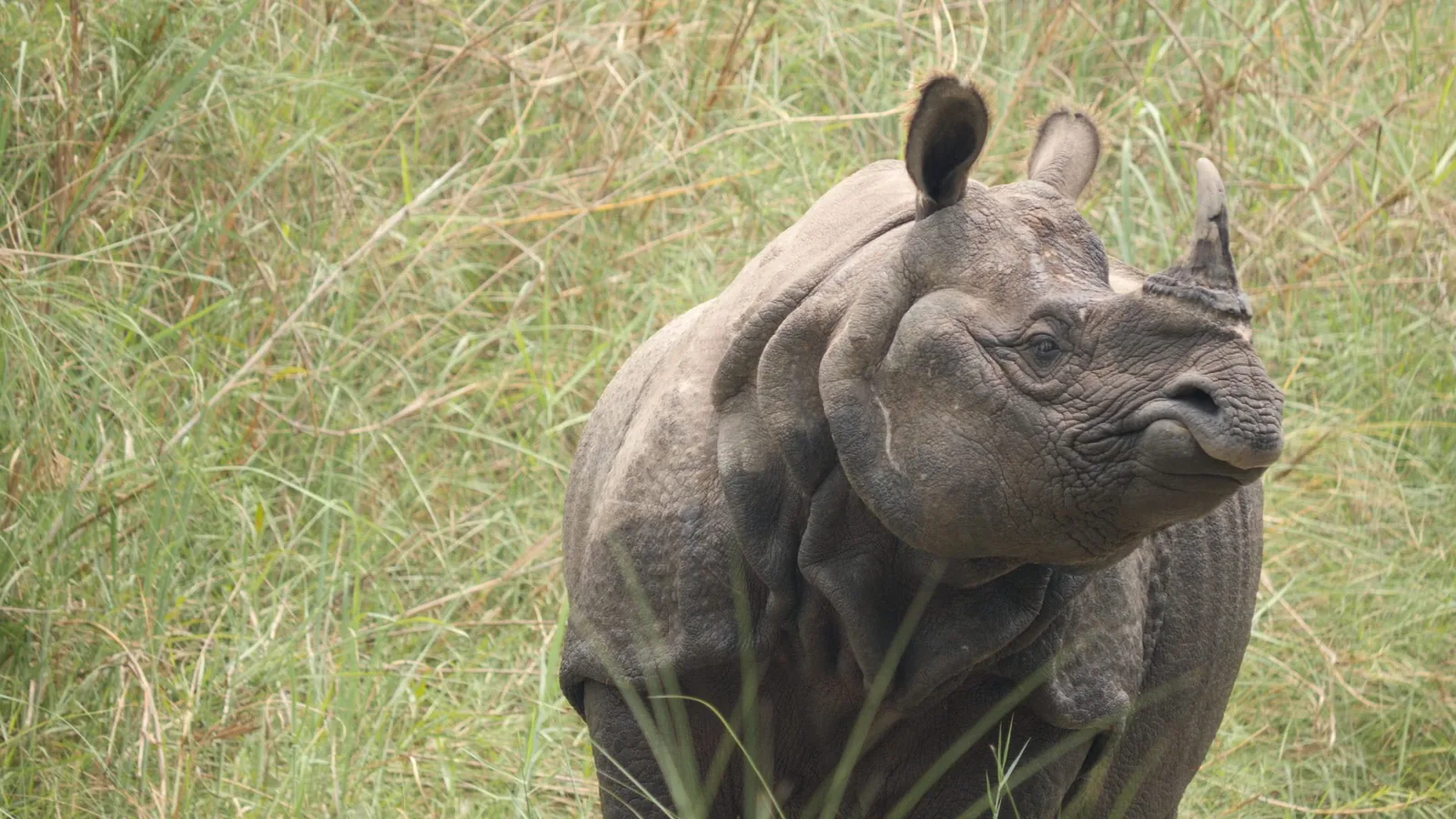
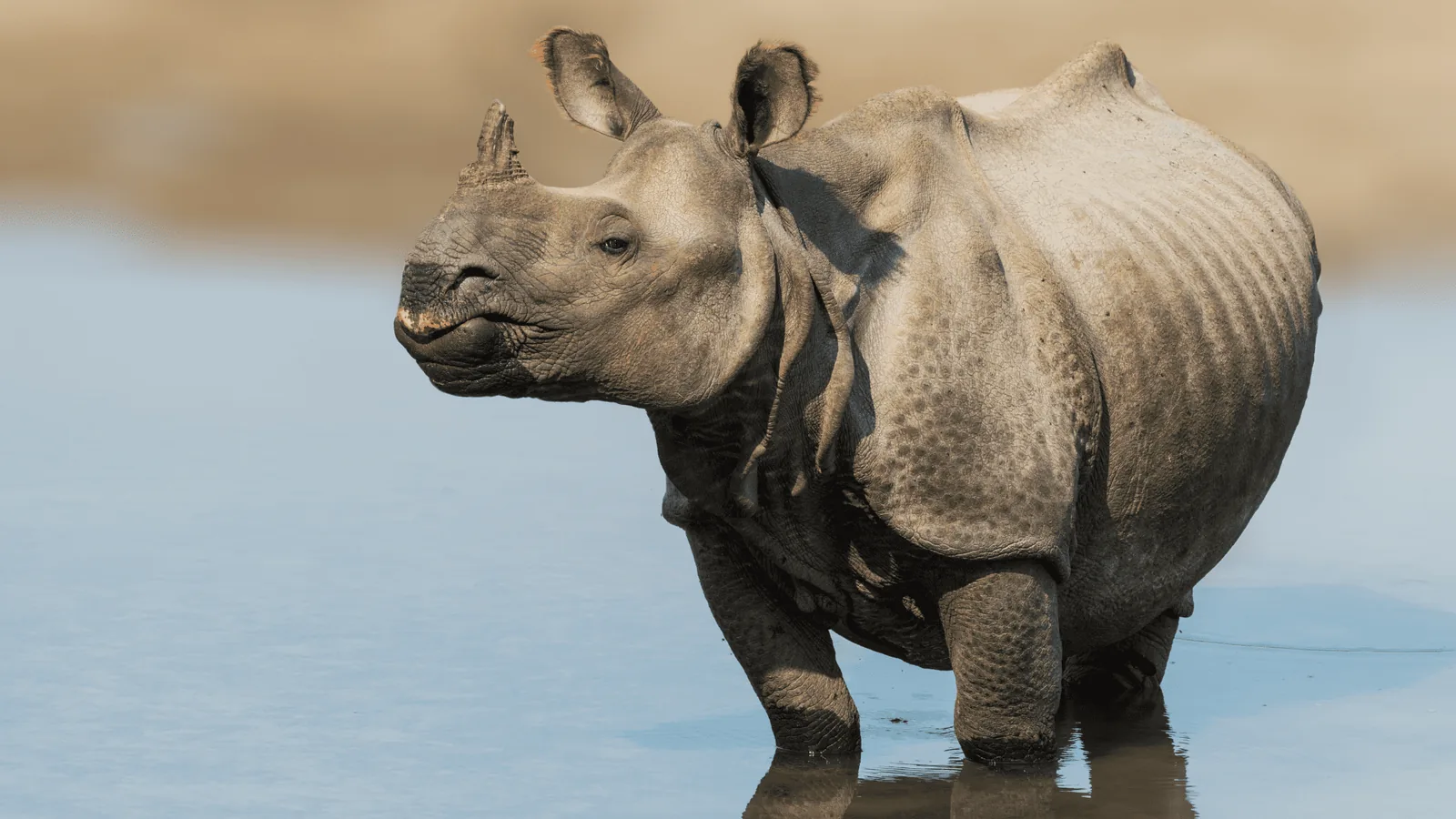
The Greater One-Horned Rhino (Rhinoceros unicornis), also known as the Indian rhinoceros, is one of the most awe-inspiring animals you can encounter on a safari in Nepal. Understanding greater one-horned rhino behavior allows you to observe it with greater appreciation and approach the jungle with sound judgment.
With its armored, prehistoric silhouette and massive stature, it commands both wonder and respect. Yet behind this formidable exterior lies a creature that is far more nuanced and frequently misunderstood.
A Solitary Yet Tolerant Creature
The greater one-horned rhino is generally a solitary animal.
Each individual roams within its own home range, but unlike many other large mammals, encounters between rhinos are common and remarkably peaceful, especially around communal waterholes and rivers.
Females often remain accompanied by their calves for several years, providing heartwarming, intimate interactions during safaris.
A Peaceful Herbivore
Despite its armor-plated, intimidating appearance, the rhinoceros is a strictly vegetarian herbivore.
Its diet consists primarily of:
- tall grasses (notably elephant grass)
- tree leaves and shrubs
- aquatic plants and submerged vegetation
It spends the vast majority of its waking hours grazing or plodding placidly through its habitat. In nearly all circumstances, it is not aggressive. However, as with any wild animal of this scale, its reactions can remain unpredictable if startled.
Unpredictable Defensive Behavior
Even though it is typically calm, the greater one-horned rhino can react abruptly under stress. Its eyesight is notoriously poor, which can make it jittery and defensive if surprised or unable to identify a sudden silhouette. In certain scenarios, it may launch a charge to defend itself or protect its calf.
While actual mock charges or aggressive encounters are rare, they must be treated with absolute seriousness.
To compensate for its weak vision, nature has gifted the rhino with extraordinary senses of smell and hearing, capable of picking up scent and movement from several hundred meters away.
The Importance of Respecting Distance
During any safari, the cardinal golden rule is to always maintain a safe distance.
Local naturalist guides know rhino behavioral cues intimately and constantly calibrate observation distances to avoid putting either animal or traveler at risk. Respecting the animal's comfort zone is paramount to ensuring a thrilling, safe wildlife experience.
🦏 Meet the Greater One-Horned Rhino in Nepal
Chitwan and Bardia are home to the largest rhino populations in Asia. Our expert naturalist guides take you to encounter them safely up close.
Key Moments of the Day
Rhinos are especially active during the cool hours of early morning and late afternoon. During the midday heat, they consistently retreat into river shallows or wallow in mud baths. Because of these predictable routines, sighting opportunities are remarkably high.
These essential mud and water wallows serve multiple vital functions:
- thermoregulation to cool down their massive bodies
- a natural barrier against biting flies, ticks, and leeches
These wallowing sessions create fantastic observation points and delight wildlife photographers looking for iconic behavioral portraits.
A Keystone Role in the Forest Ecosystem
The greater one-horned rhino serves as an essential ecosystem engineer across the lowlands. Through grazing, opening up game trails in 4-meter tall grasslands, and dispersing seeds across vast distances through dung deposits, it actively regenerates the habitat.
Its thriving presence reflects the prime environmental health and biodiversity of Nepal's national parks.
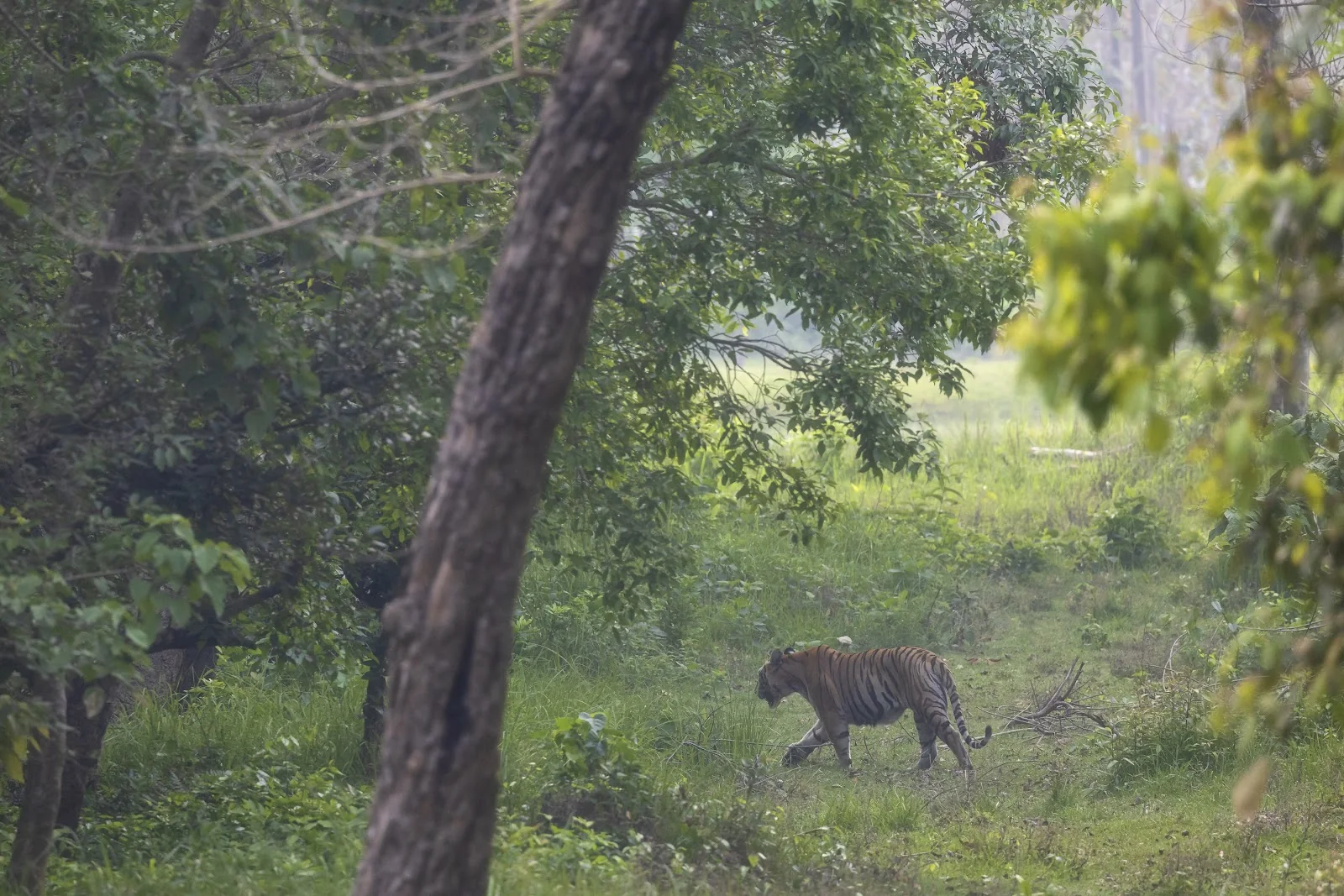
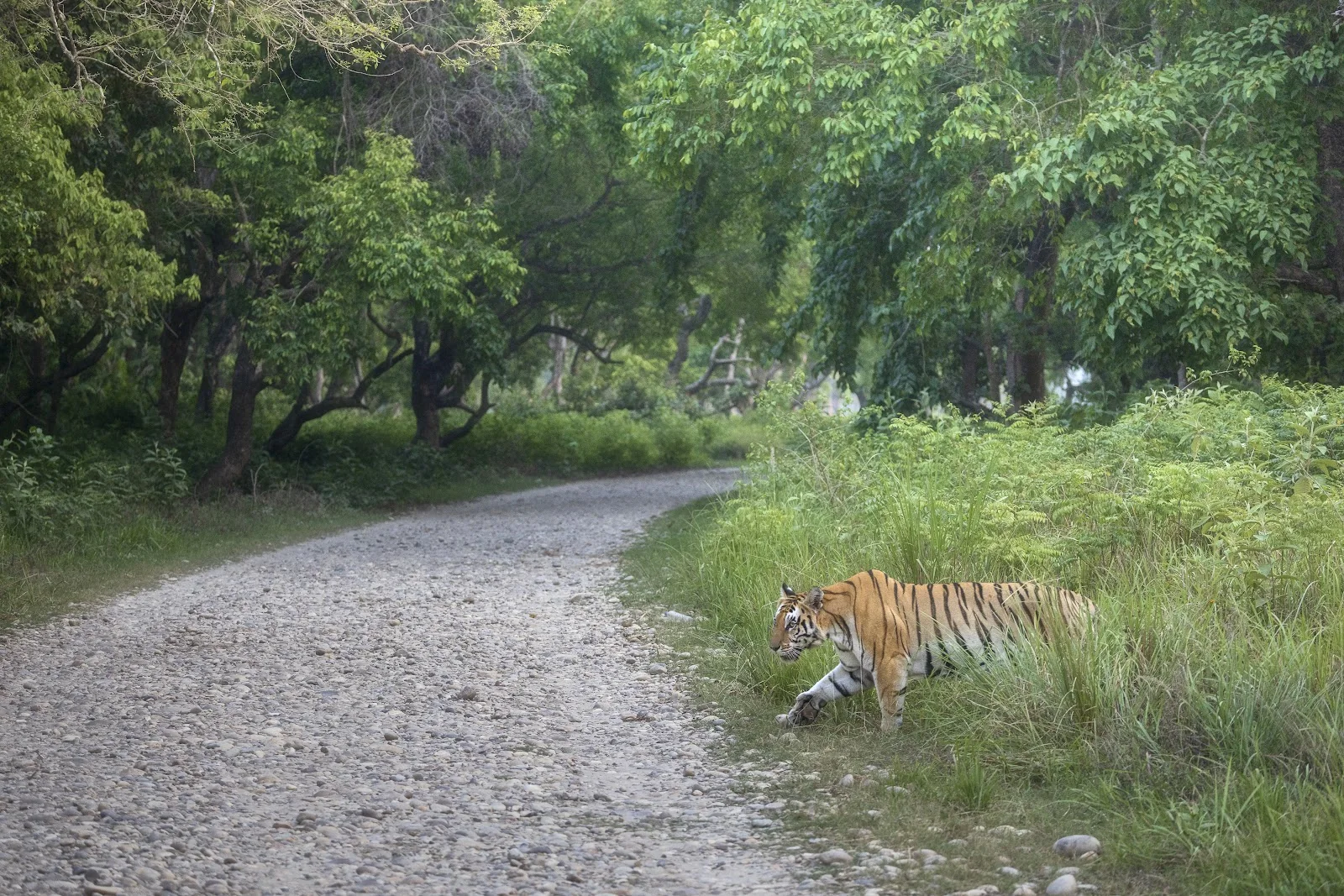
Why Is the Rhino Easier to Spot Than the Bengal Tiger?
Unlike the elusive Bengal tiger, the rhinoceros is far more conspicuous. It moves at a measured pace, regularly frequents open riverbeds, grasslands, and marshes, and does not actively attempt to conceal itself.
Consequently, it is often one of the first megafauna species encountered on a safari in Nepal, particularly in Chitwan National Park.
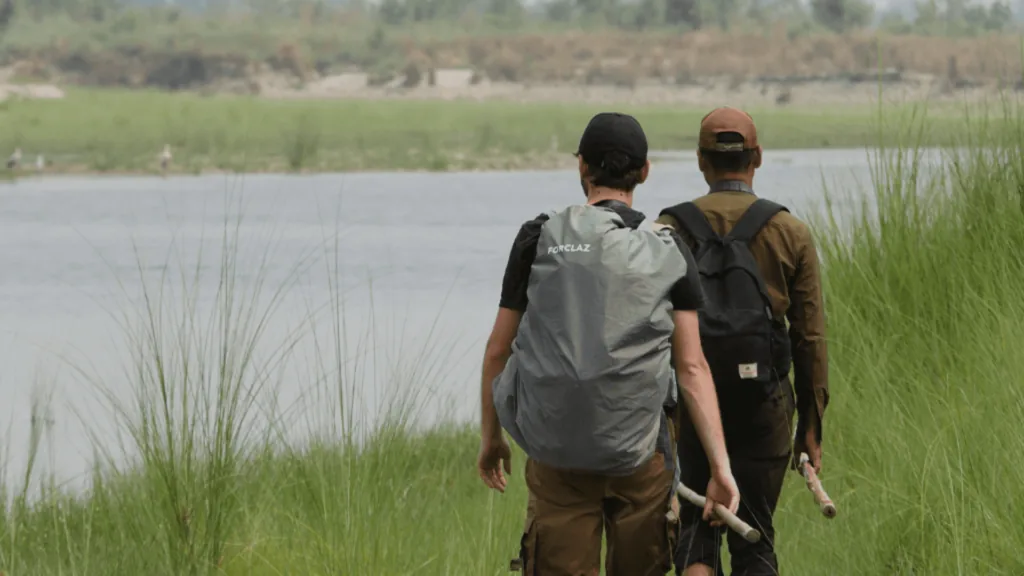
Chitwan Walking Safari : Guided Rhino Tracking (70€)
Walk through tall elephant grass and dense sal forests with certified native naturalist guides. Track one-horned rhinoceroses on foot in their authentic natural habitat.
Observing the Rhinoceros in Its Natural Habitat
At Jungle Nepal Adventure, our safaris are crafted to observe greater one-horned rhinos under ethical, authentic conditions—whether on an exhilarating walking safari, in a 4x4 open jeep, or drifting silently by wooden canoe along the Rapti River.
Local certified guides understand rhino body language and tailor each excursion to offer an experience that is both deeply immersive and fully secure.
Conclusion
The behavior of the greater one-horned rhino is captivating: a testament to primal power and serene wilderness coexistence.
Understanding its lifestyle allows travelers to appreciate every sighting fully and enjoy a deeply respectful, unforgettable journey into the heart of Nepal's wild jungles.
🌿 Embark on a Rhino Safari in Nepal
Private safaris with expert English-speaking naturalist guides. Reliable greater one-horned rhino sightings across Nepal's premier national parks.
Experience Chitwan with Native Guides
Track rhinos on foot with our Chitwan Walking Safari (from €70) or book a full-day Private Jeep Safari (€190).
For an all-inclusive stay: discover the Chitwan Safari Cultural Tour (4 Days).