Introduction
Bardia National Park is one of the last truly wild frontiers of Nepal. Located in the far west of the country, far off the beaten tourist path, this 968 km² national park offers an exceptional, raw immersion into the Terai jungle.
Far less crowded than Chitwan, Bardia is now widely considered one of the best places in all of Asia to track and observe the Bengal tiger in the wild.
Pristine sal forests, vast grassland savannas, powerful rivers, authentic Tharu villages, and extraordinary biodiversity make this park a true paradise for naturalists and adventure travelers.
In this complete guide, you will discover:
- The park's extraordinary wildlife
- The different types of safaris available
- The best lodges and accommodations
- The best time of year to visit
- How to get there from Kathmandu
- Key differences between Bardia and Chitwan
- Practical expert tips to plan and organize your stay
Overview of Bardia National Park
Where is Bardia Located in Nepal
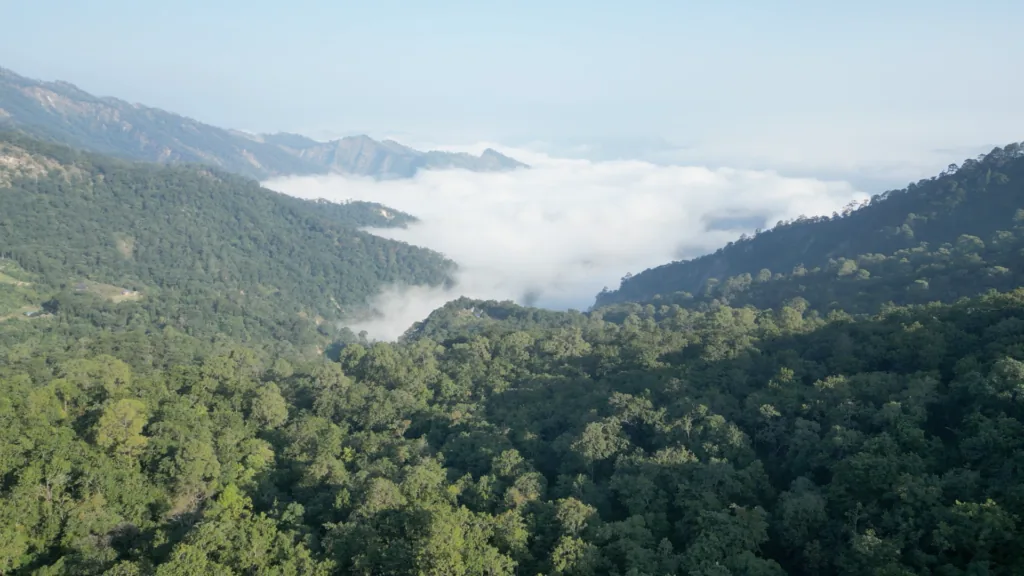
Bardia National Park is situated in the far southwestern plains of Nepal, within the Terai lowlands near the border with India. This expansive subtropical lowland shelters some of the most untamed forests and savanna grasslands in South Asia.
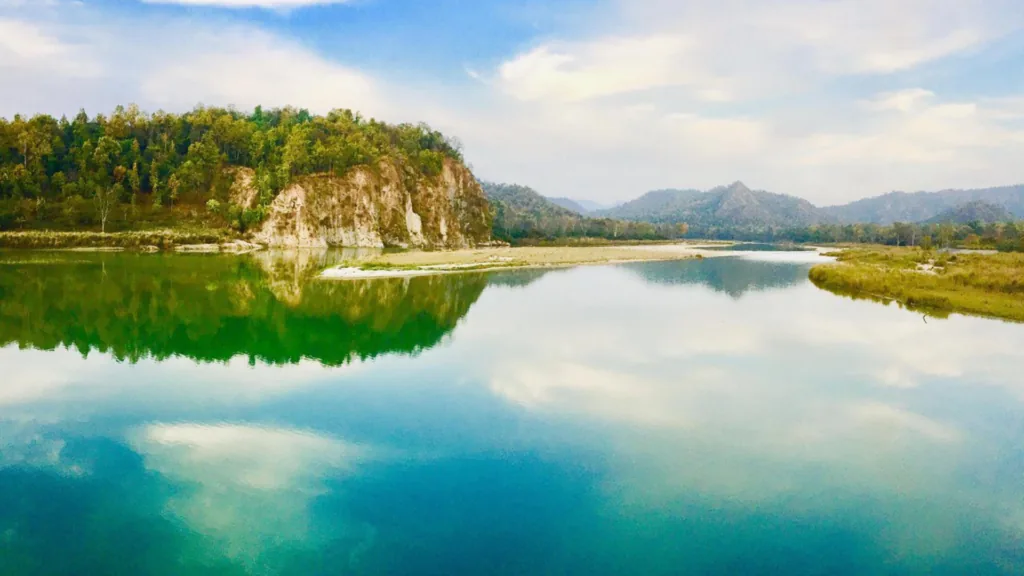
The park is bounded by major natural waterways, most notably the majestic Karnali River to the west and the meandering Babai River to the south and east, which serve as lifelines for the regional ecosystem.
Covering an area of 968 km² (extended by an adjoining 327 km² buffer zone), Bardia is the largest undisturbed national park in Nepal's Terai. Its landscapes alternate between ancient sal (Shorea robusta) forests, riverine woodlands, vast savannah grasslands, and braided river channels—creating an ideal sanctuary for a remarkable diversity of endangered wildlife, including the Royal Bengal tiger, the greater one-horned rhinoceros, wild Asian elephants, and over 400 species of birds.
A Truly Wilder Park Than Chitwan
Unlike Chitwan National Park, which is highly popular and can sometimes feel congested with tour groups and vehicles, Bardia remains wonderfully pristine and untouched.
Here, you will experience:
- Significantly fewer safari vehicles on the tracks
- Expansive, undisturbed habitats for wildlife to roam freely
- World-class walking safaris on foot inside core jungle areas
- A deeply authentic, peaceful jungle atmosphere
This is precisely why experienced naturalists and professional wildlife photographers regard Bardia as the undisputed best national park in Nepal for tracking and observing wild tigers.
Wildlife of Bardia National Park
Royal Bengal Tigers
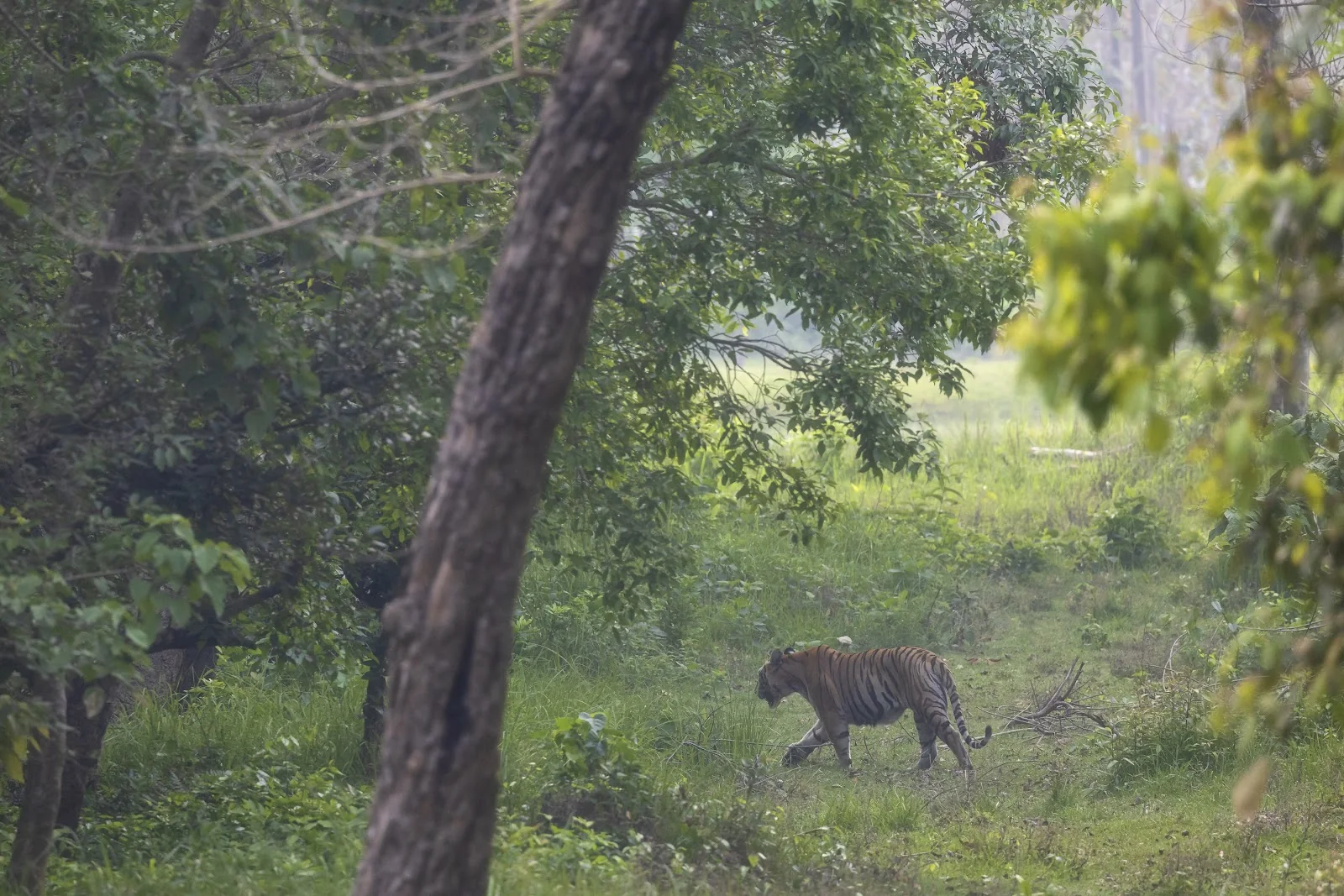
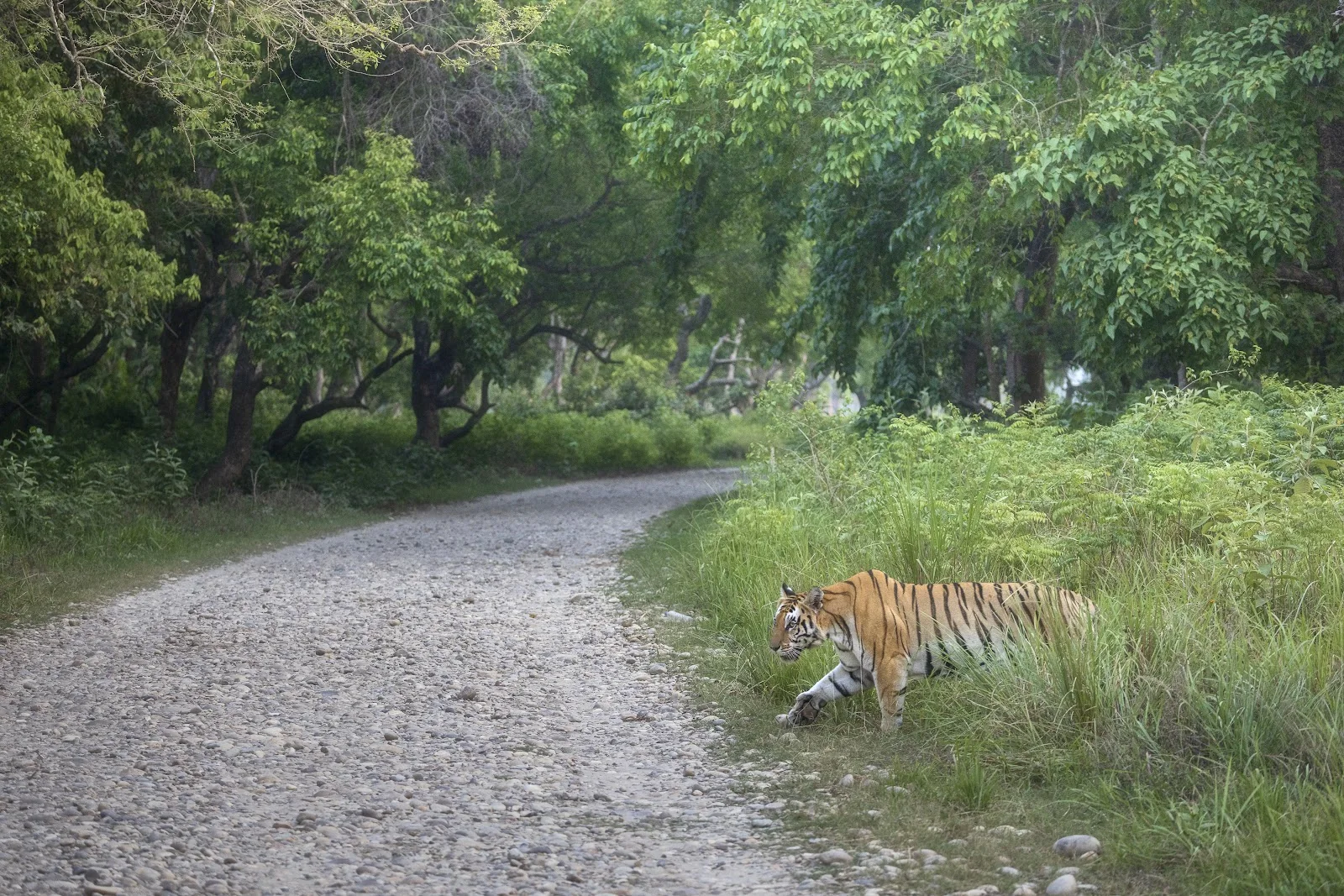
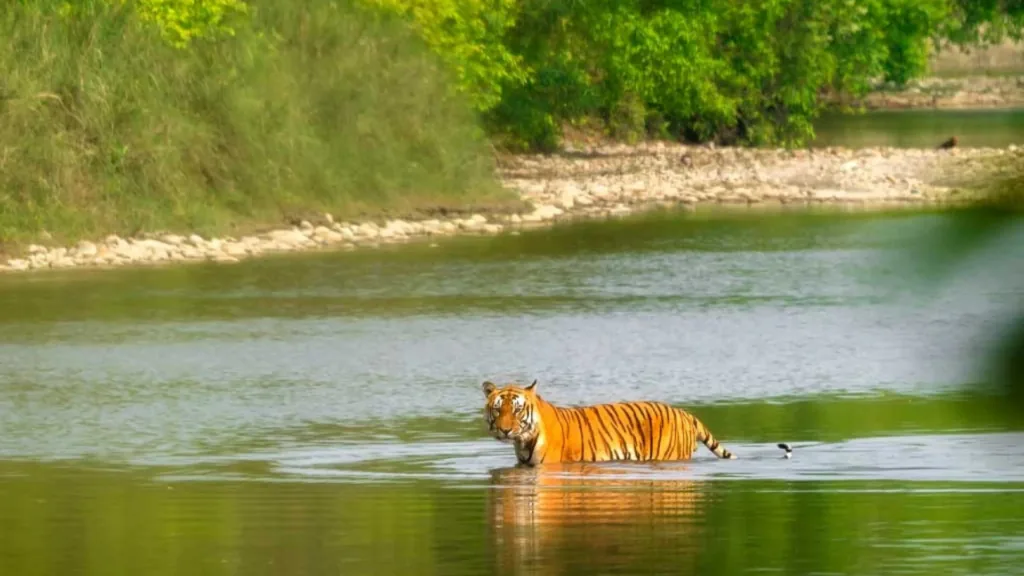
The Royal Bengal tiger (Panthera tigris tigris) is the iconic apex predator and jewel of Bardia National Park.
Thanks to rigorous conservation efforts, anti-poaching community patrols, and habitat restoration, Bardia's tiger population has seen a dramatic resurgence over the last decade—more than tripling to over 125 individuals. Bardia is now one of the most critical breeding strongholds for tigers anywhere on the Indian subcontinent.
Encountering a wild tiger in its natural habitat is an unforgettable, thrilling, and humbling experience. While wildlife sightings can never be guaranteed, combining patient walking safaris with strategic open-top 4x4 jeep drives yields remarkably high success rates in Bardia.
Greater One-Horned Rhinoceroses
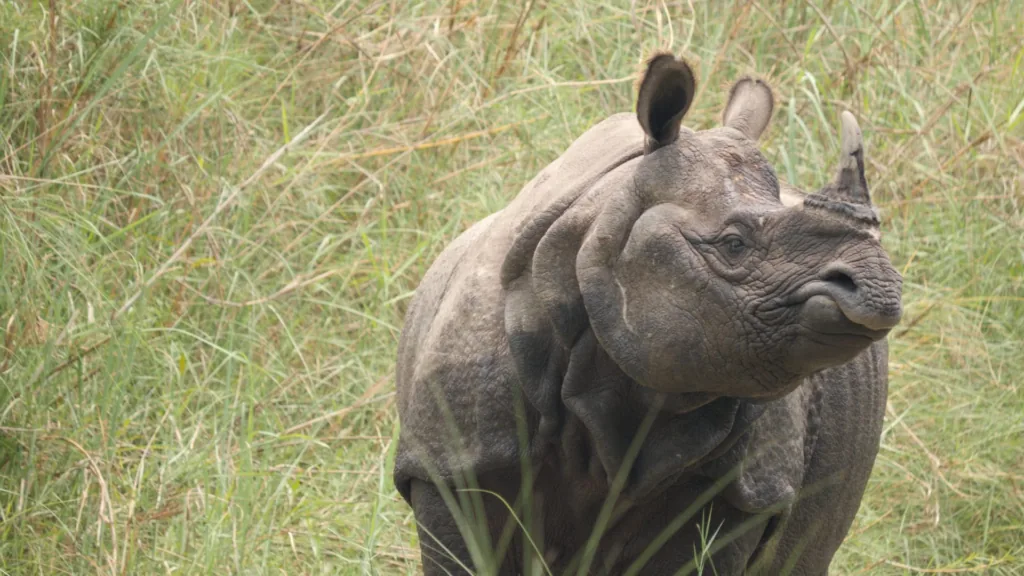
The greater one-horned rhinoceros (Rhinoceros unicornis) is another flagship resident of the park. Decades of targeted translocations from Chitwan National Park helped re-establish a thriving breeding population in Bardia's riverine floodplains.
These prehistoric-looking armor-plated herbivores can weigh well over 2 tonnes. They frequently wallow in marshlands, muddy pools, and oxbow lakes along the Karnali and Babai river systems to keep cool.
Wild Asian Elephants
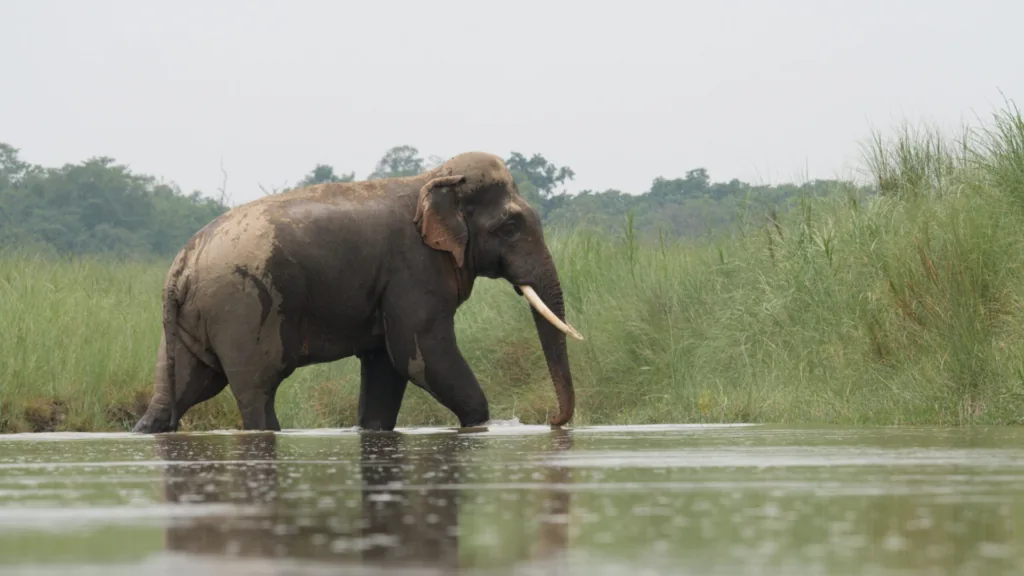
Magnificent wild Asian bull elephants and resident herds inhabit Bardia and utilize ecological corridors linking Nepal with northern India. Sightings along riverbanks and fresh signs—massive footprints, snapped branches, and feeding trails—are very frequent throughout the jungle. As populations grow, elephants occasionally venture into neighboring village buffer zones during harvest seasons, sparking vital human-wildlife coexistence initiatives.
Other Mammals
Beyond its primary giants, Bardia provides sanctuary to an impressive array of mammals, including:
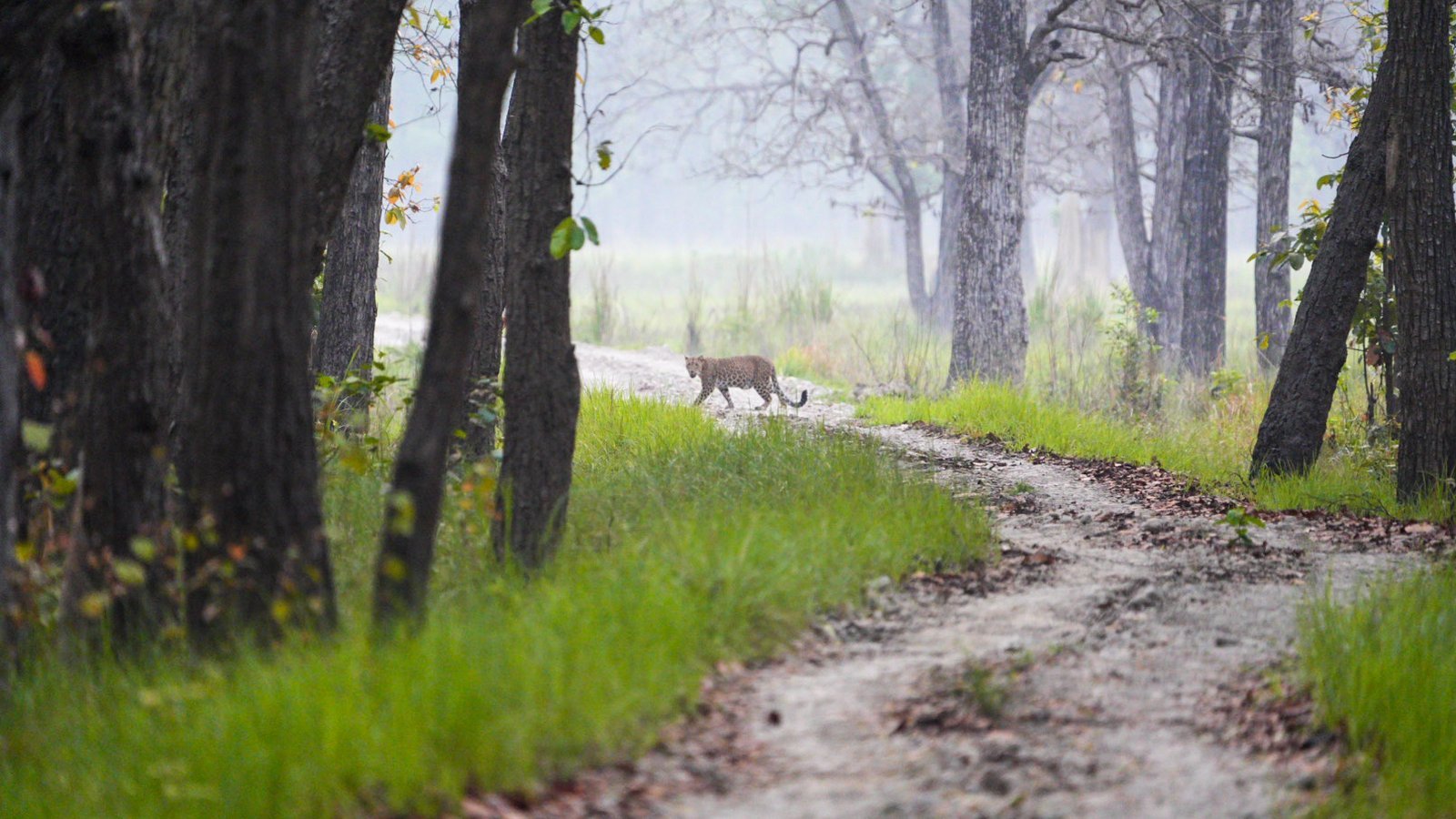
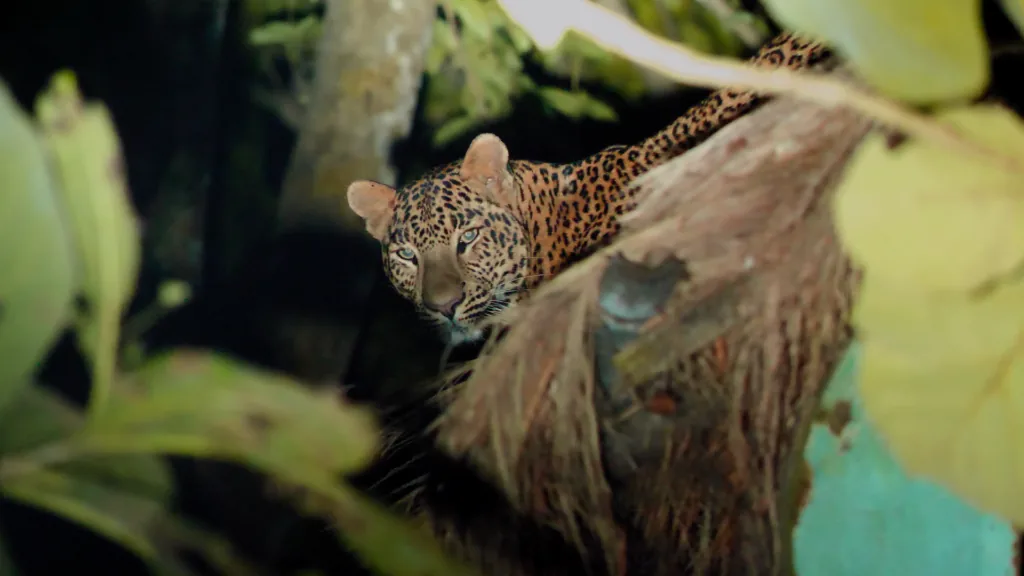
- Indian leopards (Panthera pardus fusca)
- Sloth bears (Melursus ursinus)
- Spotted deer / Chital (Axis axis)
- Sambar deer (Rusa unicolor)
- Swamp deer / Barasingha (Rucervus duvaucelii)
- Wild boars (Sus scrofa)
- Golden jackals (Canis aureus)
- Terai gray langurs (Semnopithecus hector)
- Rhesus macaques (Macaca mulatta)
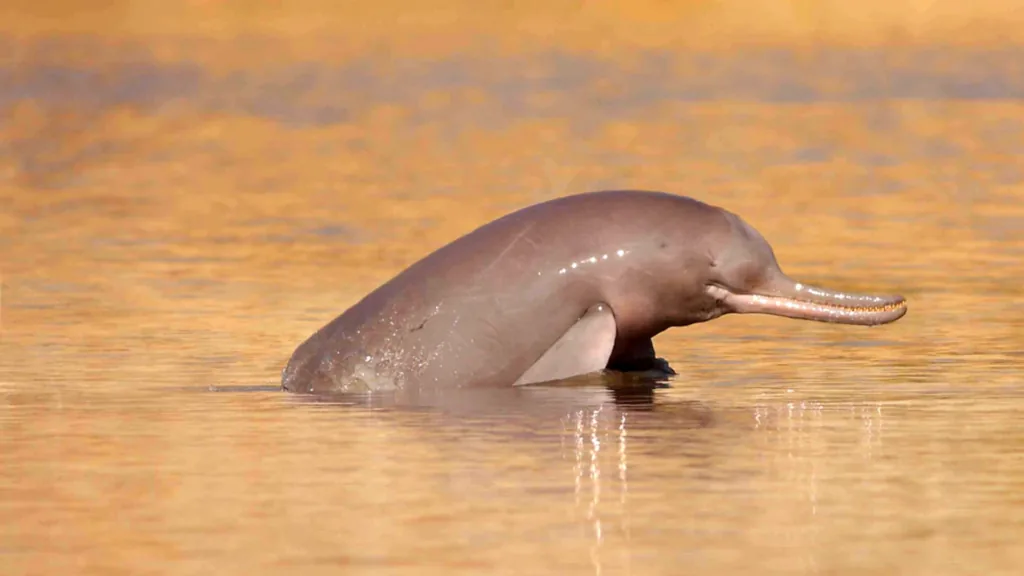
- Endangered Ganges river dolphins (Platanista gangetica) in the Karnali River
Birds of Bardia
The national park is an ornithologist's dream and a designated Important Bird Area (IBA).
Birders can discover:
- Over 400 recorded resident and migratory bird species
- Storks (including the black-necked stork and lesser adjutant)
- Herons and egrets in river wetlands
- Kingfishers (pied, white-throated, and common)
- Critically endangered vultures (white-rumped and slender-billed)
- Eagles, harriers, and birds of prey
- Indian peafowl (peacocks) dancing in open clearings
- Green bee-eaters and Asian paradise flycatchers
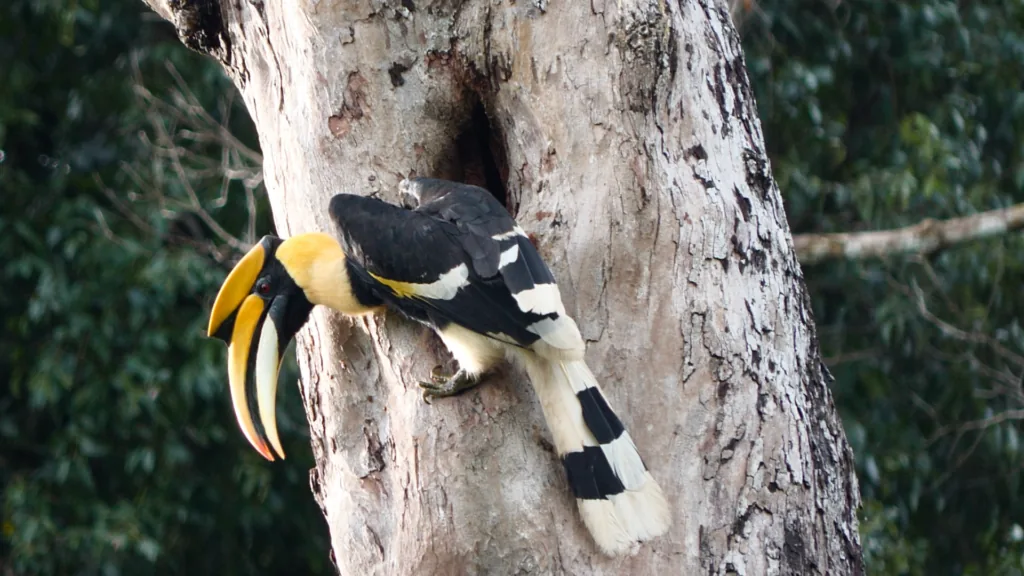
The canopy also shelters rare and spectacular species such as the Great Hornbill (Buceros bicornis) and the Bengal florican.
Safaris in Bardia National Park
Bardia offers a variety of safari formats allowing you to explore different ecological zones within the park. Each safari mode provides completely unique sensations, catering to every travel style and fitness level.
Walking Safari (Jungle Walk on Foot)
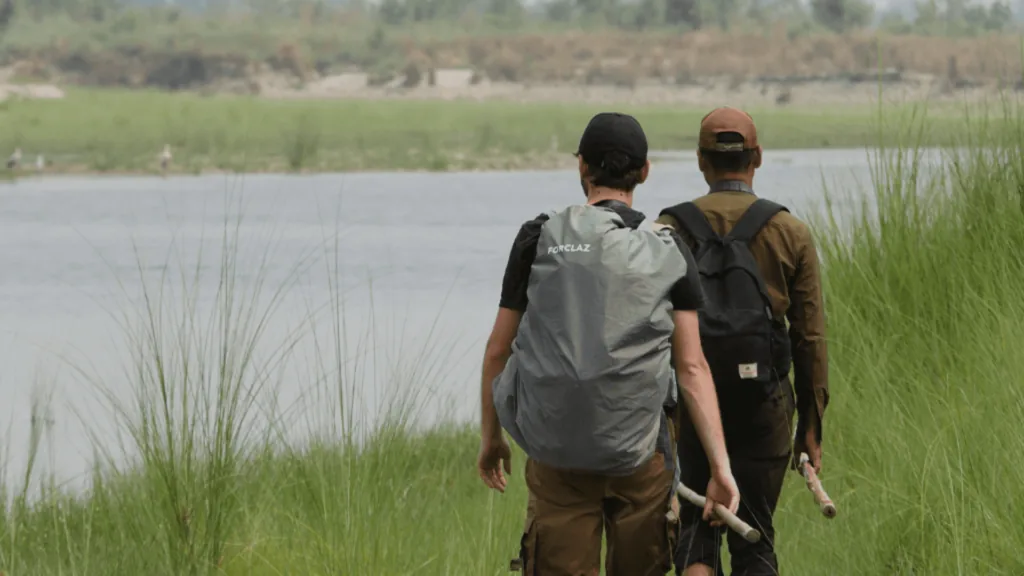
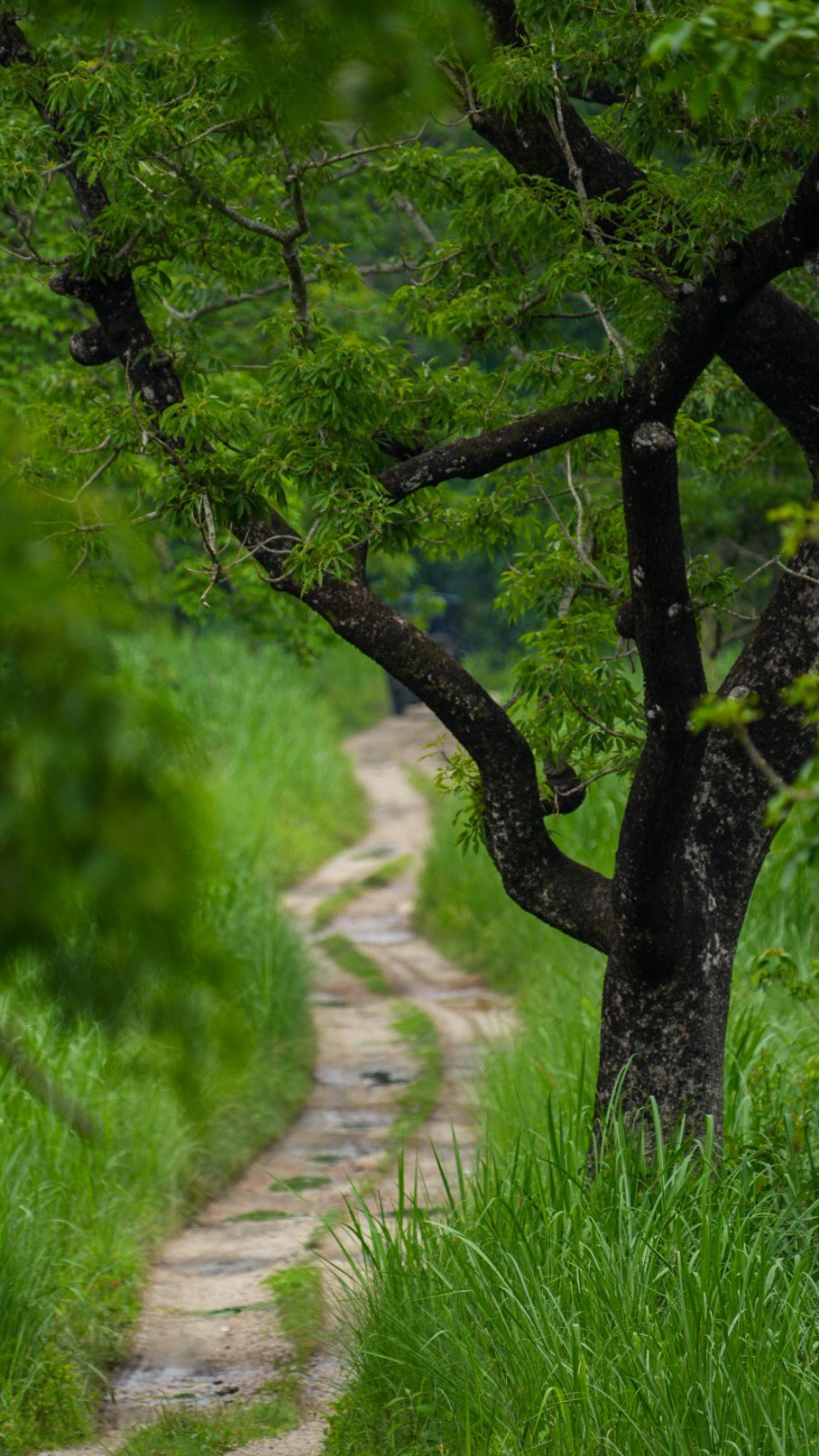
The walking safari is indisputably the most authentic, heart-pounding, and immersive wildlife experience possible in Bardia National Park. Unlike a vehicle safari, stepping on foot into the jungle connects you directly with the raw wilderness at a deliberate, quiet pace. Accompanied by two highly trained local naturalist guides, you advance in complete silence through dense sal forests, tall elephant grass, and along riverbanks, tuning your senses to every whisper of the forest.
Throughout the hike, your guides read the jungle like an open book. They spot and interpret subtle environmental clues, reconstructing events that took place just minutes or hours earlier. Crucial signs tracked on foot include:
- Fresh pugmarks (tiger paw prints) in sand and mud
- Animal territorial droppings and scent marks
- Fresh tiger claw scratches etched high on sal tree trunks
- Piercing alarm calls of spotted deer, langurs, and sambar alerting the jungle to a predator's approach
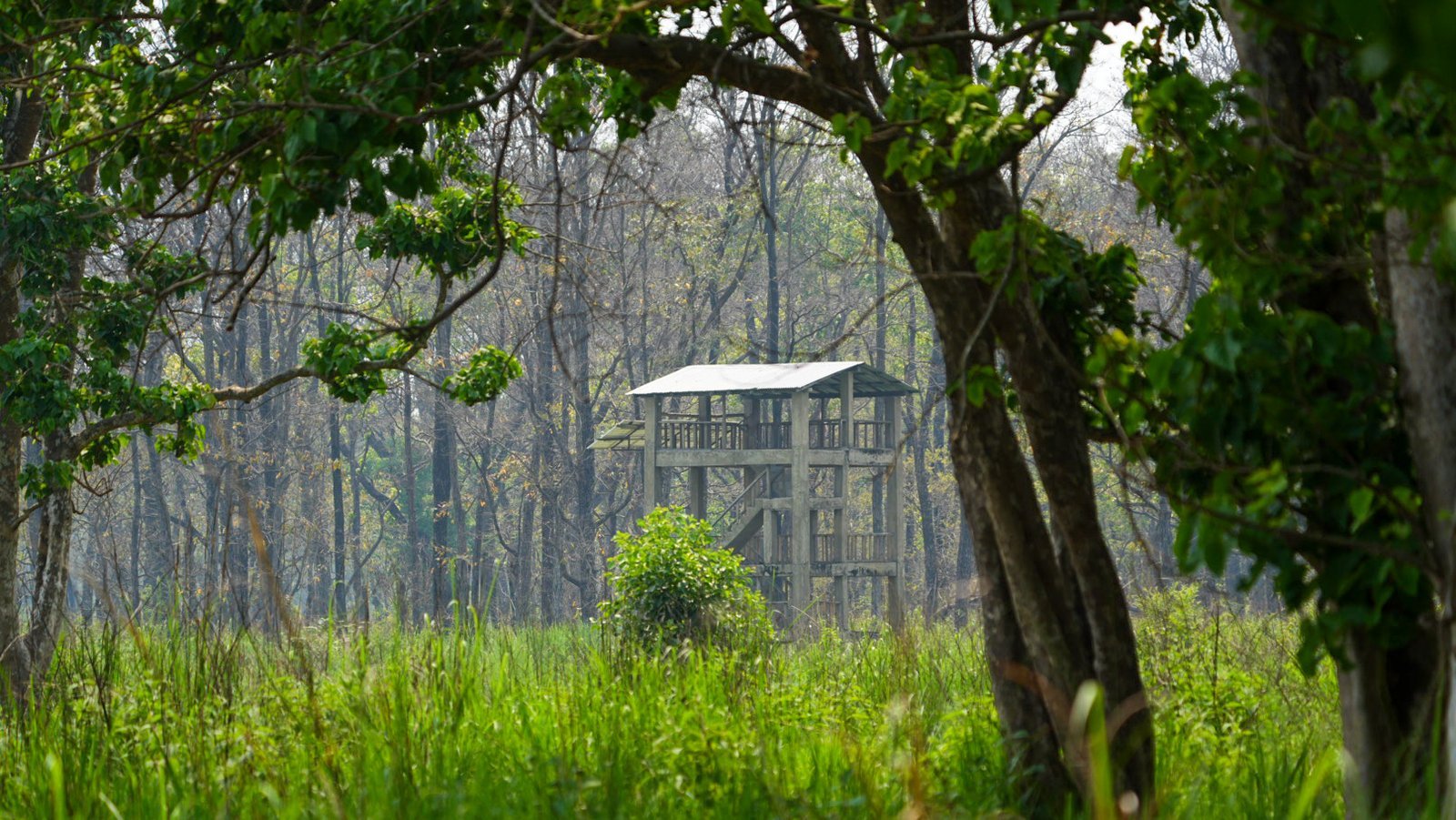
Walking safaris also involve strategic waits in concealed observation blinds (machans) overlooking riverbanks and watering holes. Walking the trails delivers an adrenaline rush and deep connection to the wild Terai that motorized safaris simply cannot match.
Jeep Safari (Open-top 4x4)
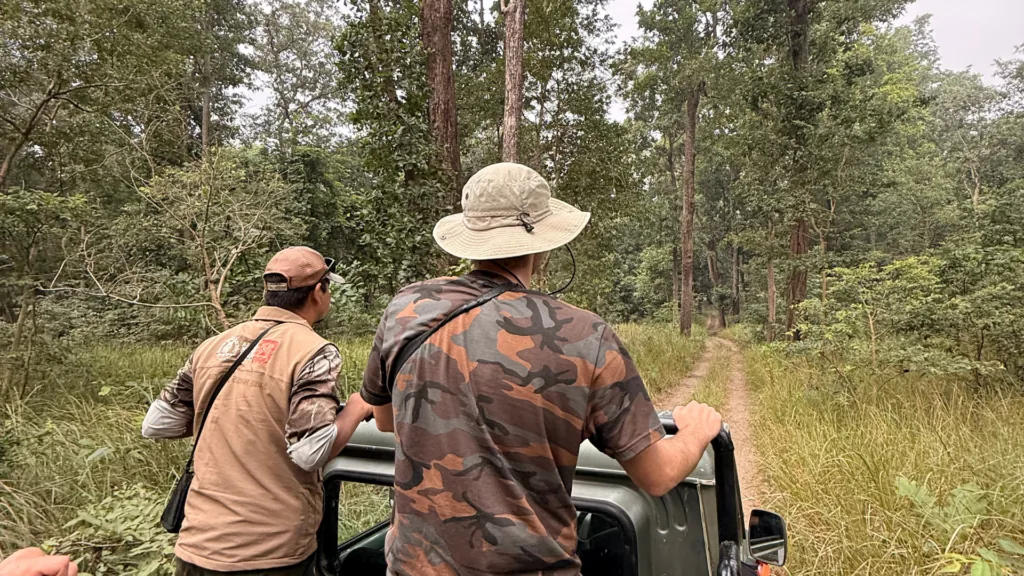
An open-top 4x4 jeep safari is one of the most efficient ways to cover vast expanses of Bardia National Park. Sturdy off-road vehicles allow you to travel deep into remote sectors and discover varied habitats across a single day, from ancient sal forest interiors to boundless open river plains.
Accompanied by an experienced naturalist guide and a skilled native driver, a jeep safari grants access to secluded jungle territories that would be unreachable on foot within daylight hours. This approach is particularly effective for spotting large mammals that roam across vast home ranges. Guides continuously leverage radio communication, fresh tracks, and animal behavior patterns to maximize your sightings.
A jeep safari is particularly recommended for:
- Locating wide-ranging large mammals across vast territories
- Traversing expansive grassland savannas with broad vantage points
- Reaching distant river confluences and remote park sectors
The elevated seating in an open safari jeep offers unobstructed panoramic visibility for photography. Combining full-day walking safaris with full-day jeep drives is widely acknowledged as the single most effective strategy to maximize sightings of Bengal tigers, rhinos, and wild elephants.
River Safari (Rafting & Boat Excursion)
Scenic river boat and drift rafting excursions operate along the Karnali and Babai riverways that carve through Bardia National Park. Floating silently downriver offers an entirely distinct perspective on the park's landscapes and unveils the abundant fauna that congregates along the water's edge.
River safaris provide prime opportunities to observe:
- Marsh mugger crocodiles and critically endangered fish-eating gharials sunning on sandbanks
- Abundant waterbirds, kingfishers, and osprey diving for fish
- Rare freshwater Ganges river dolphins surfacing in deep pools
Drifting downstream in peaceful silence contrasts wonderfully with terrestrial safaris. It is a relaxing, mesmerizing experience that enriches your understanding of Bardia's intricate riverine ecosystem.

Exploring the Wildest Corners of Nepal
At Jungle Nepal Adventure, our safaris are crafted from the ground up to deliver authentic, deeply immersive wildlife expeditions.
Intimate private groups, native naturalist master trackers, and dedicated exploration on foot… our mission is to provide an unforgettable, authentic encounter with wild nature, far removed from mass tourism.
🇳🇵 Book Your Bardia Wildlife Adventure with Jungle Nepal Adventure
As native local safari specialists, we design 100% ethical, tailor-made private wildlife journeys.
- 👉 Bardia Explorer (5 Days): From €450 / person. Mixed safari (Jeep + Walking on foot).
- 👉 Extreme Jungle Wildlife (7 Days): From €650 / person. 100% dedicated to tracking wild tigers.
- 👉 Photography Safari (Tailor-made): Quote on request. Dedicated hides/blinds and senior specialist guide.
Where to Stay in Bardia
Most lodges and guest houses are clustered around the peaceful village of Thakurdwara, conveniently located right outside the park's primary entrance gate.
Travelers can choose between several distinct accommodation categories:
Community Homestays
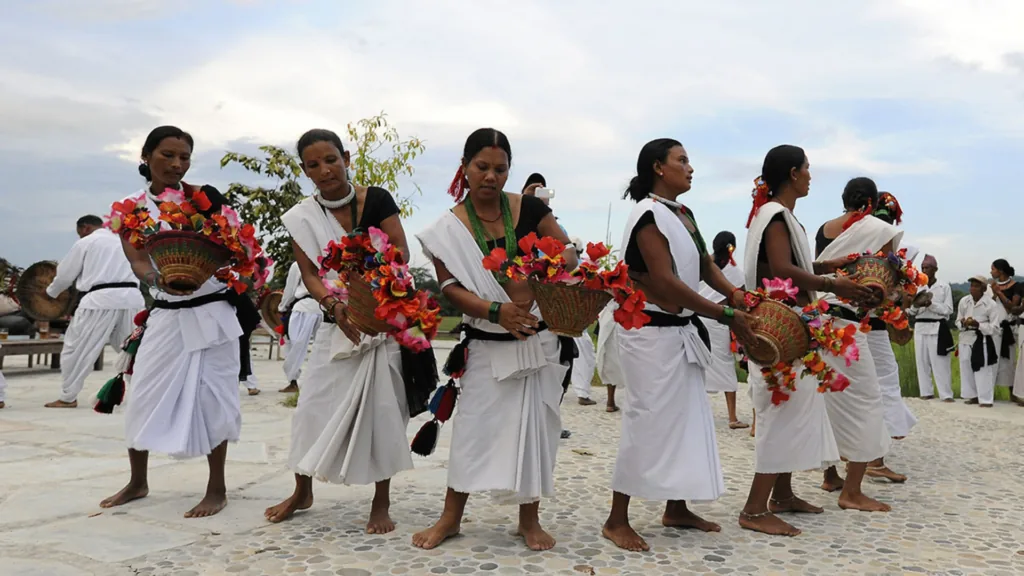
Homestays allow visitors to stay with local families in traditional mud-and-thatch Tharu homes.
Key benefits:
- Warm, direct immersion into indigenous Tharu culture and village life
- Very affordable budget-friendly rates
- Rich cultural exchanges and home-cooked organic local meals
Safari Lodges & Eco-Resorts
Safari lodges represent the most popular accommodation choice for travelers visiting Bardia.
They typically feature comfortable private cottages or rooms equipped with en-suite bathrooms, hot water showers, and optional air conditioning. Full-board meal packages are standard, and reputable lodges employ experienced native naturalist guides to coordinate and lead all safari activities.
Treehouses & Nature Canopy Hides
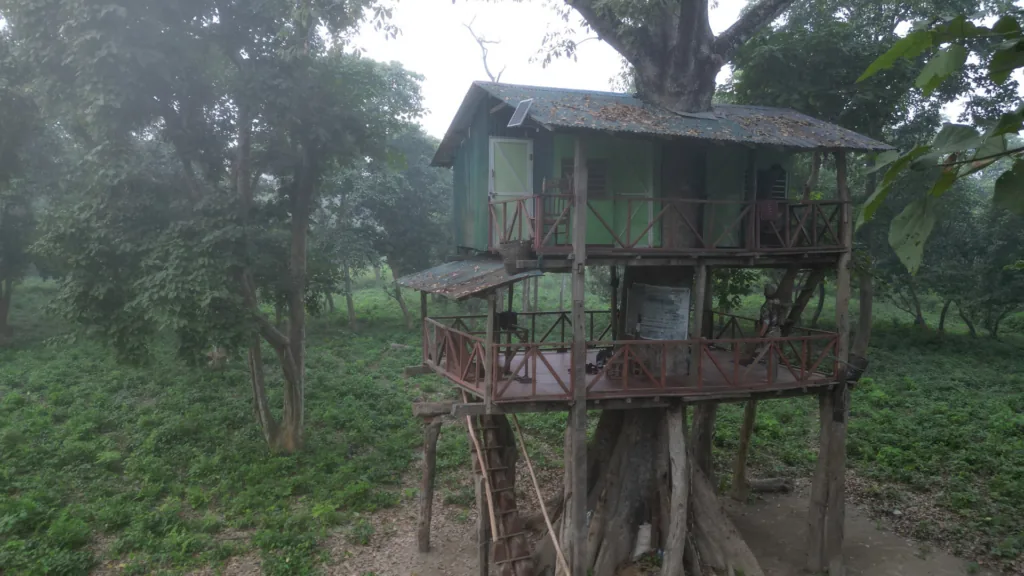
For an even more authentic encounter, select eco-lodges around Bardia National Park offer unique experiential stays in wooden treehouses, elevated jungle platforms, or secluded wilderness outposts. Built harmoniously into the natural canopy, these accommodations let you experience the nocturnal sounds of the jungle up close, with front-row vistas across riverbeds and open meadows.
Staying in an elevated hide or treehouse offers unmatched immersion into the wild, occasionally providing opportunities to observe nocturnal wildlife right outside your window.
Best Time of Year to Visit Bardia
Bardia National Park is located in the subtropical Terai lowlands, featuring a distinct seasonal climate. Wildlife viewing conditions and landscapes shift noticeably across the calendar year. While certain months offer mild, pleasant weather for walking safaris, other seasons offer higher temperatures alongside peak tiger sighting probabilities.
October – February (Pleasant Autumn & Winter)
- Mild and comfortable daytime temperatures (20°C to 25°C) with cool, crisp evenings
- Lush green post-monsoon jungle landscapes and clear blue skies
- Arrival of thousands of migratory winter birds along the Karnali and Babai river systems
- Tall grass following the monsoon gradually recedes as park rangers cut elephant grass in January/February, improving visibility
March – May (Peak Tiger Sighting Season)
- High temperatures (often reaching 35°C to 40°C in April and May)
- Drying jungle conditions force animals to concentrate around dwindling permanent waterholes and riverbanks
- Vastly reduced foliage and short grass dramatically improve visibility into the bush
- The absolute best season for spotting Royal Bengal tigers and Asian elephants cooling off in the rivers
How to Get to Bardia National Park
By Domestic Flight (Recommended)
Daily domestic flights connect Kathmandu (Tribhuvan Domestic Airport) to Nepalgunj (KEP) operated by airlines such as Buddha Air and Yeti Airlines.
Flight duration: approximately 50 minutes.
Upon arrival at Nepalgunj Airport, a private jeep or car transfer takes approximately 2 to 2.5 hours along the East-West Highway to reach Thakurdwara village at the park's gateway.
By Overland Bus (Budget Option)
Long-distance deluxe or night tourist buses depart Kathmandu for western destinations, dropping passengers at the Ambasa junction on the main highway.
Journey duration: approximately 14 to 16 hours over winding and bumpy roads.
From the Ambasa checkpoint, a local jeep or auto-rickshaw takes about 30 minutes (13 km) to reach Thakurdwara.
Bardia vs Chitwan: Which Park Should You Choose?
Nepal's two premier protected areas for wild safari adventures are Chitwan National Park and Bardia National Park. While both conserve subtropical riverine jungles, vast grasslands, and rich wildlife, the travel and safari experiences they offer are strikingly different.
Chitwan National Park is by far the most accessible and heavily visited. Located just a 5-hour drive from Kathmandu or Pokhara (or a 25-minute flight to Bharatpur), it welcomes hundreds of thousands of travelers annually. Tourism infrastructure in Sauraha is highly developed, with numerous resorts, restaurants, and operators. Chitwan is historically renowned as the premier sanctuary for spotting the greater one-horned rhinoceros, with sightings virtually guaranteed during a standard safari.
Bardia National Park, tucked away in remote western Nepal, offers an infinitely wilder, quieter, and more raw immersion. Receiving only a fraction of Chitwan's visitor numbers, Bardia allows you to explore the bush without convoys of other jeeps. Crucially, Bardia is world-famous for its unrestricted, deeply thrilling walking safaris on foot led by licensed master trackers.
Bardia is today widely acclaimed as the single best sanctuary in Nepal—and one of the finest in all of Asia—to encounter the wild Royal Bengal tiger on foot or by jeep. For nature lovers, photographers, and adventurers seeking authenticity over convenience, Bardia is unmatched.
Practical Tips for a Successful Safari
To truly make the most of your adventure in Bardia National Park, planning several days on the ground is essential. Wild animal movements are inherently unpredictable, and dedicating at least three to four full days in the field significantly increases your odds of encountering apex predators like Bengal tigers, wild bull elephants, and greater one-horned rhinos.
Securing certified, experienced native naturalist guides is the single most critical factor for success. Local guides grew up alongside these forests, possessing an intimate understanding of the terrain, animal psychology, alarm vocalizations, and fresh pugmarks. Beyond maximizing your wildlife sightings, their strict adherence to safety protocols ensures complete security during walking safaris inside predator territory.
During all jungle outings, dress in quiet, earth-toned clothing—neutral greens, khakis, browns, and muted greys—to blend seamlessly into the bush. Avoid bright colors, white clothing, and synthetic fabrics that rustle loudly. Utmost silence and unwavering patience are paramount: in the dense jungle, predators are usually pinpointed first by alarm calls, slight foliage tremors, or fresh prints rather than direct eyesight.
Finally, make sure to bring a quality pair of binoculars (8x42 or 10x42) and, for photography enthusiasts, a telephoto lens (at least 300mm to 600mm) with spare batteries and memory cards. A successful safari is never just about luck—it rewards attentiveness, respect for nature, and the capacity to immerse yourself wholeheartedly in the raw rhythms of the Terai.

Wildlife Conservation & Protection
Bardia National Park plays an indispensable role in safeguarding biodiversity across Nepal and the broader Terai Arc Landscape. Over recent decades, rigorous joint conservation programs between Nepal's Department of National Parks, the Nepal Army, WWF, and local communities have restored critical ecosystems and secured the survival of endangered species like the Royal Bengal tiger and greater one-horned rhino. Thanks to these steadfast measures, Bardia has emerged as a global model for wildlife recovery, successfully meeting the TX2 global target to double wild tiger numbers.
Wildlife protection hinges on multifaceted, proactive initiatives: constant anti-poaching foot patrols by Nepal Army rangers, smart-monitoring technology, community-based anti-poaching units (CBAPUs), and the establishment of biological transboundary corridors connecting Bardia with India's Katarniaghat Wildlife Sanctuary. Local indigenous communities are central to this conservation success: by co-managing surrounding buffer zones and benefiting directly from ecotourism revenues, local residents have transformed from potential poachers into fierce wildlife guardians.
Sustainable, ethical ecotourism is a vital pillar of conservation in Bardia. By visiting the park with certified local guides, staying at locally owned lodges, and respecting park regulations, your travel dollars directly fund anti-poaching operations, healthcare, schools, and community conservation projects across the Terai.
Track Wild Bengal Tigers on Foot in Bardia (50€)
Already in Nepal or traveling to the western lowlands? Join our senior native master trackers for an unforgettable full-day walking safari in Bardia National Park. Jungle bush lunch included.
FAQ: Frequently Asked Questions About Bardia Safaris
What are the real chances of seeing a wild Bengal tiger in Bardia?
Bardia offers the highest tiger sighting success rates anywhere in Nepal. By spending at least 3 to 4 full safari days in the field (combining walking safaris and patient hide watches near river confluences, particularly during spring), your chances of spotting a wild Bengal tiger range between 65% and 80%. Remember that these are free-roaming wild predators: silence, patience, and expert native trackers are your greatest assets.
How long should I spend in Bardia National Park?
We recommend a strict minimum of 4 days / 3 nights on site to justify the travel distance. For passionate wildlife enthusiasts and photographers, 5 to 7 days is ideal. This allows you to explore multiple park sectors, mix walking, jeep, and river safaris, and dramatically increase your likelihood of seeing the "Big Three" of the Terai (Tiger, Rhino, and Asian Elephant).
How much does a safari in Bardia cost?
Prices vary depending on your choice of accommodation and safari format. By booking directly with a native local specialist without Western middlemen like Jungle Nepal Adventure, all-inclusive 5-day packages start from €450 to €650 per person (including private safari lodge accommodation, full board meals, park permits, private jeeps, and dedicated master trackers). Round-trip domestic flights between Kathmandu and Nepalgunj generally cost between $150 and $200 USD.
How do you get to Bardia National Park from Kathmandu?
The fastest and most comfortable route is taking a domestic flight from Kathmandu to Nepalgunj (approx. 50 minutes), followed by a 2-hour private car or jeep transfer to Thakurdwara village at the park gate. Budget overland tourist night buses also connect Kathmandu to the Ambasa highway junction (approx. 14–16 hours), followed by a 30-minute local taxi ride to the park entrance.
Conclusion
Bardia National Park is without doubt one of the most enthralling wilderness destinations in Asia for authentic wildlife safaris.
Far wilder than Chitwan, deeply peaceful, and genuinely untamed, it offers an incomparable adventure for dedicated naturalists, wildlife photographers, and thrill-seekers alike.
Whether you dream of tracking a Royal Bengal tiger on foot, marveling at armored rhinos along jungle rivers, or simply immersing yourself in a pristine subtropical ecosystem, Bardia fully deserves its crown as Nepal's ultimate safari paradise.
Trust our local team to design your custom itinerary, combining raw jungle immersion with seamless logistical support. Explore our complete expedition catalog on junglenepal.com and contact our safari team today. Your wild Himalayan lowland adventure awaits!
Bardia is also Asia's premier destination for nature photographers. Explore our recommendations for a photo safari in Bardia National Park.