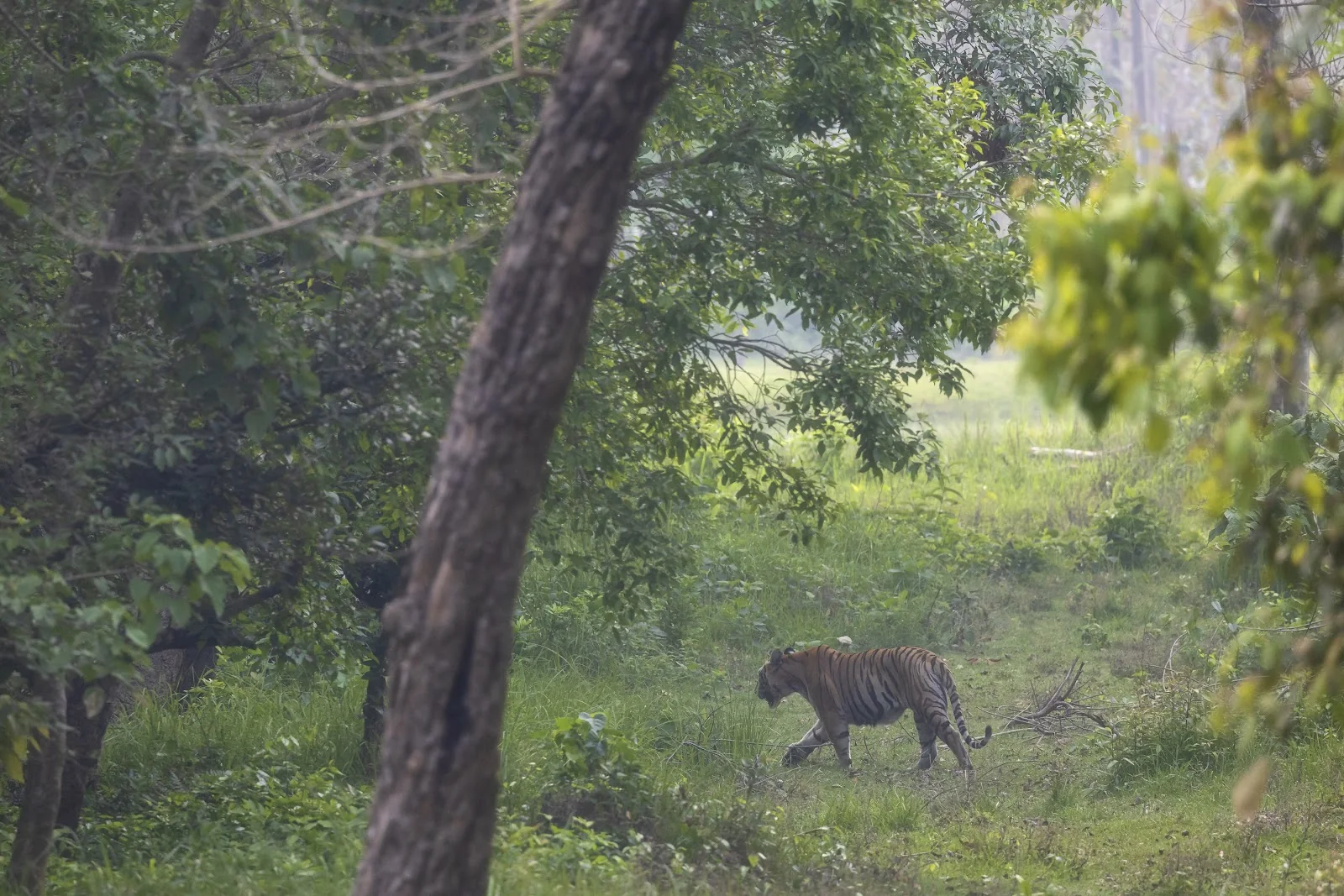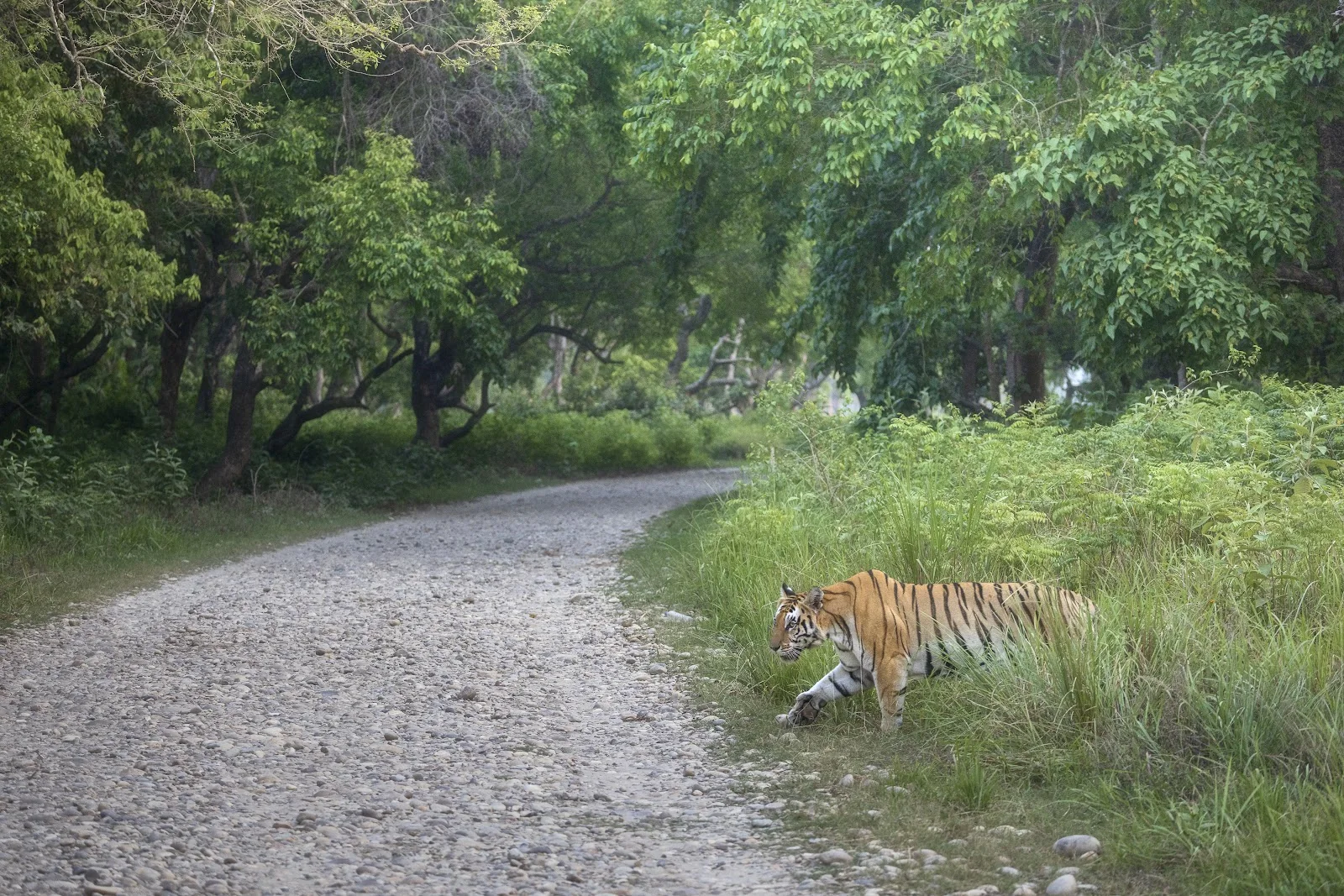

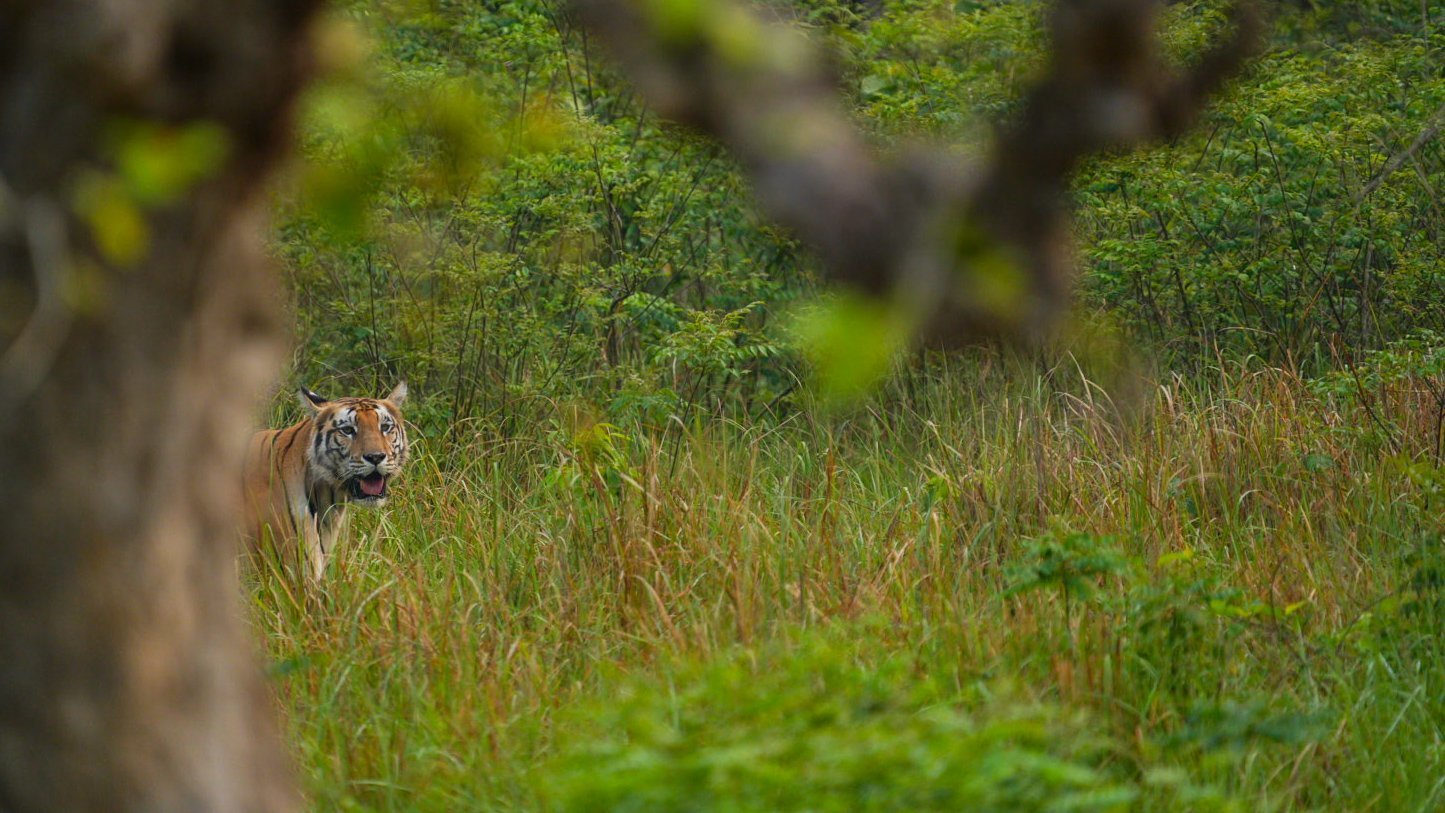
Nepal is renowned worldwide for its soaring Himalayan peaks, but its southern lowlands, the Terai, harbor some of the richest biodiversity in all of Asia. Historically, exploring this lush subtropical jungle often occurred in ways that compromised animal welfare. Today, a new era has begun: that of the ethical wildlife safari in Nepal. Tourist elephant rides are a thing of the past. The focus is now firmly on responsible wildlife watching, prioritizing open-top 4x4 jeeps and foot safaris for complete, respectful immersion in nature.
What Is an Ethical Wildlife Safari in Nepal?
An ethical safari, or responsible wildlife tourism, is built upon a straightforward foundation: observing wildlife in their natural habitat must never cause distress, behavioral alteration, or suffering. In Nepal, this translates first and foremost into the definitive rejection of elephant-back rides—an outdated and harmful practice.
Rather than confining wild animals to captivity for human entertainment, an ethical safari prioritizes unobtrusive exploration of protected reserves. This ethos is strongly advocated by leading global conservation organizations such as the World Wildlife Fund (WWF), which works tirelessly to preserve the Terai Arc Landscape and safeguard endangered Bengal tigers and greater one-horned rhinos.
Why You Should Say No to Elephant Rides
The Asian elephant is a sentient being gifted with profound emotional sensitivity and extraordinary intelligence. The traditional training and subjugation process (often known as phajaan) involves breaking the young elephant’s spirit through isolation and physical coercion. Furthermore, an elephant’s spine is anatomically unsuited to carrying the crushing burden of a heavy saddle (the howdah) laden with multiple tourists for hours on end.
As a conscious traveler, refusing this activity is the single most impactful decision you can make. By choosing responsible local outfitters like Jungle Nepal Adventure, you directly fund sustainable alternatives and demonstrate that living wildlife preservation is far more valuable than animal exploitation.
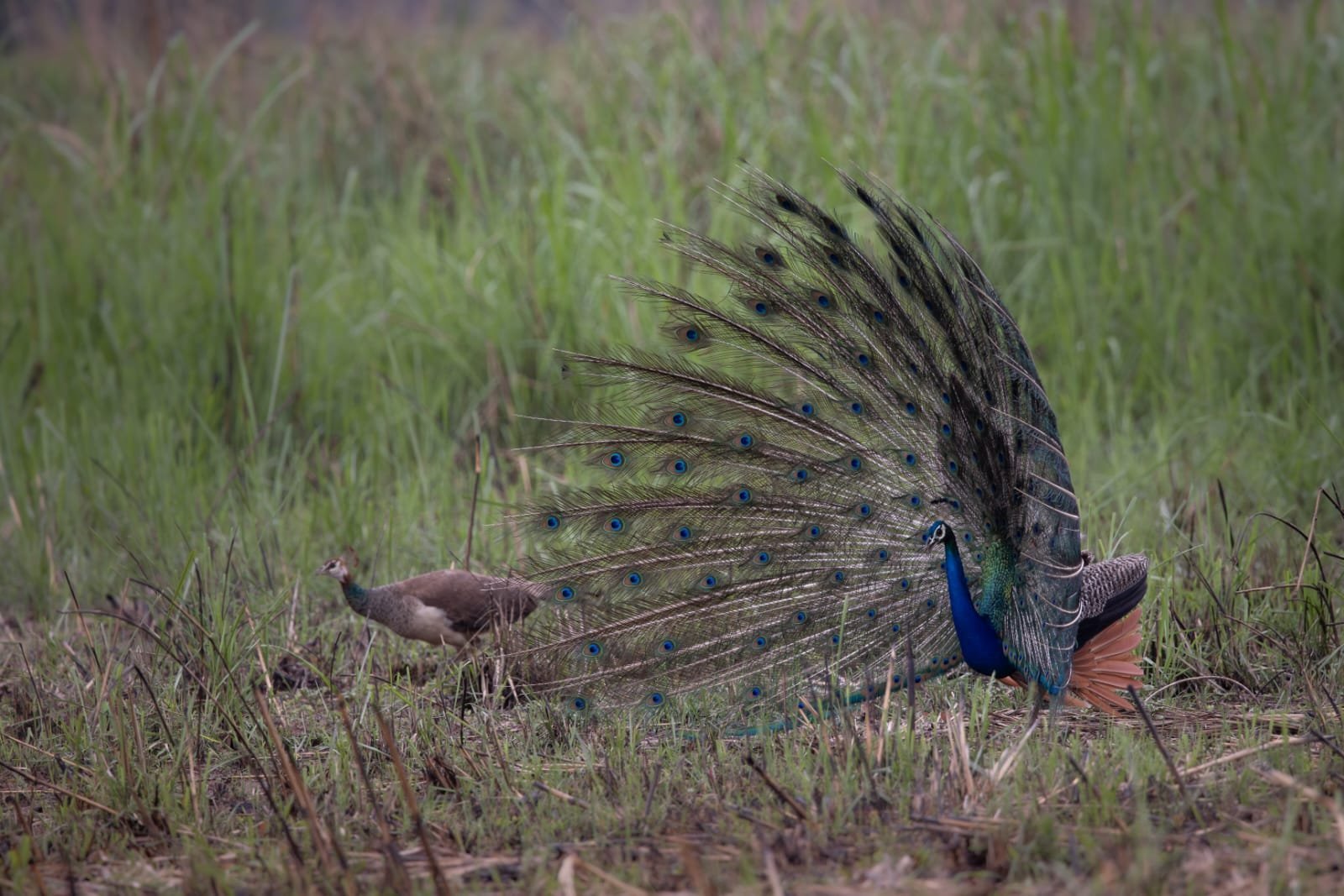
Jeep Safaris: Exploring Vast Wilderness Territories
If riding elephants is no longer an option, how should you explore Nepal’s thick subtropical jungles? The open-top 4×4 jeep safari stands as the gold standard. This approach delivers compelling advantages for both travelers and native wildlife.
A Far Less Intrusive Approach
Paradoxically, wild animals adapt far more readily to the steady, predictable hum of a vehicle engine than to irregular human footsteps. Aboard a 4×4, you maintain an optimal safety buffer. If you check our comprehensive wildlife guide on what animals you can see on a Nepal safari, you will realize that leopards, sloth bears, and herds of spotted deer are far more inclined to continue their natural behaviors when observed from a respectful distance inside a vehicle.
Ideal for Expansive National Parks
A safari jeep allows you to cover expansive distances, mathematically multiplying your chances of encountering elusive apex predators. This is particularly valuable when visiting Chitwan National Park, where well-maintained forest tracks allow deep access into dense sal forests, or when exploring the remote reaches of the Karnali floodplain when deciding where to see wild Bengal tigers in Nepal.
🐘 Experience a Wildlife-Friendly Safari
Jungle Nepal Adventure prioritizes walking and jeep safaris—strictly without captive elephants, accompanied by certified senior naturalists.
Walking Safaris: The Ultimate Jungle Immersion on Foot
Nepal is one of the extraordinarily rare places on Earth where conservation authorities (notably the Nepal Tourism Board and the Department of National Parks) officially authorize exploring wild tiger and rhino territory… on foot! This is known as a walking safari or jungle trek, and it represents the very pinnacle of ethical wildlife tourism in Nepal.
An Unrivaled Sensory Encounter
Step down from the jeep. Feel the damp jungle earth beneath your trekking boots. Listen to the rustling foliage, the sudden high-pitched alarm chatter of a langur monkey from the high canopy. A walking safari is not about checking animal names off a list; it is about absorbing the ecosystem in its raw, living complexity.
Led by indigenous naturalist guides—frequently native Tharu trackers whose ancestral knowledge of these forests spans generations—you learn to read the jungle like an open book. You inspect fresh pugmarks pressed into the river silt, identify territorial claw marks gouged into tree trunks, and walk silently into the wind so your scent never alerts keen-nosed megafauna.
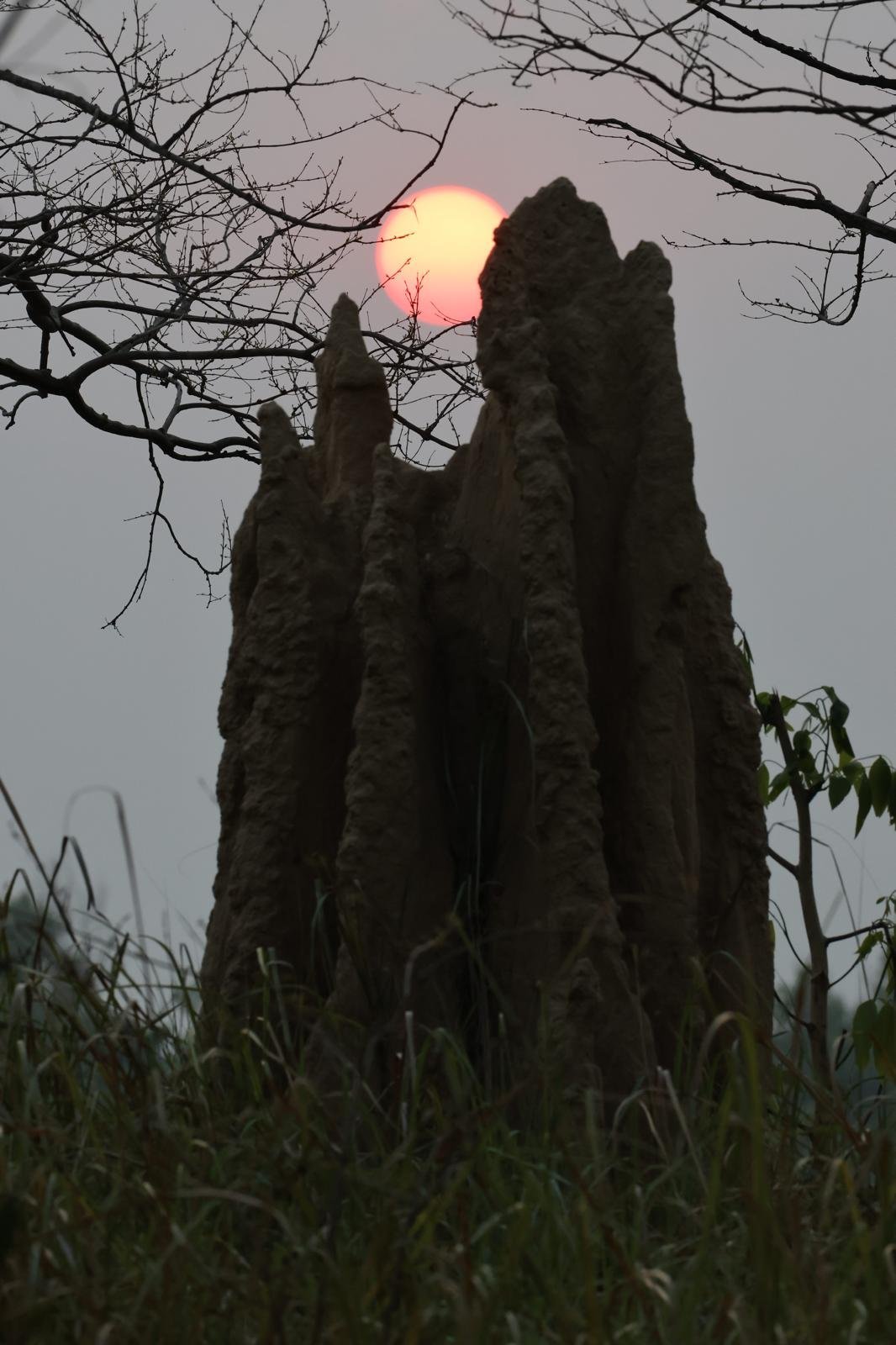
Bardia: The Sanctuary of Walking Safaris
While jungle trekking is available in Chitwan, the experience reaches an entirely different level in western Nepal. As outlined in our complete guide to Bardia National Park, this quieter, untamed sanctuary is the ultimate destination for walking safaris. Guides utilize natural hideouts and ambush points, waiting silently near natural watering holes or sandbanks along the Karnali River to observe animals coming to drink—delivering a rush of pure authenticity without disrupting wildlife routines.
Track Wild Bengal Tigers on Foot in Bardia (50€)
Already in Nepal or traveling to the western lowlands? Join our senior native master trackers for an unforgettable full-day walking safari in Bardia National Park. Jungle bush lunch included.
Jungle Nepal Adventure’s Core Commitments
Choosing the right safari operator is the foundation of responsible wildlife travel. At Jungle Nepal Adventure, our ethos is uncompromised: human wonder must never come at the expense of an animal’s freedom or well-being.
We are dedicated every single day to:
- Strictly refusing any activity involving captive elephants (no elephant rides, no forced tourist bathing sessions).
- Employing exclusively local, experienced naturalist guides, guaranteeing direct, fair wages to communities bordering national parks.
- Strictly respecting ethical approach distances and silence protocols during all jeep drives and walking tracks.
- Limiting group sizes strictly to ensure maximum discretion, heightened safety, and minimal environmental footprint.
Conclusion: A Journey of Purpose and Respect
Wildlife safaris in Nepal have evolved. They have grown more conscious, more respectful, and as a result, infinitely more moving. Encountering a one-horned rhino emerging from the morning mist, or locking eyes with a wild Bengal tiger from an open jeep or during a silent foot track, is an extraordinary privilege. That privilege carries with it the sacred duty to safeguard these endangered treasures for generations to come.
Ready for the adventure of a lifetime that honors and protects the wild? Contact the Jungle Nepal Adventure team today to design your customized, ethical Nepal safari, and let’s explore the untamed jungle together responsibly and unforgettably!
🌿 Choose a Safari That Protects Wildlife
Our safaris in Bardia and Chitwan are designed with total respect for wild animals. No captive creatures—just pure, uncompromised observation.
Recommended Bardia Experiences
Join our certified naturalists on a Bardia Walking Tiger Safari (from €50) or cover vast savannah territories in a Private 4x4 Jeep Safari (€190/vehicle).
For a complete 5-day lodge adventure: explore the Bardia Tiger Safari 5 Days (€690).