
Introduction
Nepal is world-renowned for the soaring peaks of the Himalayas, yet its tropical jungles shelter exceptional biodiversity. Across the alluvial plains of the Terai, the country's national parks offer one of the most authentic wildlife safari experiences in Asia.
Wondering what animals you can see on a safari in Nepal? This guide is for you.
Observing wild fauna in Nepal means stepping into a pristine, protected ecosystem that is home to some of the Asian continent's most iconic wildlife species.
So, which wild animals can you realistically spot on a safari in Nepal?
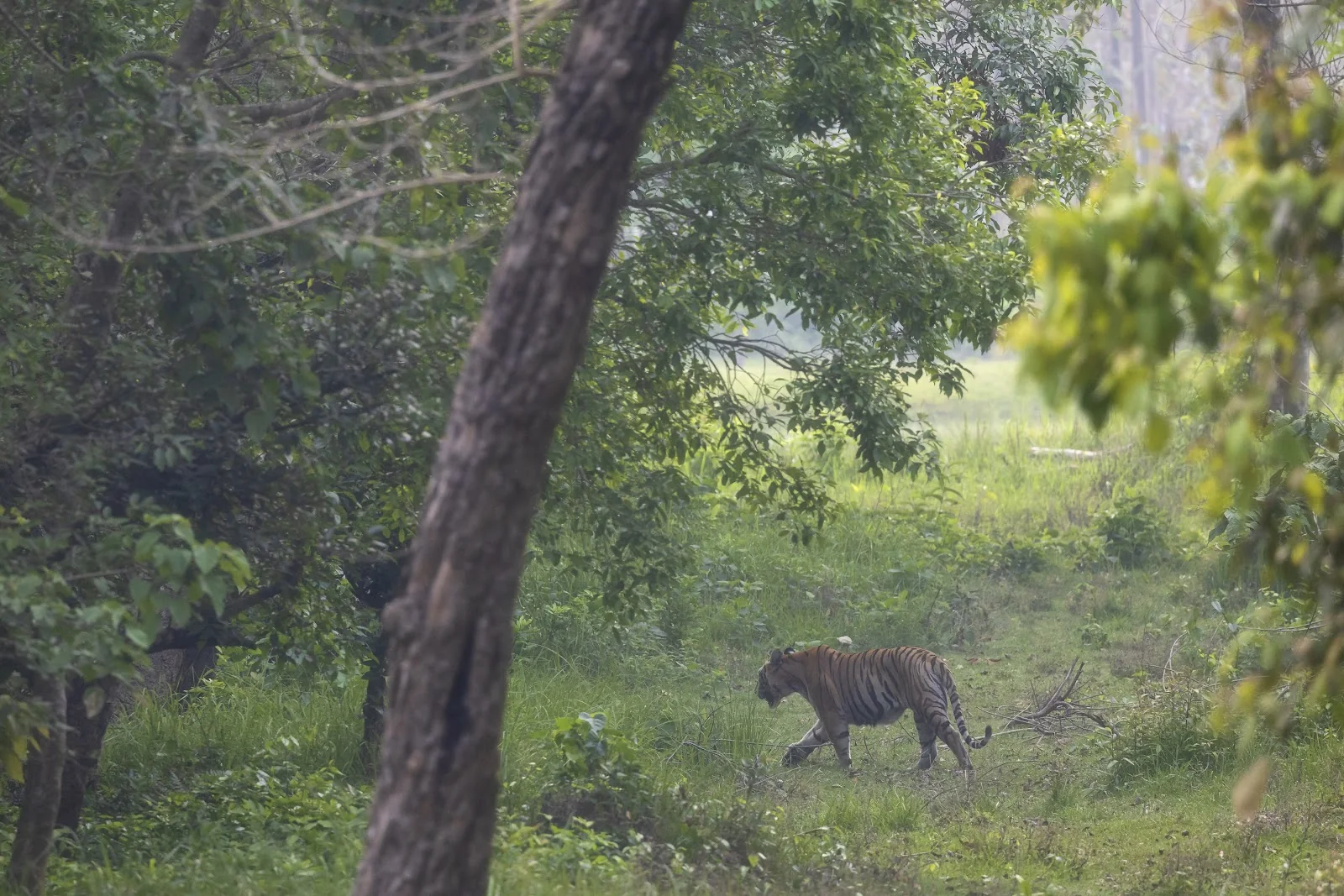
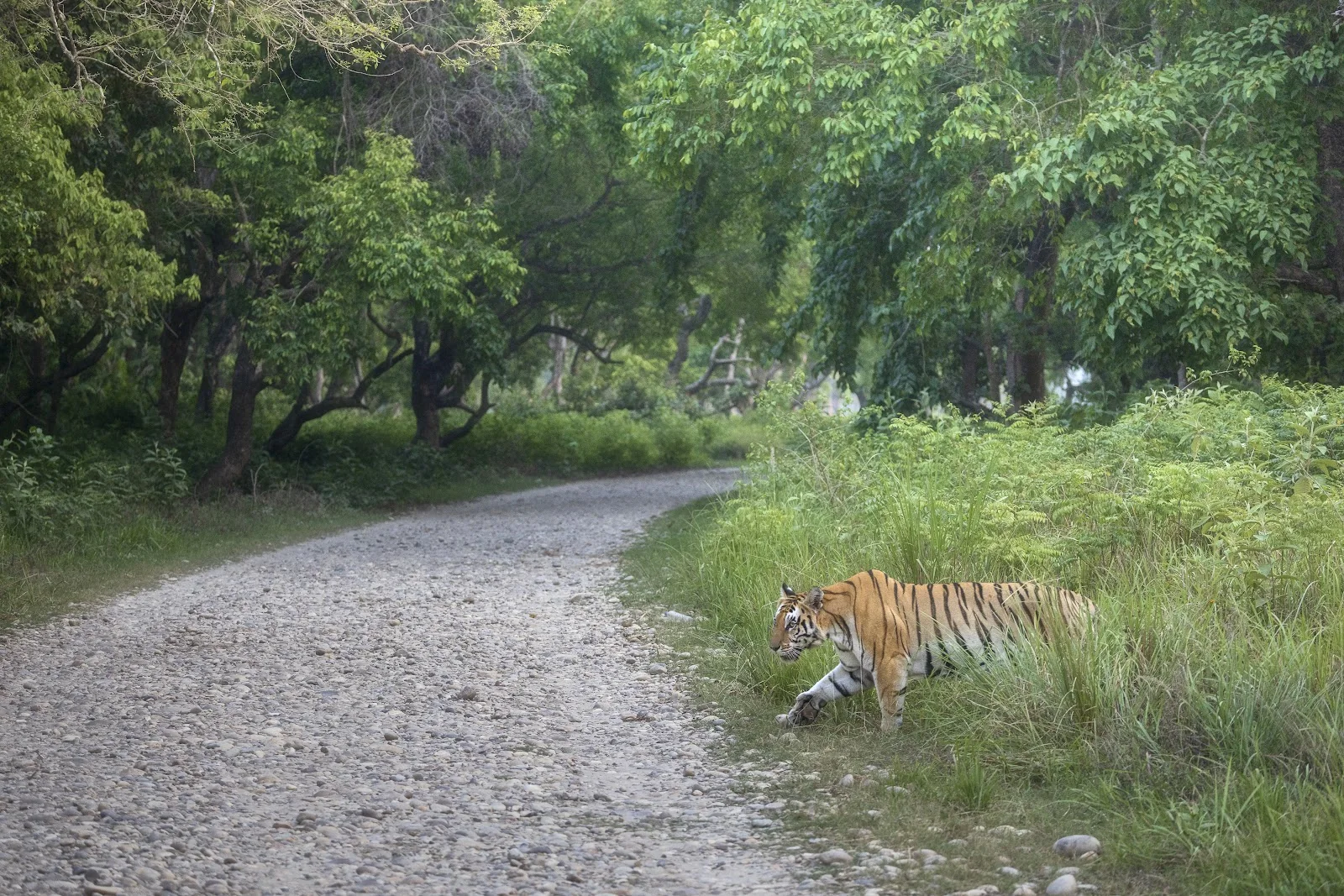
The Bengal Tiger
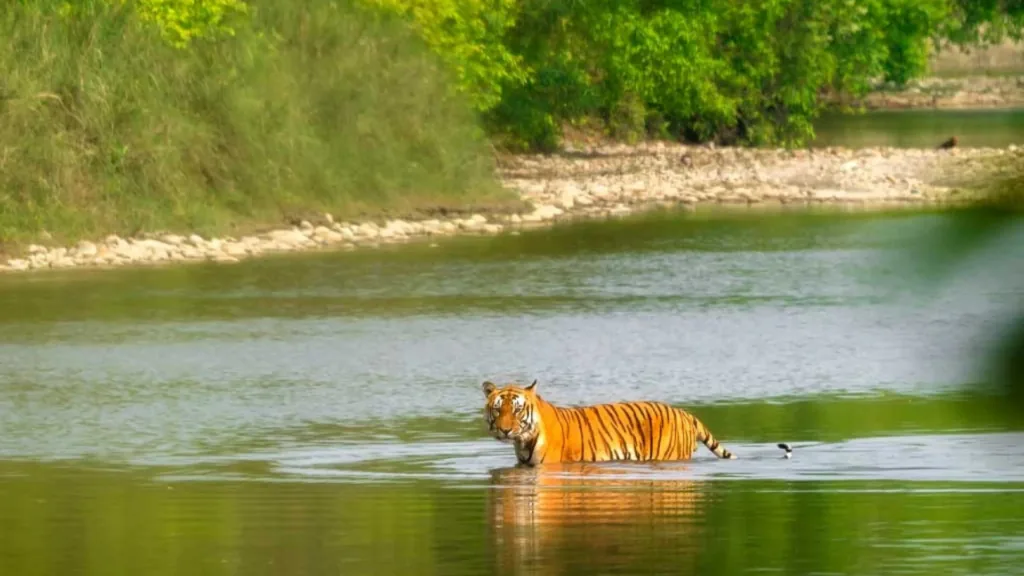
The Bengal tiger is Nepal’s most iconic apex predator. Powerful, elusive, and majestic, it embodies the wild spirit of Nepal's lowland jungles. Thanks to rigorous conservation initiatives, Nepal has nearly tripled its wild tiger population in recent years across protected reserves.
Bardia National Park is widely recognized today as one of the premier destinations in the world to track wild tigers on foot in their natural habitat.
Following fresh tracks, interpreting alarm calls ringing through the canopy, and reading pugmarks in the river sand are integral parts of the adventure.
🐅 Experience These Animals in the Wild on Safari
Tigers, rhinos, wild elephants, leopards — our expert naturalist guides bring you up close with authentic wilderness.
The Greater One-Horned Rhinoceros
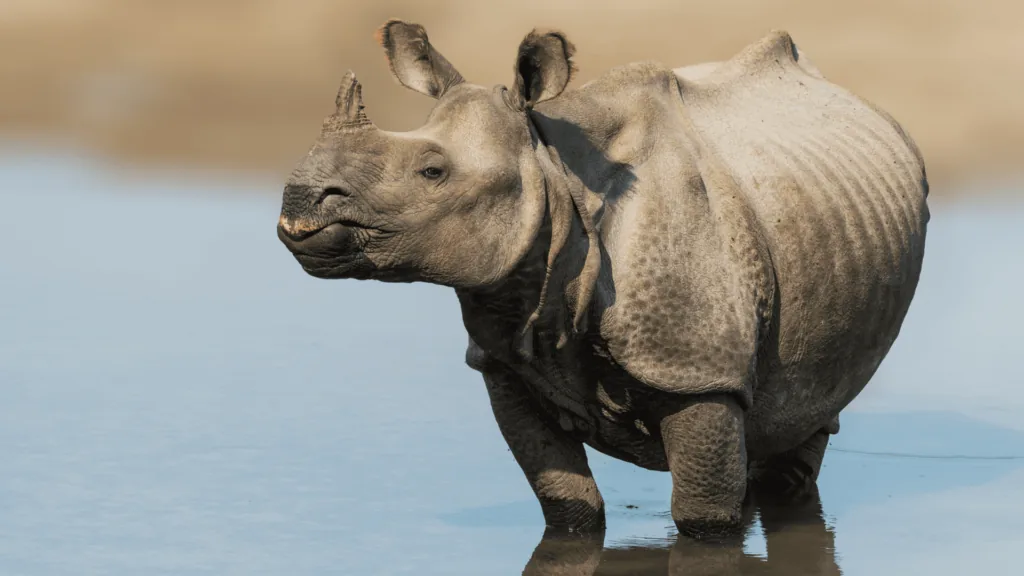
The greater one-horned rhinoceros (Rhinoceros unicornis) is one of the most magnificent prehistoric megafauna you can encounter in Nepal.
Abundantly present in Chitwan National Park, thriving populations are also well established in specific sectors of Bardia.
Massive yet predominantly tranquil, these armor-plated herbivores can be observed grazing peacefully in wetlands and along riverbanks during jeep drives, river drifts, or walking safaris.
Wild Asian Elephants
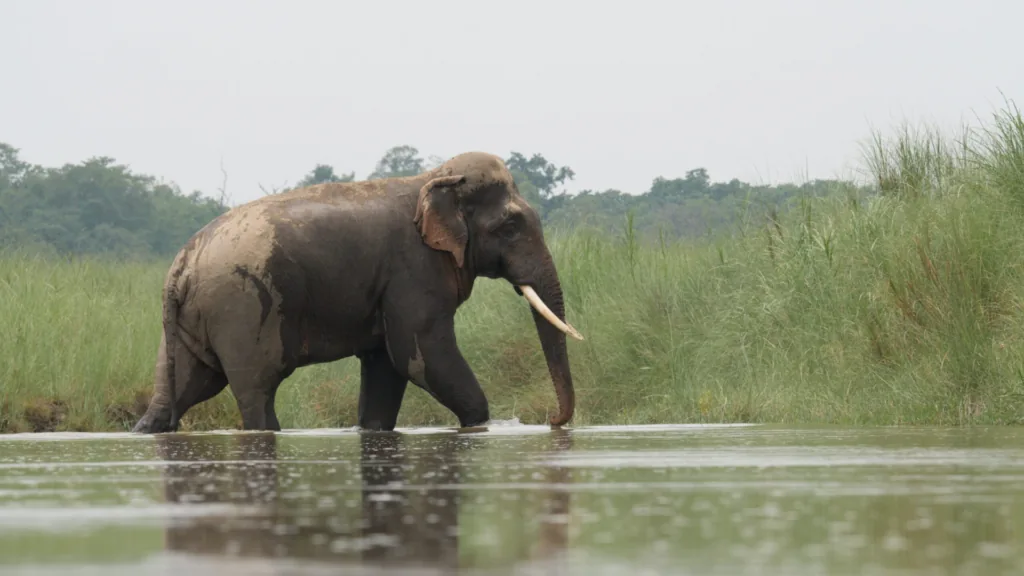
Contrary to common belief, it is entirely possible to observe free-roaming wild Asian elephants (Elephas maximus) in Nepal.
These gentle giants travel in matriarchal family herds or solitary bull wanderers across key biological corridors of the Terai, notably in the expansive sal forests of Western Nepal.
Encountering wild giants in dense primary forest is an awe-inspiring, deeply humbling experience.
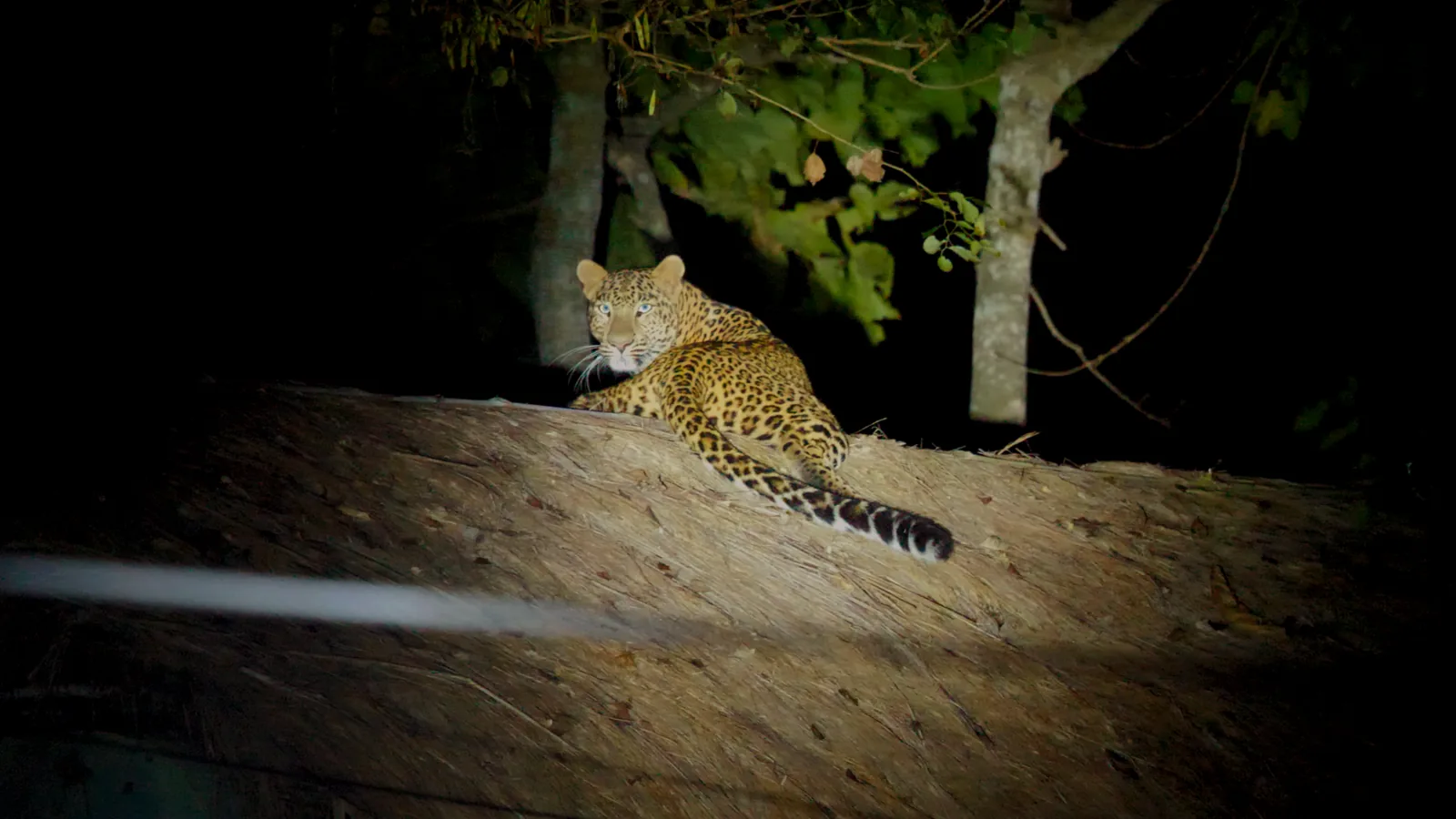
Indian Leopards
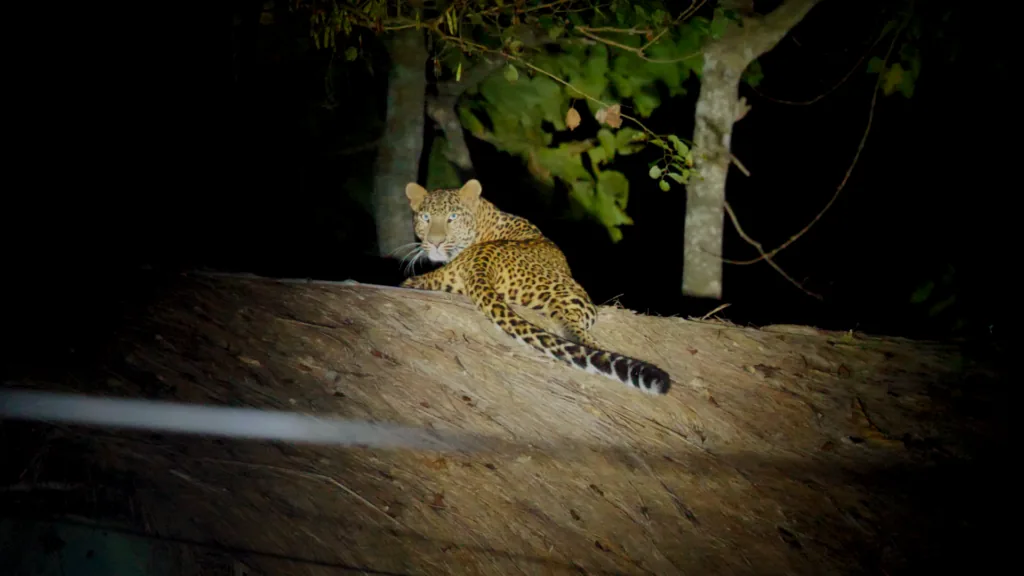
Even more secretive than tigers, Indian leopards (Panthera pardus fusca) thrive across multiple protected reserves in Nepal.
They are substantially more elusive to spot, favoring nocturnal movement and deftly navigating dense canopy branches and thick brush to avoid apex tiger competition.
Deer and Herbivores
The jungles of Nepal support thriving populations of ungulates and large herbivores:
- Spotted deer (Chital / Axis deer)
- Sambar deer (the largest Asian deer)
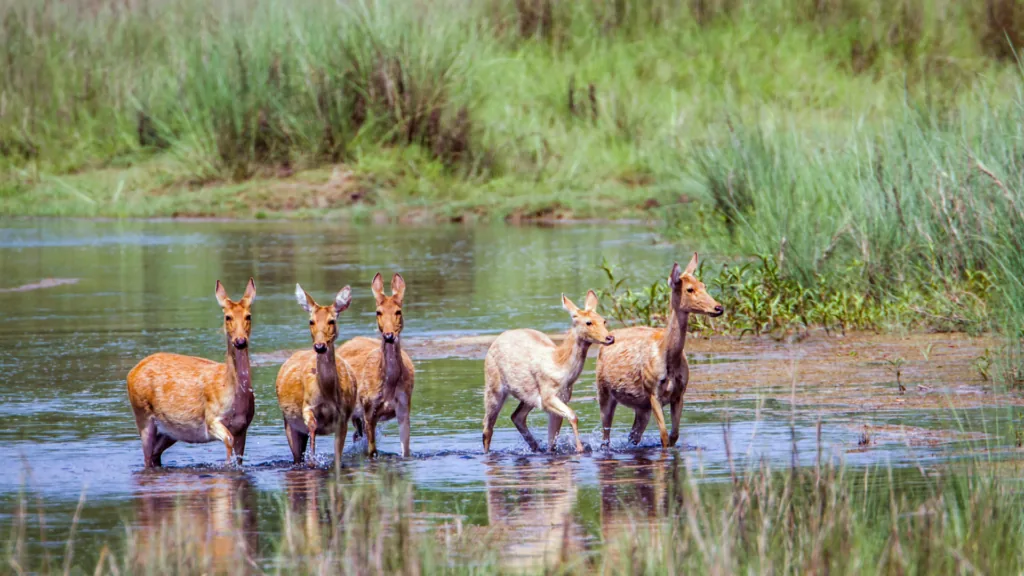
- Barasingha (Swamp deer)
- Nilgai (Blue bull antelope)
These grazers are regularly spotted during safaris and form the indispensable primary prey base supporting predators like tigers and leopards.
Avian Life and Birdwatching
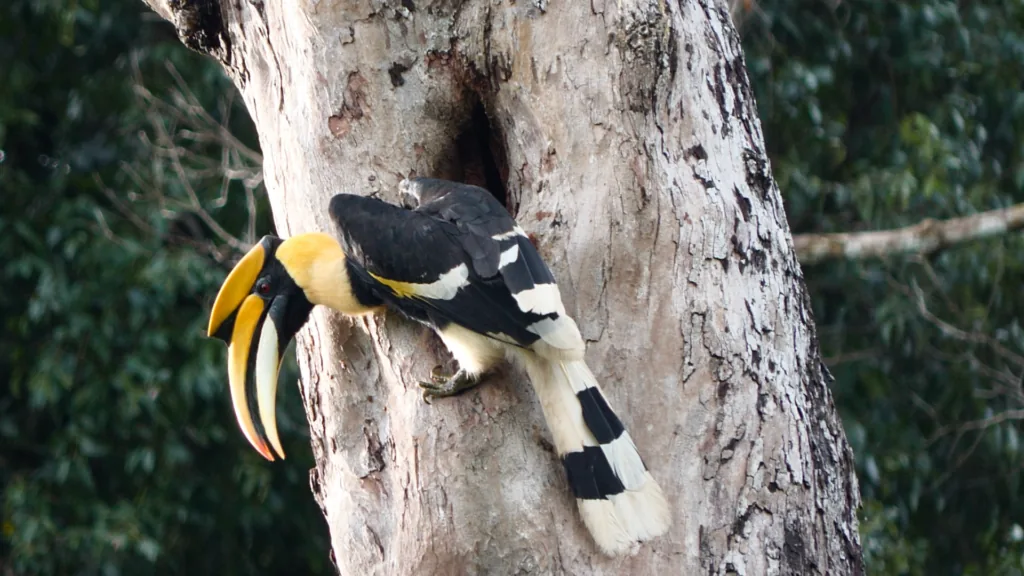
Nepal is a premier sanctuary for birdwatchers and ornithologists. The lowland national parks harbor over 500 species of resident and migratory birds.
Among the frequent sightings:
- Kingfishers (White-throated, Common, Pied, Stork-billed)
- Hornbills (Great Hornbill, Oriental Pied Hornbill)
- Raptors & Eagles (Crested Serpent Eagle, Pallas's Fish Eagle)
- Parakeets (Rose-ringed, Alexandrine, Red-breasted)
- Herons, Storks, and Egrets (Lesser Adjutant, Black-necked Stork)
Rafting and drift safaris down peaceful river waterways are uniquely suited for spotting aquatic bird species nesting and hunting along the riverbanks.
Can You See All These Animals on a Single Safari?
Wildlife safari in Nepal is an authentic, unpredictable wild adventure. Seeing every single flagship species during one short stay is rare, as animal behavior depends entirely on nature.
Key factors dictating your wildlife sightings include:
- Seasonality and temperature
- Duration of your stay in the park
- Choice of national park and ecosystem
- Expertise and bushcraft of local trackers
For these reasons, spending at least 3 to 5 full days in the jungle is highly recommended to maximize your chances of witnessing rare wildlife spectacles.
Where to Spot the Most Animals
Each national park in southern Nepal boasts distinct ecological advantages for wildlife watching:
Bardia National Park delivers an untouched, immersive wilderness with the highest tiger density and world-class walking safaris far from mass tourism.
Chitwan National Park offers very accessible rhino sightings and rich wetland diversity, easily reached from Kathmandu and Pokhara.
Meanwhile, Suklaphanta National Park features vast open grasslands hosting the world’s largest herds of swamp deer (barasingha) in a truly untamed environment.
Track Wild Bengal Tigers on Foot in Bardia (50€)
Already in Nepal or traveling to the western lowlands? Join our senior native master trackers for an unforgettable full-day walking safari in Bardia National Park. Jungle bush lunch included.
Exploring Nepal’s Wildest Frontiers
At Jungle Nepal Adventure, our safaris are crafted to deliver a deep, respectful immersion into pristine wilderness.
Intimate small groups, native master trackers, walking expeditions on foot… our mission is to provide an authentic wildlife journey far removed from mass tourism.
Discover our safari expeditions:
Conclusion
A wildlife safari in Nepal is far more than a simple animal sightseeing trip. It is a genuine sensory immersion into a thriving ecosystem where every footprint, every distant call, and every rustle in the undergrowth tells an ancient story.
Even without spotting every single flagship predator on your wishlist, the thrill of tracking through wild primary forests remains an unforgettable, deeply grounding experience.
🌿 Step Into the Wild
Every species on this list can be tracked on a customized expedition with Jungle Nepal Adventure. Expert native trackers, small groups, unhurried pacing.
Recommended Bardia Experiences
Join our certified naturalists on a Bardia Walking Tiger Safari (from €50) or cover vast savannah territories in a Private 4x4 Jeep Safari (€190/vehicle).
For a complete 5-day lodge adventure: explore the Bardia Tiger Safari 5 Days (€690).
Field Expertise from Pawan & Robin: How to Maximize Your Wildlife Sightings in Nepal
Spotting iconic megafauna in Nepal's Terai lowlands is never a matter of luck—it is the result of disciplined tracking and local ecological knowledge. Alongside Pawan—our master tracker born in Bardia, president of the local NAGA conservation association, and field collaborator for BBC wildlife film crews—we structure every safari day around the true biological rhythms of the Royal Bengal tiger (Panthera tigris tigris), the greater one-horned rhinoceros (Rhinoceros unicornis), and the Indian leopard.
1. Reading Fresh Pugmarks and Decoding Jungle Alarm Calls
During a walking safari in Bardia or a private 4x4 jeep track, the first 90 minutes after sunrise are critical. Our naturalist guides inspect the sandy riverbeds (sots) and the banks of the Karnali and Babai rivers to locate fresh pugmarks, judge track age by edge moisture, and check Sal tree trunks (Shorea robusta) for territory claw marks and scent-spraying. The moment a spotted deer (chital), sambar, or gray langur barks a sharp, repetitive alarm call, our trackers triangulate the prey's line of sight to position our small group silently at a natural river crossing.
2. Choosing the Right National Park for Your Schedule
- If you have 8 to 12 days: Head straight to Bardia National Park on our flagship 9-Day Tiger & Rhino Tracking Expedition. With 968 km² of pristine wilderness, roughly 125 adult tigers, and less than 3% of Chitwan's visitor numbers, Bardia delivers Asia's most authentic walking safari experience.
- If you are combining Kathmandu, Pokhara, and the jungle in 12 to 14 days: Chitwan National Park fits naturally between Kathmandu and the Annapurna foothills, as featured in our Chitwan Nature & Culture Safari and our 14-Day Grand Tour of Nepal.
- If you are a dedicated wildlife photographer or birder: Combining Suklaphanta and Bardia (12-Day Wild West Terai Expedition) unlocks the world's largest herds of swamp deer (Barasingha), the critically endangered Bengal florican, and Nepal's highest tiger density per square kilometer.
3. Uncompromising Ethics: Zero Captive Elephants & Direct Tharu Community Support
Unlike mass-market operators that still promote elephant-back rides in buffer zones, Jungle Nepal Adventure enforces a strict ethical charter: zero captive elephant activities, small groups capped at 4–10 travelers, family-run Tharu eco-lodges, and direct financial contributions from every booking to Bardia's Community-Based Anti-Poaching Units (CBAPU). To compare all our itineraries, transparent prices, and seasonal tiger sighting statistics, visit our comprehensive experience a walking and jeep safari in Nepal hub.