Wildlife safari in Bardia National Park Nepal with Jungle Nepal Adventure
Direct Local Wildlife Specialist & DMC

Nepal Wildlife Safari: Bengal Tiger Tracking with a Local Specialist

On-foot tracking in Bardia National Park, rhinos in Chitwan, and micro-group expeditions guided by native Tharu trackers. 100% ethical, zero middlemen.

Field Insights

Why a Wildlife Safari in Nepal Has No Equal in the World

Far from noisy convoys and rigid tracks of Africa or India, southern Nepal offers an intimate, raw encounter with wildlife: here, the jungle is explored on foot in pin-drop silence, attuned to indigenous knowledge and predator habits.

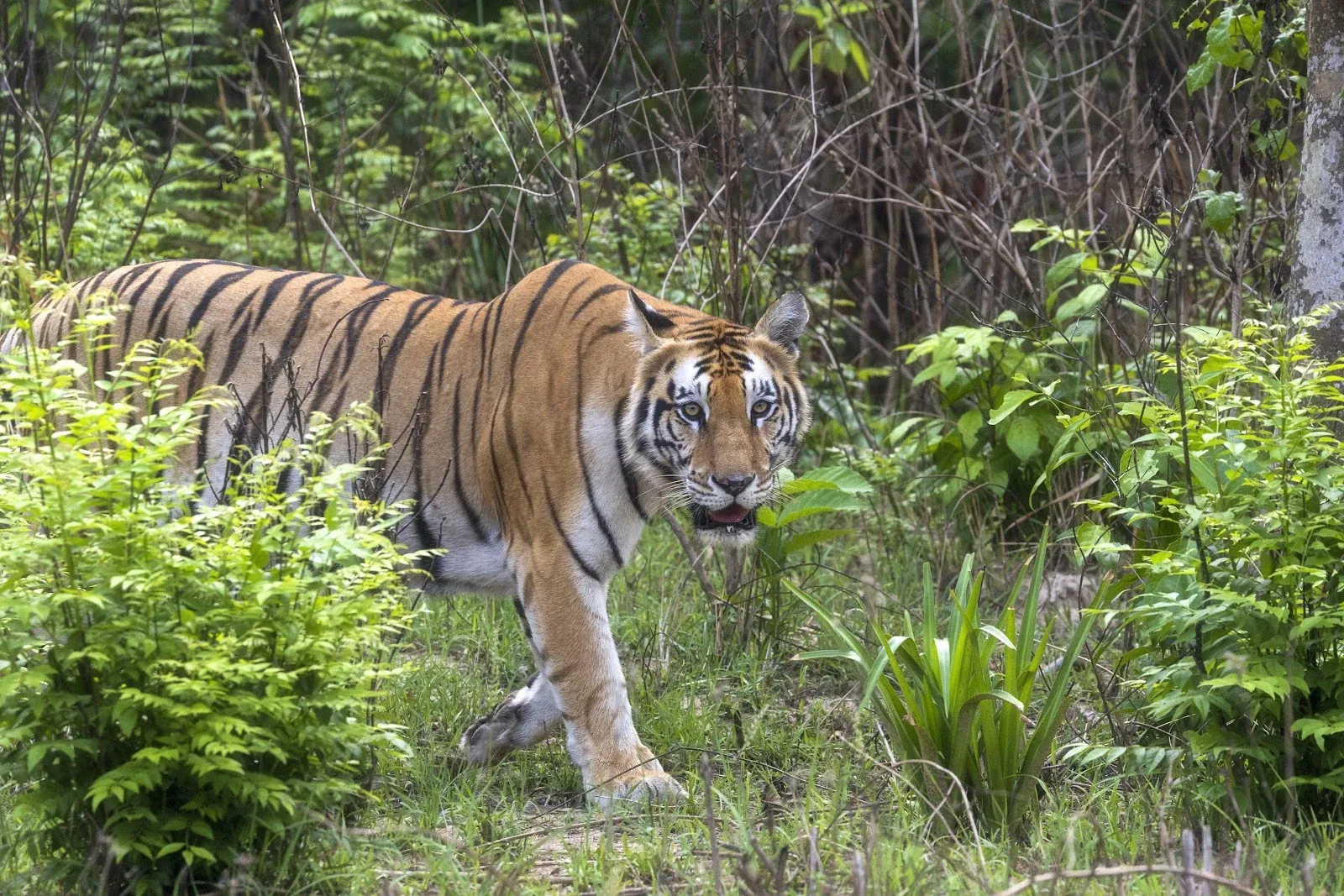
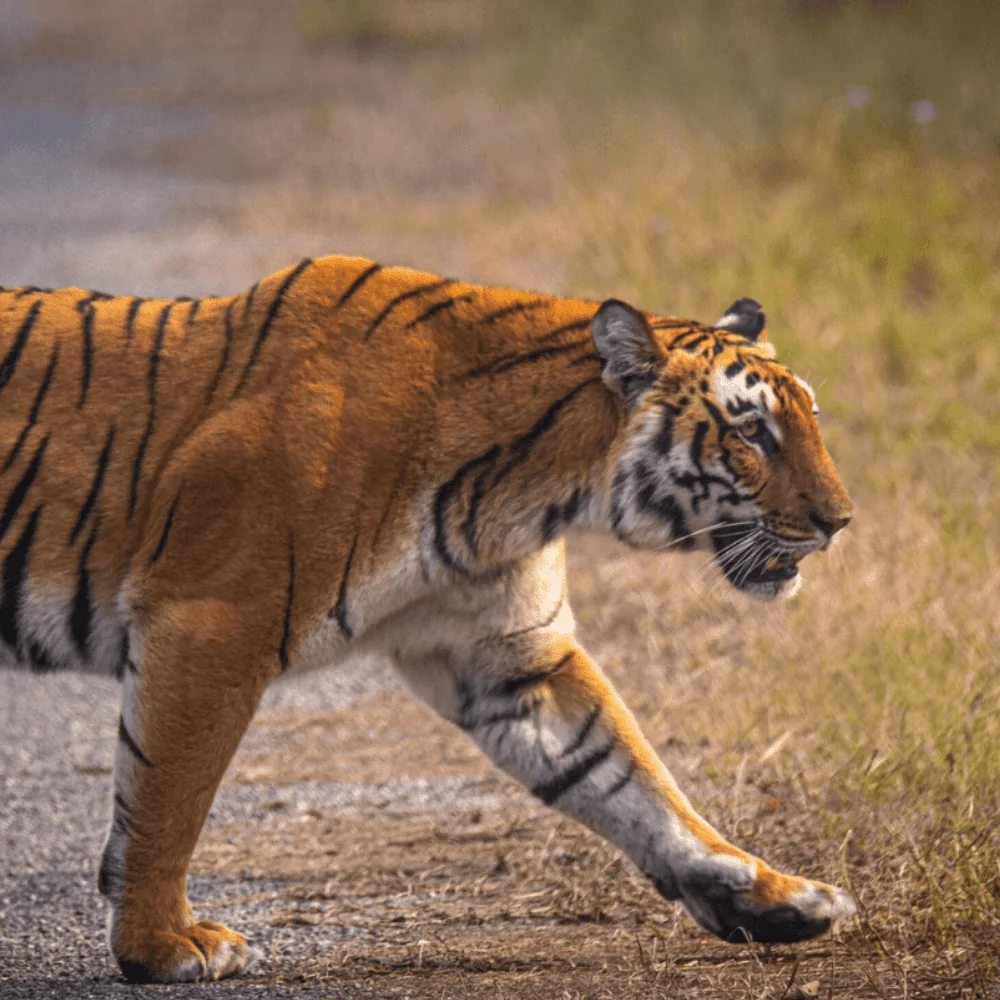
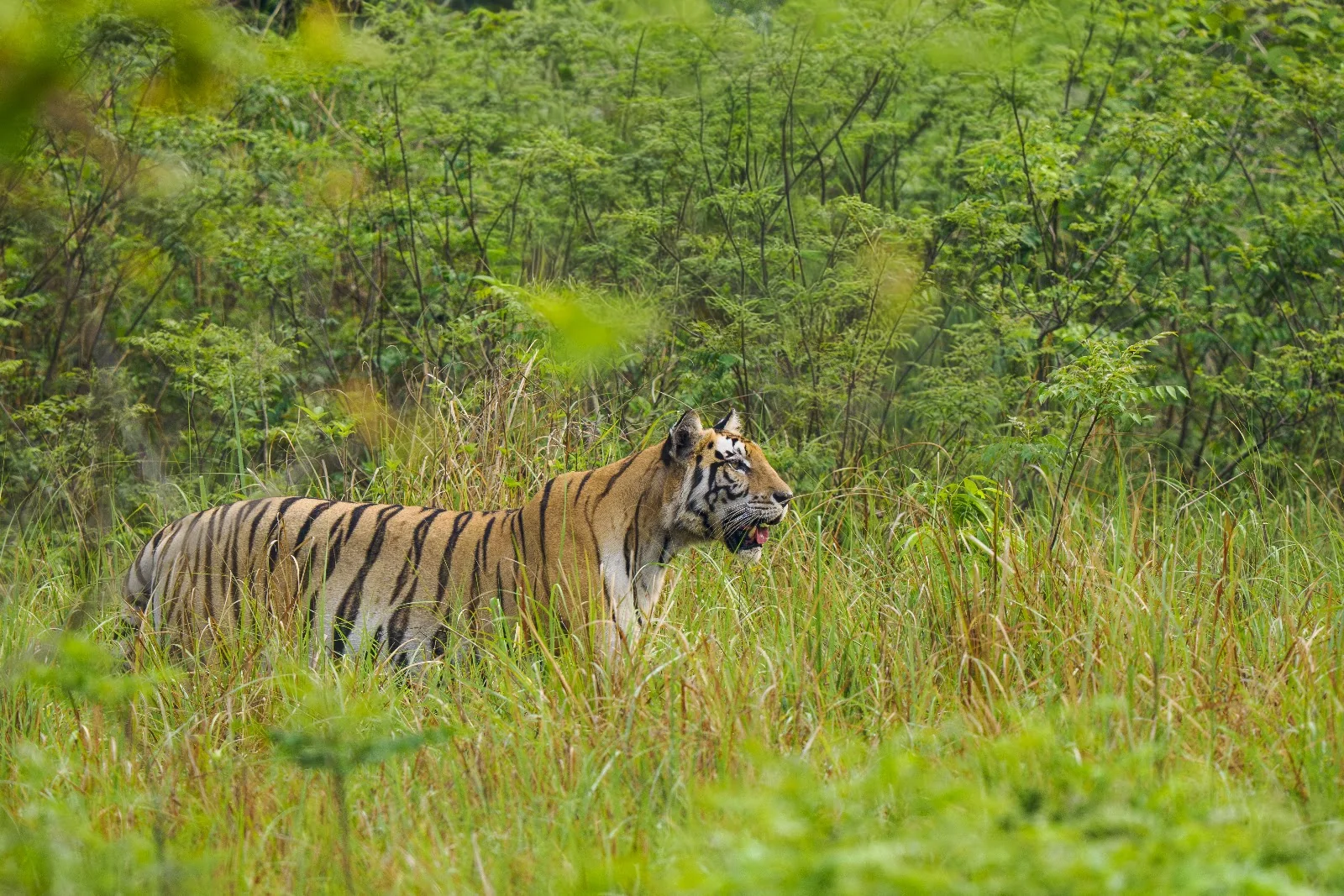
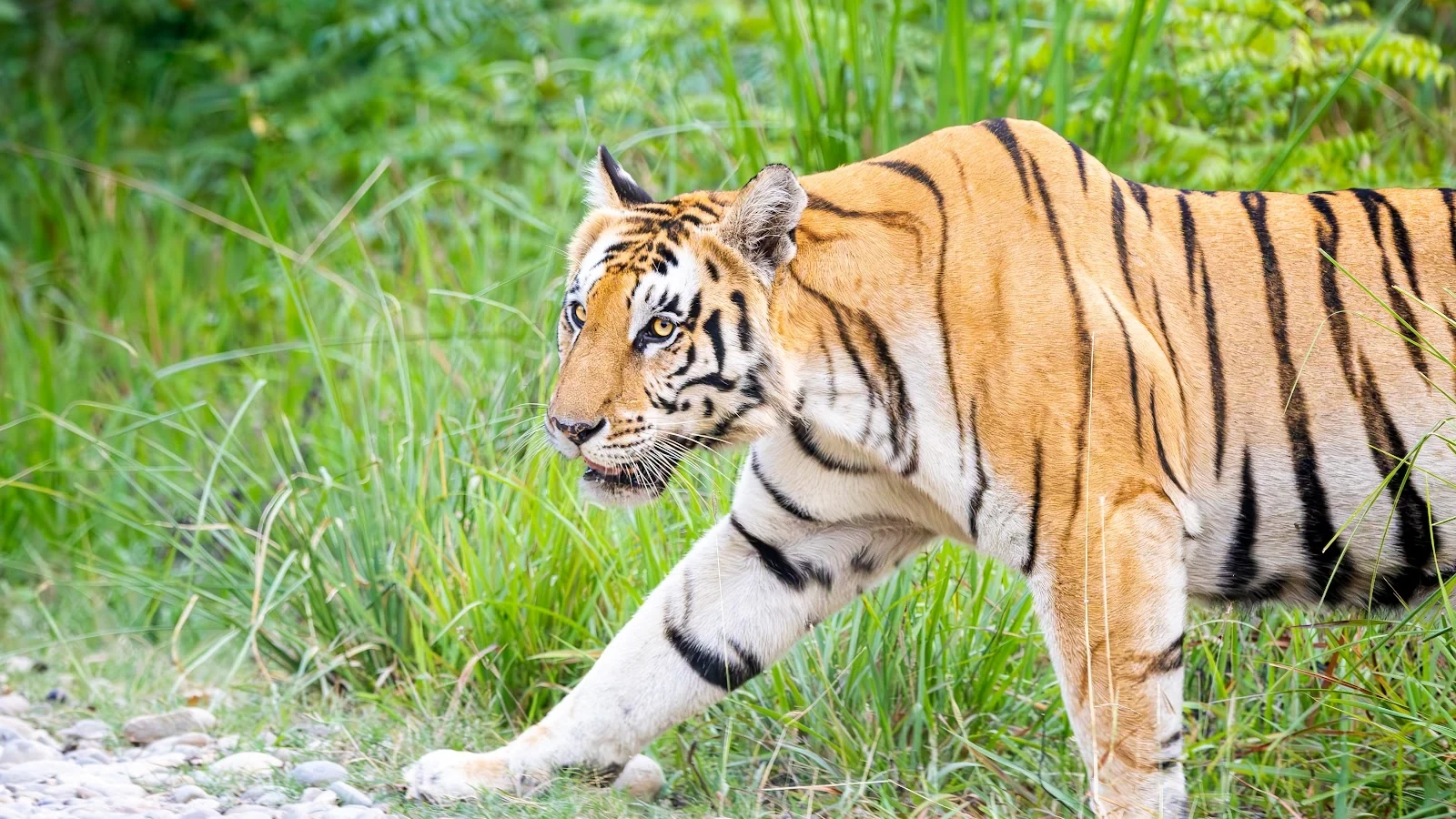
Bengal tiger in the lush foliage of Bardia National Park Nepal Bardia National Park

The Only Place on Earth to Track Tigers on Foot

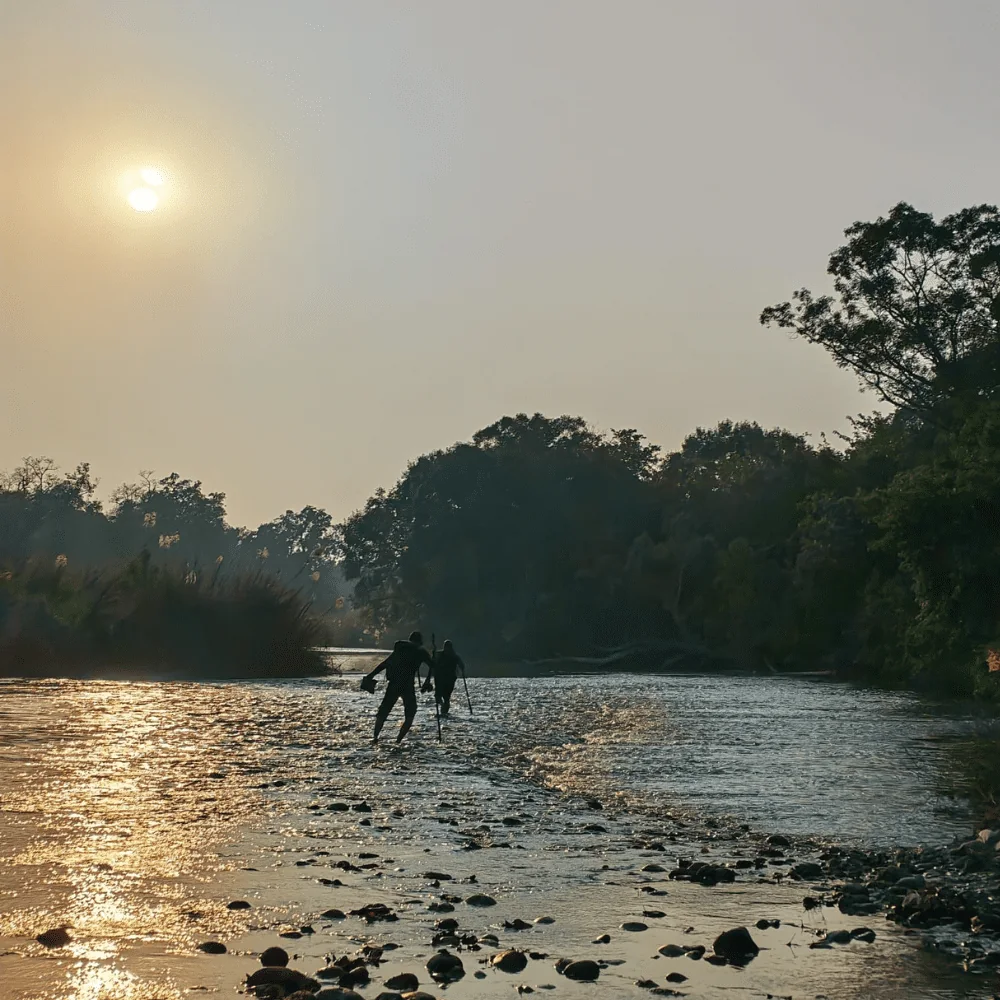
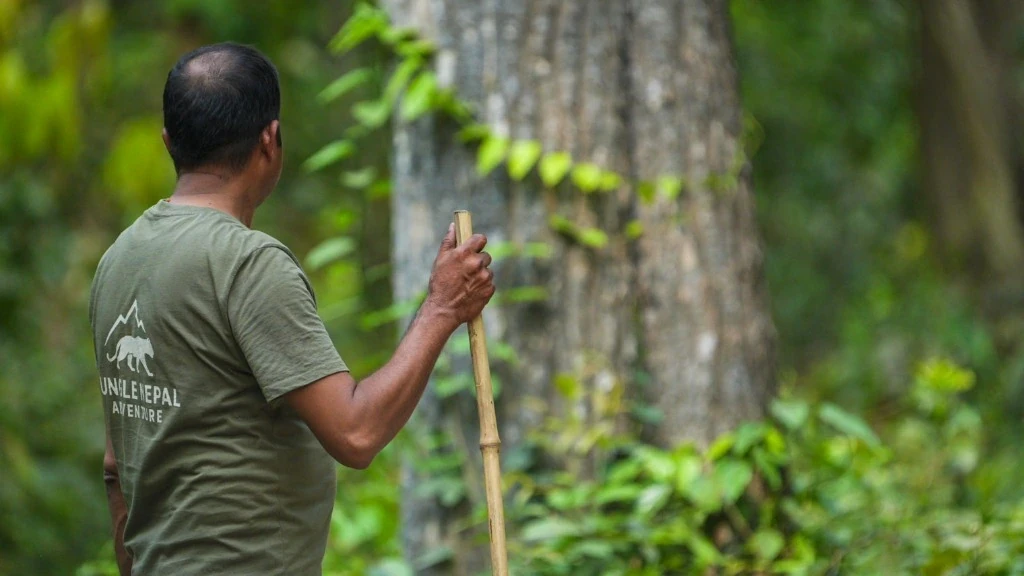
Nepal is the only country on the planet legally permitting on-foot tracking of wild Bengal tigers inside national reserves. Guided by two native Tharu naturalists equipped with traditional bamboo staffs, you move silently, following fresh pugmarks in sandbars and decoding alarm barks of spotted deer.

Tiger Sighting Rate: 75% to 85% (March–May)
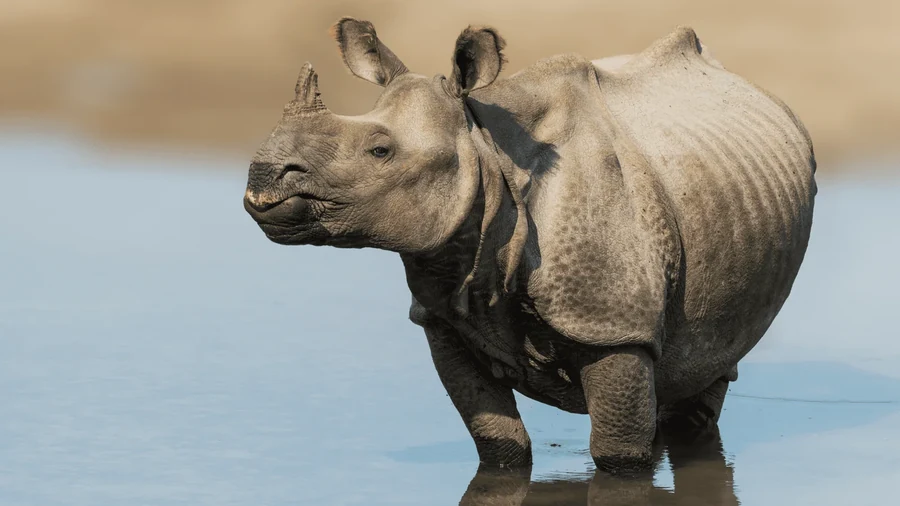
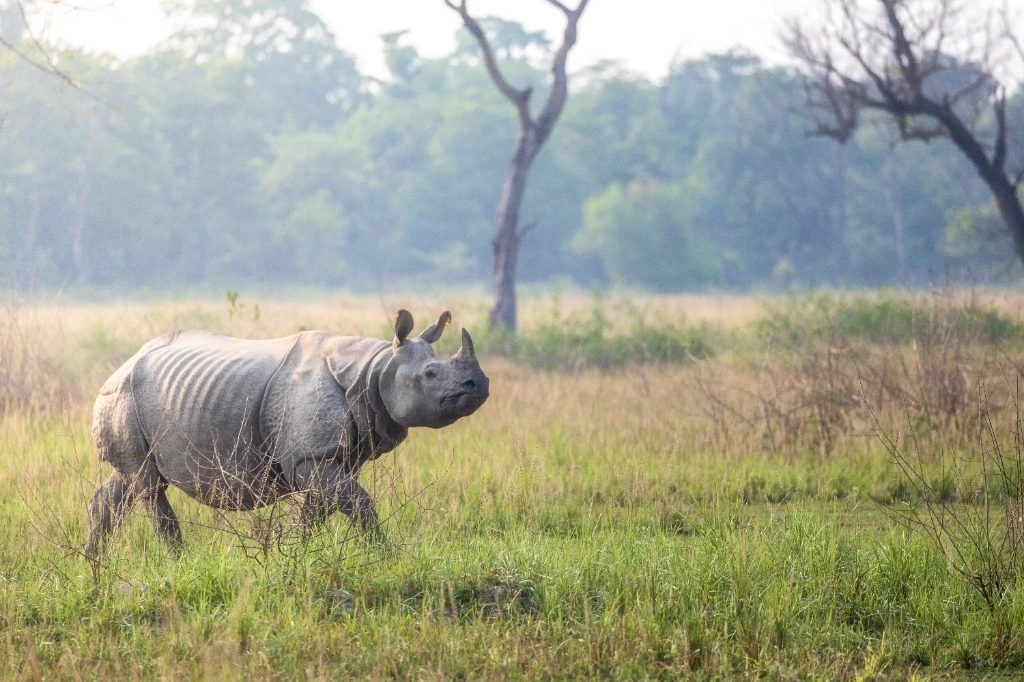
Greater one-horned rhino grazing in Chitwan National Park Chitwan National Park

A Global Sanctuary for the One-Horned Rhino

Nepal shelters the world's second largest population of greater one-horned rhinos. Across Chitwan and Bardia, these two-ton prehistoric giants roam completely wild. You can view them at respectful close distances on guided game walks or while silently paddling traditional dugout canoes downriver.

98% Guaranteed Rhino Sighting in Chitwan
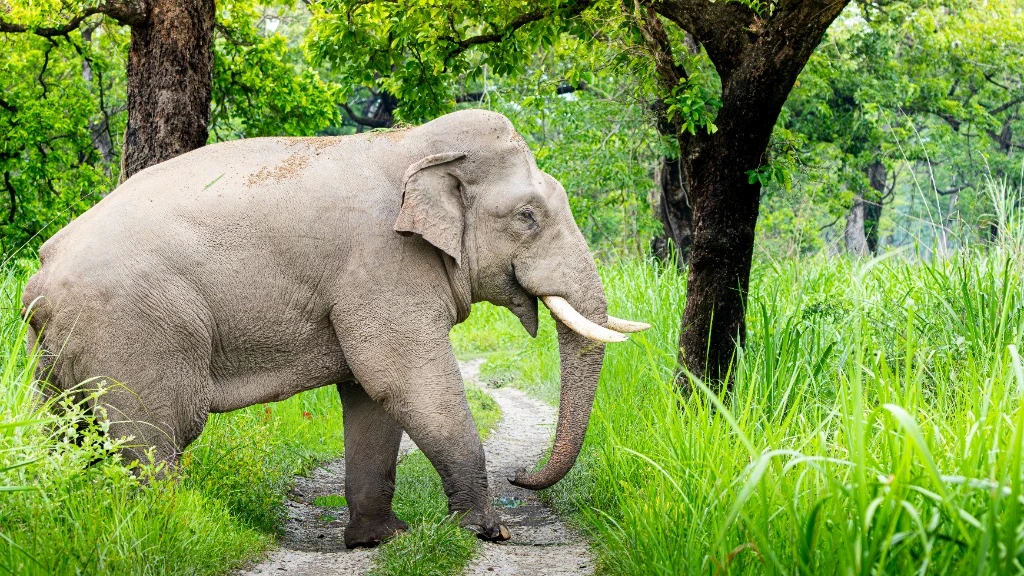
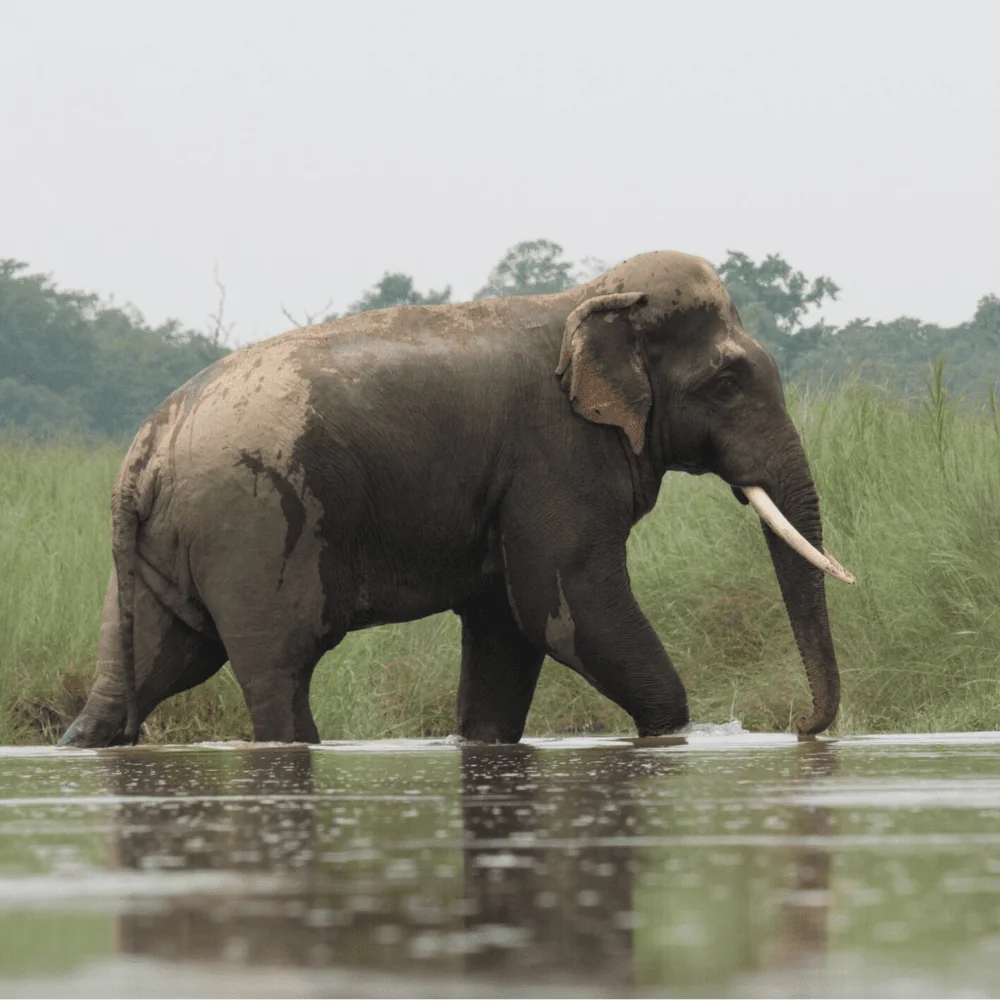
Wild Asian bull elephant in Bardia sal forests Wild Terai

Vast Biodiversity and Over 450 Bird Species

Beyond apex cats, the Terai protects solitary wild bull elephants, shaggy sloth bears, vast herds of swamp deer, elusive leopards, freshwater Ganges dolphins, and slender gharial crocodiles. A rich low-altitude habitat (200m) free from mountain fatigue.

Gentle tropical climate, suitable for all
Signature Expeditions

Featured Nepal Wildlife Safari Itineraries

Designed, guided, and managed directly by our local team with zero intermediaries. Guaranteed small groups (4–10 guests) or bespoke private departures.

View All 18 Expeditions →
Bardia Explorer – 5 Days in the Wild Jungle
5 Days Accessible à tous
From 490€

Bardia Explorer – 5 Days in the Wild Jungle

  • ✓ 3 intensive days of wildlife exploration in Nepal's most pristine national park.
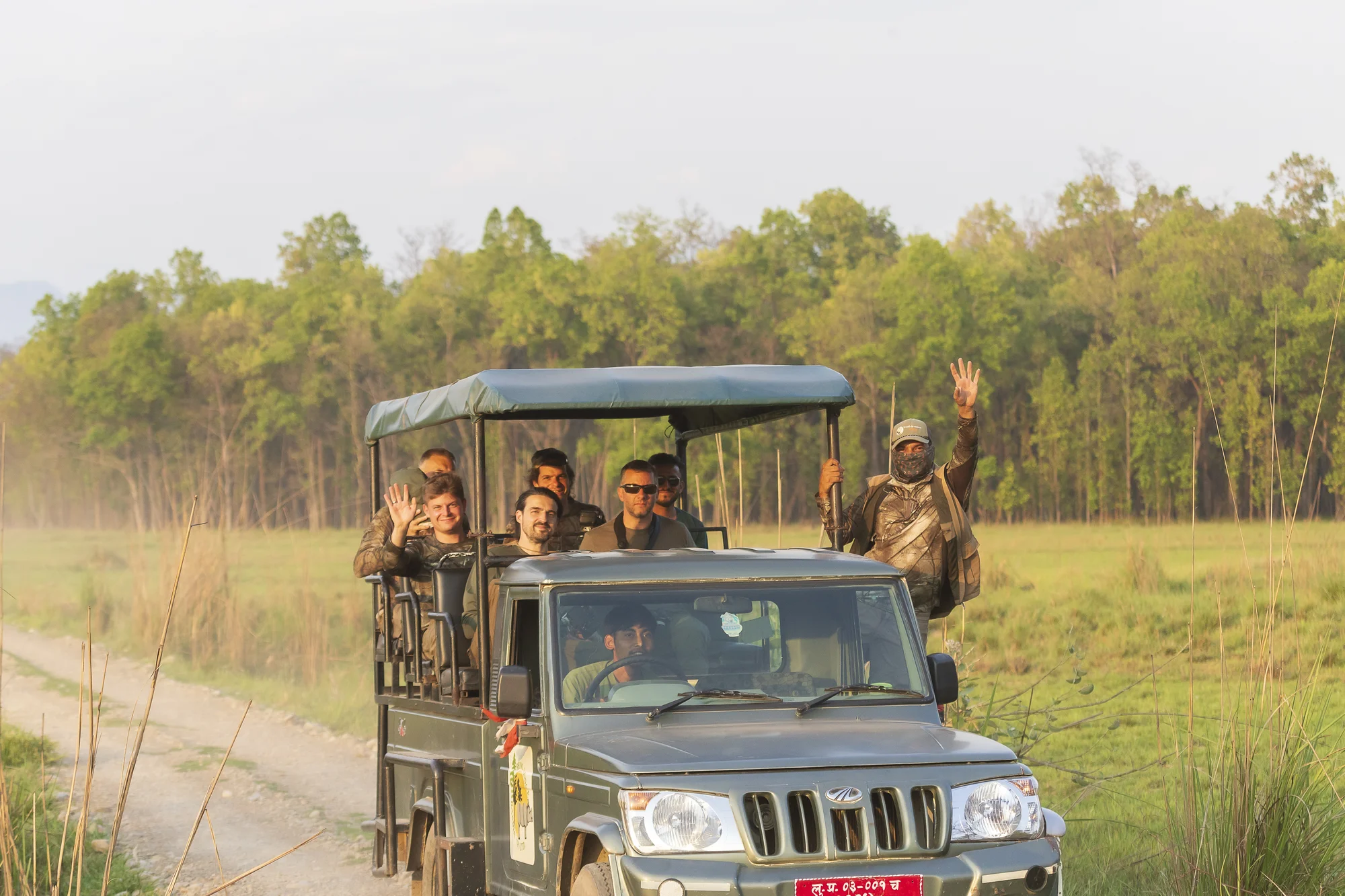
  • ✓ Complete safari mix: silent foot tracking, full-day 4x4 jeep drive, and floating river safari.
Chitwan + Bardia – The Complete Nepal Jungle Safari – 11 Days
11 Days Modéré
From 1,990€

Chitwan + Bardia – The Complete Nepal Jungle Safari – 11 Days

  • ✓ The ultimate dual-sanctuary expedition: subtropical Chitwan paired with untamed Bardia.
  • ✓ Diverse safari activities: 4x4 jeep drives, silent jungle tracking, canoeing, and river hides.
Extreme Jungle – Special Wildlife & Big Cat Expedition – 15 Days
15 Days Intense
From 2,490€

Extreme Jungle – Special Wildlife & Big Cat Expedition – 15 Days

  • ✓ The premier expedition for dedicated wildlife photographers and apex predator enthusiasts.
  • ✓ 5 full days of intensive foot tracking in Bardia National Park with master trackers Pawan & Kiran.
Deep Into the Wild: Babai Special Experience – 5 Days
5 Days Aventurier
From 900€

Deep Into the Wild: Babai Special Experience – 5 Days

  • ✓ Deep wilderness immersion into the secluded Babai Valley, far off conventional tourist tracks.
  • ✓ Multi-modal safaris: silent river drifting, foot tracking in dense sal forests, and 4x4 drives.
Bardia Babai Valley – Wild Camping in Untamed Nature – 8 Days
8 Days Aventure
From 1,200€

Bardia Babai Valley – Wild Camping in Untamed Nature – 8 Days

  • ✓ Exclusive expedition into the secluded, pristine Babai Valley in the depths of Bardia.
  • ✓ 4 days of wild bush camping along the untamed meandering channels of the Babai River.
Wild Nepal – From Dense Jungle to Sacred Annapurna Peaks – 15 Days
15 Days Modéré
From 2,290€

Wild Nepal – From Dense Jungle to Sacred Annapurna Peaks – 15 Days

  • ✓ Cross-country journey connecting the sacred Himalayan peaks to the tropical wilderness of the Terai.
  • ✓ 3 full days of foot tracking and deep wilderness exploration in Bardia National Park.
Exclusive Snow Leopard Expedition (17 Days)
17 Days All Levels
From 4 300 €

Exclusive Snow Leopard Expedition (17 Days)

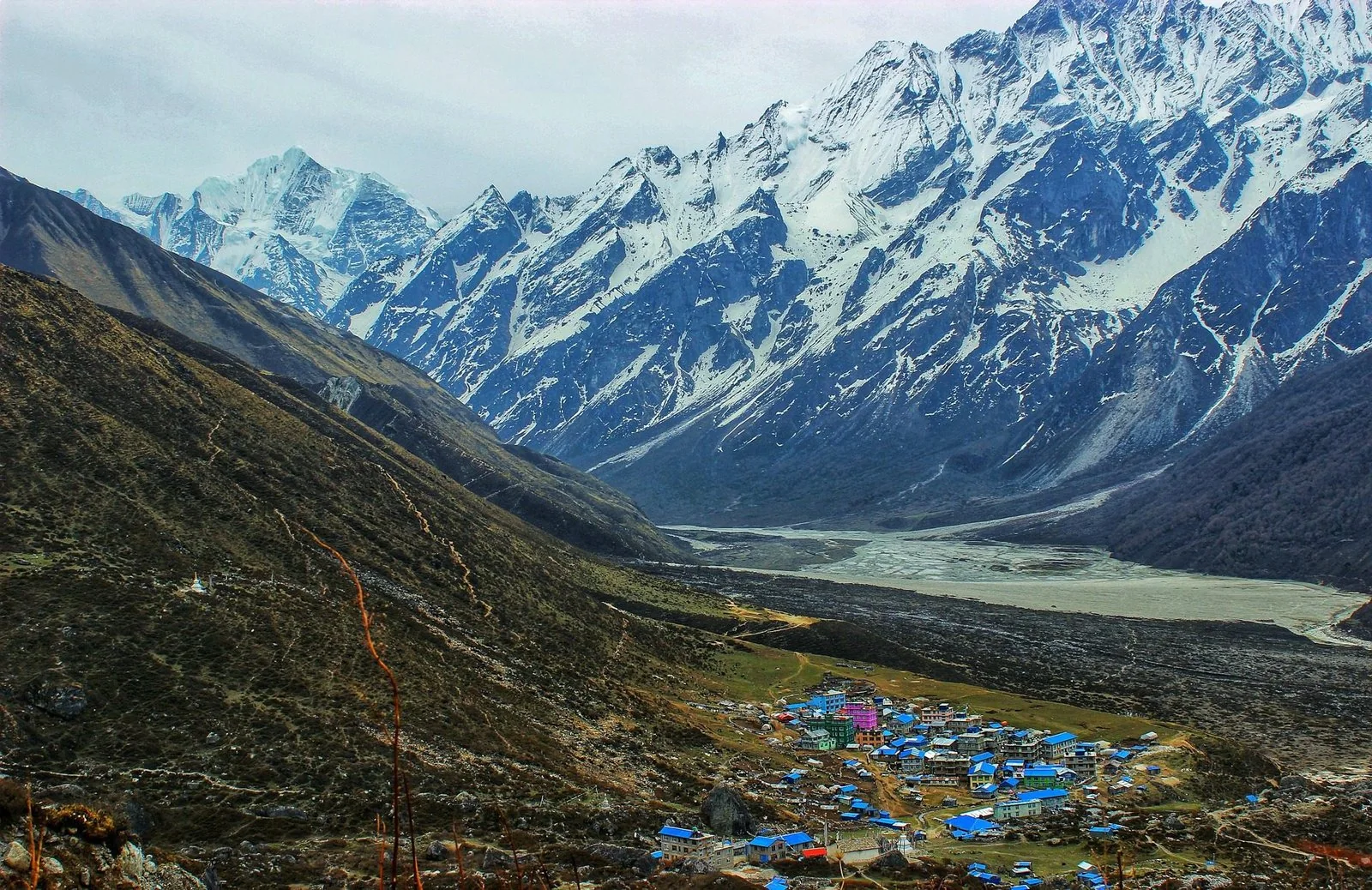
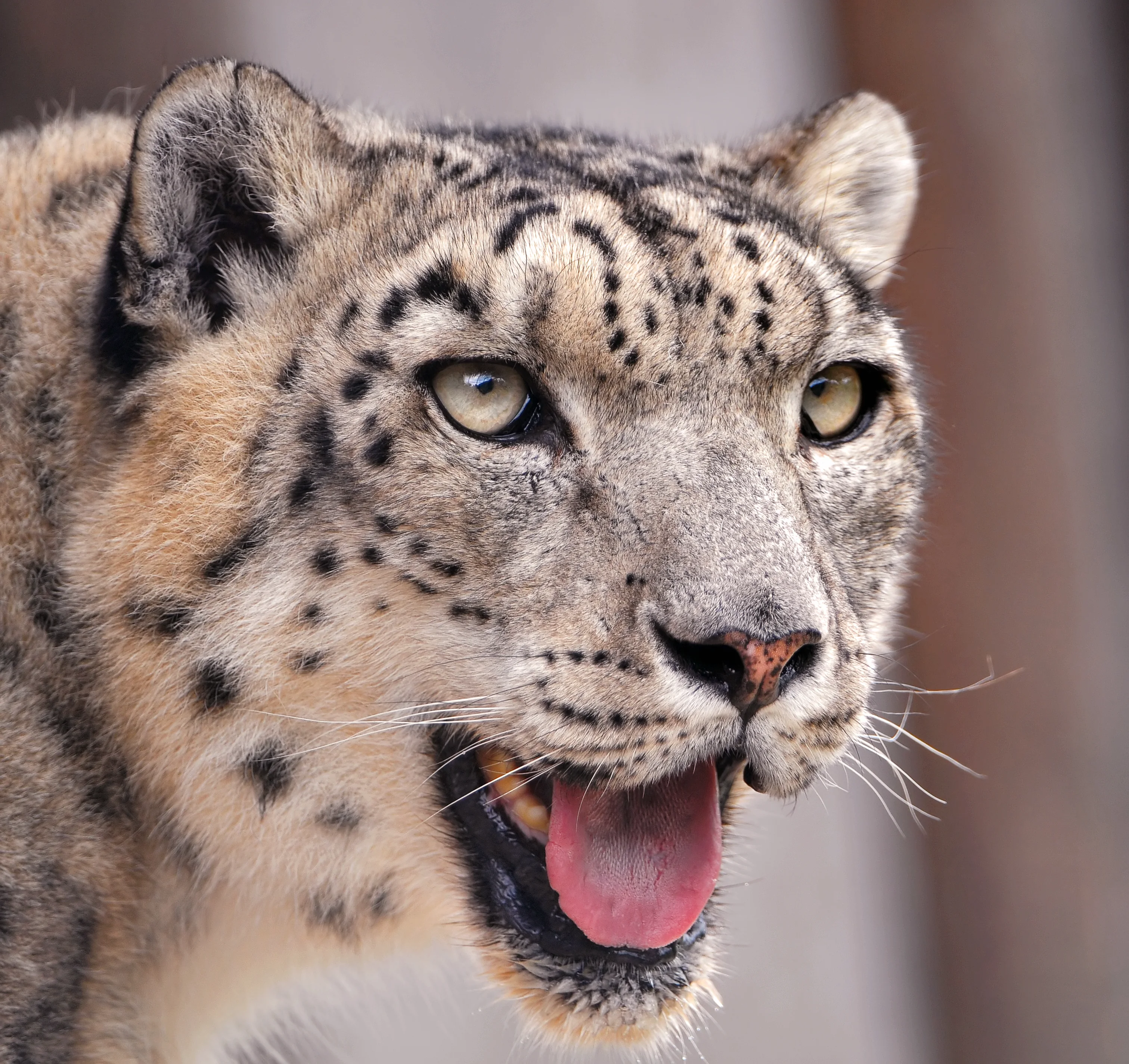
  • ✓ 9 dedicated days of high-altitude spotting and hides in the remote Manang Valley (3,600m - 4,700m).
  • ✓ Elite tracking with native Himalayan spotters using professional high-end spotting scopes.
Walking Safari in Bardia National Park
1 day Moderate
From 50€

Walking Safari in Bardia National Park

  • ✓ 100% wild foot tracking in Bardia National Park.
  • ✓ Guided by 1 experienced jungle guide + 1 tracker.
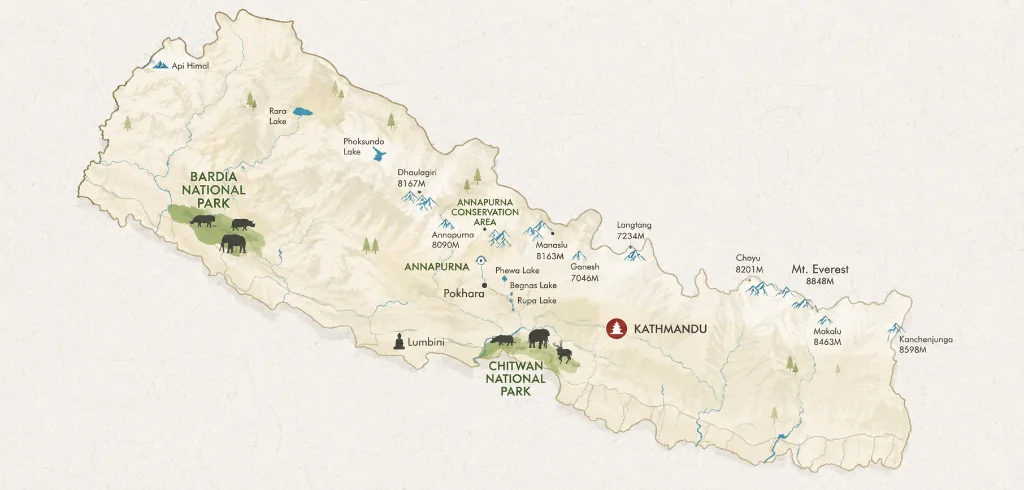
Wildlife Geography

Wild Sanctuaries of the Nepal Terai

From legendary Bardia in the remote west to the riverbanks of Chitwan, locate the protected habitats where Nepal's apex predators roam.

Head-to-Head Comparison

Choosing the Right National Park for Your Nepal Safari

Nepal's protected areas offer contrasting atmospheres and wildlife densities. Here is our straightforward field breakdown.

Feature Bardia National Park Chitwan National Park Suklaphanta National Park
Iconic Wildlife Bengal Tiger (125) One-Horned Rhino (694) Swamp Deer (2,000+)
Tiger Sighting Odds Very High (75–85% in March–May) Moderate (20–30%) Moderate (30–45%)
Rhino Sighting Odds Good (60–70%) Exceptional (95–98%) Rare (Reintroduced herd)
Signature Safari Style Walking Safari (On Foot) & Jeep Jeep, Traditional Canoe & Walk Jeep & Open Grassland Hides
Tourist Density Very Low (Pure Wilderness Feel) High (Developed Sauraha Hub) Almost Zero (Untouched Secret)
Access from Kathmandu 50-min flight + 2-hour private drive 20-min flight or 5-hour drive 75-min flight + 1.5-hour drive
Best Suited For Big cat trackers & silence seekers Families & first-time nature travelers Birders & intrepid wilderness pioneers
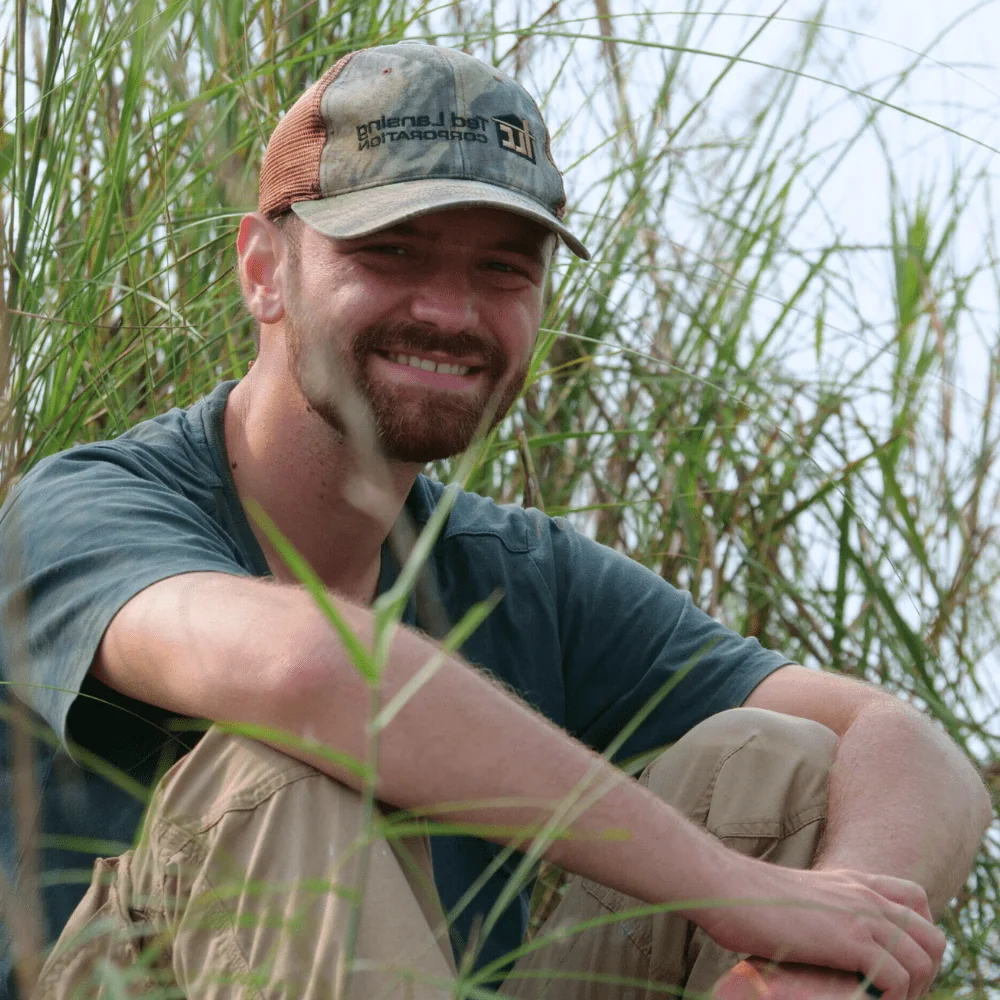
Robin Rozier – Founder and Trip Coordinator Jungle Nepal Adventure

Robin's Field Tip: The Winning Combination

"If you have 10 to 14 days in Nepal, combine both parks. Start in Chitwan for effortless close encounters with armored rhinos and canoe drifts, then journey west to raw Bardia to focus entirely on walking tiger tracking. That is precisely what we designed in our Complete Chitwan + Bardia Jungle Safari."

Terai Wildlife

Nepal's Flagship Wildlife and Real Sighting Odds

Field data compiled from logs by our native Tharu master trackers.

Bengal tiger crossing a river in Bardia

Bengal Tiger

78% in Bardia

Panthera tigris tigris

The apex monarch of Bardia. Solitary and territorial, sighted during patient hides along the Karnali and Geruwa riverbanks.

Prime Window: March to May (Heat & waterholes).
One-horned rhino in morning mist at Chitwan

One-Horned Rhino

98% in Chitwan

Rhinoceros unicornis

Armored with thick dermal folds, this 2-ton vegetarian grazes peacefully along wetland fringes and marsh clearings.

Prime Window: October to April (Entire dry season).
Wild bull tusker elephant in Bardia

Wild Asian Elephant

65% in Bardia

Elephas maximus

Bardia's giant solitary tuskers migrate along cross-border corridors with India. An awe-inspiring encounter managed with strict safety distances.

Prime Window: November to May.
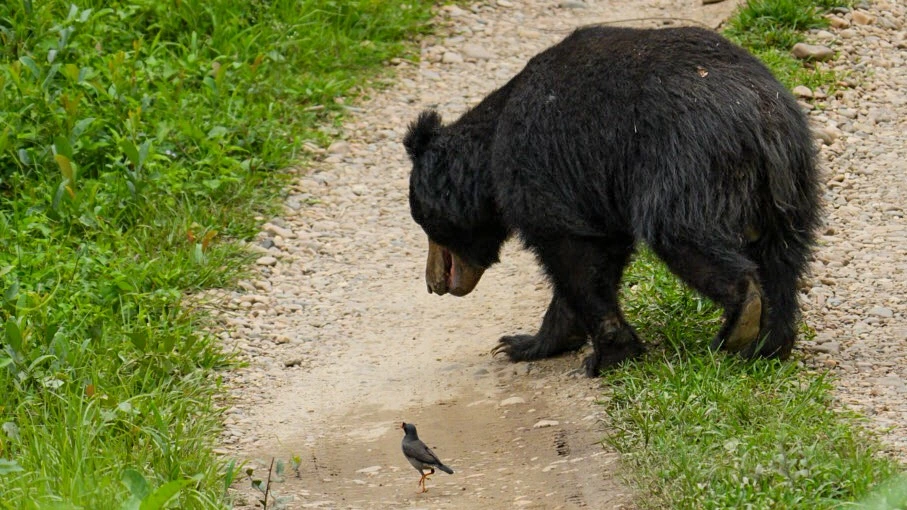
Sloth bear along forest trail in Chitwan and Bardia

Sloth Bear

50% in Forest

Melursus ursinus

Shaggy black coat and long pale snout. Sloth bears excavate termite mounds in sal forests and climb wild fruiting trees.

Prime Window: March to May (Fruiting season).
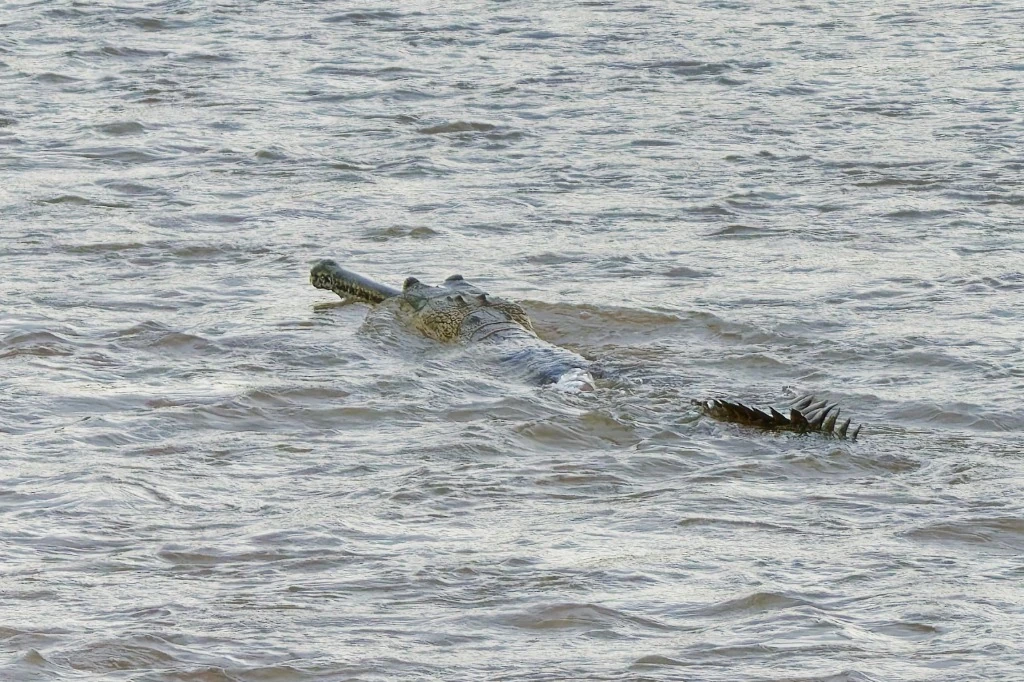
Gharial crocodile swimming in clear river waters

Gharial Crocodile

85% on Water

Gavialis gangeticus

Critically endangered fish-eating crocodile with an ultra-slender snout, completely harmless to humans. Basks on sandbars along Karnali and Babai rivers.

Prime Window: October to April.
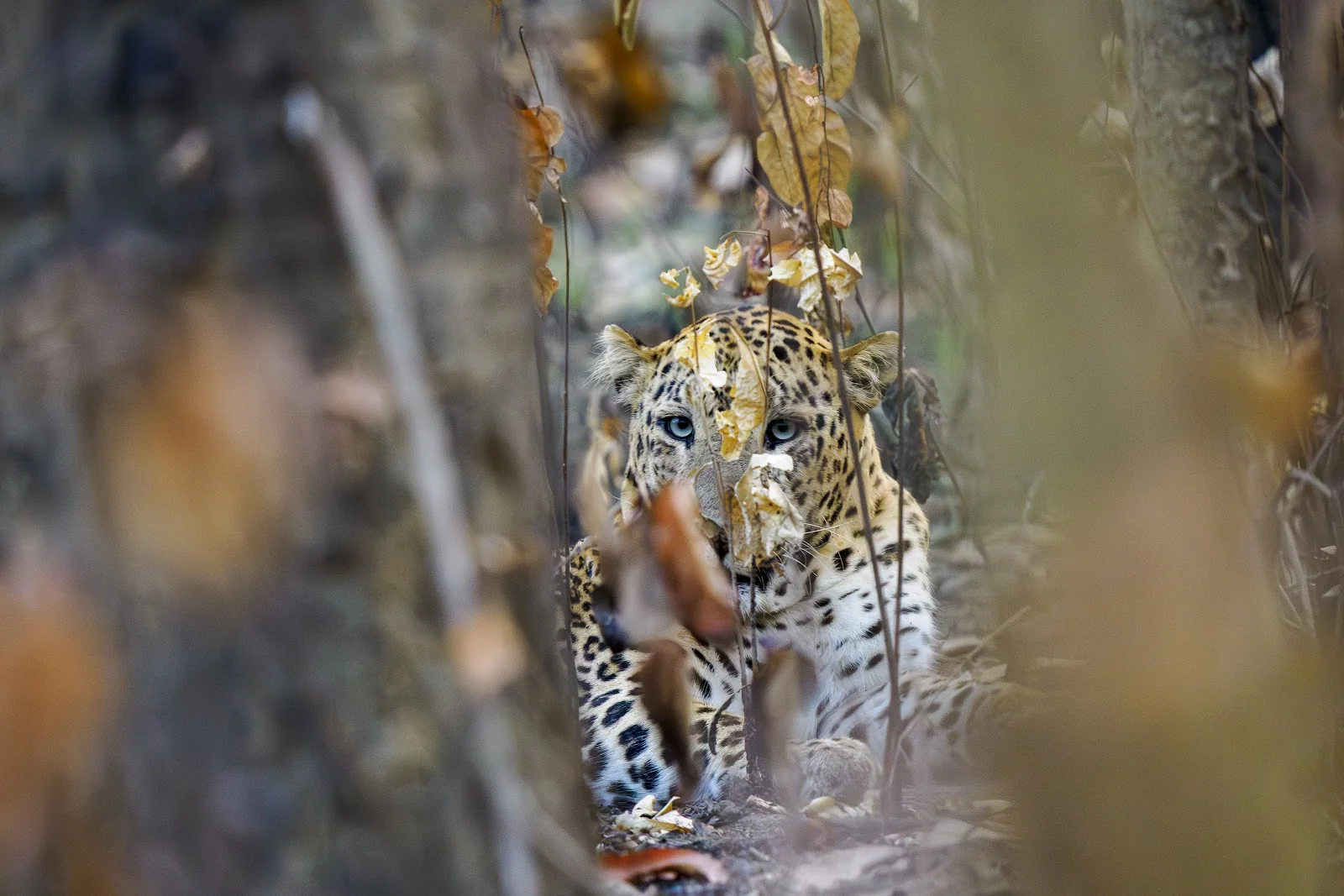
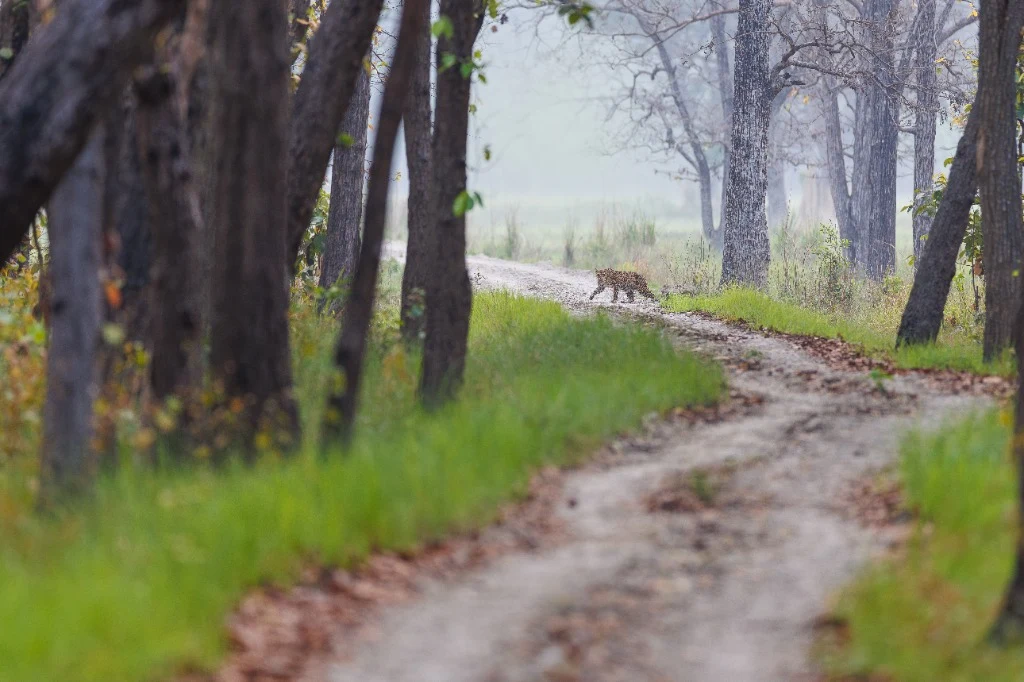
Indian leopard walking along jungle track in Nepal

Indian Leopard & Birds

450+ Birds

Panthera pardus fusca

Leopards prowl along buffer zone fringes. The canopy also protects spotted chital deer, sambar, great pied hornbills, and turquoise Indian rollers.

Prime Window: Year-round outside monsoon.
Local Mastery

Four Distinct Safari Approaches for Complete Jungle Immersion

Alternating our modes of travel ensures full access to diverse habitats without stressing wildlife.

1

The Walking Safari (Foot Tracking)

Led by two certified native Tharu guides. We move silently in single-file across dried river corridors. Trackers read overnight pugmarks and decode high-pitched alarm barks from chital deer and grey langurs, alerting us to a prowling predator nearby.

2

Private Open 4x4 Jeep Safari

Essential for covering long distances to reach secluded sectors like Babai Valley or deep sal wood clusters. Our open-roof safari jeeps offer generous space and unrestricted 360-degree shooting angles for wildlife photographers.

3

River Rafting & Canoe Drifts

Drifting silently down the Karnali or Rapti rivers with the current. Water-based safaris offer the least intrusive wildlife viewing, allowing ethical approaches to bathing rhinos, sunbathing gharials, and freshwater dolphins.

4

Waterhole Tree Hides (Machans)

Patience is the tracker's greatest virtue. Perched silently on elevated wooden observation hides camouflaged among branches, we wait during peak midday heat when thirst compels tigers to emerge from thick shade to drink and bathe.

Weather & Wildlife Cycles

When Is the Best Time for a Nepal Safari?

The subtropical Terai climate follows distinct seasonal rhythms. Here is how to pick your travel window.

Peak Tiger Season

March to May: Prime Tiger Sightings

Tall elephant grass has withered or been cut, unlocking open visibility across the understory. As temperatures climb to 32–38°C (90–100°F) and water sources dry up, tigers spend extended hours at permanent river pools. Best for big cat photographers.

Tiger Sighting Rate: 75% to 85%
Ideal Climate & Lush Forests

October to November: Crystal Skies

Monsoon rains have washed the atmosphere clean. Forests are vibrant emerald green, rivers are full, and temperatures are pleasant (24–28°C / 75–82°F). The premier season to pair a Terai safari with cultural stays or Himalayan foothill trekking.

Tiger Sighting Rate: 55% to 65%
Mists & Migratory Birds

December to February: Atmospheric Winter

Mornings are cool and crisp (10–15°C / 50–59°F), cloaked in poetic morning mist over wetlands before warming nicely by afternoon. Rhinos bask for hours on sunny river shoals. Hundreds of Siberian migratory bird species overwinter along riverbanks.

Tiger Sighting Rate: 50% to 60%
Transparency

Why Book Your Safari With a Direct Local Operator?

The tangible difference between an offshore European travel agent and an on-the-ground naturalist team born in Bardia.

Overseas Generalist Travel Agencies
  • ✕ Multiple Reseller Layers: 30% to 45% of your trip cost pays foreign sales commissions and marketing overhead.
  • ✕ Overcrowded Groups: 16 to 22 travelers packed into shared tour vehicles, startling wildlife.
  • ✕ Rigid Fixed Routes: Inability to adjust plans if tigers were spotted 5 km upstream earlier that morning.
  • ✕ Marginalized Guides: Ground trackers receive only a tiny fraction of your total expenditure.
Jungle Nepal Adventure (Direct Local Operator)
  • ✓ Zero Intermediaries: Direct communication with founder Robin Rozier and our local ground coordinators.
  • ✓ Strict Micro-Groups: 4 to 10 travelers maximum, ensuring pin-drop silence and personalized guidance.
  • ✓ Real-Time Field Agility: We adapt our daily walking routes dynamically based on active wildlife movements.
  • ✓ Fair Trade Conservation: Ethical living wages, support for local Tharu families, and park preservation.
Frequently Asked Questions

Essential Guide to Planning Your Nepal Safari

Straightforward practical advice from our on-the-ground guides to help you prepare.

How much does a wildlife safari in Nepal cost? +
The price of a Nepal safari depends on your trip duration and lodging preference. A full-day walking safari in Bardia with two certified native trackers costs around €50 per person (plus national park entrance fee of 2,000 NPR, approx. €14). A comprehensive 5-day lodge-based safari package including private airport transfers, meals, permits, and daily game walks (Bardia Explorer) costs around €490 per person. An all-inclusive 11 to 12-day grand expedition combining Chitwan and Bardia is priced at €1,990 per person.
Is walking on foot with Bengal tigers and rhinos dangerous? +
Nepal is the only country in Asia where walking safaris to track tigers and rhinos are officially permitted inside national parks. Guided by two native Tharu wildlife naturalists armed with traditional bamboo lathis (staffs), safety is strictly enforced. Core protocols include walking single-file in complete silence, monitoring wind direction, never running under any circumstance, and immediately following guide instructions. Wild predators instinctively avoid humans when not startled or cornered.
Which park should I choose: Bardia or Chitwan? +
It depends on your wildlife priorities and crowd tolerance. Chitwan is located 5 hours by road from Kathmandu and guarantees a 98% sighting probability for greater one-horned rhinos, but forest trails can feel crowded with jeeps. Bardia, located in Nepal's untamed far west (a 50-minute domestic flight to Nepalgunj plus a 2-hour private drive), shelters 125 Bengal tigers across 968 km² of pristine wilderness. Bardia is the undisputed sanctuary for on-foot tiger tracking and peaceful, off-the-beaten-track nature immersion.
What is the best time of year to see tigers in Nepal? +
The prime season for tiger sightings runs from March to May (the Himalayan spring). As temperatures rise to 32–38°C (90–100°F), tall elephant grass is burnt or withered, water levels recede, and predators congregate around permanent river pools and waterholes. Sighting probability reaches 75% to 85% during a 4 to 5-day safari in Bardia.
Do I need malaria medication for a jungle safari in Nepal? +
In the Terai lowlands (Bardia and Chitwan), the risk of malaria is classified as very low by the WHO during the dry travel season (October through May). Most travelers do not take heavy antimalarials such as Malarone, opting instead for reliable mosquito bite prevention (long lightweight clothing and DEET insect repellent). Consult your travel doctor or clinic before departure for personalized advice.
Do you offer elephant-back safari rides? +
No. Jungle Nepal Adventure strictly rejects all elephant-back riding. The traditional training methods (khatti) and heavy metal saddles cause severe spinal and psychological harm. Instead, we advocate 100% ethical wildlife encounters: walking safaris, private open 4x4 jeeps, and silent river rafting.
Tailor-Made Wildlife Journeys

Ready to Track Wild Bengal Tigers in Nepal's Untamed Lowlands?

Whether you are seeking to join one of our guaranteed small-group departures or want to tailor a private wildlife photographic expedition, we are ready to assist.

Fast personal response • Direct insights from Robin Rozier and native Tharu trackers