Introduction
Nepal is famous for its Himalayan peaks, but the country is also home to some of the richest jungles in Asia. Discover in this comprehensive guide the best time to visit Nepal for an unforgettable safari.
In the tropical lowlands of the Terai, several national parks provide exceptional opportunities to observe rare wildlife, including the Bengal tiger, the greater one-horned rhinoceros, and herds of wild Asian elephants.
However, the success of a safari depends heavily on the season. Nepal's climate varies significantly throughout the year, and certain periods are far more favorable for spotting wildlife or exploring deep into the jungle.
Here is a seasonal breakdown to help you determine the best time to plan your Nepal safari.
Climate in Nepal's National Parks
Nepal's primary safari parks—such as Bardia National Park, Chitwan, or Suklaphanta—are located in the southern Terai plains. This region features a tropical climate characterized by three distinct seasons:
- A cool, dry winter season
- A hot, dry spring season
- A wet summer monsoon season
- Each period offers a completely different jungle experience.
October to March: The Ideal Season for Mild Weather
The period from October to March is widely regarded as the most comfortable time to visit Nepal's national parks.
Following the monsoon rains, landscapes are lush and verdant, and temperatures become very pleasant. Days are generally clear and sunny, and visibility across the jungle opens up.
It is also a premier season for birdwatching, as thousands of migratory birds settle into the parks' rivers, floodplains, and oxbow lakes.
Safaris are particularly enjoyable and comfortable during this window thanks to moderate temperatures, especially between November and February.
March to May: Peak Season for Tiger Sightings
Starting in March, temperatures begin to rise rapidly across the Terai plains. The heat can be intense in April and May, but this dry period offers undeniable advantages for wildlife observation.
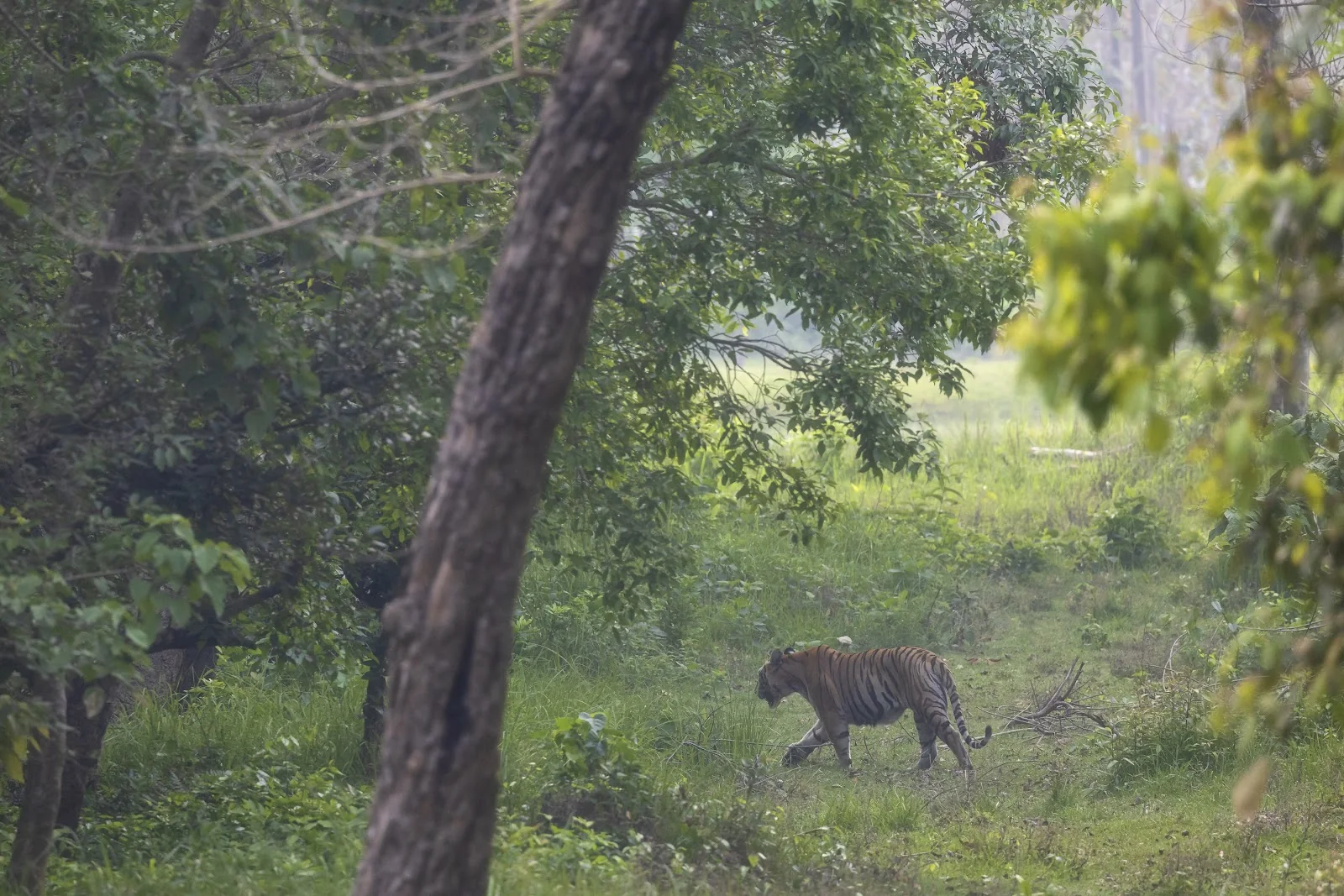
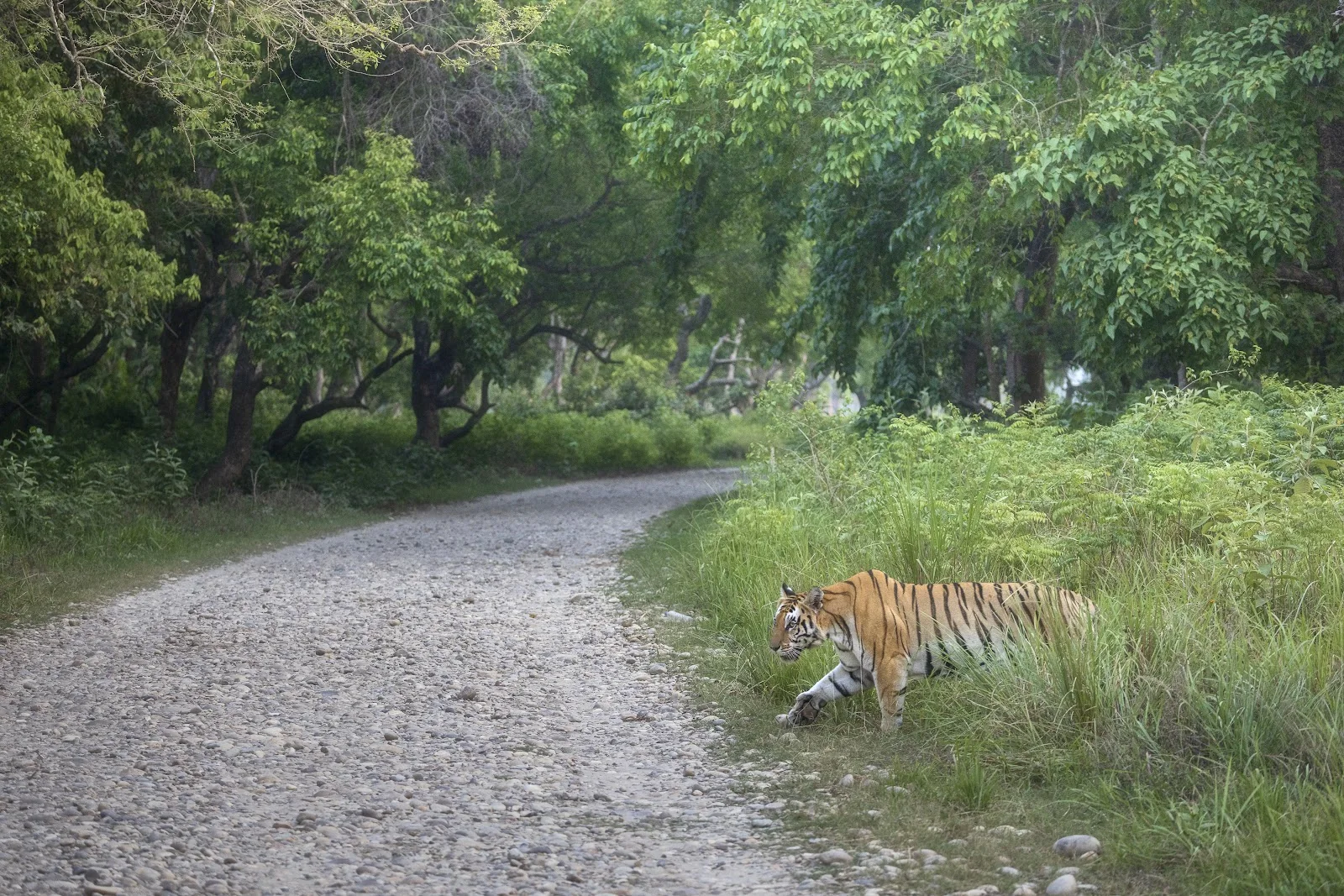
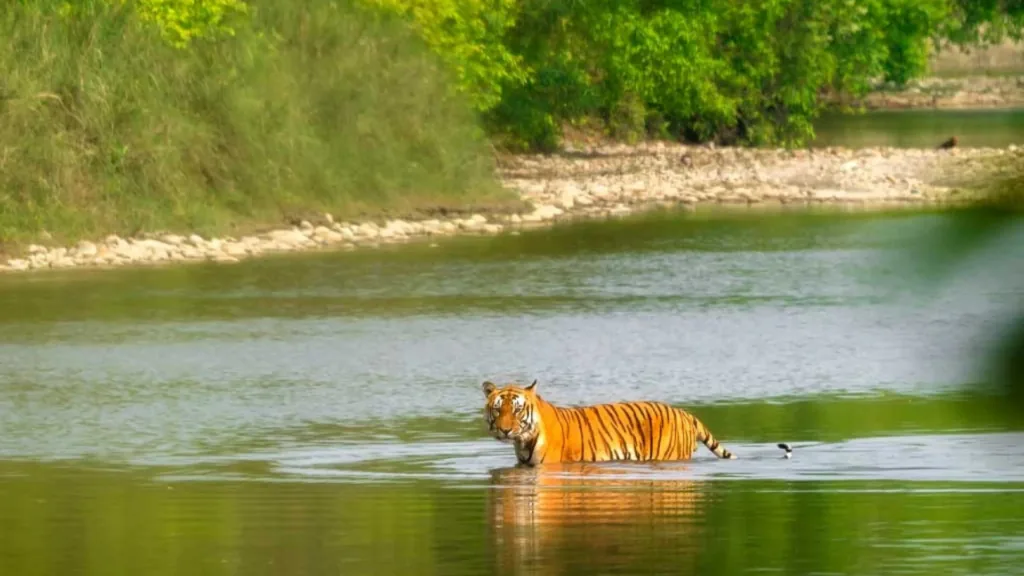
As water sources dry up during the hot season, animals increasingly congregate around the remaining rivers, waterholes, and riverbeds. This significantly concentrates wildlife activity, boosting your chances of encountering elusive species, especially Royal Bengal tigers.
The towering elephant grass also withers or is harvested and burnt by local communities, dramatically opening up sightlines through previously impenetrable thickets.
📅 Choose the Best Season with Our Local Experts
Our on-the-ground team knows the seasonal rhythms intimately and customizes every safari to match optimal wildlife viewing conditions.
June to September: The Monsoon Season
Between June and September, Nepal is subject to the summer monsoon. Rainfall can be heavy and prolonged, rendering certain sectors of the national parks inaccessible.
While landscapes are bursting with vibrant greenery, safari outings are fewer and many dirt tracks are temporarily submerged or closed.
This period is generally not recommended for a first safari in Nepal, though it holds an exotic, moody charm for travelers wanting to witness the rainforest in full rejuvenation.
Which Season Should You Choose for a Nepal Safari?
Still wondering when to book your Nepal wilderness adventure?
For the vast majority of travelers, the premier window for a Nepal safari is between October and March. The weather is comfortable, the vegetation is vibrant post-monsoon, and trekking or driving conditions are ideal.
For dedicated wildlife enthusiasts and photographers whose primary goal is spotting Bengal tigers and rhinos around drying waterholes, March through May is the undisputed peak window.
Each season reveals a unique facet of the wilderness, and all offer an extraordinary immersion into Nepal's pristine national parks.
Where to Go on Safari in Nepal
Several national parks allow you to experience wildlife in Nepal firsthand.
Chitwan National Park is the most famous and easiest to access from Kathmandu or Pokhara. Bardia National Park, located in the western Terai, offers a much wilder, untouched, and uncrowded sanctuary favored by naturalists and tiger trackers.
Other protected reserves, such as Suklaphanta National Park, protect vast grassland habitats and rich biodiversity.
To delve deeper into one of Nepal's most pristine wilderness reserves, explore our complete Bardia National Park safari guide.
Private Bardia Jeep Safari (190€ Full Day)
Explore remote jungle sectors and strategic waterholes. Private 4x4 vehicle for your party (up to 6 people) accompanied by a dedicated expert master tracker.
Experience Your First Safari in Nepal
At Jungle Nepal Adventure, our safaris are carefully designed to provide deep, meaningful immersion into nature.
Small private groups, dedicated local trackers, walking safaris… our priority is delivering an authentic wilderness adventure, far away from mass tourism.
Explore our safari tours:
Conclusion
The best time for a safari in Nepal depends both on regional weather patterns and the specific experiences you seek. From autumn through late spring, conditions are exceptional for exploring the Terai jungles and observing wildlife in its natural habitat.
Whether exploring the riverine habitats of Chitwan or the wild, untamed savannahs of Bardia, a safari in Nepal remains an unforgettable journey into unspoiled nature alongside some of Asia's most majestic species.
🌿 Ready to Choose Your Safari Dates?
Contact us to plan the ideal timing based on your wildlife wishlist: tigers, rhinos, birdlife, or full jungle immersion.
For prime tiger viewing between March and June, reserve your Bardia Walking Safari (from €50) or our all-inclusive 5-day package Bardia Tiger Safari 5 Days.
Field Expertise from Pawan & Robin: How to Maximize Your Wildlife Sightings in Nepal
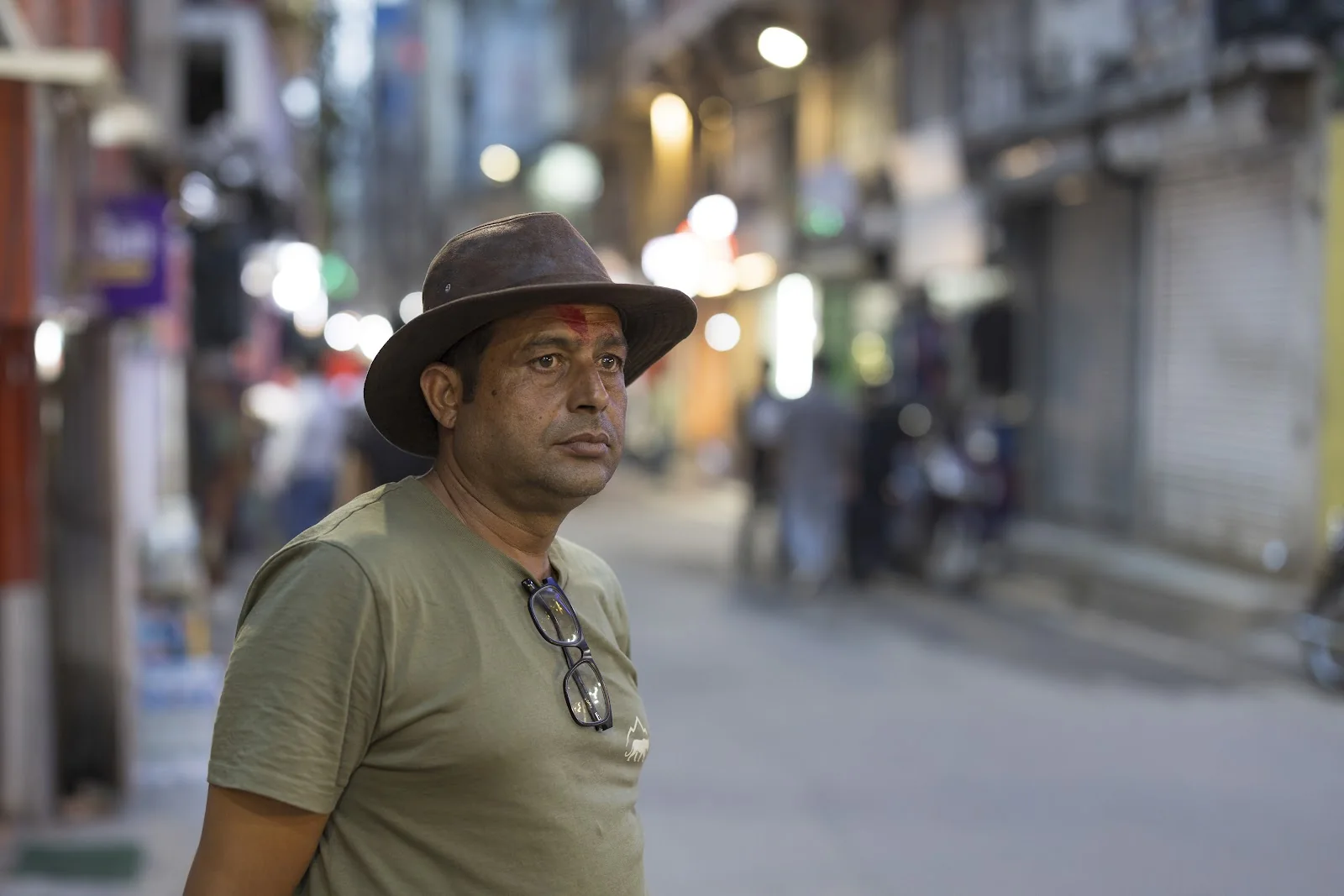
Spotting iconic megafauna in Nepal's Terai lowlands is never a matter of luck—it is the result of disciplined tracking and local ecological knowledge. Alongside Pawan—our master tracker born in Bardia, president of the local NAGA conservation association, and field collaborator for BBC wildlife film crews—we structure every safari day around the true biological rhythms of the Royal Bengal tiger (Panthera tigris tigris), the greater one-horned rhinoceros (Rhinoceros unicornis), and the Indian leopard.
1. Reading Fresh Pugmarks and Decoding Jungle Alarm Calls
During a walking safari in Bardia or a private 4x4 jeep track, the first 90 minutes after sunrise are critical. Our naturalist guides inspect the sandy riverbeds (sots) and the banks of the Karnali and Babai rivers to locate fresh pugmarks, judge track age by edge moisture, and check Sal tree trunks (Shorea robusta) for territory claw marks and scent-spraying. The moment a spotted deer (chital), sambar, or gray langur barks a sharp, repetitive alarm call, our trackers triangulate the prey's line of sight to position our small group silently at a natural river crossing.
2. Choosing the Right National Park for Your Schedule
- If you have 8 to 12 days: Head straight to Bardia National Park on our flagship 9-Day Tiger & Rhino Tracking Expedition. With 968 km² of pristine wilderness, roughly 125 adult tigers, and less than 3% of Chitwan's visitor numbers, Bardia delivers Asia's most authentic walking safari experience.
- If you are combining Kathmandu, Pokhara, and the jungle in 12 to 14 days: Chitwan National Park fits naturally between Kathmandu and the Annapurna foothills, as featured in our Chitwan Nature & Culture Safari and our 14-Day Grand Tour of Nepal.
- If you are a dedicated wildlife photographer or birder: Combining Suklaphanta and Bardia (12-Day Wild West Terai Expedition) unlocks the world's largest herds of swamp deer (Barasingha), the critically endangered Bengal florican, and Nepal's highest tiger density per square kilometer.
3. Uncompromising Ethics: Zero Captive Elephants & Direct Tharu Community Support
Unlike mass-market operators that still promote elephant-back rides in buffer zones, Jungle Nepal Adventure enforces a strict ethical charter: zero captive elephant activities, small groups capped at 4–10 travelers, family-run Tharu eco-lodges, and direct financial contributions from every booking to Bardia's Community-Based Anti-Poaching Units (CBAPU). To compare all our itineraries, transparent prices, and seasonal tiger sighting statistics, visit our comprehensive plan your safari in Nepal hub.