Combining Trek and Safari in Nepal: The Ultimate Adventure Between Two Worlds
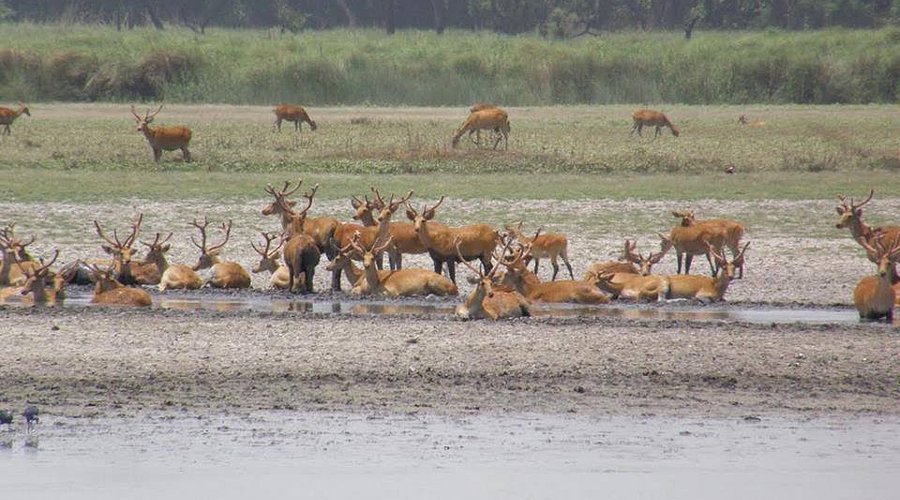
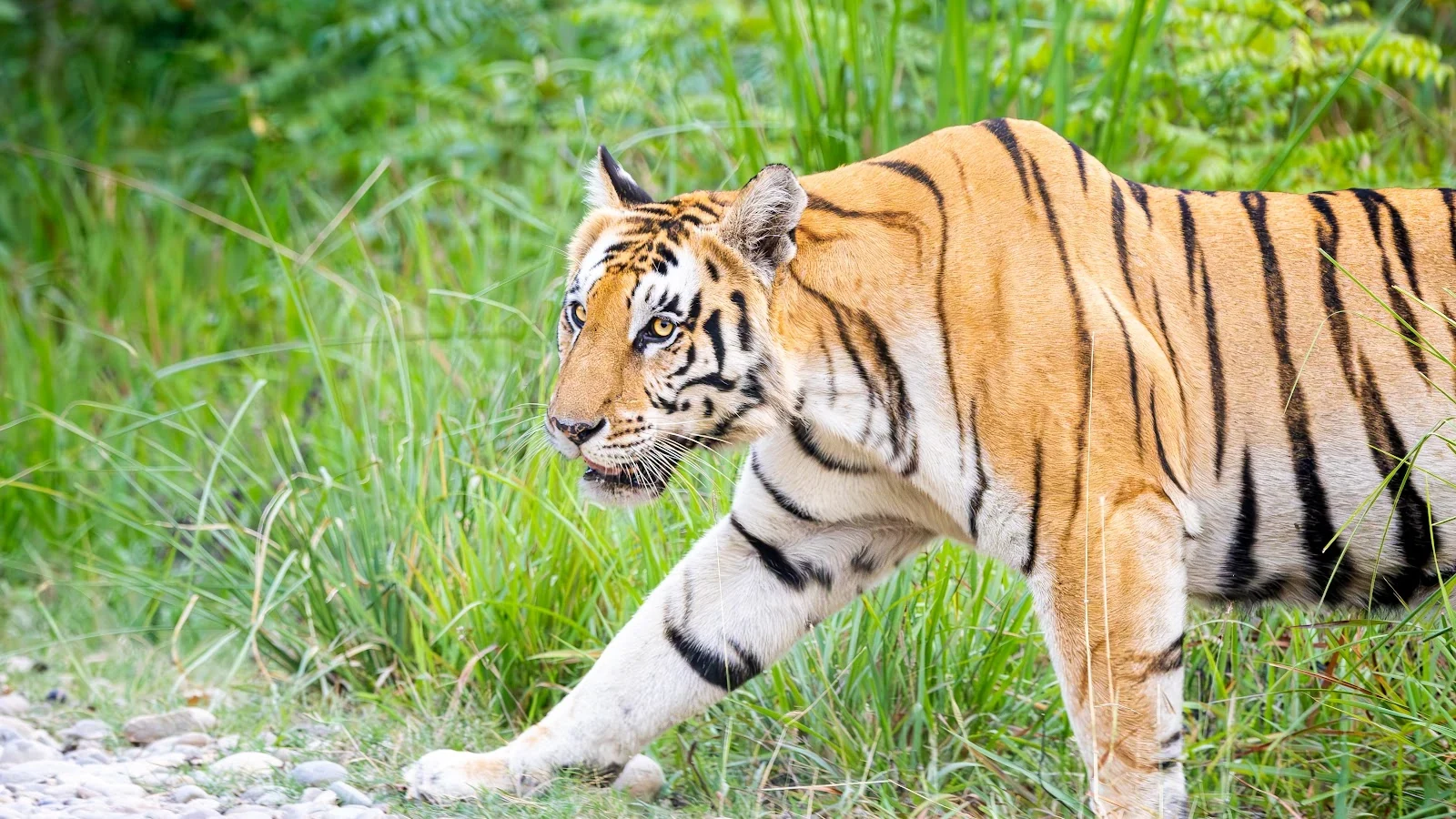
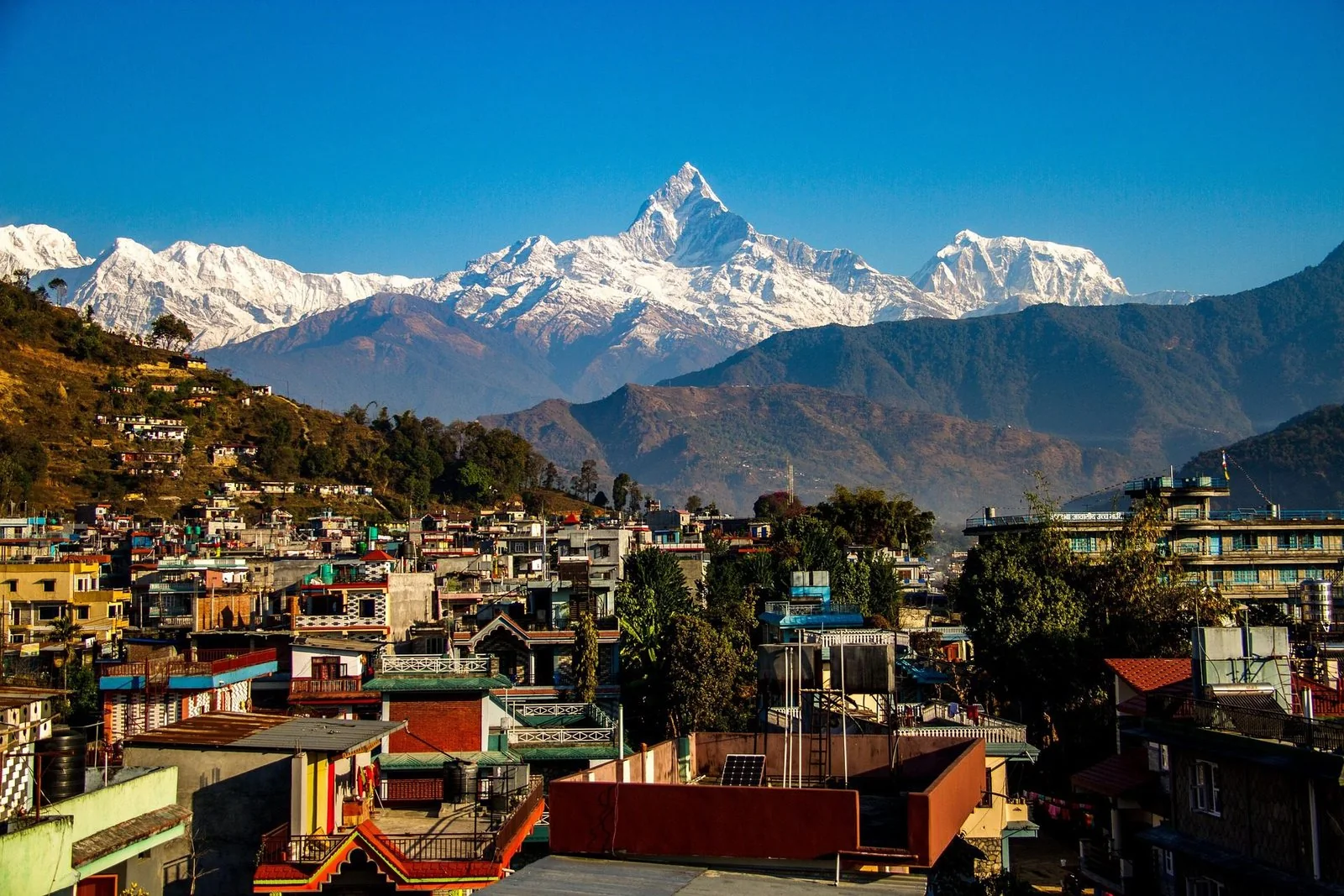
Combining a trek and a wildlife safari in Nepal means uncovering the most striking duality in Asia: the alpine trails of the Himalayas and the untamed tropical jungles of the Terai. While Nepal is world-famous for its snow-capped 8,000-meter peaks and fluttering prayer flags, few travelers realize that just a few hours south lies a radically different wilderness: a lush primary jungle safeguarding the Royal Bengal Tiger, the Greater One-Horned Rhinoceros, and wild Asian elephants.
Rather than choosing between a contemplative high-altitude trek and the pulse-pounding thrill of on-foot wildlife tracking, a masterfully crafted itinerary merges both worlds into one seamless adventure. This is the heart of our signature expedition Wild Nepal: From the Jungle to the Sacred Mountains, designed to connect pristine national parks and alpine ridges without logistical friction.
1. Why the Mountain + Jungle Combo is the Ultimate Nepal Journey
Nepal boasts the steepest elevational gradient on Earth: in less than 150 kilometers as the crow flies, the land rises from 70 meters above sea level in the southern river plains to 8,848 meters on Mount Everest. This vertical wonder creates dramatic contrasts:
- Ecosystem Transitions: From rhododendron, blue pine and glacial moraines in the Annapurnas down to dense Sal forests (Shorea robusta), 4-meter tall elephant grass savannas, and braided rivers like the Karnali and Rapti.
- Sensory Contrasts: Crisp, invigorating mountain air (5°C to 15°C during the day) followed by the balmy tropical warmth of the jungle (22°C to 28°C), serenaded by langur alarm barks and hornbill calls.
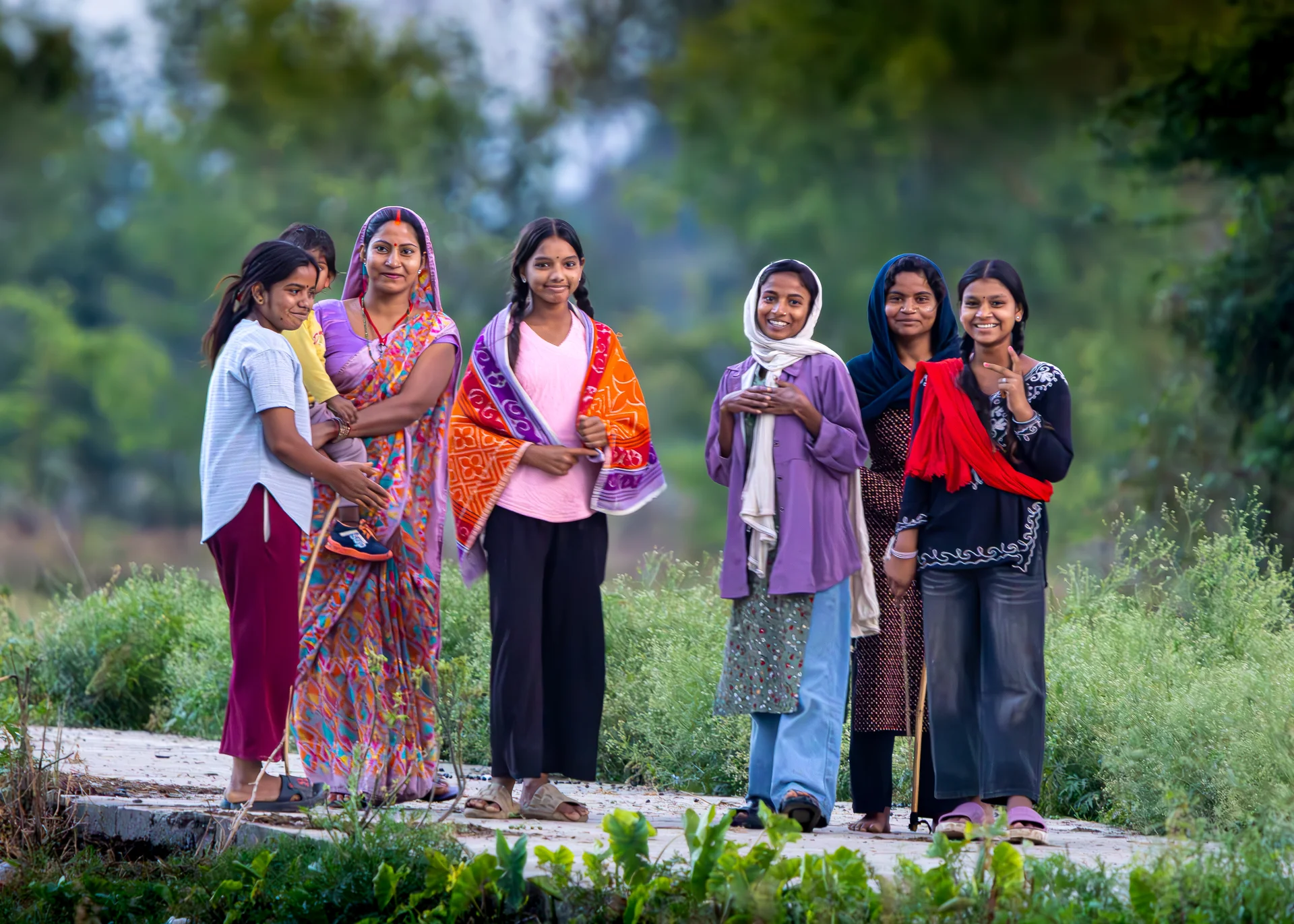
- Cultural Immersion: From cliffside Gurung and Buddhist mountain teahouse settlements down to the clay-walled hamlets of the indigenous Tharu communities in the Terai, renowned for their bioclimatic architecture and ancient animist wisdom. Learn more in our journal on Tharu culture and Bardia traditions.
2. Which Order to Choose: Trek First or Safari First?
Travelers frequently ask which sequence delivers the best flow. Both options work brilliantly depending on your season and travel style:
Option A: Trek First, Jungle as the Climax (Recommended)
Beginning in the mountains lets you channel your fresh energy into hiking right away. After 4 to 8 days of ascents across the Annapurna balconies or Kathmandu valley ridges, descending to the wild Terai feels like a glorious reward:
- You leave chilly mountain nights behind to unwind in warm, sun-drenched lowlands.
- You alternate between focused on-foot tracking and peaceful river safaris in wooden dugouts or open jeeps.
- You cap off your journey with the unforgettable, spine-tingling moment of catching the golden gaze of a wild tiger in the wild.
Option B: Safari First, Trek Afterward
This setup shines especially at season transitions:
- In October, post-monsoon jungles burst with lush green vitality, while high mountain passes continue to dry out for crystal-clear panoramas later in the month.
- In March, tracking in the Terai takes advantage of freshly cut elephant grass for peak predator visibility, before ascending into the Himalayas just as wild rhododendron forests explode into vibrant crimson bloom.
For a month-by-month weather analysis, explore our complete seasonal guide on the best time to visit Nepal for safaris and trekking.
3. Connecting the Himalayas and the Jungle Seamlessly
A classic pitfall for independent travelers is underestimating travel times on Nepal's mountain highways. Narrow winding gorges and road expansions can stretch a 300-km bus trip into a grueling 12-to-16-hour ordeal.
To protect your comfort and maximize active exploration time, we rely on domestic scenic flights and private 4WD transfers:
| Leg | Recommended Route | Travel Time | Ground Alternative (Avoid if trip < 3 weeks) |
|---|---|---|---|
| Kathmandu ➔ Pokhara (Trek base) | Scenic flight (Himalayan panorama on the right) | 25 minutes | Tourist bus: 7 to 9 hours |
| Pokhara ➔ Bardia (National Park) | Flight Pokhara – Nepalgunj + private 4WD | 1 hr flight + 2 hrs drive | Overnight bus: 14 to 16 rough hours |
| Pokhara ➔ Chitwan (National Park) | Private AC vehicle with expert driver | 4 to 5 hours | Local bus: 6 to 8 hours with frequent stops |
| Nepalgunj (Bardia) ➔ Kathmandu | Direct scheduled jet (Buddha Air / Yeti Airlines) | 50 minutes | Long-haul highway: 16 to 20 hours |
To compare the unique advantages of Nepal's two flagship national parks, see our dedicated guide: Bardia or Chitwan: which national park should you choose?.
4. Curated Trek & Safari Pairings by Fitness Level
Not every trek pairs identically with a wildlife safari. Here are our top 3 field-tested combinations:
A. Annapurna Balconies & Poon Hill + Bardia Walking Safari (Accessible)
A 12 to 15-day itinerary accessible to anyone in good health. Hiking maxes out at 3,210 meters atop Poon Hill with breathtaking sunrise vistas over Dhaulagiri (8,167 m) and Annapurna I (8,091 m), staying in comfortable family-run teahouses. You then fly west to wild Bardia for 4 days of quiet, uncrowded tiger and rhino tracking on foot. See details on our Bardia Walking Safari tour.
B. Annapurna Sanctuary / Circuit + Chitwan & Babai River Wilderness (Moderate)
For regular hikers with 18 to 21 days. Ascend to Annapurna Base Camp (4,130 m) or tackle the Thorong La pass (5,416 m) before descending into the warm subtropical forests of Chitwan and the remote Babai Valley for bush camping under the stars. Discover our Bardia Babai Wilderness Camping tour.
C. High-Altitude Dolpo / Mustang + Snow Leopard Tracking (Expert)
For dedicated wilderness naturalists. Here, the mountains are not merely scenery—they become the tracking ground for the world's most elusive feline: the snow leopard (Panthera uncia), between 3,500 and 5,000 meters. Explore our specialized snow leopard expedition in Nepal and read our field guide on where and when to spot the snow leopard in Nepal.
5. Packing Masterclass: Mountain vs. Jungle Gear
Packing for this trip requires discipline because alpine and jungle environments demand opposite gear strategies:
| Environment | Technical Priority | Key Clothing & Equipment | Recommended Colors & Fabrics |
|---|---|---|---|
| Himalayan Trek | Protection against wind, freezing cold and altitude. | 3-layer system (merino wool baselayer, fleece, Gore-Tex shell), packable down jacket, warm gloves, beanie, trekking poles, category 3/4 sunglasses. | Bright technical colors allowed for mountain safety. Quick-dry synthetic or merino wool. |
| Terai Jungle Safari | Stealth camouflage, breathability and insect protection. | Lightweight neutral trekking trousers, long-sleeve safari shirts, sturdy closed hiking boots, wide-brim bush hat, tropical insect repellent. | Strict neutral colors only: Khaki, olive green, beige, earth brown. Never wear white, bright red, neon yellow, or loud rustling nylon fabrics. |
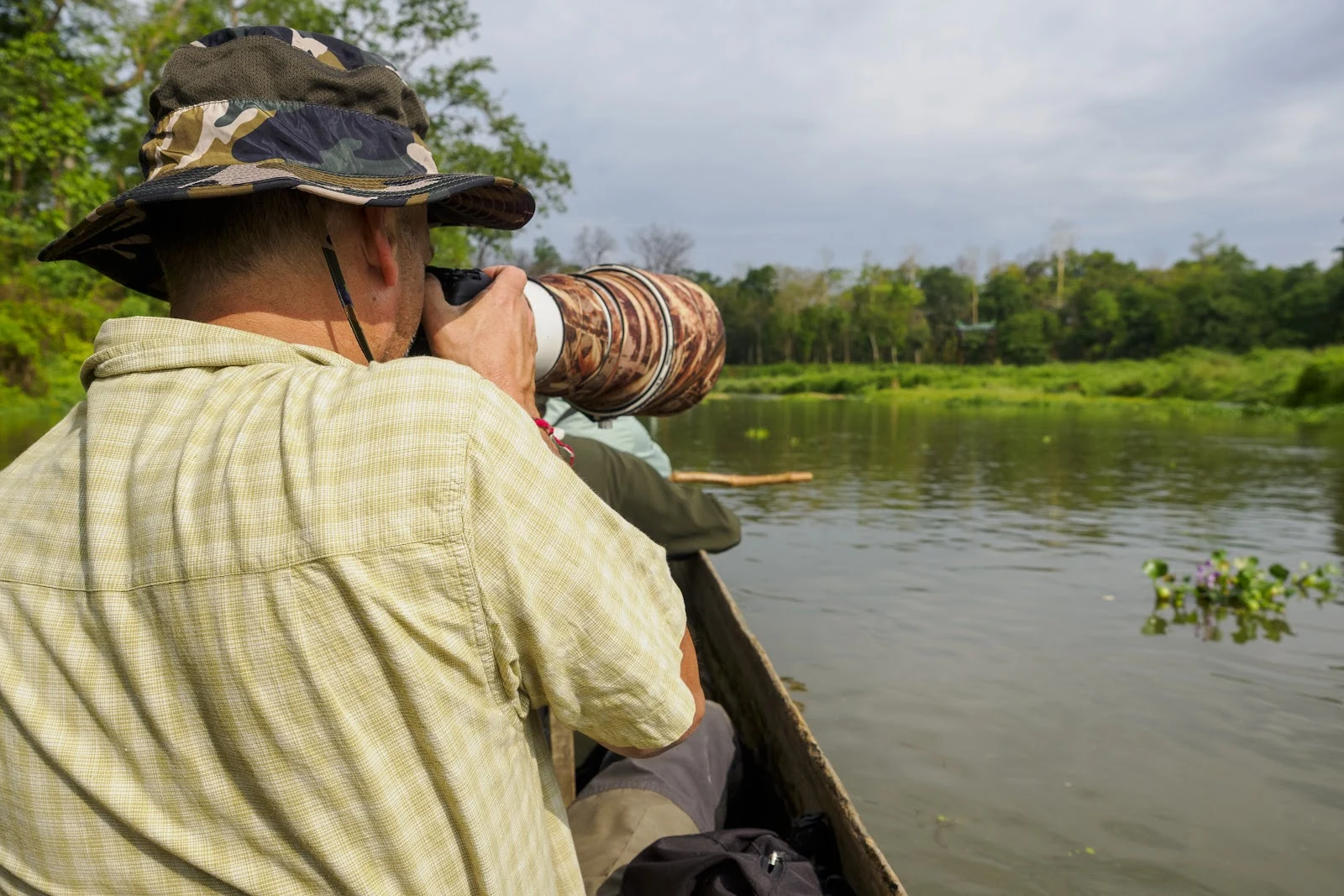
| Shared Optical Kit | Wildlife spotting from safe, ethical distances. | Waterproof 8x42 or 10x42 binoculars, camera with 300mm+ telephoto lens, dry bags to guard against trail dust. | Robust anti-fog optical coatings. |
For field guidelines and encounter protocols when walking near large wildlife, review our safety handbook: Wildlife safari safety in Nepal: field rules and predator protocols.
6. Ethical Wildlife Standards & Native Tracking Teams
The difference between a generic tour and a life-changing expedition lies in who guides you. At Jungle Nepal Adventure:
- In the mountains, all trekking guides hold official certification from the Trekking Agencies' Association of Nepal (TAAN) with high-altitude wilderness first aid training.
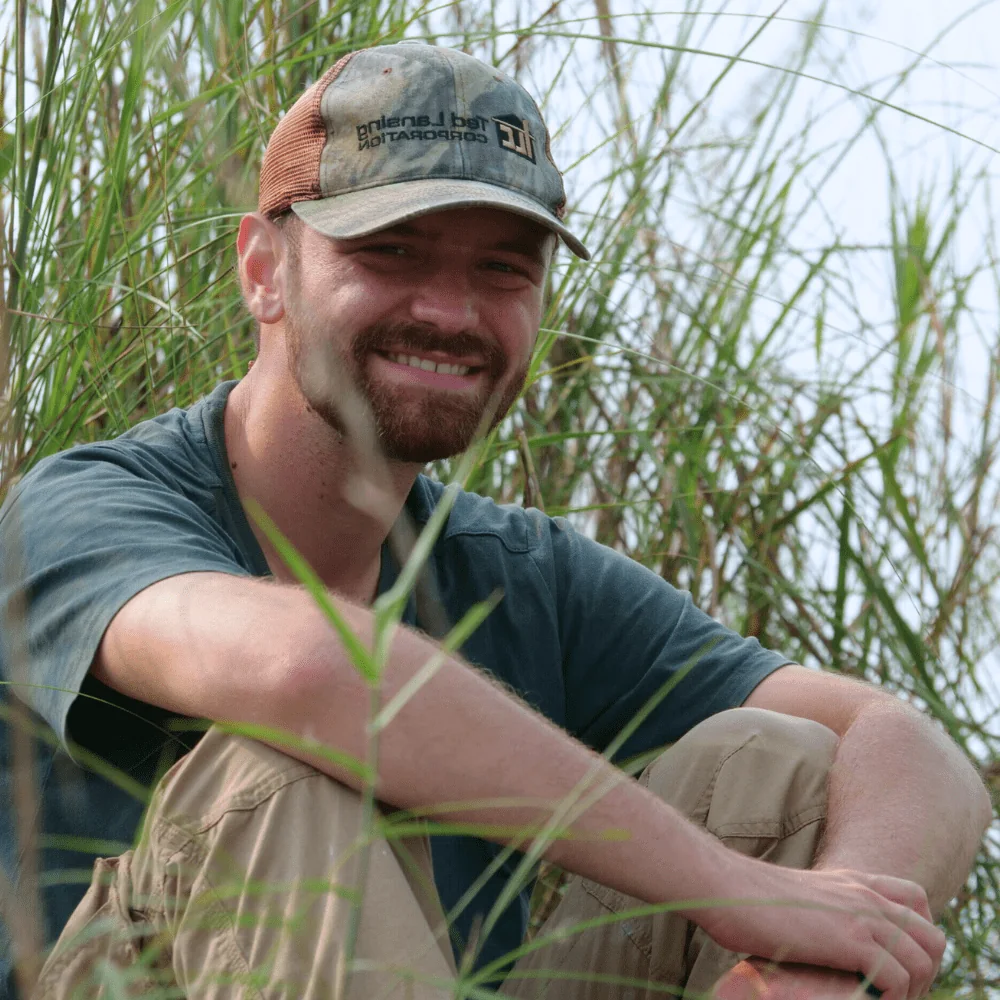
- In the jungle, you are led by our native Bardia master trackers Kiran and Pawan (former BBC Wildlife consultants), praised by conservation biologists at WWF Nepal and the Department of National Parks (DNPWC).
- We uphold an unwavering ethical code: 100% on-foot and respectful jeep safaris, a total refusal of animal riding (detailed in our manifesto against elephant riding in Nepal), and direct financial benefits for host Tharu communities.
Design Your Tailor-Made Himalayan & Jungle Journey
Whether you envision a 12-day classic loop pairing Poon Hill sunrises with wild Karnali riverbanks, or an extensive 3-week expedition across the remote sanctuaries of Western Nepal, our travel coordinators are here to co-create every step with you.
Explore our full departure lineup on our Nepal expeditions calendar or contact us via our Jungle Nepal contact page to start crafting your expedition.