Introduction: Chitwan, the Most Accessible Safari Extension After Annapurna
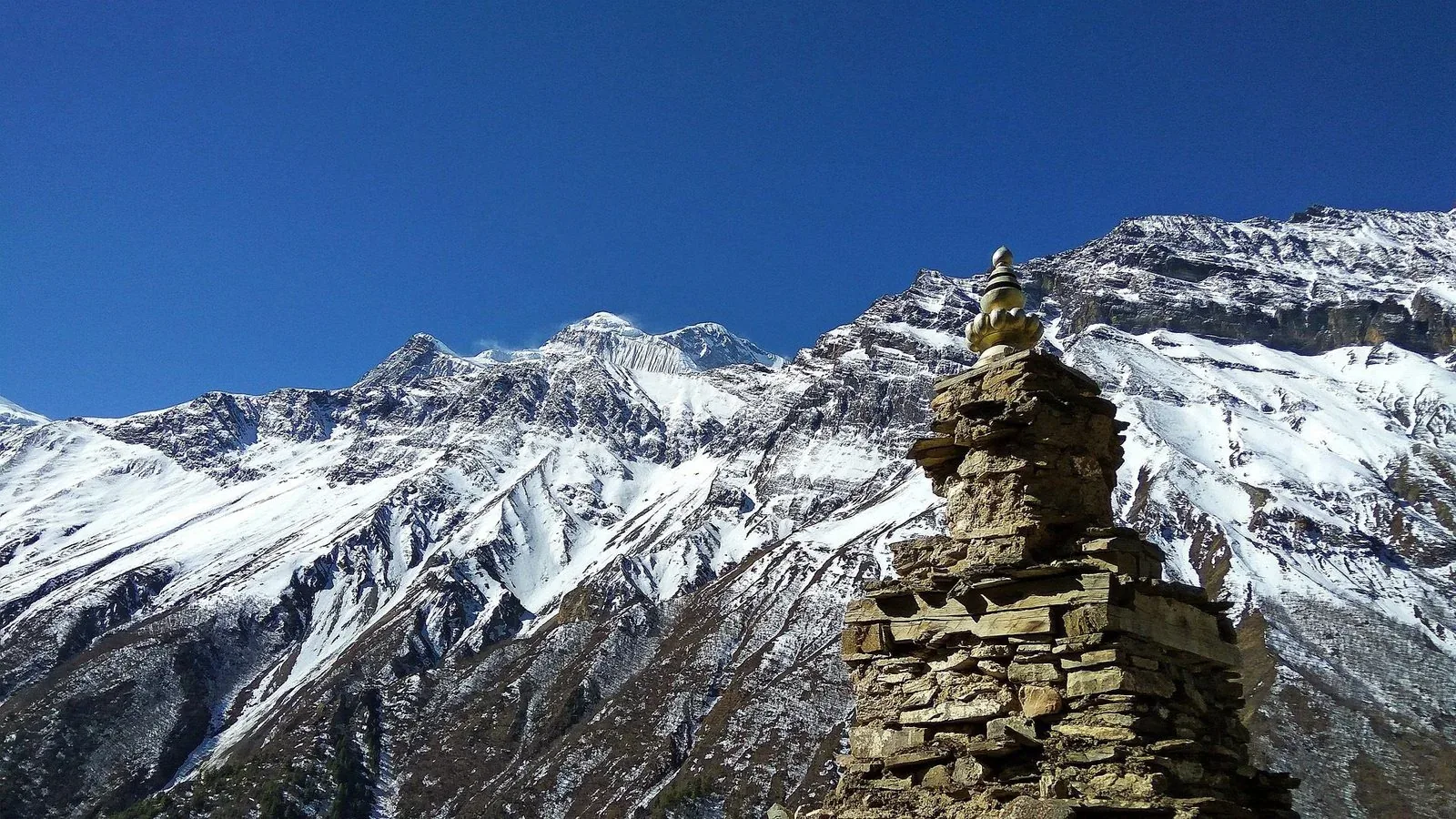
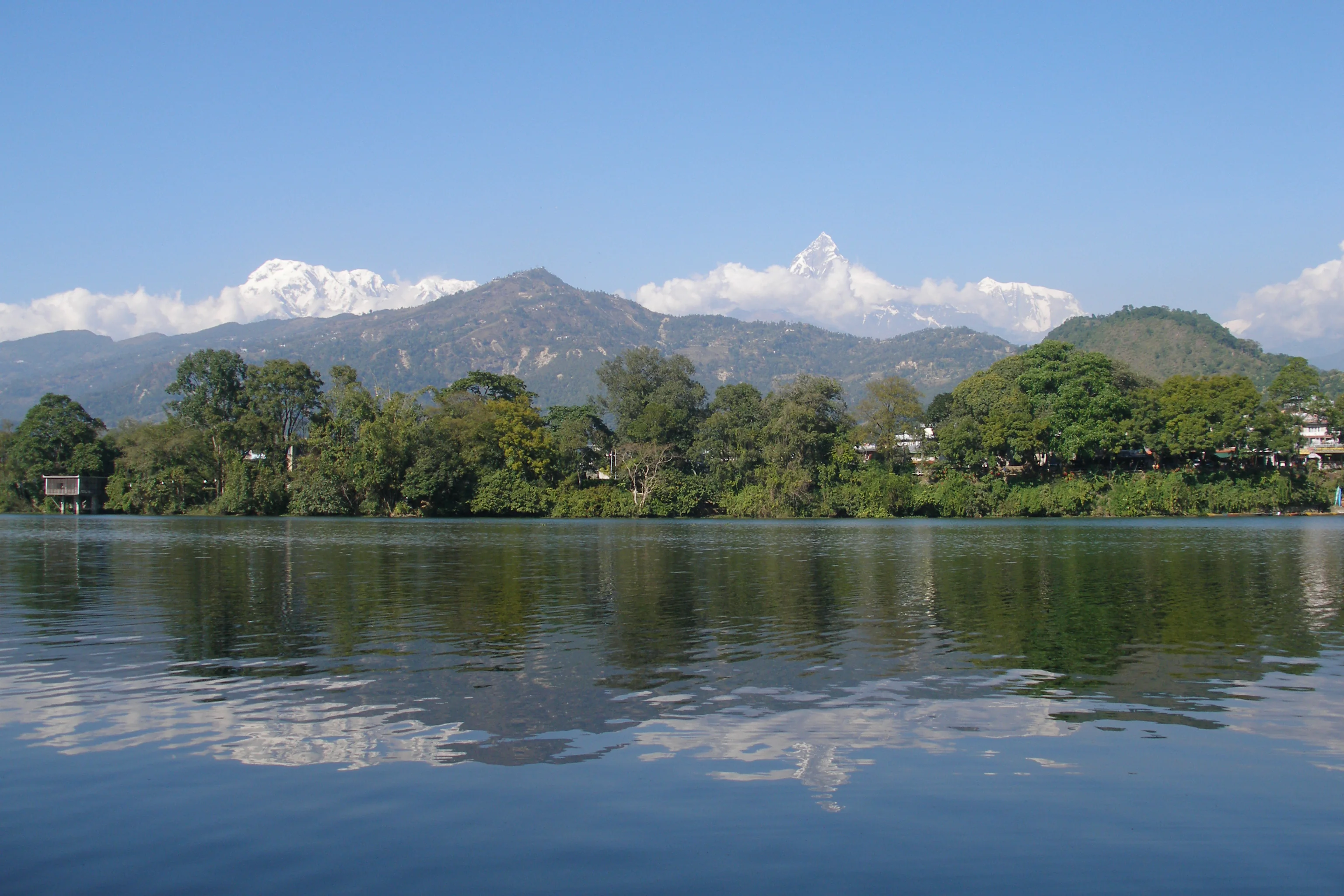
Whenever hikers complete an iconic trek in the Annapurna range—whether it's the full Annapurna Circuit, the Annapurna Base Camp (ABC) amphitheater, or the classic Poon Hill sunrise trail—the natural journey terminus is the relaxing lakeside town of Pokhara. After sipping espresso along Phewa Lake gazing at Machapuchare's reflection and enjoying an Ayurvedic massage to soothe sore calf muscles, a wonderful opportunity arises: why not cap off your Himalayan holiday with a subtropical jungle wildlife safari before heading home?
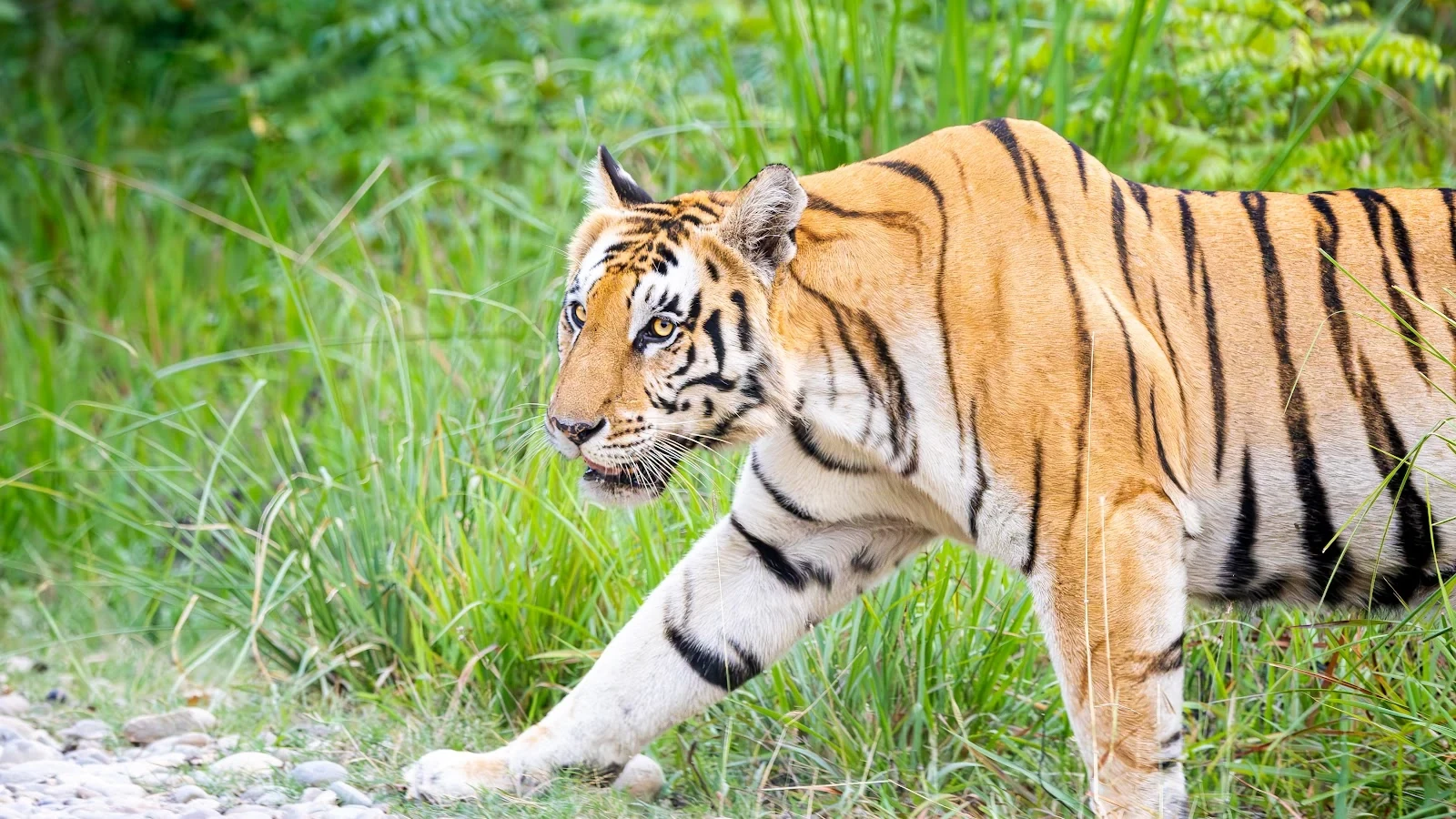
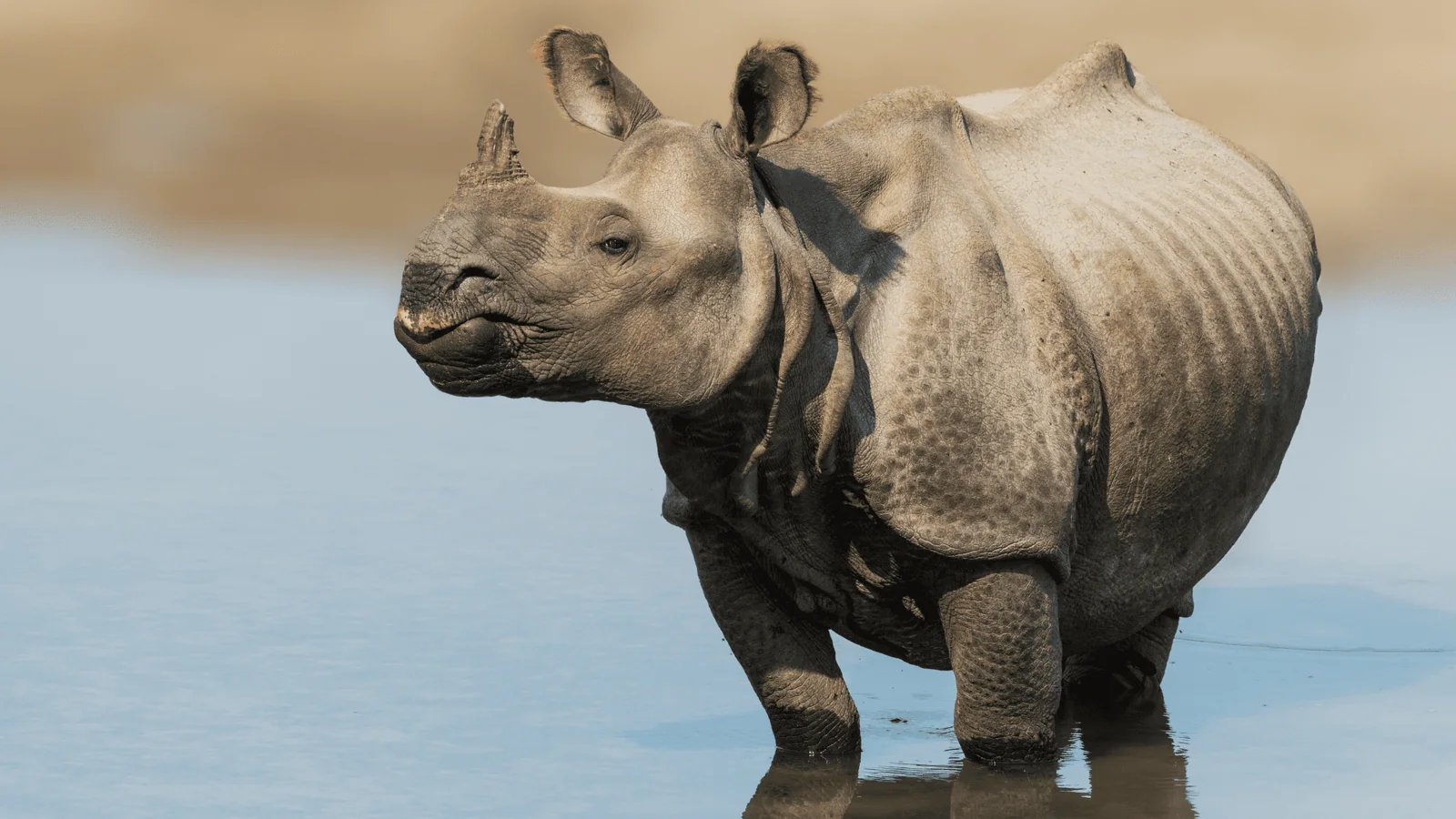
Located just a few hours' drive south of Pokhara, Chitwan National Park is Nepal's most renowned and easily accessible wildlife sanctuary. Inscribed as a UNESCO World Heritage site in 1984, this 952 km² reserve is the undisputed global stronghold of the Greater One-Horned Rhinoceros (Rhinoceros unicornis), sheltering over 690 thriving individuals, alongside wild elephants, prehistoric Gharial crocodiles, and Bengal tigers.
Because Chitwan is so popular, planning your trip thoughtfully is essential to sidestep tourist traps and experience authentic, respectful wildlife tracking. Here is our complete logistical handbook for organizing your Chitwan extension after hiking.
Seeking an ethical and genuine wildlife experience in Chitwan?
Traditional wooden dugout canoeing down the Rapti River, private 4WD jungle safaris into untamed inner zones, and respectful rhino tracking.
1. How to Travel to Chitwan from Pokhara or Kathmandu
Chitwan's central geographic location in the inner Terai lowlands makes it exceptionally convenient, positioned directly between Pokhara and Kathmandu.
From Pokhara (Ending an Annapurna, Mardi Himal or Manaslu Trek)
This is the most popular, cost-effective, and straightforward connection:
- Tourist Bus Pokhara – Sauraha (Chitwan): The gold standard for travelers. Every morning between 07:00 and 07:30 AM, comfortable air-conditioned tourist coaches depart from Pokhara's Tourist Bus Park. The route winds down scenic river canyons to Narayangarh before arriving in Sauraha. Total journey time is 5 to 6 hours for an affordable ticket of $10 to $15 (1,200 to 1,800 NPR).
- Private Car or Taxi: Takes approximately 3.5 to 4.5 hours and costs between $75 and $110 per vehicle. A great option if you prefer traveling at your own pace and stopping for roadside masala tea in the hills.
- Domestic Flights (via Bharatpur): Bharatpur Airport is only 25 minutes from Sauraha. However, there are rarely direct scheduled commercial flights between Pokhara and Bharatpur (flights usually route through Kathmandu), making the overland tourist bus significantly simpler.
From Kathmandu (Ending an Everest, Langtang or Helambu Trek)
If your trek ends in the capital:
- Express Flight Kathmandu – Bharatpur: Just a 20 to 25-minute scenic hop on Buddha Air! It bypasses highway roadworks entirely. A quick 30-minute vehicle transfer takes you straight to your lodge door.
- Tourist Bus Kathmandu – Chitwan: Daily morning coaches depart around 07:00 AM from Sorhakhutte near Thamel, taking 5 to 7 hours depending on highway traffic.
For in-depth transit advice and station locations, see our dedicated guide: How to Get to Chitwan from Kathmandu or Pokhara by Bus or Flight.
2. How Many Days Do You Need in Chitwan After Trekking?
The ideal itinerary to unwind without cutting too close to your international flight is a 3-day / 2-night package (or 4 days / 3 nights if you want to explore deeper sectors like Kasara and Madi Valley).
| Day | Recommended Schedule | Wildlife & Recovery Highlights |
|---|---|---|
| Day 1 | Arrive around 1:00 PM, lodge lunch, sunset stroll along the Rapti River beach | Total relaxation; spot your first rhinos wading in the river at dusk. |
| Day 2 | Early morning river canoe safari + Full-day private 4WD jungle jeep expedition | ★★★★★ Sightings of Gharial crocodiles, water birds, rhinos, and fresh tiger tracks. |
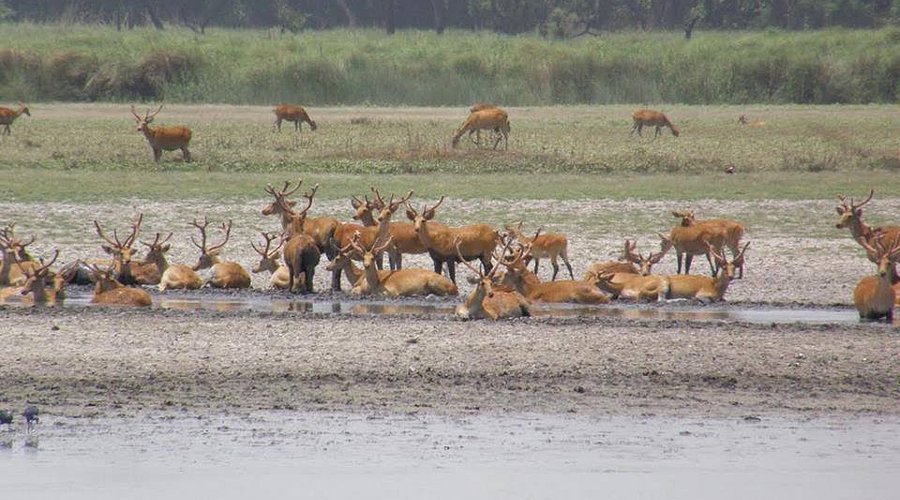
| Day 3 | Sunrise birdwatching walk, relaxing buffet breakfast, and transfer to Kathmandu/Pokhara | Spot hornbills and deer herds before your smooth journey back. |
To balance travel days across your Nepal holiday, consult: How Many Days to Plan for a Nepal Safari?.
3. Walking, Jeep, or Canoe: Best Wildlife Activities in Chitwan
Chitwan offers diverse outdoor activities that maximize wildlife viewing with minimal physical strain:
A. Silent Dugout Canoeing on the Rapti River
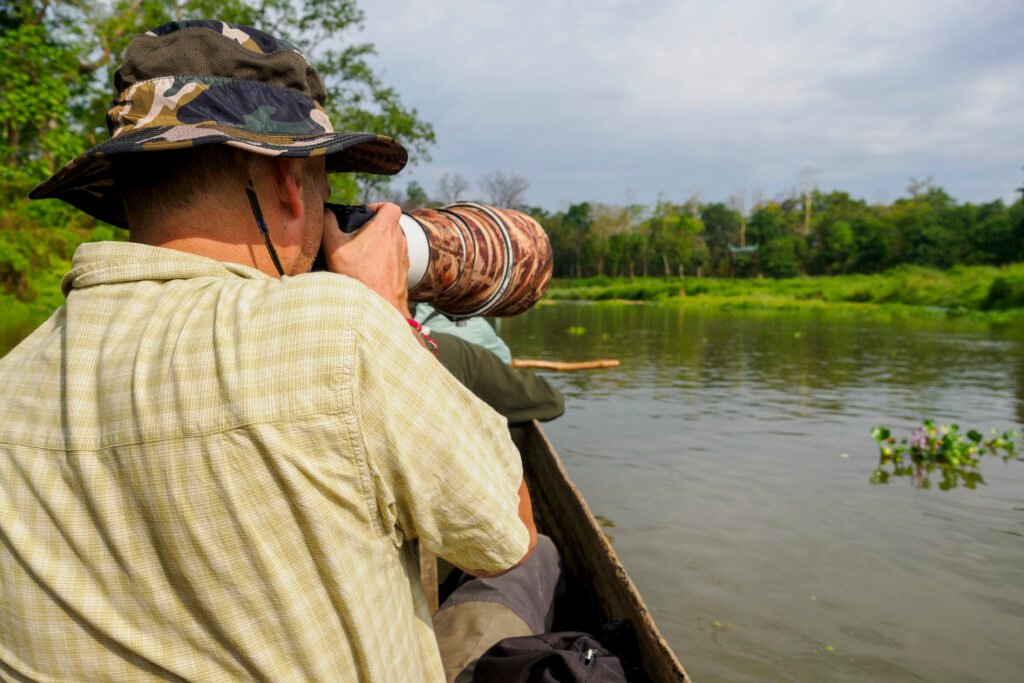
This is Chitwan's most tranquil signature experience. At sunrise, floating silently just inches above the water in a traditional hand-carved wooden canoe, you drift gently with the morning mist. Along the muddy banks, rare fish-eating Gharial crocodiles bask alongside Marsh Muggers. Kingfishers dart overhead while egrets and storks hunt in the reeds.
B. Full-Day Private 4WD Jeep Safari
To escape crowded commercial jeeps restricted to outer boundaries, we strongly recommend booking a full-day private jeep safari. This allows you to journey deep into core conservation zones, visit the Kasara Gharial breeding center, and traverse ancient Sal forests where encounters with sambar deer, sloth bears, and wild elephants are substantially higher. Check out our Chitwan Jeep Safari tour details.
C. Strictly Avoid Elephant Back Safaris
While some conventional vendors in Sauraha still advertise elephant rides, Jungle Nepal Adventure strictly refuses elephant-back safaris. This outdated practice involves harsh breaking methods (phajaan) and permanent spinal strain on captive elephants. Always choose ethical jeep or walking safaris. Learn more about our conservation stance: Elephant Back Safari in Nepal: Why We Refuse This Practice.
4. Chitwan vs. Bardia: Which Park Suits Your Post-Trek Vacation?
Here is the straightforward decision checklist for mountain travelers:
- Choose Chitwan if: You have limited time (less than 4 days), want an easy overland bus connection from Pokhara without taking extra domestic flights, and your priority is guaranteed close-up sightings of Greater One-Horned Rhinos and river crocodiles.
- Choose Bardia if: You have 4 to 6 days available, crave complete off-the-beaten-track tranquility without crowds, dream of tracking wildlife entirely on foot, and your ultimate wildlife goal is observing wild Bengal tigers.
For an exhaustive head-to-head comparison, read our detailed analysis: Bardia or Chitwan: Which Park Should You Choose for Your Nepal Safari?.
5. Estimated Budget for a Post-Trek Chitwan Safari
Chitwan is generally more budget-friendly than Bardia because it does not strictly require domestic flights. For an all-inclusive 3-day / 2-night package:
- Tourist Bus Transportation (Return from Pokhara or Kathmandu): approx. $25 to $35 per person.
- National Park Daily Entry Fee: approx. $16 (2,000 NPR) per person per day.
- Boutique eco-resort with swimming pool & full board: $40 to $90 per night.
- Full-day private 4WD Jeep charter with licensed naturalist guide: approx. $130 to $170 per jeep (split among travelers).
Overall, expect a realistic budget of $200 to $400 per person all-inclusive for 3 days of tropical safari adventures. Review our complete financial guide: Nepal Safari Prices & Inclusions.
6. Frequently Asked Questions: Transitioning from Trails to Tropics
Can you book a Chitwan safari last-minute from Pokhara?
Yes, it is entirely feasible to arrange your safari 24 to 48 hours prior to departing Pokhara or Kathmandu. However, during peak autumn and spring trekking months (October, November, March, and April), the top eco-lodges in Sauraha and full-day private jeeps book out quickly. It is best to reach out as soon as your trek finish date is locked in.
Is Chitwan physically demanding after a high-altitude trek?
Not at all! Chitwan's safari activities are wonderfully restful: you sit comfortably in wooden canoes or cushioned 4WD jeeps. It provides a soothing physical respite while keeping you immersed in extraordinary nature.
What should I pack for Chitwan?
Store heavy thermal layers and trekking poles at your Pokhara hotel. Bring lightweight breathable cotton shirts, loose-fitting safari trousers in khaki or olive, a sun hat, sunscreen, insect repellent, and binoculars. See our complete checklist: What to Pack for a Safari in Nepal.
Ready to experience the wildlife wonders of Chitwan after your trek?
Jungle Nepal Adventure designs your custom safari with expert naturalist guides, guaranteed departures, and strict ethical standards.
💡 Recommended Post-Trek Safari Packages:
If you want a hassle-free wildlife getaway after trekking in the Himalayas, check out our two tailor-made packages:
- The Chitwan 3 Days / 2 Nights Ethical Safari Escape: an all-inclusive recovery trip featuring riverside eco-lodges, sunrise river canoeing, and open 4x4 rhino tracking (100% cruelty-free).
- The Pokhara to Chitwan Safari with Kathmandu Drop-Off (3 Days): full logistics solved, including morning pick-up in Pokhara and final drop-off at your hotel or the airport in Kathmandu.