

Introduction
Embarking on a safari in Nepal means immersing yourself in a wild environment where conditions can change rapidly. Between the tropical heat, humidity, dust, and long hours exploring the jungle, thorough preparation is essential.
Are you planning a trip to Nepal and wondering what to pack for a jungle safari?
A well-organized daypack makes all the difference when it comes to enjoying the experience to the fullest.
Here is everything you need to know.
Here are the essential items to pack for a successful safari in Nepal.
Jungle-Ready Clothing
Choosing the right clothing is crucial for any wildlife safari.
Opt for lightweight, breathable fabrics in neutral tones such as khaki, beige, olive green, or light brown. These earthy colors help you blend seamlessly into the natural surroundings and avoid catching the wary eyes of wild animals.
It is also strongly recommended to pack:
- Long, lightweight pants to protect against thorns, tall grasses, and insects
- A breathable long-sleeved shirt or technical sun hoodie
- A light fleece or windbreaker jacket for crisp morning game drives
Footwear and Comfort
Safaris in Nepal often involve walking for several hours, navigating uneven trails, riverbanks, and sandy forest tracks.
A sturdy, comfortable pair of shoes is non-negotiable.
Lightweight hiking boots or sturdy trail running shoes are ideal, provided they are well broken in and comfortable for full days on your feet.
Sun and Insect Protection
The subtropical jungle can be taxing, especially under direct afternoon sun or during humid periods when biting insects are active.
Be sure to pack:
- A wide-brim safari hat or cap
- UV-blocking sunglasses
- Broad-spectrum sunscreen
- Effective insect repellent (with DEET or Picaridin)
These protective essentials will keep you comfortable and focused on wildlife sightings throughout the day.
Hydration and Daypack Essentials
Staying properly hydrated is paramount on safari, particularly during the hot, dry season in April and May when temperatures climb.
🎒 Daypack Packed? All That’s Left Is to Book Your Adventure
Jungle Nepal Adventure provides a complete pre-departure equipment checklist—zero unpleasant surprises.
Always carry an insulated reusable water bottle on extended excursions. While your guide typically provides filtered drinking water, taking your own refillable bottle is always prudent. Returning from a safari with water left over is never a problem, but running out mid-afternoon certainly is!
A compact personal kit containing daypack basics such as:
- Tissues or biodegradable wet wipes
- Hand sanitizer
- A small first-aid pouch (blister plasters, electrolyte sachets, antihistamines)
will also prove exceptionally handy out in the bush.
Tailoring Your Pack to the Safari Format
What you carry will also vary depending on the type of safari scheduled for the day.
For a 4x4 jeep safari, you can comfortably bring a larger daypack with extra layers, telephoto lenses, and snacks stored directly in the vehicle.
For a walking safari on foot, travel as light as possible: pack only water, binoculars, sun protection, and essential camera gear to remain agile and silent.
Track Wild Bengal Tigers on Foot in Bardia (50€)
Already in Nepal or traveling to the western lowlands? Join our senior native master trackers for an unforgettable full-day walking safari in Bardia National Park. Jungle bush lunch included.
Planning Your Nepal Safari with Jungle Nepal Adventure
At Jungle Nepal Adventure, our safaris are designed to provide deep, meaningful immersion into the wild.
Small intimate groups, native master trackers, foot safaris, and private 4x4 expeditions—our mission is to offer an authentic wilderness journey far from commercial mass tourism.
Explore our safari tours:
Conclusion
A wildlife safari in Nepal does not require complicated, overly technical expedition gear, but thoughtful preparation makes a world of difference in the field.
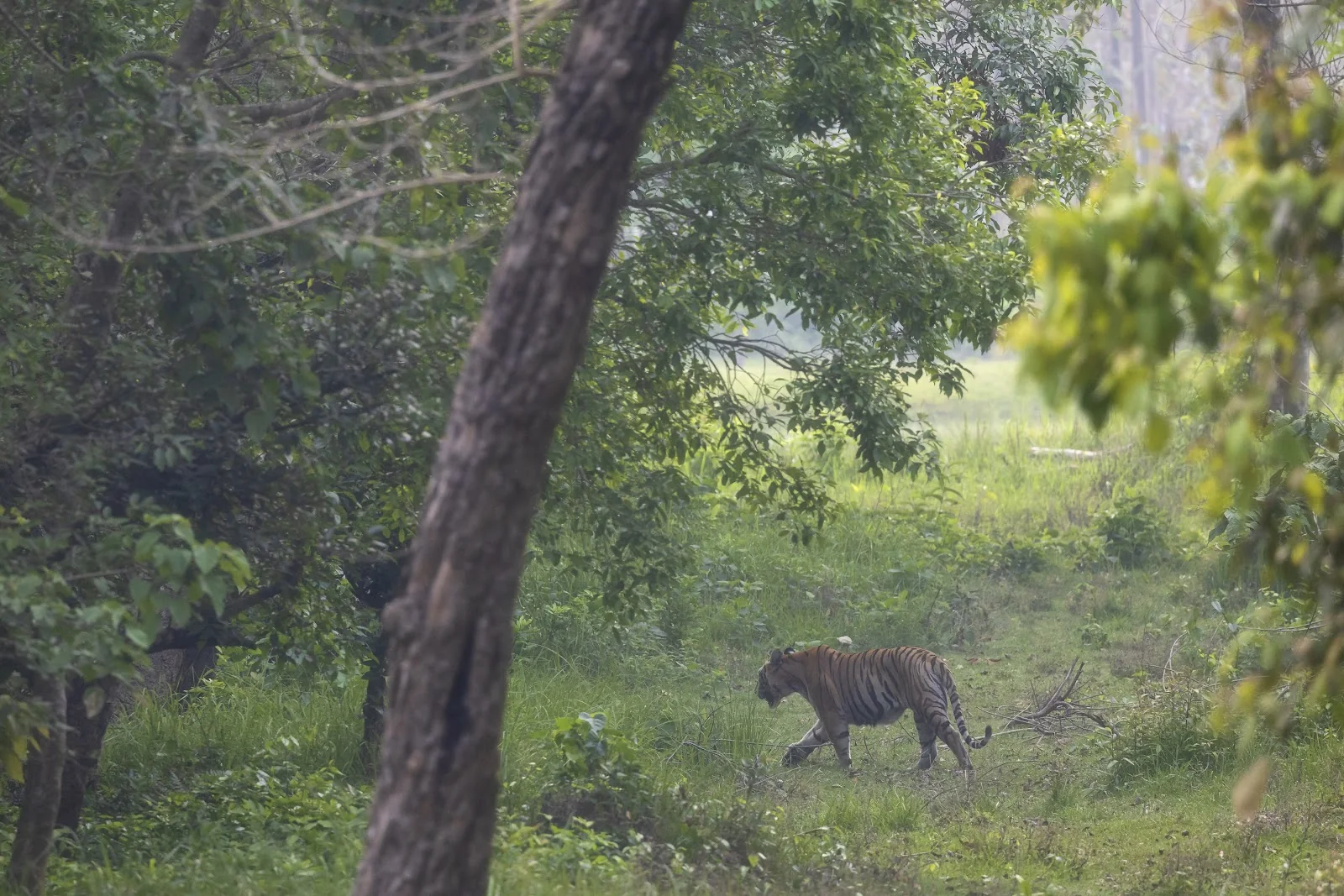
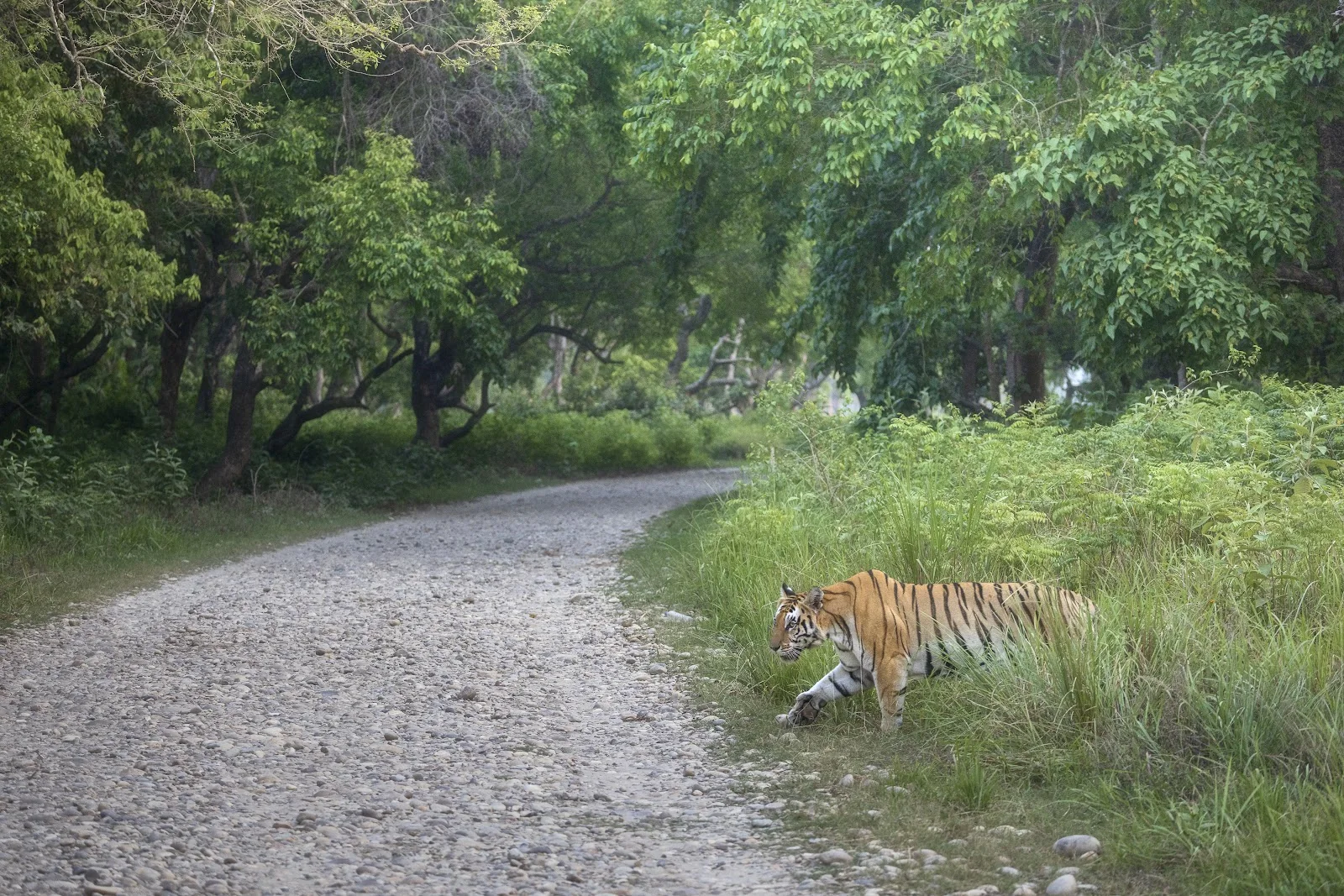
With a lightweight, well-curated daypack, you can focus 100% on the thrill of the jungle—tracking tigers, spotting rhinos, and soaking in the untouched nature of the Terai.

🌿 Bag Packed, Adventure Awaiting!
Prepare your Nepal wilderness journey with our specialist team. We guide you from packing advice right into the heart of the jungle.
Photographers should also review our specialized guide on camera gear and lenses for Nepal safari.
Recommended Bardia Experiences
Join our certified naturalists on a Bardia Walking Tiger Safari (from €50) or cover vast savannah territories in a Private 4x4 Jeep Safari (€190/vehicle).
For a complete 5-day lodge adventure: explore the Bardia Tiger Safari 5 Days (€690).
Field Expertise from Pawan & Robin: How to Maximize Your Wildlife Sightings in Nepal
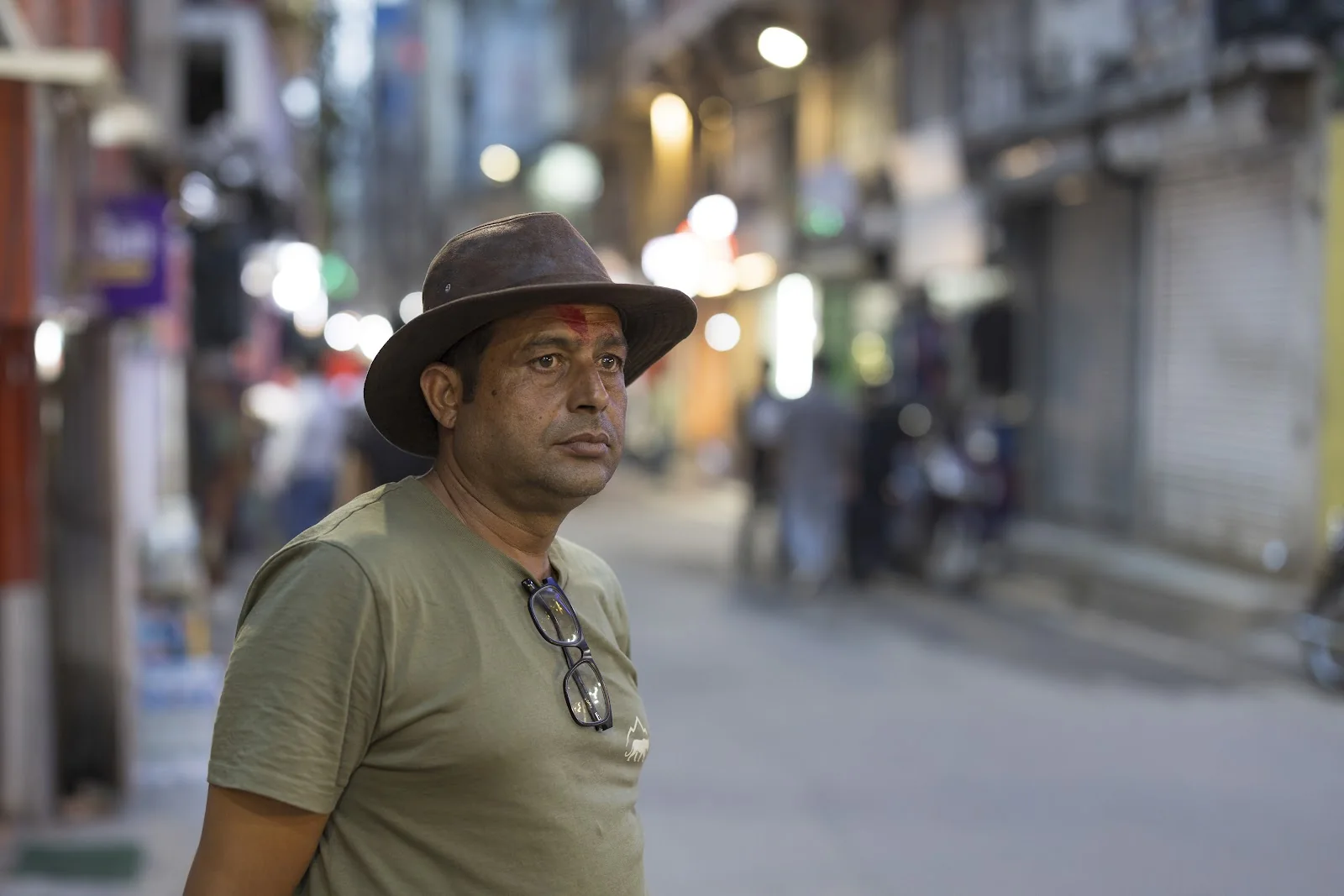
Spotting iconic megafauna in Nepal's Terai lowlands is never a matter of luck—it is the result of disciplined tracking and local ecological knowledge. Alongside Pawan—our master tracker born in Bardia, president of the local NAGA conservation association, and field collaborator for BBC wildlife film crews—we structure every safari day around the true biological rhythms of the Royal Bengal tiger (Panthera tigris tigris), the greater one-horned rhinoceros (Rhinoceros unicornis), and the Indian leopard.
1. Reading Fresh Pugmarks and Decoding Jungle Alarm Calls
During a walking safari in Bardia or a private 4x4 jeep track, the first 90 minutes after sunrise are critical. Our naturalist guides inspect the sandy riverbeds (sots) and the banks of the Karnali and Babai rivers to locate fresh pugmarks, judge track age by edge moisture, and check Sal tree trunks (Shorea robusta) for territory claw marks and scent-spraying. The moment a spotted deer (chital), sambar, or gray langur barks a sharp, repetitive alarm call, our trackers triangulate the prey's line of sight to position our small group silently at a natural river crossing.
2. Choosing the Right National Park for Your Schedule
- If you have 8 to 12 days: Head straight to Bardia National Park on our flagship 9-Day Tiger & Rhino Tracking Expedition. With 968 km² of pristine wilderness, roughly 125 adult tigers, and less than 3% of Chitwan's visitor numbers, Bardia delivers Asia's most authentic walking safari experience.
- If you are combining Kathmandu, Pokhara, and the jungle in 12 to 14 days: Chitwan National Park fits naturally between Kathmandu and the Annapurna foothills, as featured in our Chitwan Nature & Culture Safari and our 14-Day Grand Tour of Nepal.
- If you are a dedicated wildlife photographer or birder: Combining Suklaphanta and Bardia (12-Day Wild West Terai Expedition) unlocks the world's largest herds of swamp deer (Barasingha), the critically endangered Bengal florican, and Nepal's highest tiger density per square kilometer.
3. Uncompromising Ethics: Zero Captive Elephants & Direct Tharu Community Support
Unlike mass-market operators that still promote elephant-back rides in buffer zones, Jungle Nepal Adventure enforces a strict ethical charter: zero captive elephant activities, small groups capped at 4–10 travelers, family-run Tharu eco-lodges, and direct financial contributions from every booking to Bardia's Community-Based Anti-Poaching Units (CBAPU). To compare all our itineraries, transparent prices, and seasonal tiger sighting statistics, visit our comprehensive our complete Nepal safari guide hub.