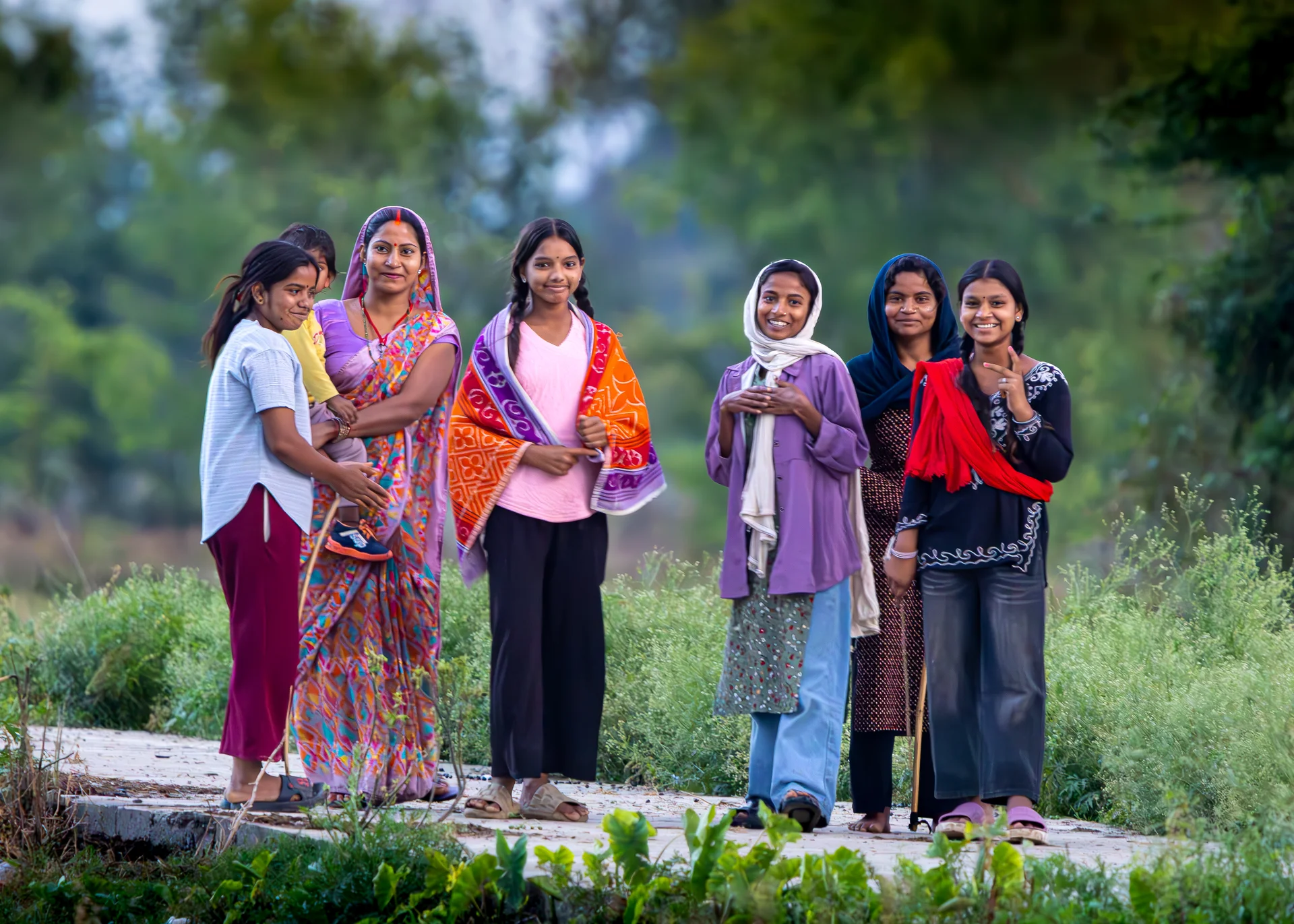
Quick Summary: Tharu Culture & Traditions in Bardia
- Guardians of the Terai: The Tharu are the indigenous inhabitants of the lowland forests, genetically adapted over millennia with hereditary malaria resistance.
- Traditional Earthen Architecture: Beautiful mud-plastered bamboo homes hand-decorated with geometric floral relief motifs, designed to stay naturally cool in the intense summer heat.
- Ancestral Cuisine: Foraged river snails (ghonghi), hand-pounded rice flatbreads (dhikri), spicy mustard fish, and fermented grain beverages (chhyang).
- Dashain & Maghi Festivals: Electrifying traditional stick dances, sacred shamanic healing rites, and vibrant autumn harvest celebrations.
To visit the jungles of southern Nepal without immersing yourself in the culture of the indigenous Tharu people is to miss the very soul of the Terai. Long before national parks, electric fences, or safari vehicles existed, the Tharu lived in intimate spiritual and physical harmony with tigers, wild elephants, and river spirits. Here is an authentic introduction to their living heritage around Bardia National Park.
1. The Forest People: Resilience and Genetic Heritage
For centuries, the southern Terai lowlands were infested with virulent strains of malaria that prevented outside settlers from clearing the jungle. The Tharu thrived in this dense environment thanks to an extraordinary genetic adaptation: high prevalence of the alpha-thalassemia gene, providing natural innate resistance to malaria. Their intimate knowledge of medicinal jungle herbs, edible roots, and wild mushrooms allowed them to live as sustainable forest stewards.
2. Earthen Art & Sustainable Architecture
Walking through the quiet hamlets of Thakurdwara or Dalla reveals an architecture made entirely of natural, local materials:
- Mud, Clay, and Rice Straw Walls: Thick insulating walls keep indoor temperatures cool during 40°C summer heatwaves and warm during chilly winter fog.
- Fresco Reliefs: Tharu women hand-sculpt raised clay reliefs depicting peacocks, deer, lotus flowers, and mythical forest deities directly onto the outer walls of family storehouses (dehri).
3. Traditional Tharu Gastronomy
Tharu cooking is healthy, fresh, and deeply tied to wetland foraging:
- Ghonghi: Fresh freshwater snails gathered from seasonal marshes, cooked in a fragrant broth of wild garlic, mustard seeds, and flaxseed powder.
- Dhikri: Steamed rice flour rolls formed by hand and served with spicy tomato-coriander relish during festivals.
- River Fish Steamed in Leaves: Marinated catch from the Geruwa river wrapped in broad Sal tree leaves and slow-cooked over burning wood coals.
Tharu Cultural Immersion & Dashain Festival Tour
Experience genuine indigenous hospitality. Stay in traditional village homestays, participate in autumn harvest celebrations, and track wildlife with native Tharu guides.
Festivals & Dance: The Tharu Stick Dance (Lathi Nach)
Music and dance are vital community bonds in Tharu life. During the major festivals of Dashain, Tihar, and Maghi (the Tharu New Year in January), male dancers perform the famous Lathi Nach (Stick Dance), clashing fire-hardened hardwood staffs in mesmerizing, rapid-fire rhythmic cadences to the beat of giant Dholak drums.
Recommended Bardia Experiences
Join our certified naturalists on a Bardia Walking Tiger Safari (from €50) or cover vast savannah territories in a Private 4x4 Jeep Safari (€190/vehicle).
For a complete 5-day lodge adventure: explore the Bardia Tiger Safari 5 Days (€690).
Field Expertise from Pawan & Robin: How to Maximize Your Wildlife Sightings in Nepal
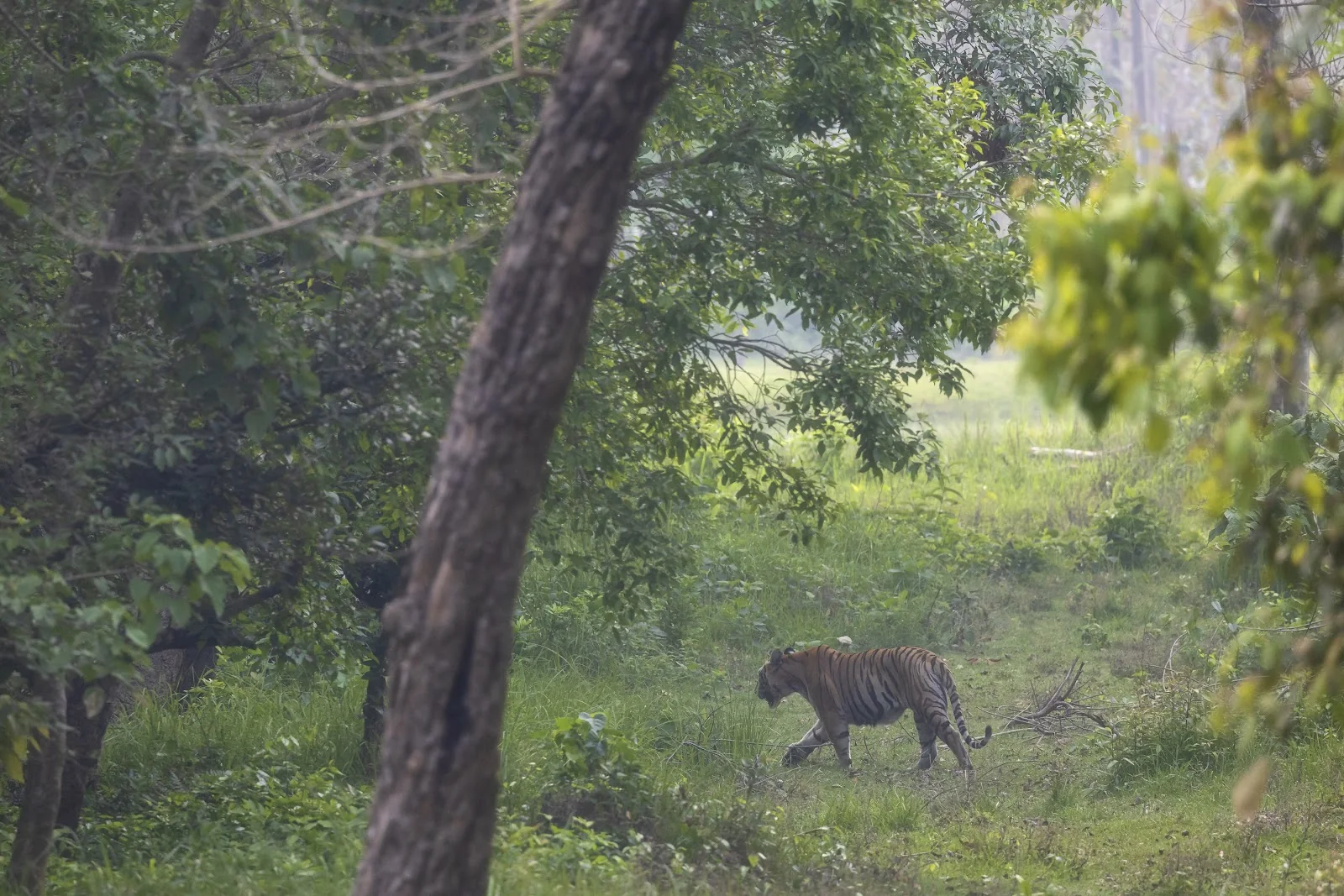
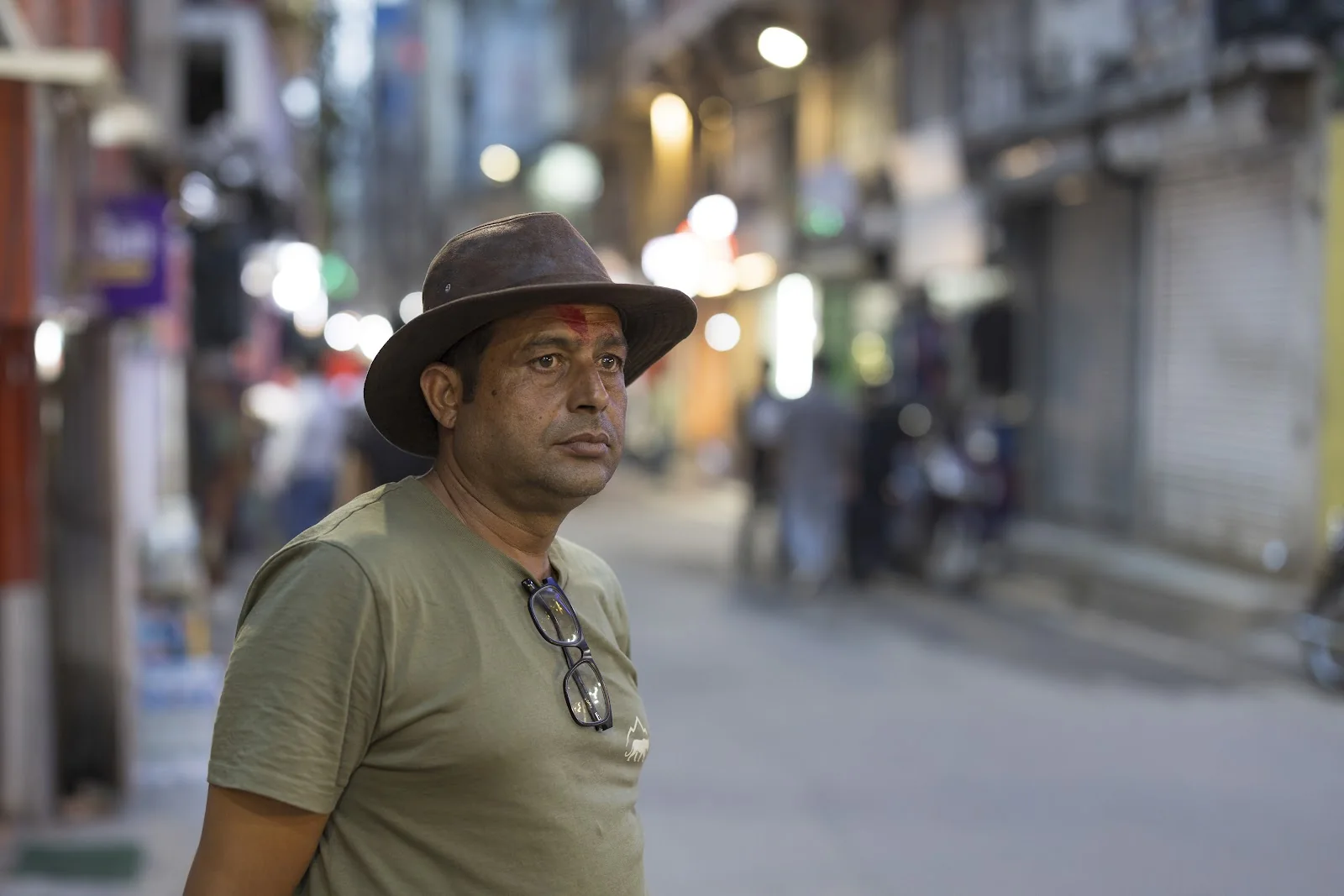
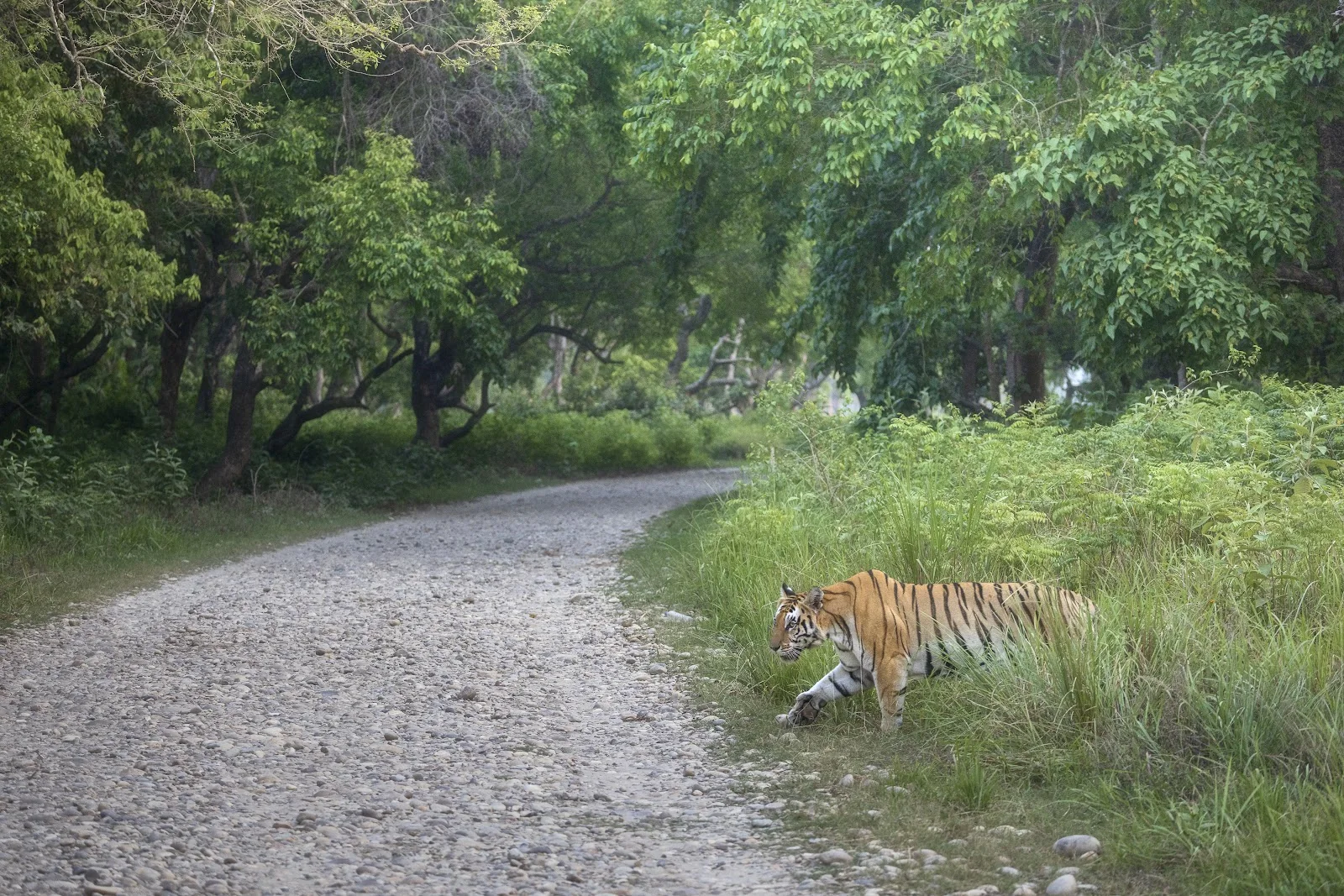
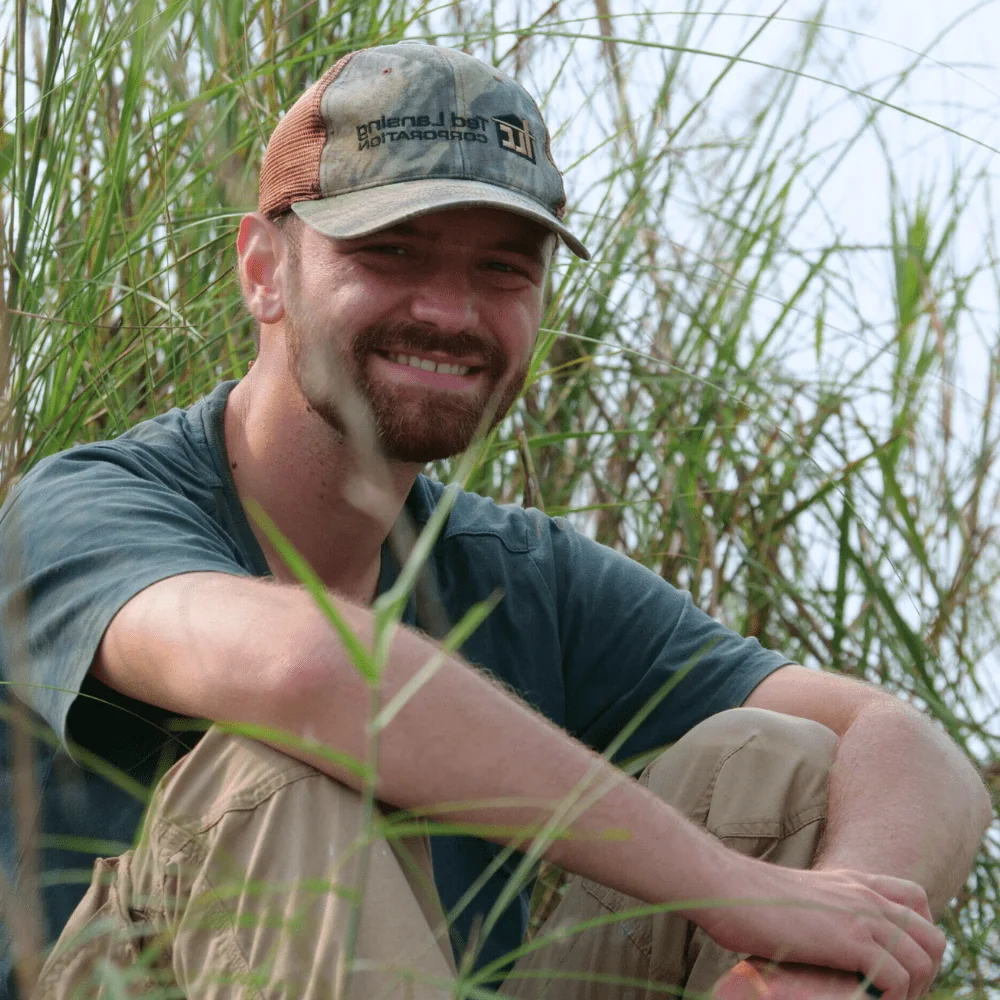
Spotting iconic megafauna in Nepal's Terai lowlands is never a matter of luck—it is the result of disciplined tracking and local ecological knowledge. Alongside Pawan—our master tracker born in Bardia, president of the local NAGA conservation association, and field collaborator for BBC wildlife film crews—we structure every safari day around the true biological rhythms of the Royal Bengal tiger (Panthera tigris tigris), the greater one-horned rhinoceros (Rhinoceros unicornis), and the Indian leopard.
1. Reading Fresh Pugmarks and Decoding Jungle Alarm Calls
During a walking safari in Bardia or a private 4x4 jeep track, the first 90 minutes after sunrise are critical. Our naturalist guides inspect the sandy riverbeds (sots) and the banks of the Karnali and Babai rivers to locate fresh pugmarks, judge track age by edge moisture, and check Sal tree trunks (Shorea robusta) for territory claw marks and scent-spraying. The moment a spotted deer (chital), sambar, or gray langur barks a sharp, repetitive alarm call, our trackers triangulate the prey's line of sight to position our small group silently at a natural river crossing.
2. Choosing the Right National Park for Your Schedule
- If you have 8 to 12 days: Head straight to Bardia National Park on our flagship 9-Day Tiger & Rhino Tracking Expedition. With 968 km² of pristine wilderness, roughly 125 adult tigers, and less than 3% of Chitwan's visitor numbers, Bardia delivers Asia's most authentic walking safari experience.
- If you are combining Kathmandu, Pokhara, and the jungle in 12 to 14 days: Chitwan National Park fits naturally between Kathmandu and the Annapurna foothills, as featured in our Chitwan Nature & Culture Safari and our 14-Day Grand Tour of Nepal.
- If you are a dedicated wildlife photographer or birder: Combining Suklaphanta and Bardia (12-Day Wild West Terai Expedition) unlocks the world's largest herds of swamp deer (Barasingha), the critically endangered Bengal florican, and Nepal's highest tiger density per square kilometer.
3. Uncompromising Ethics: Zero Captive Elephants & Direct Tharu Community Support
Unlike mass-market operators that still promote elephant-back rides in buffer zones, Jungle Nepal Adventure enforces a strict ethical charter: zero captive elephant activities, small groups capped at 4–10 travelers, family-run Tharu eco-lodges, and direct financial contributions from every booking to Bardia's Community-Based Anti-Poaching Units (CBAPU). To compare all our itineraries, transparent prices, and seasonal tiger sighting statistics, visit our comprehensive experience a walking and jeep safari in Nepal hub.