Camping in Bardia, Nepal: Why Sleeping in the Heart of the Jungle Changes Everything
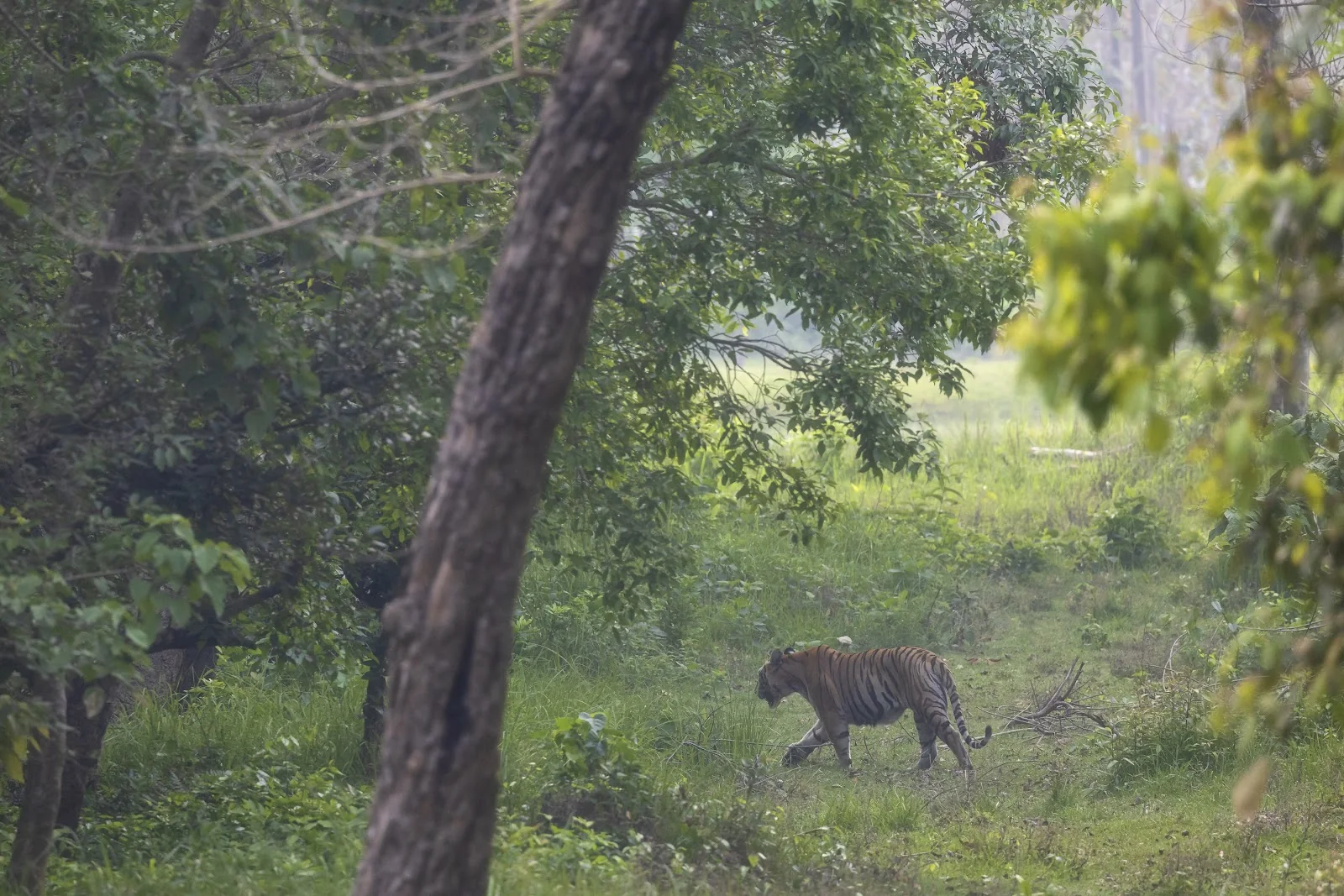
Do you think a safari in Nepal is limited to a jeep, an air-conditioned lodge, and a return to civilization before nightfall? Camping in Bardia will shatter that misconception. Imagine: a tent pitched along a riverbank where wild elephants come to drink, the distant roar of a tiger at 3:00 AM, and waking up to the sound of barking deer calling through the morning mist.
Camping in Bardia, Nepal is the most immersive experience you can have in an Asian national park. And yet, very few travel guides talk about it. This guide gives you the complete, insider picture.
The Myth of the Mandatory Lodge: Why It’s Wrong
Many travelers assume staying in a lodge is the only way to experience a safari in Bardia. That is untrue—and for genuine wilderness lovers, the opposite is true. Nepal’s Department of National Parks and Wildlife Conservation (DNPWC) permits camping in buffer zones and designated park sectors, provided you hold the required permits and are escorted by certified naturalist guides.
A lodge is undeniably comfortable. But it cuts you off from the jungle the moment the sun goes down. Yet it is precisely after dark that the forest truly comes alive: apex predators begin to prowl, spotted deer ring out piercing alarm calls, owls hunt through the canopy, and the entire nocturnal ecosystem awakens.
When you go camping in Bardia, you never leave the wilderness. You become an integral part of it.
What a Night of Jungle Camping in Bardia Looks Like
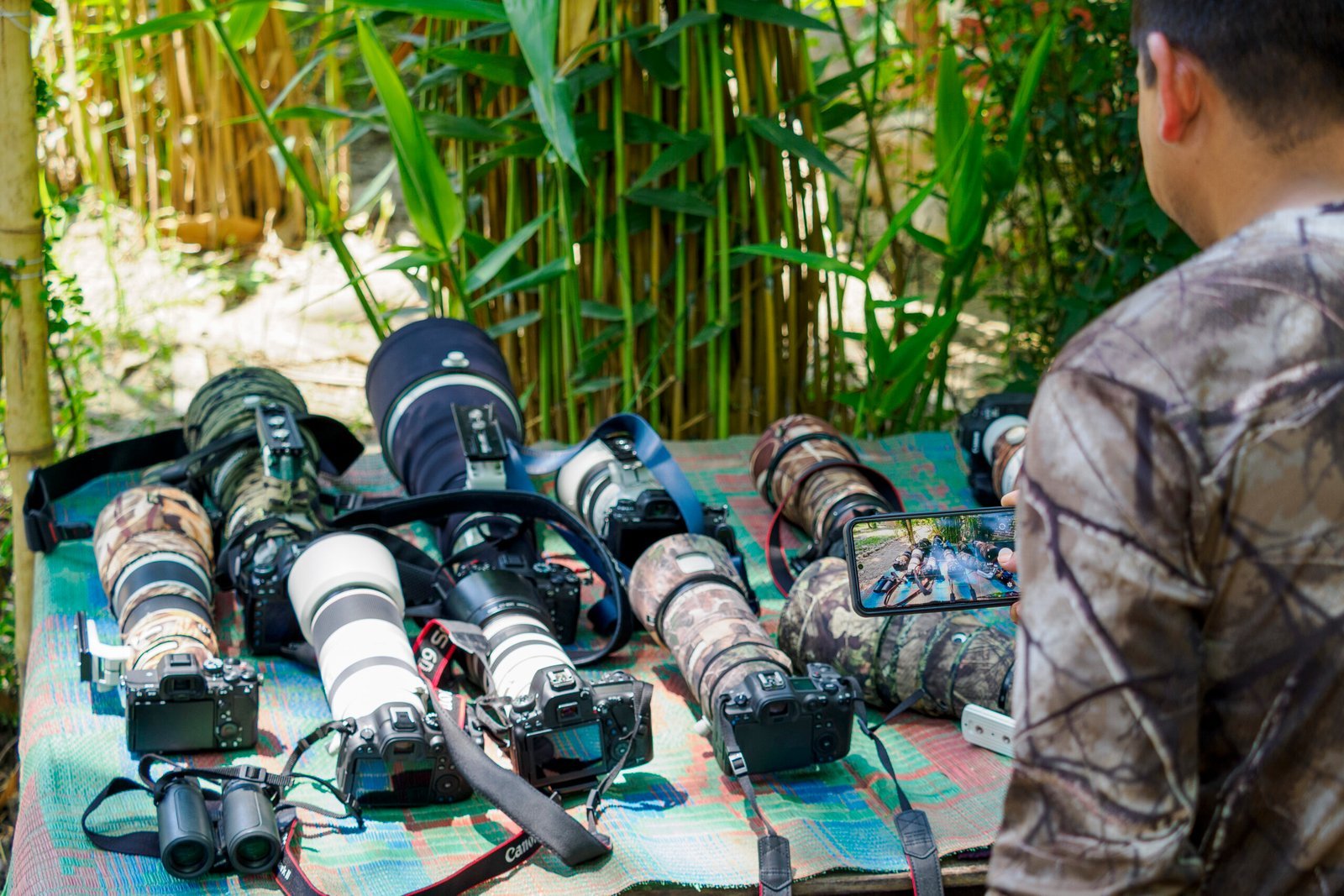
Camp Setup
The Jungle Nepal Adventure team sets up the bivouac camp late in the afternoon, always in a strategic, carefully chosen location: near a water source, sheltered from the wind, and in a secure zone. The tents are sturdy, spacious, and outfitted with sleeping mattresses and linens. A covered mess awning serves as the camp kitchen and dining area.
The camp setup includes:
- 2-person all-weather tents with thick sleeping pads and warm blankets
- Camp kitchen — freshly prepared hot meals cooked on-site (traditional dal bhat, local curries, fresh chapatis)
- Campfire — gathering focal point for the evening safety briefing and naturalist recap
- Eco-friendly dry toilet set up at a discreet, safe distance
- Continuously filtered, purified drinking water
The Jungle’s Nocturnal Symphony
This is the moment every Bardia camper remembers forever. Once the campfire dies down and the headlamps are switched off, the jungle speaks. The sounds you will hear include:
- The sharp bark of the chital (spotted deer) — an alarm call that often signals an approaching predator
- The deep bellow of the sambar deer — a resonant call frequently triggered by a moving tiger
- The haunting hoot of the dusky eagle-owl — one of Asia’s most formidable raptors
- Crackling branches and heavy footsteps — wild elephants or one-horned rhinos moving through the dense undergrowth
- The low, thunderous roar of a Bengal tiger — rare but unforgettable, a sound reverberating across miles of pristine forest
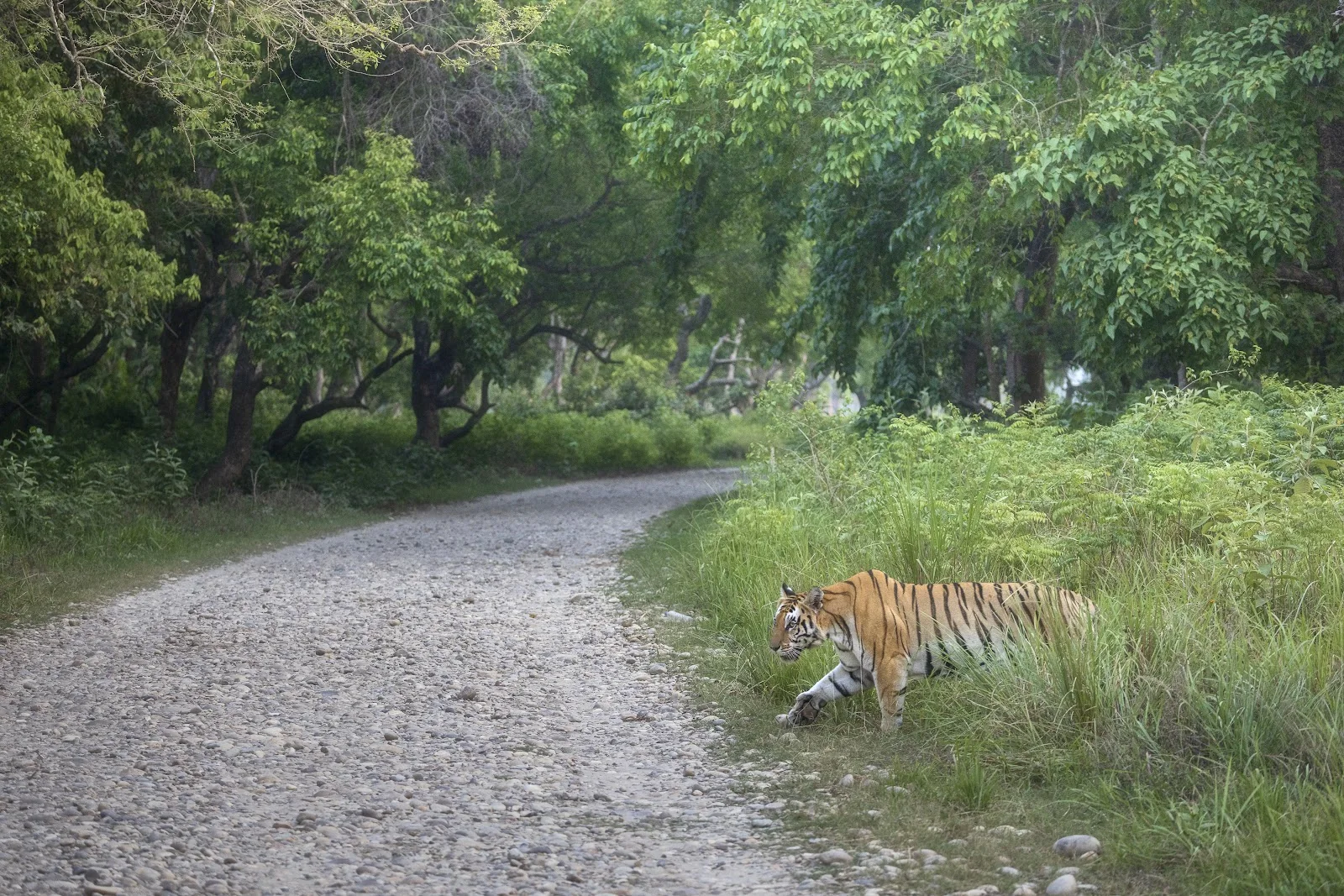
According to WWF Nepal, Bardia National Park harbors one of the highest densities of wild Bengal tigers anywhere in the world. Sleeping in their native territory is a profound encounter with raw nature—and an exercise in total humility and respect toward these magnificent apex predators.
The Wake-Up Call: Dawn Safari
At 5:30 AM, the camp stirs to life. Steaming hot tea, biscuits, and a prompt departure for a walking safari through the dawn mist. This is when wildlife sightings are at their peak: animals begin their morning movements, fresh pugmarks stand out clearly in the damp soil, and the low-angled golden light provides breathtaking conditions for photography.
🏕️ Sleep in the Heart of the Bardia Jungle
Wilderness camping, foot tracking safaris, and complete immersion. Our native naturalist guides lead you through this once-in-a-lifetime adventure.
Camping vs. Lodge in Bardia: An Honest Comparison
Both accommodation styles have distinct advantages. Here is an objective, practical breakdown:
| Criteria | Wild Camping | Jungle Lodge |
|---|---|---|
| Immersion | ★★★★★ — Total, 24/7 wilderness experience | ★★★ — Daytime only |
| Comfort | ★★★ — Reliable but authentic and rustic | ★★★★ — Private en-suite room, hot shower |
| Nocturnal Wildlife | ★★★★★ — Night sounds, fresh morning tracks | ★★ — Very limited |
| Safety | ★★★★ — 24/7 certified guides + campfire | ★★★★★ — Solid walled structures |
| Best Suited For | Adventurers, photographers, wildlife enthusiasts | Families, first-time safari travelers |
The best part: Jungle Nepal Adventure’s itineraries often blend both—3 nights in a lodge combined with 1 to 2 nights wild camping, giving you the best of both worlds.
What Gear Do You Need for Camping in Bardia?
All camping infrastructure (tents, cooking gear, filtered water) is provided by the agency. You only need to bring your personal items. Check out our complete Nepal safari packing list for full details, but here are the key essentials specifically for camping:
- Headlamp with red light mode — essential for moving safely around camp at night without dazzling wildlife
- Lightweight sleeping bag (provided on request, though bringing your own is recommended in winter)
- Warm layers and fleece — jungle night temperatures can drop to 10–15°C (50–59°F) during the winter months
- Effective insect repellent — proximity to rivers and watering holes attracts bugs at twilight
- Camera with high-ISO low-light capability — to capture the early morning mist and twilight scenes
Track Wild Bengal Tigers on Foot in Bardia (50€)
Already in Nepal or traveling to the western lowlands? Join our senior native master trackers for an unforgettable full-day walking safari in Bardia National Park. Jungle bush lunch included.
Safety: Is It Dangerous to Camp in Tiger Territory?
A very natural question. The short answer: no, provided you are accompanied by experienced, professional guides. Campsites are established by naturalists who have navigated this terrain for decades. The active campfire, constant human alertness, and strategic bivouac positioning naturally deter large mammals from approaching.
Wildlife incidents during professionally guided camps are exceedingly rare. The Bengal tiger, despite its apex predatory power, instinctively avoids contact with humans. Jungle Nepal Adventure guides adhere to rigorous safety protocols recognized and approved by the DNPWC.
FAQ — Camping Bardia Nepal
Do I need to bring my own tent to camp in Bardia?
No, all camping gear is provided by the agency: weather-resistant tents, mattresses, blankets, camp kitchen facilities, and purified drinking water. You only need to bring your personal clothing and gear.
Is jungle camping in Bardia safe?
Yes, when accompanied by professional trackers. DNPWC-certified naturalist guides maintain round-the-clock surveillance. The campfire and strategic camp placement naturally deter wildlife from approaching.
What is the best time of year to camp in Bardia?
October through March provides dry, pleasantly cool nights. April and May offer prime tiger tracking around shrinking waterholes. Camping is suspended during the monsoon season (June to September) due to heavy rains and river flooding.
🌿 Ready to Sleep in the Heart of the Jungle?
Contact our team to incorporate an unforgettable night of wilderness camping into your custom Bardia safari itinerary.
Experience true wilderness isolation on our Babai Valley Wild Camping Safari (4 Days) or spend an unforgettable night in an elevated observation hide with our Bardia Bivouac & Treehouse Night (from €290).
Recommended Bardia Experiences
Join our certified naturalists on a Bardia Walking Tiger Safari (from €50) or cover vast savannah territories in a Private 4x4 Jeep Safari (€190/vehicle).
For a complete 5-day lodge adventure: explore the Bardia Tiger Safari 5 Days (€690).