
Wildlife Photography Safari in Nepal: The Ultimate Guide to Photographing Bengal Tigers and Asian Wildlife
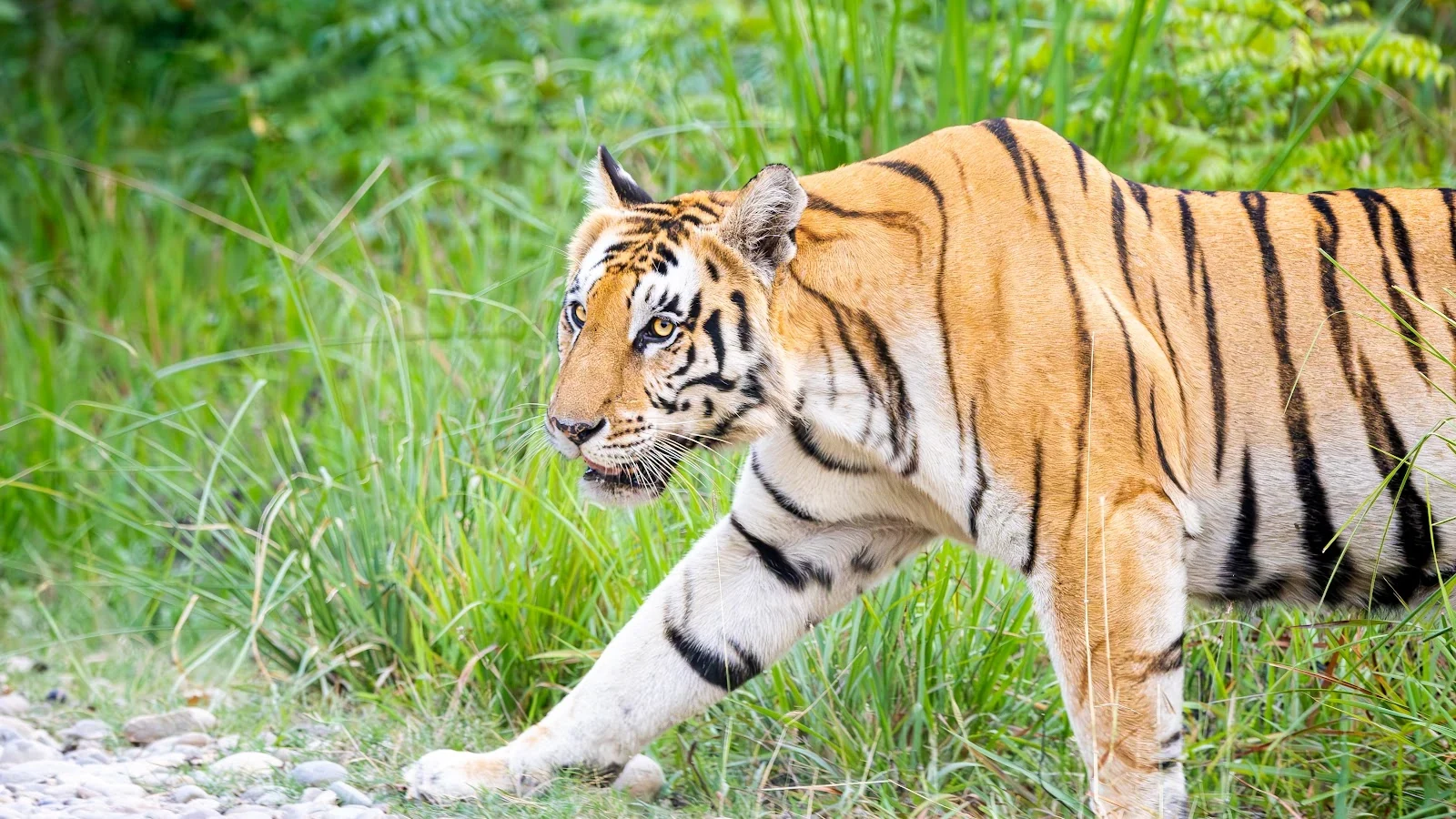
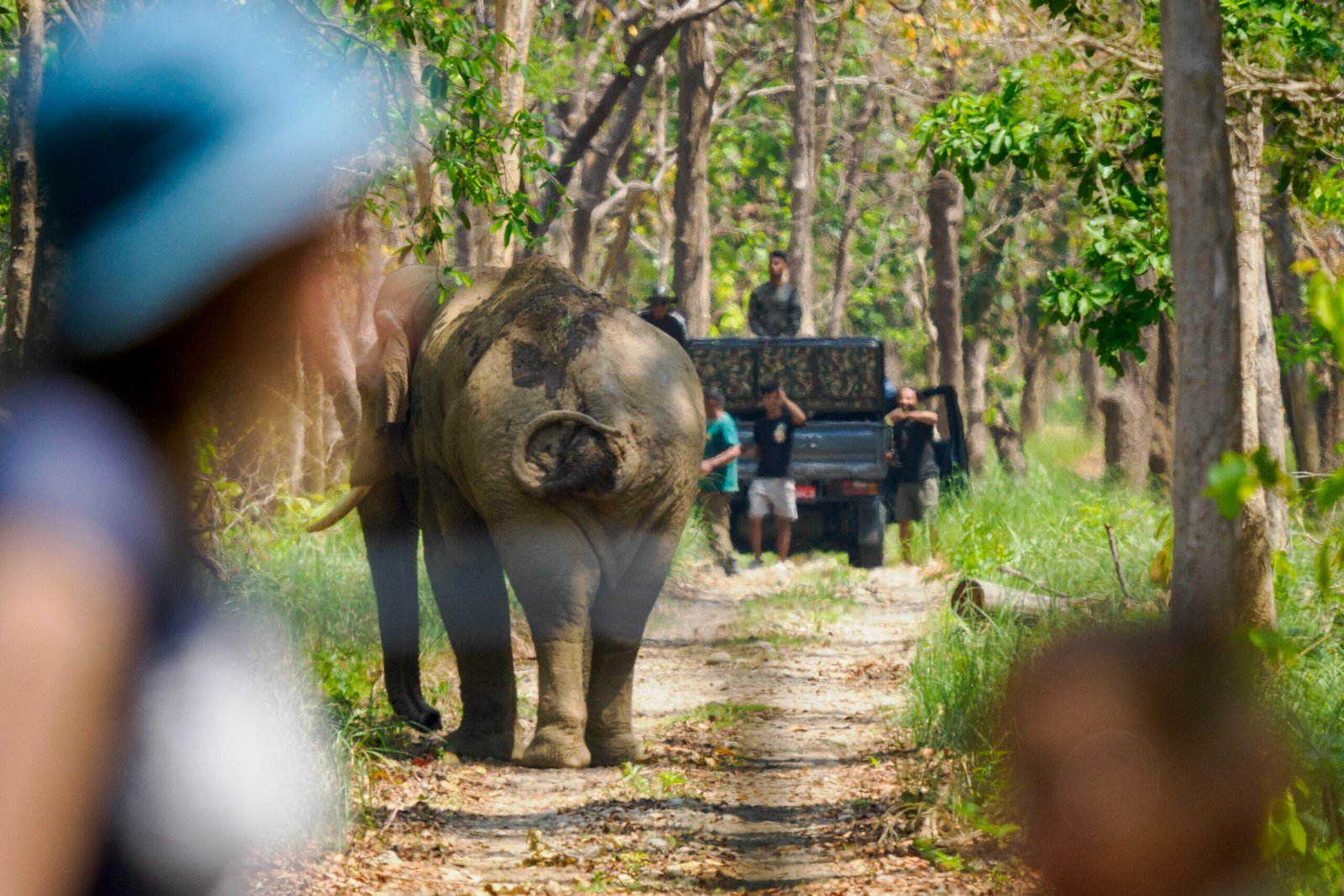
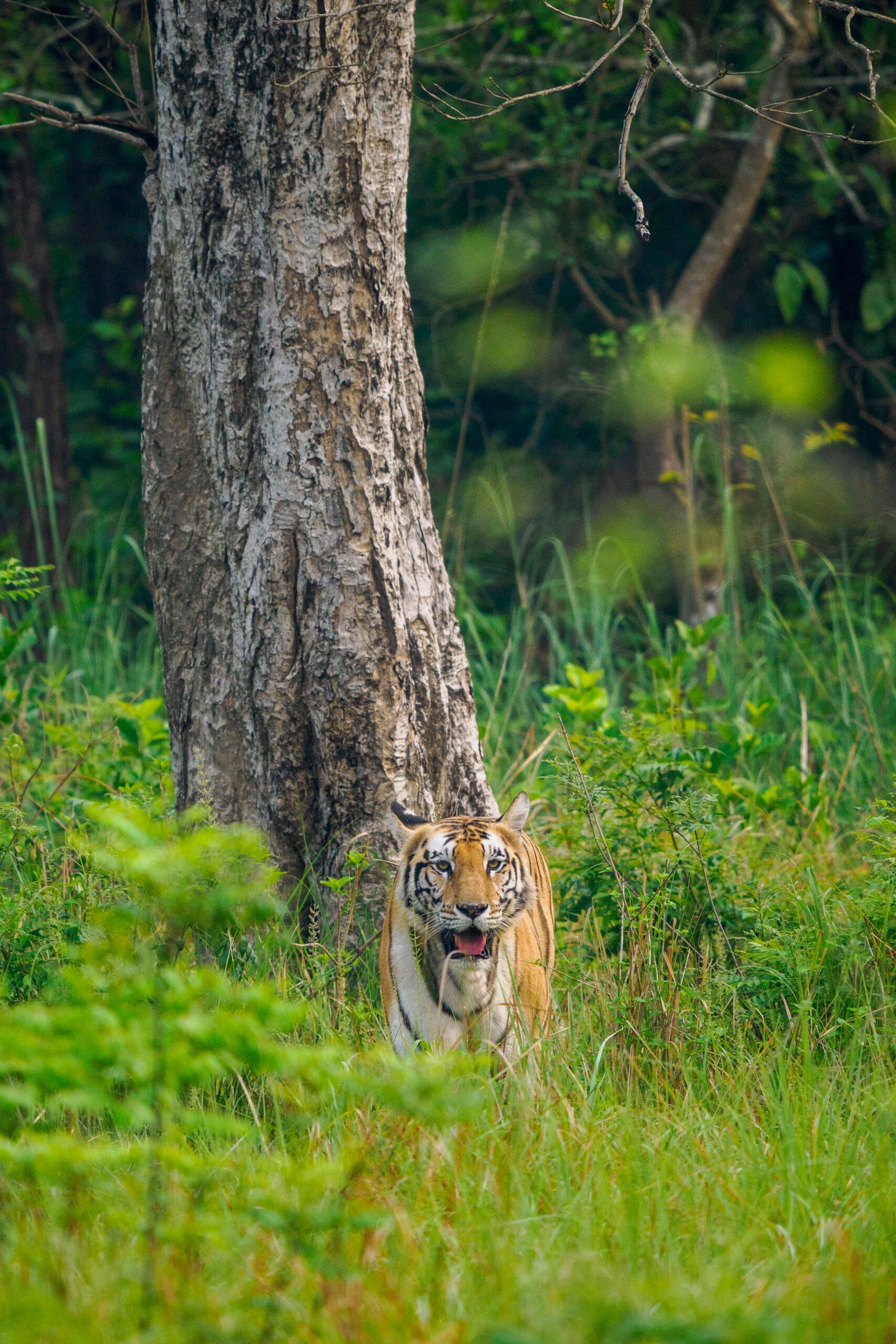
Dreaming of capturing the piercing gaze of a wild Bengal tiger emerging from towering elephant grass, the armored silhouette of a one-horned rhinoceros in the morning mist, or the vivid plumage of a Great Hornbill? While Africa often takes the spotlight, a photo safari in Nepal stands out as one of the most intimate, wild, and rewarding experiences in the world for wildlife photographers.
Unlike crowded reserves elsewhere, Nepal offers an authentic ground-level experience. Wildlife photography here happens at eye level, on foot, guided by alarm calls and native trackers. In this comprehensive 2026 guide, we detail the best photography spots, recommended camera gear, hide techniques, and camera settings to succeed in your tiger photo safari with Jungle Nepal Adventure.
Why Choose Nepal for a Wildlife Photography Safari over India?
While popular Indian tiger reserves (Ranthambore, Bandhavgarh, Tadoba) enforce strict jeep-only zones and heavy tourist traffic, Nepal provides unique advantages for serious nature photographers:
- Exclusive Walking Safaris & Eye-Level Hides: Bardia National Park is one of the very few sanctuaries on Earth where tracking tigers on foot is permitted with licensed naturalists from the DNPWC. This ground-level perspective delivers breathtaking low-angle shots impossible from the top of a safari vehicle.
- Tripled Tiger Population: According to WWF Nepal, Nepal achieved the historic TX2 milestone by tripling its wild tiger population, turning Bardia into Asia's premier tiger photography hub.
- Cinematic Atmospheric Lighting: Ethereal dawn mists filtering through primary Sal forest canopies create majestic backlighting and moody rays.
- True Solitude & Quiet: Far fewer tourists, allowing uninterrupted hours in photo hides without engine noise or vehicles spoiling your frame.
Recommended Camera Gear for a Nepal Photo Safari
The subtropical jungle of the Terai presents unique challenges: extreme contrast between sunlit riverbanks and shaded canopy, road dust, and long walking tracks. Here is the ideal photography kit:
1. Camera Bodies: Low-Light Performance & Animal Eye AF
Mirrorless full-frame cameras with advanced Animal Eye Tracking Autofocus (Sony A1/A9 III/A7R V/A7 IV, Canon R5/R6 II, Nikon Z8/Z9/Z6 III) are optimal. Superb high-ISO noise handling is critical: in deep Sal forest at 5:30 PM when tigers become active, shooting at ISO 6400 or 12800 is frequent to freeze fast movement.
2. Essential Lenses for Nepal Wildlife
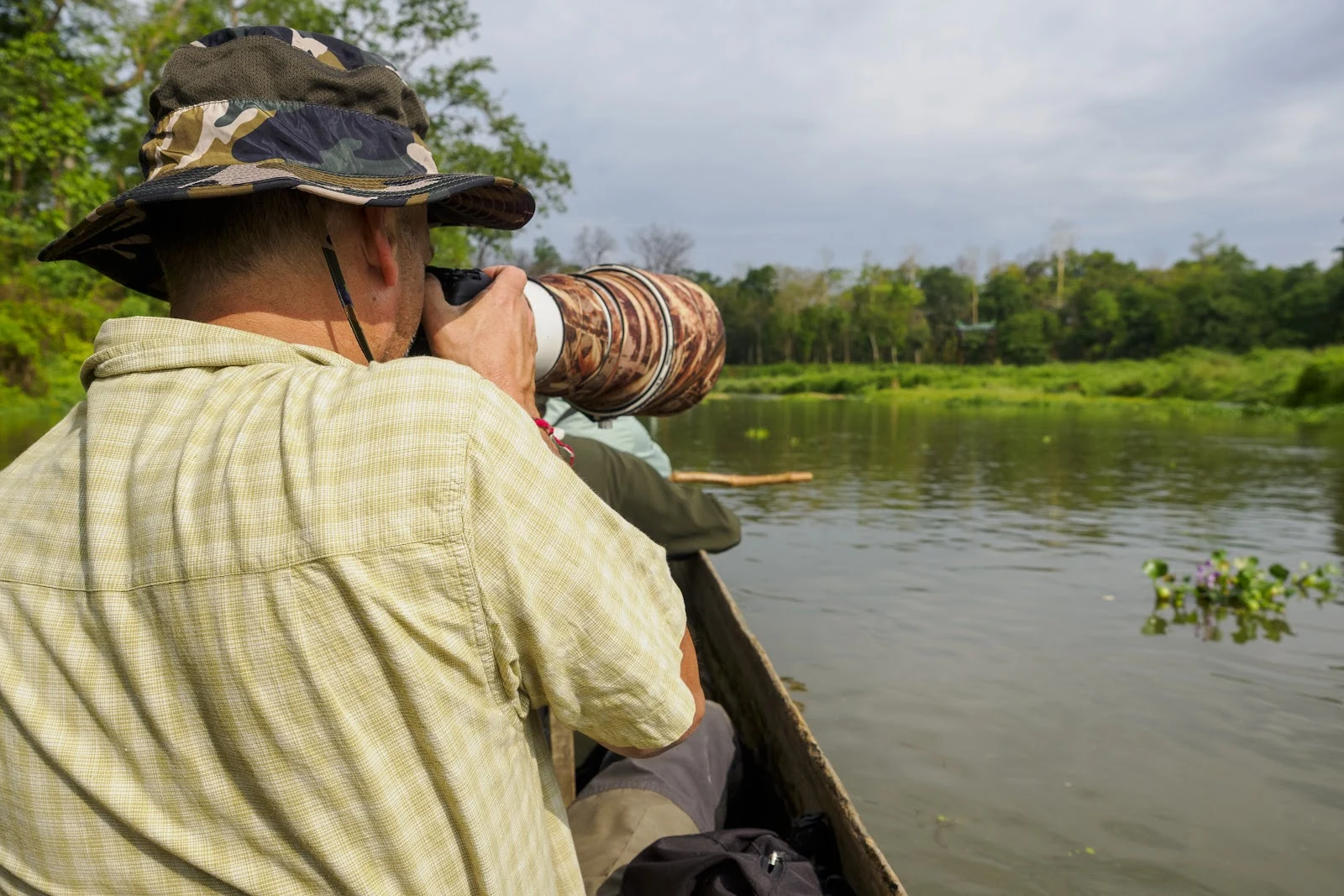
- Telephoto Zoom (100-400mm f/4.5-5.6 or 150-600mm): The ultimate versatile lens. Swiftly frame an elephant or tiger appearing at 25 meters, or zoom in on a perched kingfisher.
- Fast Prime Super-Telephoto (300mm f/2.8, 400mm f/2.8, or 500mm f/4): The master weapon for waterhole hides and dusk encounters, producing creamy bokeh that isolates predators from dense jungle foliage.
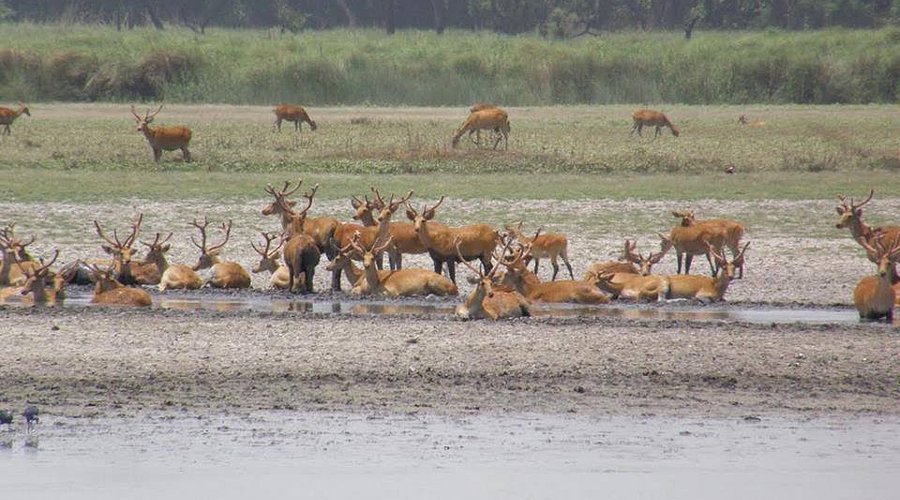
- 1.4x Teleconverter: Compact addition for extra reach when framing distant bird species or herds of deer across river gravels.
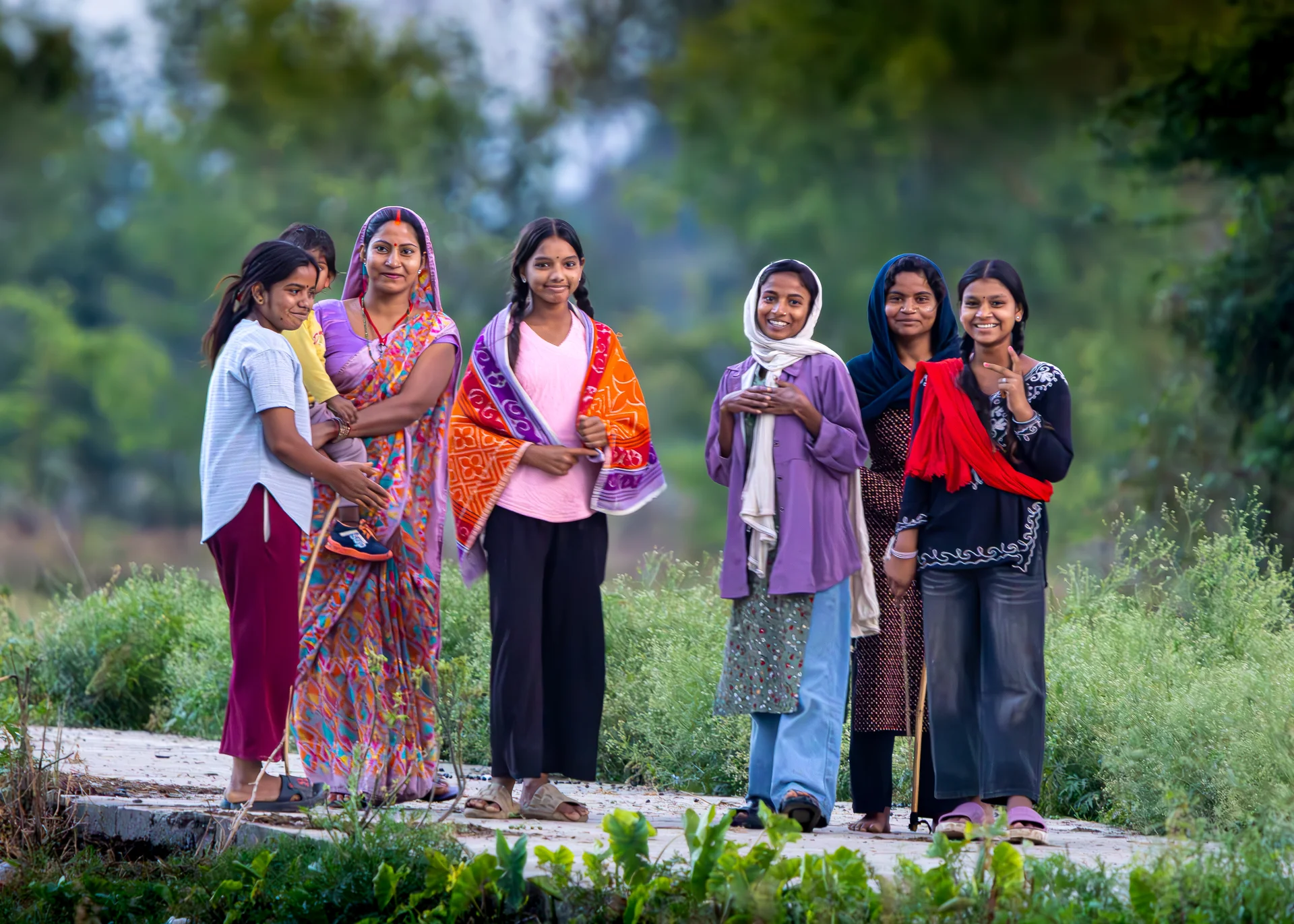
- Standard Zoom (24-70mm or 24-105mm): Crucial for storytelling shots, misty river landscapes, and portraits of local Tharu communities.
3. Crucial Field Accessories
- Sturdy Monopod with Gimbal Head: Much lighter and quicker to adjust than a bulky tripod during walking safaris.
- Rain covers & Dust blowers: Protect lenses from river splashes in dugout canoes and dust on jeep tracks.
- Extra Batteries (3–4 minimum): Cold dawn temperatures and continuous EVF / autofocus tracking drain power quickly.
- High-Speed Memory Cards (V60 / V90 / CFexpress): Ensure uninterrupted high-speed continuous bursts during explosive wildlife action.
Bengal Tiger Photography: Camera Settings & Hide Techniques
- Minimum Shutter Speed: Keep at least 1/1000s for a walking predator, and push to 1/2000s–1/2500s if a tiger is splashing across a river channel.
- Silent Electronic Shutter: Essential on foot hides. The click of a mechanical shutter can alert sensitive wild felines.
- Exposure Compensation in Forest Light: Under dense canopy with harsh dappled light, use center-weighted or spot metering on the subject and underexpose by -0.3 to -0.7 EV to protect highlights on the tiger's white whiskers and bright fur patches.
- Riverbank & Machan Tower Hides: Settle into position before dawn downwind from key water points on the Karnali and Babai rivers where tigers regularly come to drink and cool off.
📸 Plan Your Dream Wildlife Photography Safari in Nepal
Jungle Nepal Adventure designs private custom photo tours with expert local naturalists dedicated to serious photographers.
Request a Custom Photo Safari Quote →FAQ: Photography Safari in Nepal & Bengal Tigers
What is the best camera for a wildlife safari in Nepal?
The ideal camera is a mirrorless full-frame body with Animal Eye AF tracking and clean high-ISO performance up to 12,800 ISO (such as Sony A7 IV / A1, Canon R6 II / R5, Nikon Z8 / Z6 III), crucial for low-light canopy conditions at dawn and dusk.
What focal length is best for photographing Bengal tigers?
A 100-400mm or 150-600mm zoom lens offers supreme versatility. For stationary riverbank hides in Bardia, a fast 400mm f/2.8 or 500mm f/4 lens paired with a 1.4x teleconverter provides razor-sharp details and gorgeous background separation.
What are the realistic chances of photographing a tiger in Bardia?
On a dedicated 4 to 6-day photo safari focused on tracking and strategic waterhole hides with Jungle Nepal Adventure, photo sighting rates range between 60% and 80%, especially during the dry season from March to May.
Can I recharge camera batteries in lodges or safari camps?
Yes. All partner eco-lodges provide standard 220V power outlets in rooms. During wilderness camping in Babai Valley, our team provides high-capacity power banks and generators to recharge camera bodies, laptops, and gear.