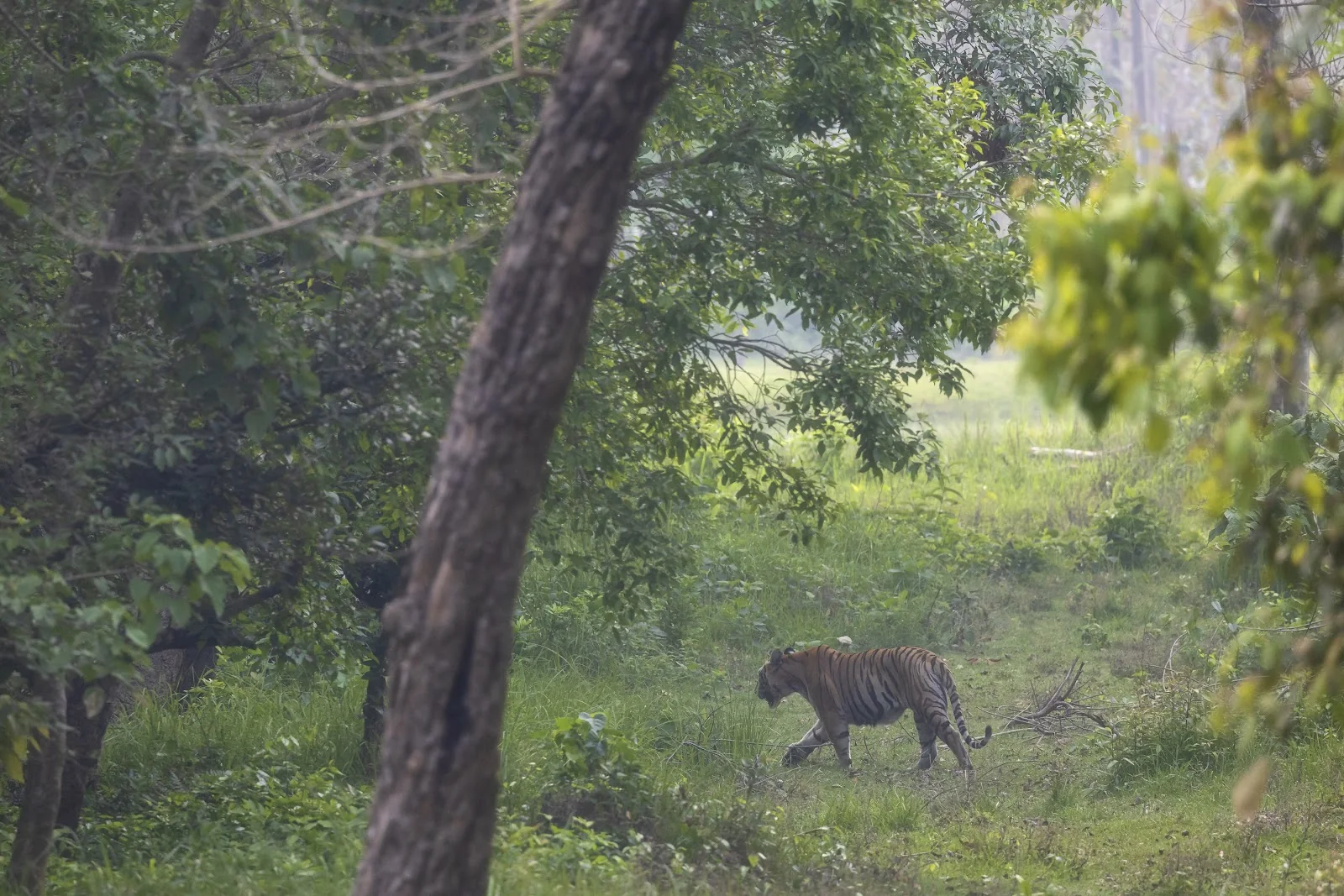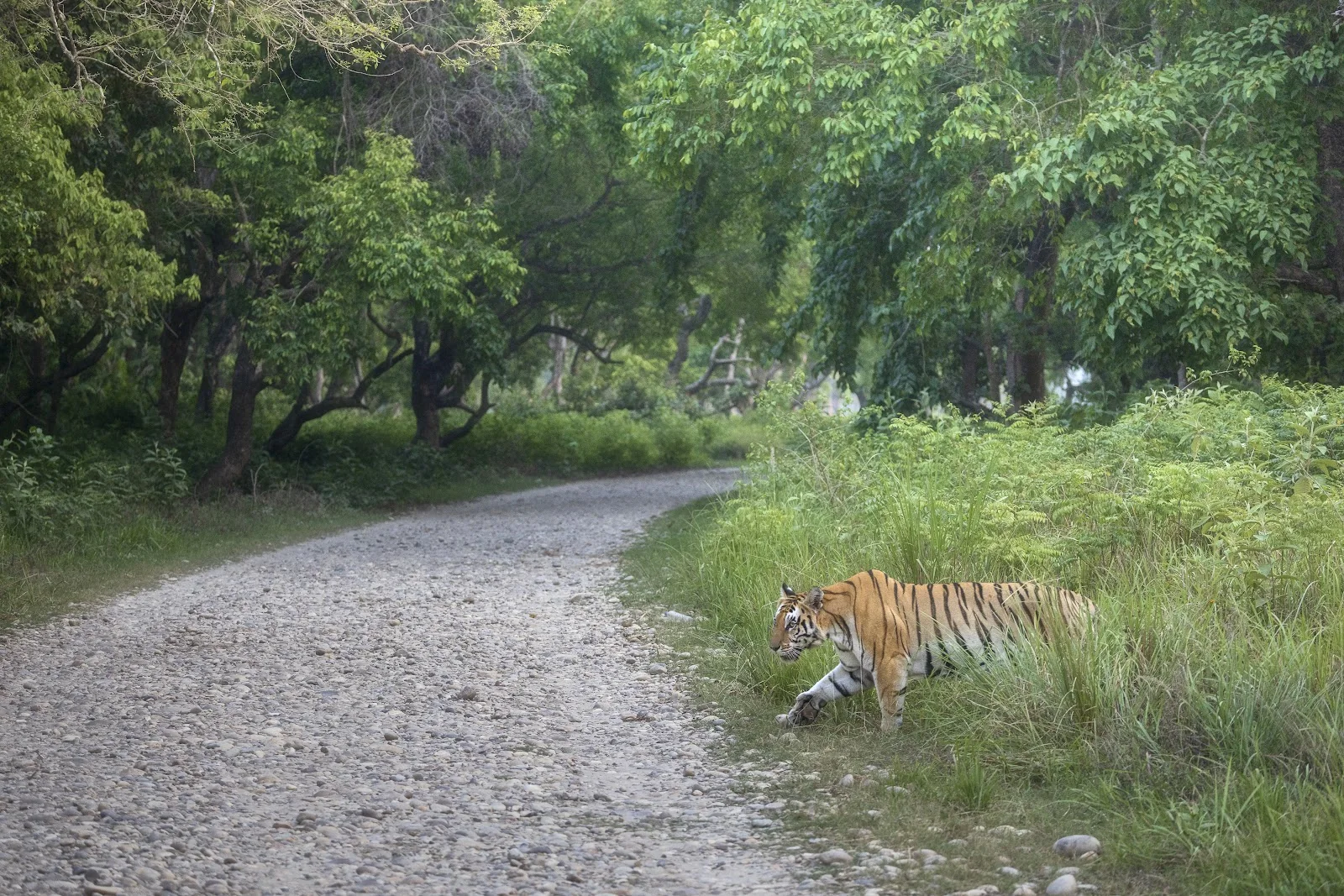
Are you dreaming of venturing into the Terai jungle in search of the Bengal tiger and the great one-horned rhinoceros, but wondering: do you need top physical fitness to go on a walking safari in Nepal? Between the fantasy of an extreme explorer expedition and the reality on the ground, misconceptions abound.
The direct answer from our master trackers is reassuring: no, you definitely do not need to be a top athlete to enjoy a multi-day walking safari. Unlike high-altitude Himalayan treks (Annapurnas, Mustang, or Everest Base Camp), a walking safari in Bardia National Park or Chitwan takes place on flat terrain at a slow, contemplative pace. However, walking for several hours in a subtropical climate does require proper preparation and good baseline stamina. Discover in this complete 2026 guide everything you need to know about the actual physical exertion, terrain challenges, and our training tips.
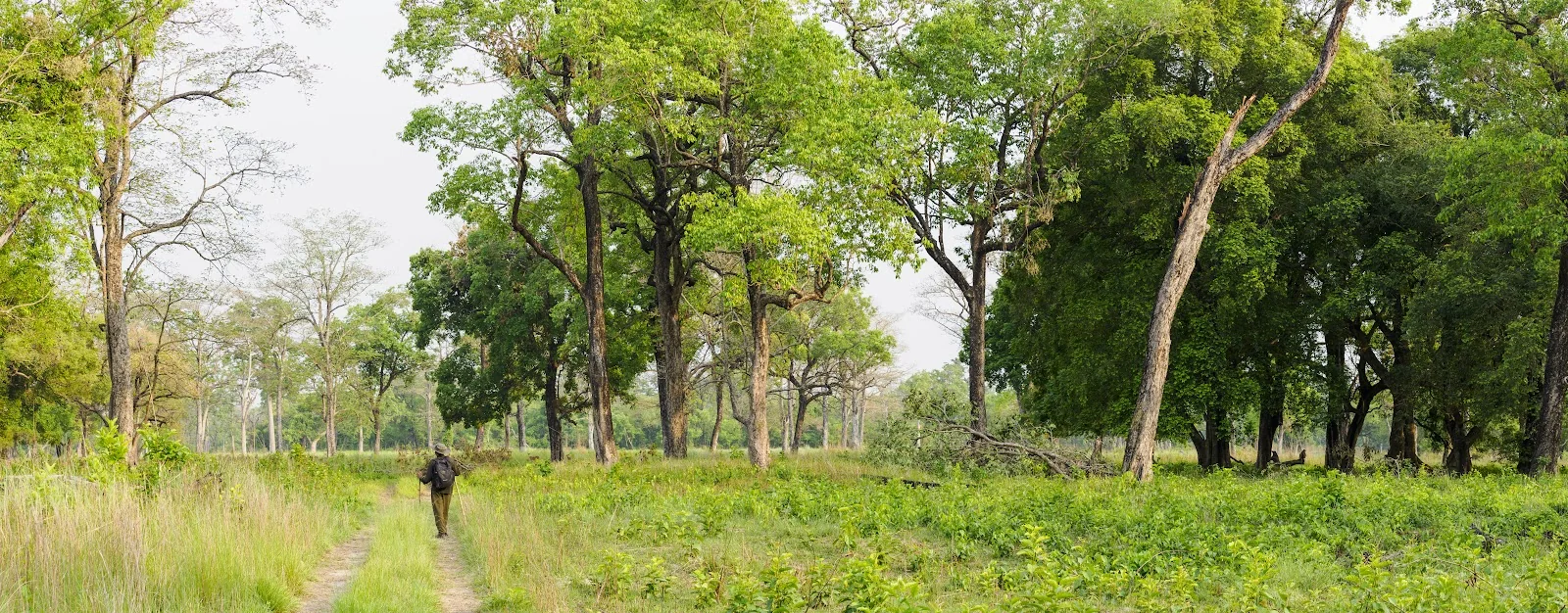
The Myth of the Extreme Explorer: What Does a Walking Safari Really Look Like?
The term "jungle safari" often evokes images of impenetrable swamps hacked through with machetes and grueling forced marches. The reality in Nepal’s southern national parks under the regulations of the DNPWC (Department of National Parks and Wildlife Conservation) is far more serene and methodical.
1. Zero Elevation Gain: The Alluvial Plains of the Terai
This is the fundamental difference between a walking safari and a mountain trek. The national parks of Bardia, Chitwan, and Suklaphanta are located in the Terai lowlands, at an average altitude of just 150 to 250 meters above sea level. There is virtually zero elevation gain. Your joints are spared from steep climbs and jarring descents.
2. A Very Slow Walking Pace (2 to 3 km/h)
In wildlife tracking, speed is your number one enemy. To approach wildlife without startling them, trackers maintain a measured, steady, and silent pace. You stop frequently to listen for bird alarm calls, inspect fresh pugmarks (tiger tracks), or scan the edge of a forest clearing. Over a full 7 to 8-hour day in the field, total distance covered usually ranges between 8 and 14 kilometers (5 to 8.5 miles).
3. Extended Waiting Stints: Patience Over Cardiovascular Endurance
A major part of a walking safari involves waiting quietly rather than continuous walking. The warmest hours of the day (between 11:00 AM and 2:00 PM) and late afternoons are frequently dedicated to stationary stakeouts along the Karnali River banks or from observation towers (machans). The effort required is therefore more mental (patience, focus, silence) than purely muscular endurance.
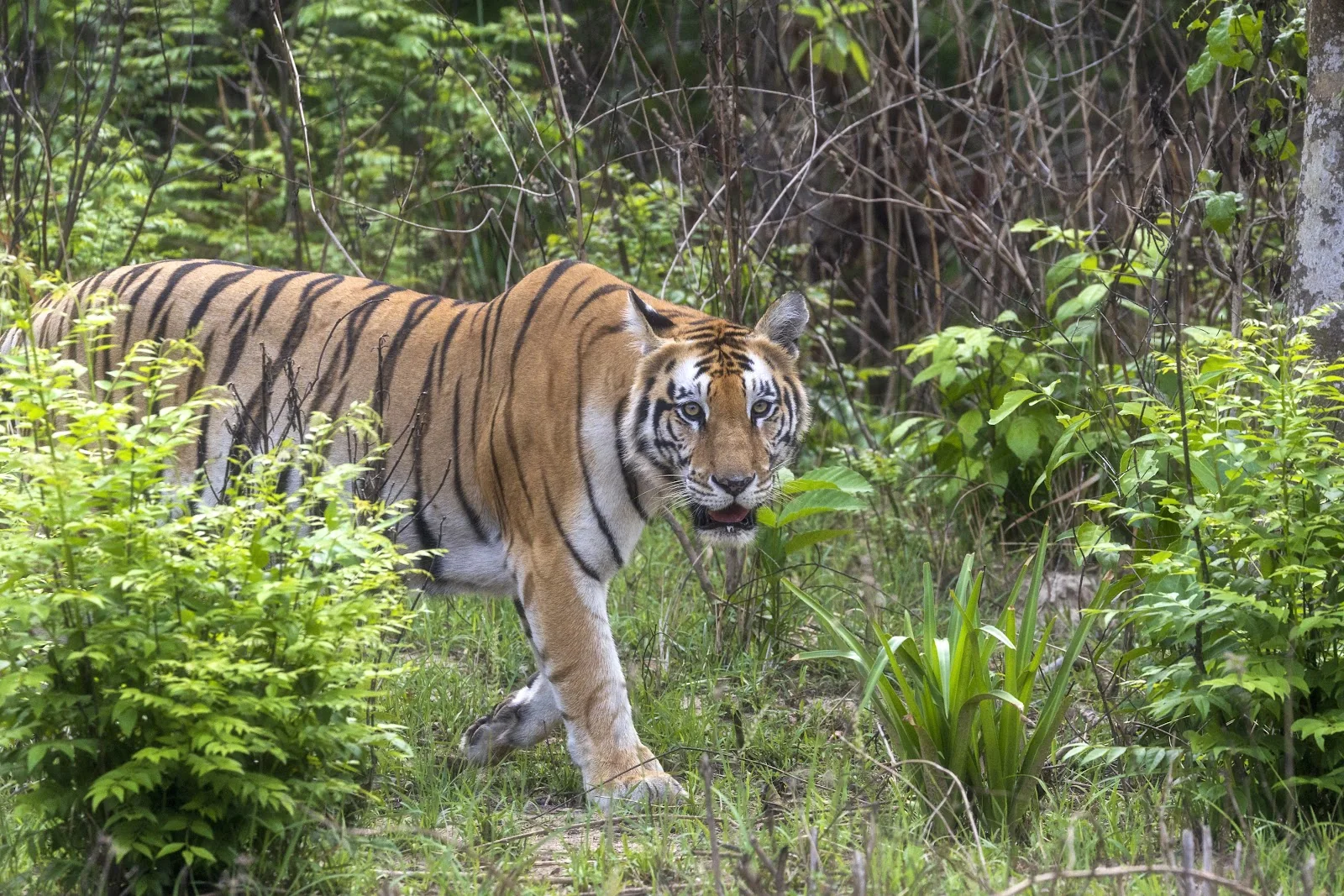
Comparison Table: Walking Safari (Terai) vs Mountain Trek (Himalaya)
| Exertion Metric | Walking Jungle Safari (Terai) | High-Altitude Trek (Himalaya) |
|---|---|---|
| Daily Elevation Gain | 0 to 50 meters (flat alluvial plains) | 500 to 1,200 meters of ascent / descent |
| Altitude & Oxygen | 150 m (100% sea-level oxygen, zero AMS) | 2,500 m to 5,000+ m (thinner air, risk of altitude sickness) |
| Walking Pace | Slow with frequent observation stops (2 to 3 km/h) | Continuous, sustained hiking (4 to 6+ hours) |
| Daypack Weight | Ultra-light daypack (3 to 5 kg max) | Medium trekking pack (6 to 10 kg) |
| Main Physical Factor | Heat, sensory vigilance & patience | Cardiovascular load & steep muscle endurance |
What Are the True Physical Challenges of a Multi-Day Safari?
While cardiovascular strain remains moderate, specific environmental factors challenge the body and require adaptation:
1. Subtropical Heat and Hydration
In the Terai, temperatures can reach 28°C to 36°C (82°F to 97°F) during the spring months (March to May). Walking under intense sunshine or navigating the humidity of dense riverine forests leads to significant perspiration. Drinking regularly (2 to 3 liters of filtered water per day) and replenishing electrolytes are essential to prevent heat exhaustion and premature fatigue.
2. Sensory Vigilance and Footing Balance
Walking in the wild jungle demands steady awareness with every step. You navigate exposed root networks, river pebbles, towering elephant grass exceeding two meters in height, and shallow riverbeds that must be waded across. Good ankle and knee mobility allows you to move smoothly and quietly without tripping.
3. Consecutive Days in the Field
On a 4 to 6-day itinerary like our Bardia Explorer expedition, fatigue stems from early wake-up calls (from 5:30 AM to capitalize on cool morning wildlife activity) combined with hours on your feet. Quality rest in the evening at the lodge or riverside camp is the secret to sustained energy.
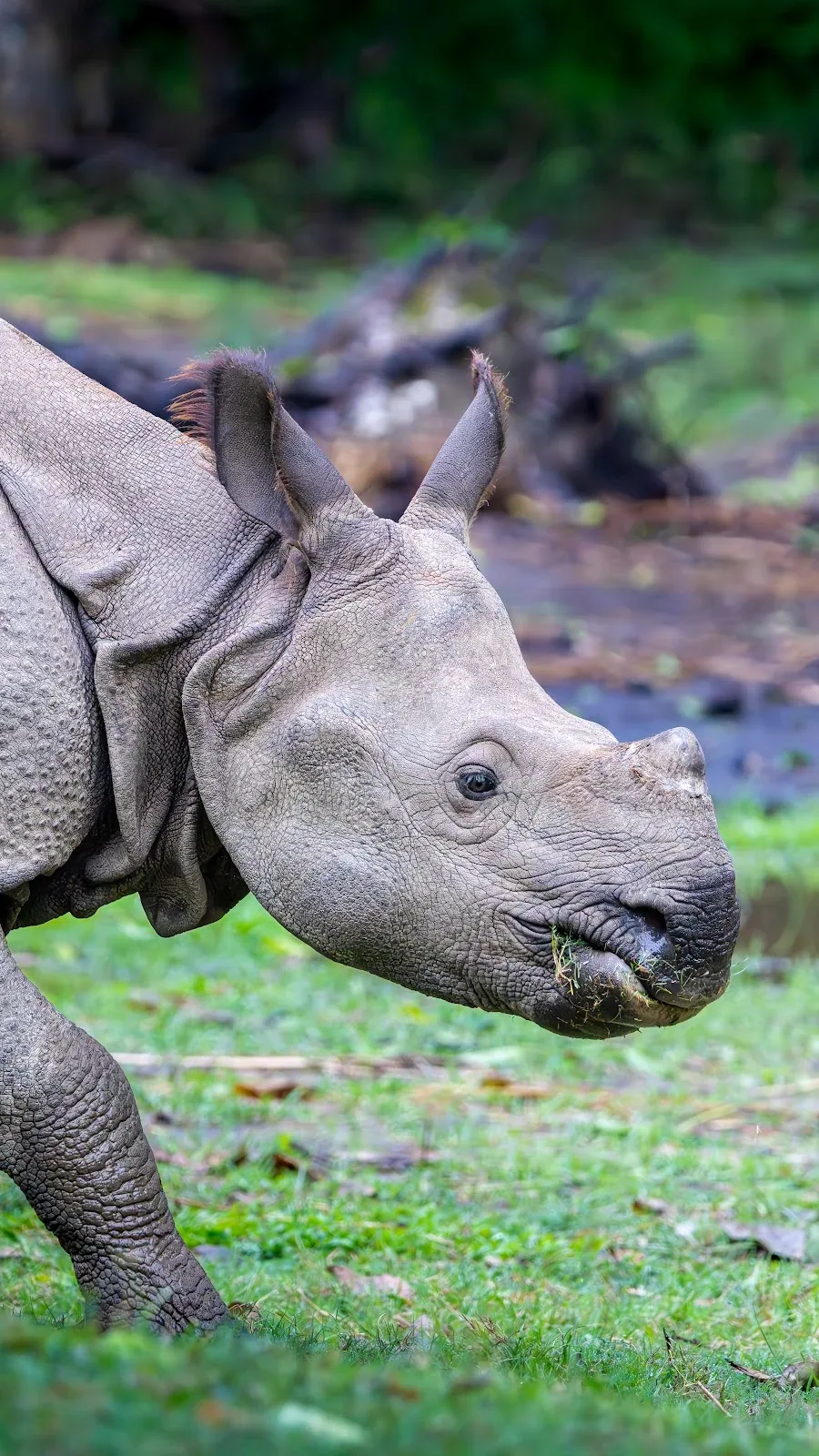
Our Simple Tips to Prepare Before Departure
Recommended Training Routine (4 to 6 Weeks Before Departure):
- Regular walks: Complete 2 to 3 walks of 8 to 10 kilometers (5 to 6 miles) per week on natural surfaces (forest trails, parks, dirt paths).
- Breaking in footwear: Always break in the hiking shoes or boots planned for your trip to prevent blisters in the jungle.
- Light pack training: Get used to walking with a 4 kg daypack (insulated water bottle, camera, binoculars).
- Hydration & flexibility: Include simple calf and hamstring stretches after your walks to maintain muscle suppleness.
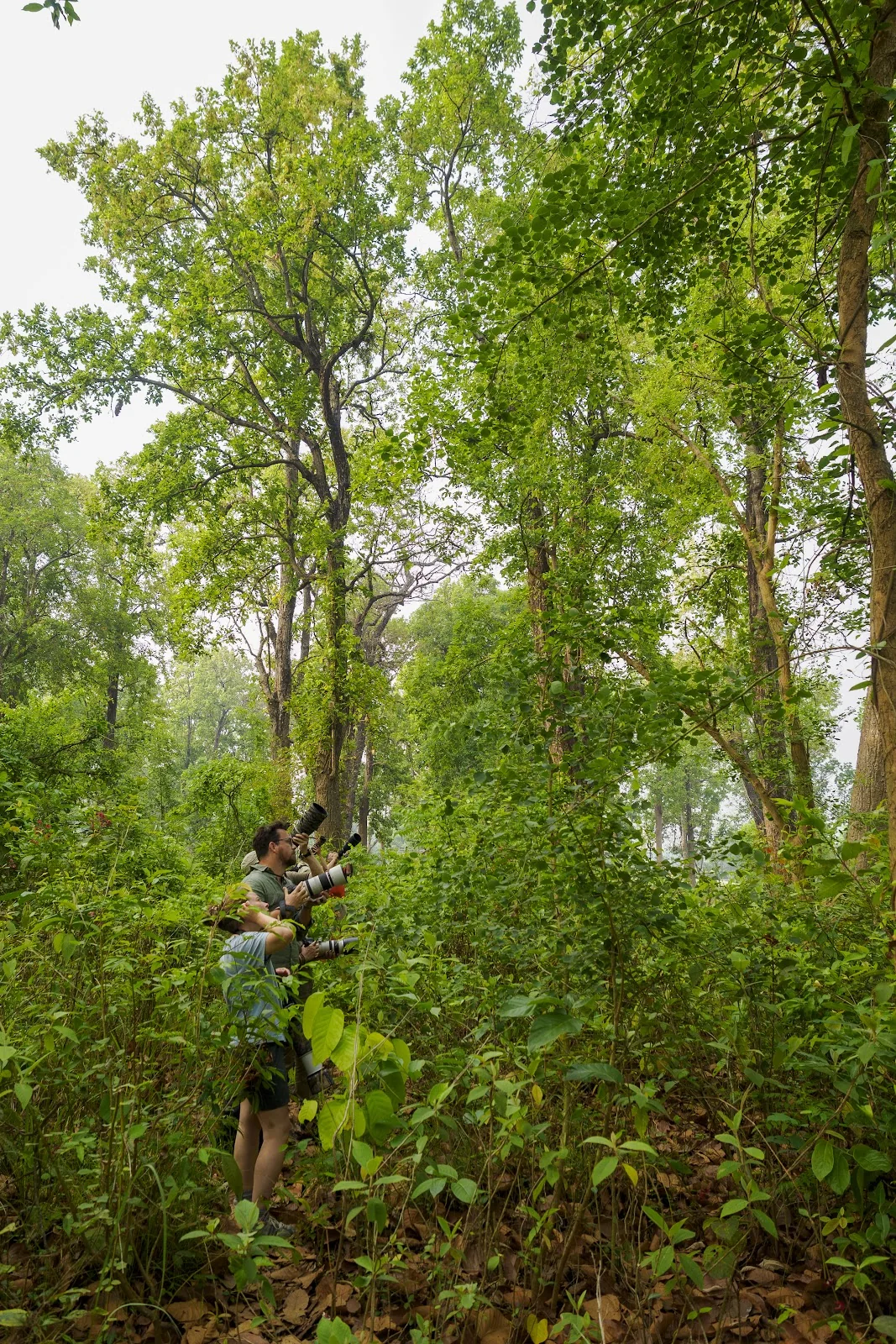
Track Wild Bengal Tigers on Foot in Bardia (50€)
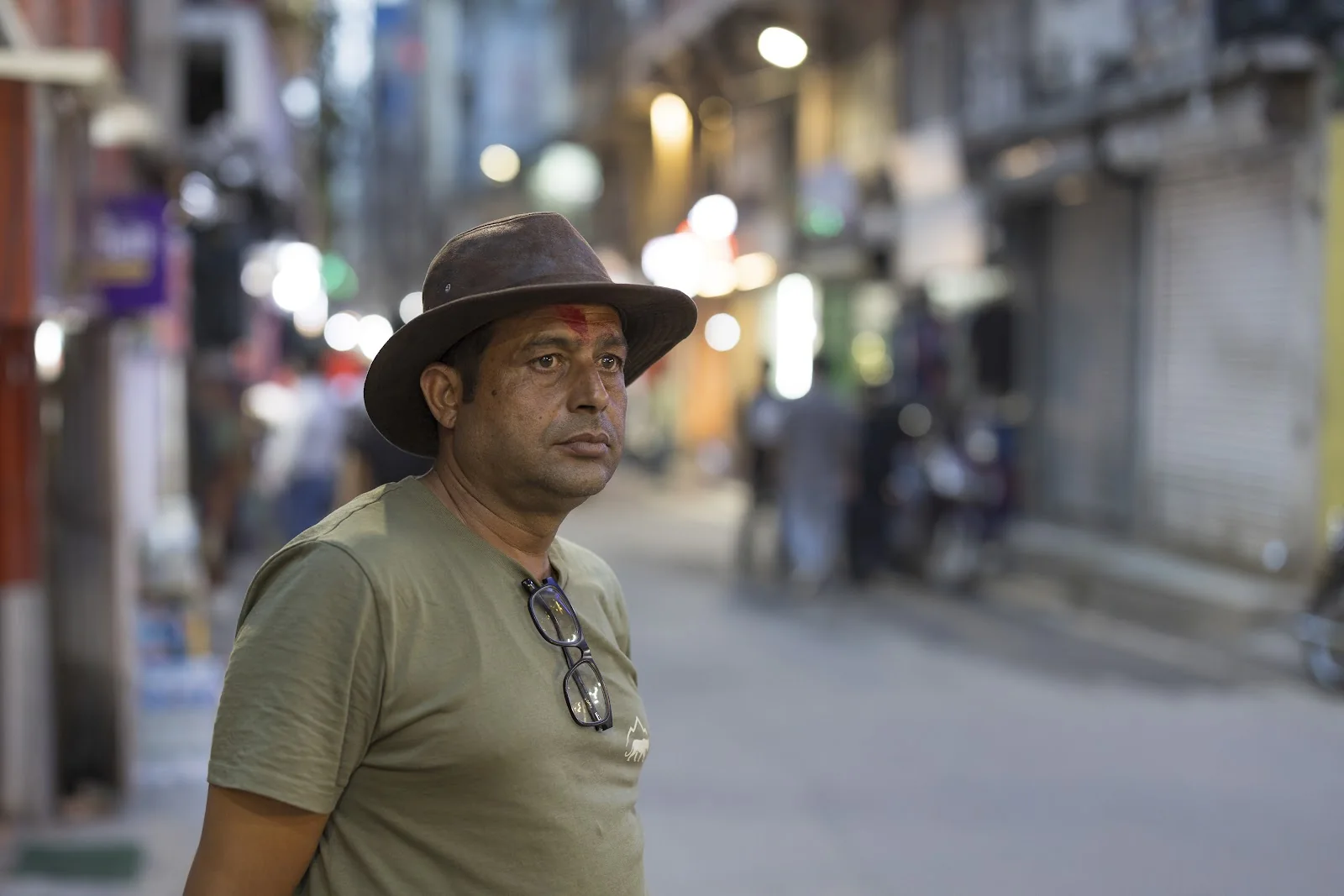
Already in Nepal or traveling to the western lowlands? Join our senior native master trackers for an unforgettable full-day walking safari in Bardia National Park. Jungle bush lunch included.
The Ideal Gear to Save Energy
Your gear choices directly influence your daily physical comfort. For an exhaustive packing checklist, see our complete safari packing list for Nepal. Here are the 4 essentials to remember:
- Breathable mid-cut hiking shoes: Choose lightweight trail shoes with lugged soles that dry quickly after wading across river channels.
- Long breathable technical clothing: Lightweight trousers and long-sleeve shirts in neutral tones (khaki, beige, olive) to protect against sun and insects without overheating.
- 1.5L insulated water bottle: Keeps your drinking water pleasantly cool during the warmest hours of the day.
- Wide-brim hat & polarized sunglasses: Significantly reduce eye strain caused by glaring reflections off sandbanks and open riverbeds.
Frequently Asked Questions (FAQ): Physical Fitness on Safari
What is the typical profile of a walking safari traveler?
Our travelers range from 18 to 72 years old. The only requirement is being able to walk 3 to 4 hours per half-day at an easy, leisurely pace and possessing basic agility on natural paths.
What happens if a traveler feels tired during the walk?
Our small groups are limited to 4 to 8 travelers and are always escorted by two certified naturalist guides. Itineraries are flexible and can be shortened or adjusted to reach a shaded resting spot or summon a support jeep if needed.
Do we carry heavy luggage during walking safari days?
No, never. Your main luggage stays securely at your lodge or is transferred by our logistics team to the next camp. You only walk with a light daypack holding water, camera gear, and personal essentials.
What is the best season to avoid excessive heat fatigue?
The months from November to February offer mild daytime temperatures (20°C to 25°C / 68°F to 77°F), ideal for travelers sensitive to tropical heat. From March onward, temperatures rise, but tiger sighting probabilities peak around drying waterholes (see our seasons & weather guide).
Ready to Experience the Adventure of a Walking Safari in Nepal?
Join our intimate small-group expeditions in the heart of Bardia National Park. Tailored itineraries adapted to your rhythm under the guidance of expert master trackers.