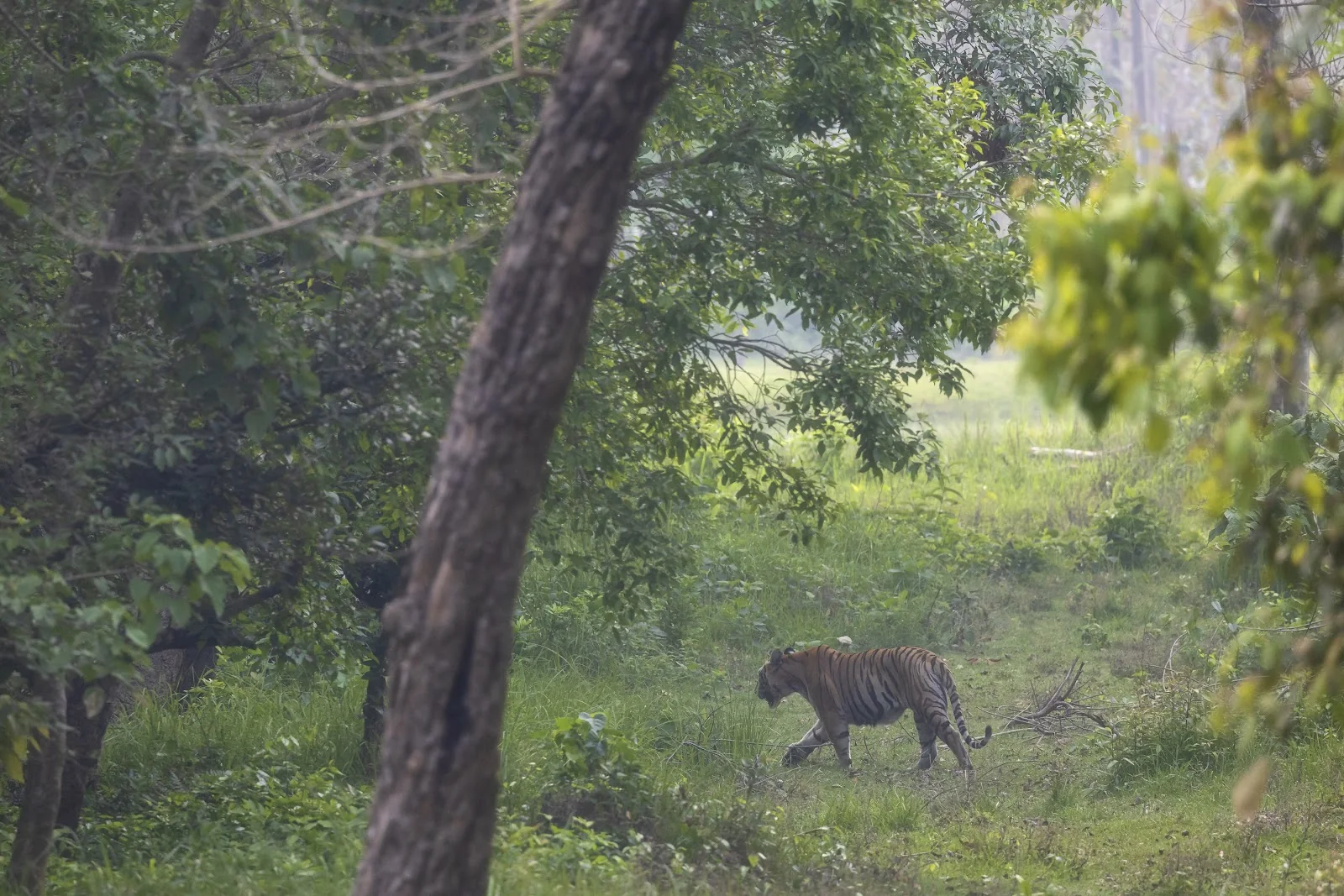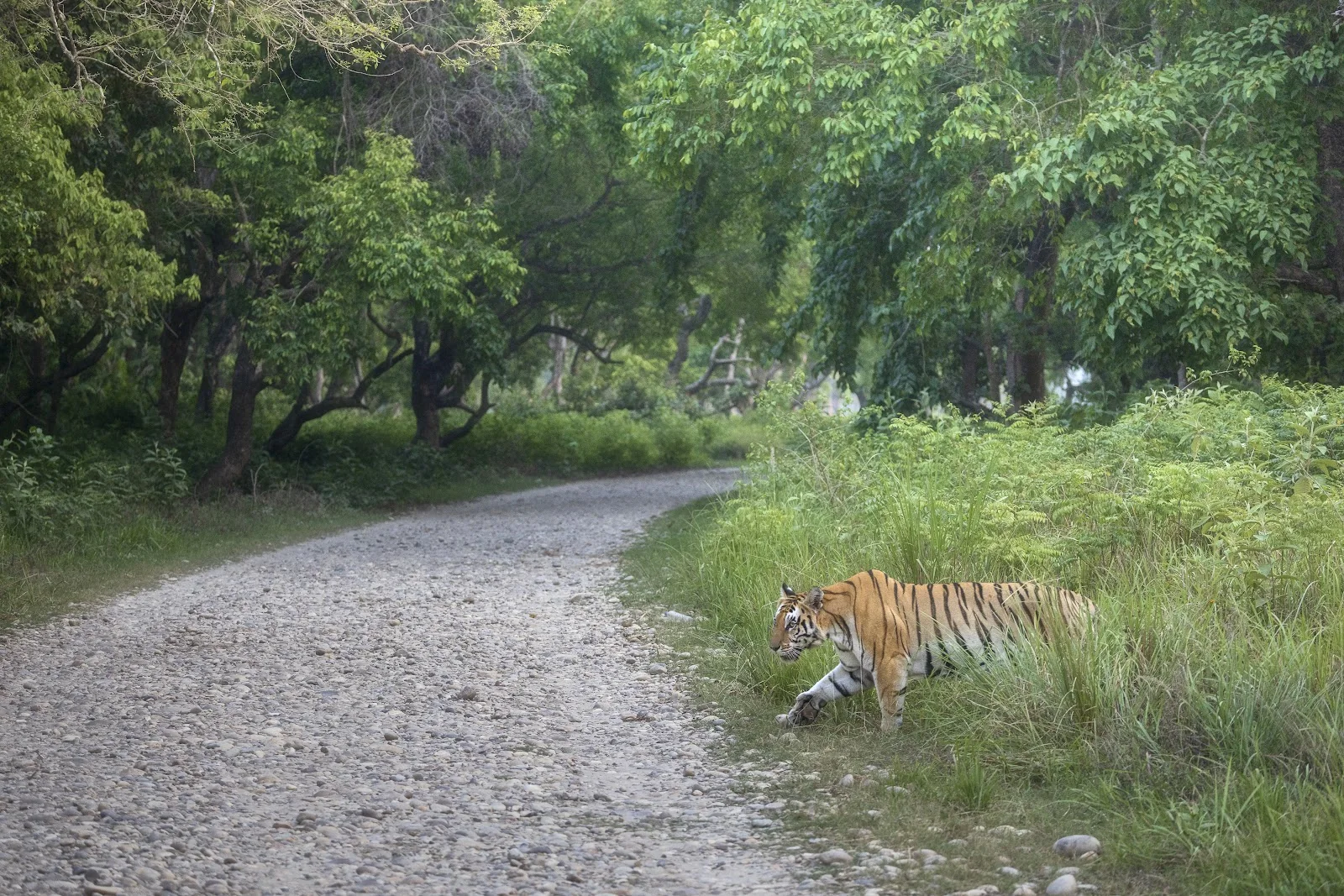

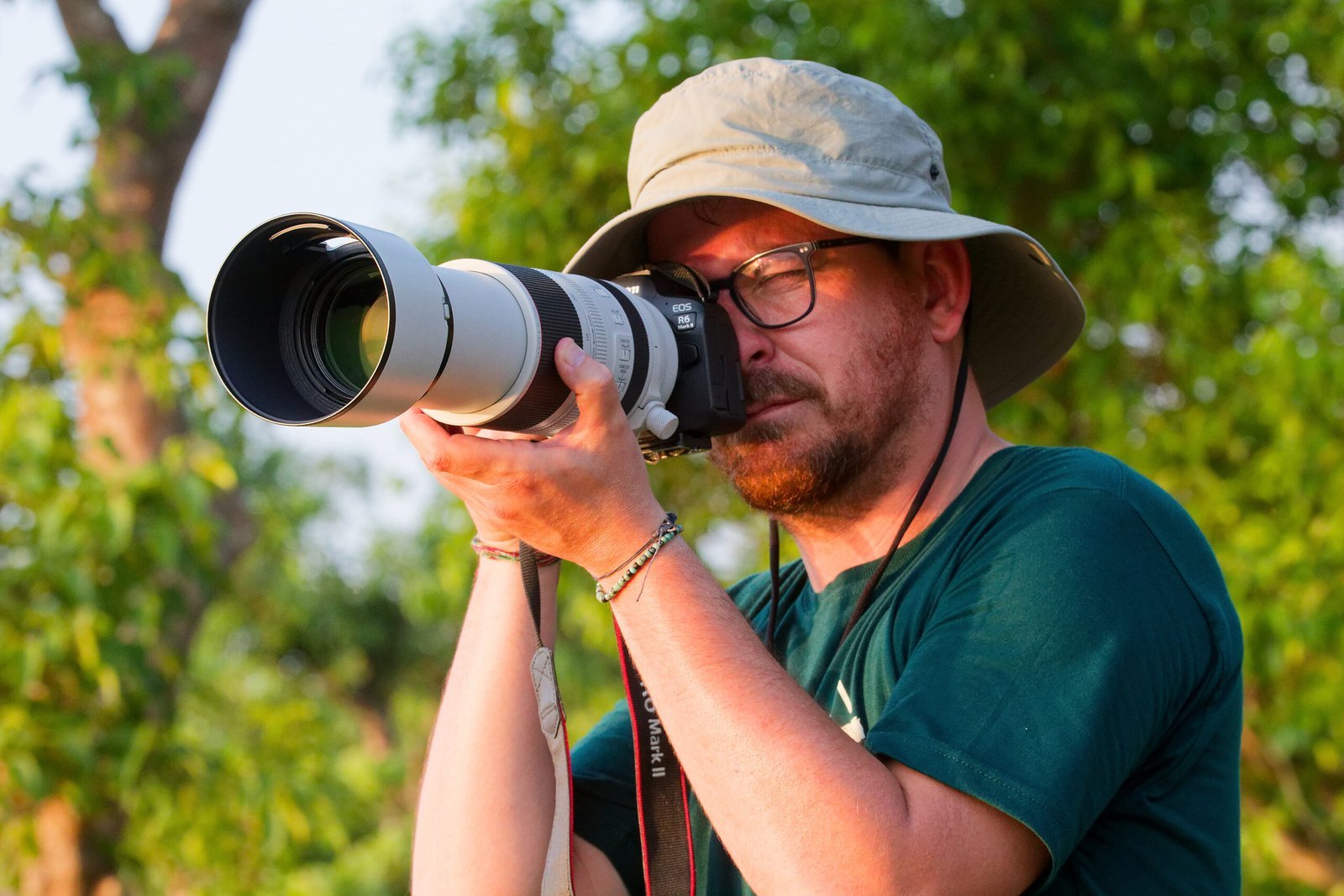
You have probably seen photos of tigers taken from a crowded safari jeep, window cracked open, idling in single file behind five other vehicles. That is precisely what jungle trekking in Nepal is not. Walking through the jungle means hearing the snap of a twig beneath your boot; it means examining the fresh pugmark of a royal Bengal tiger in the wet mud beside a watering hole; it means experiencing the subtropical forest of the Terai as a living, breathing ecosystem that completely surrounds you.
Most travelers arrive in Nepal with the Himalayas in mind — Mount Everest, the Annapurna circuit, high alpine passes. Few realize that the country shelters some of the most pristine, biodiverse jungles in all of Asia across the warm lowland plains of the Terai — and that this wild jungle is explored on foot, in total silence, accompanied only by master naturalist trackers.
In this comprehensive guide, we explain everything you need to know to plan your jungle trekking and walking safari in Nepal: the best national parks, the rhythm of a typical tracking day, what wildlife you will genuinely encounter, and why this raw adventure will forever redefine your perspective on wildlife travel.
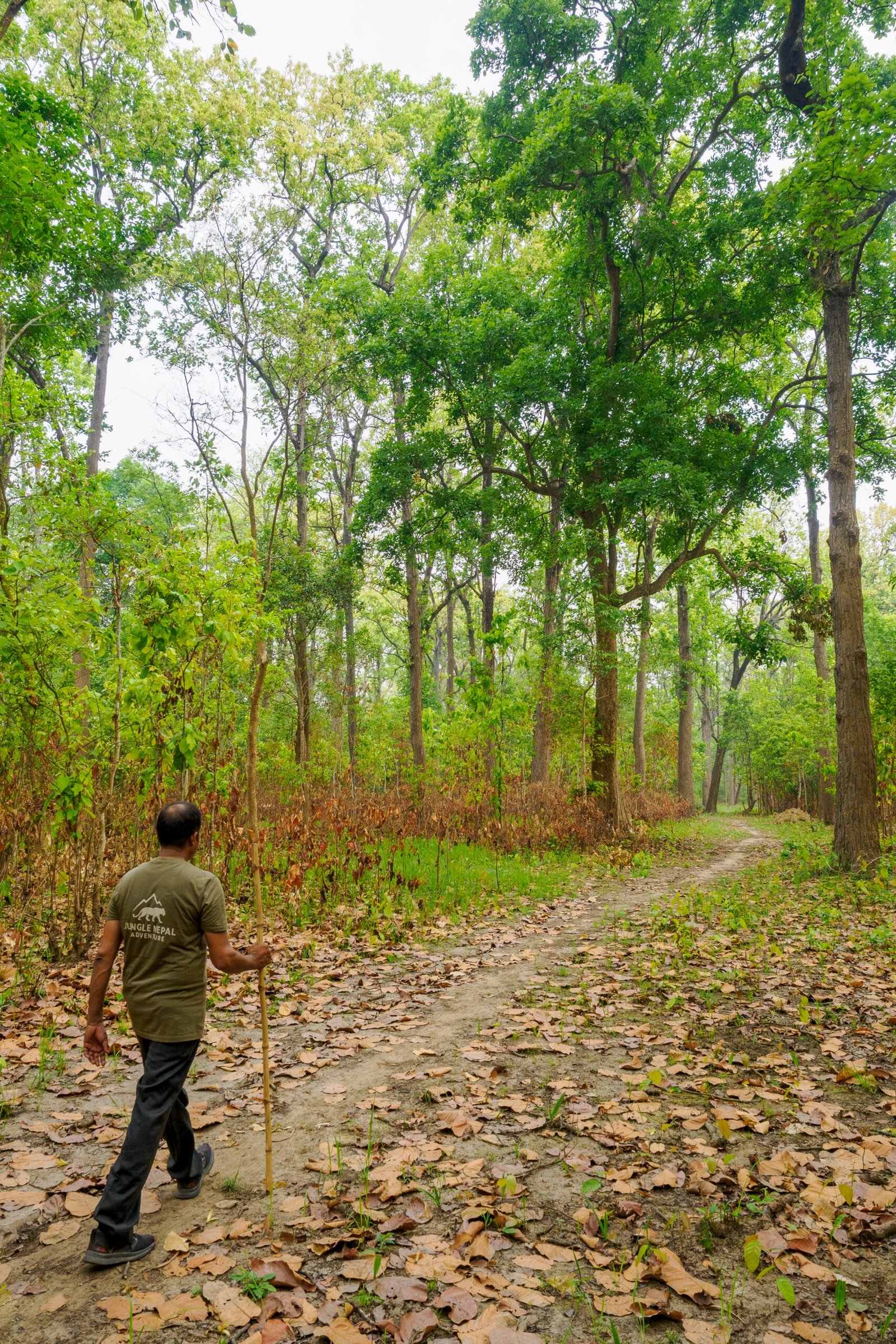
Why Choose a Walking Safari Over a Jeep Safari?
This question comes up frequently, and the answer is clear-cut: they are not two comparable experiences; they are two fundamentally different worlds. A jeep safari covers ground quickly — which is practical for surveying vast open plains or scanning long stretches of track during the hot dry season. However, it confines you to a bubble of metal, diesel fumes, and engine noise, keeping you disconnected from the jungle.
A walking safari, by contrast, integrates you directly into the ecosystem. You move at the natural pace of the animals. You learn to discern the sharp alarm bark of a spotted deer (chital) — a sure sign that a predator is prowling nearby — from its routine calls. You notice territorial tiger claw-scratch markings high on tree bark, fresh pugmarks pressed into soft dust, and the subtle bend of crushed grass blades. It is a profound, sensory reading of the landscape that no motor vehicle could ever allow.
Here are the tangible benefits of exploring Nepal's jungle on foot:
- Total sensory immersion in the acoustic landscape, forest scents, and raw textures of the wilderness
- Stealthy silent approach, allowing you to observe animals unstartled by rumbling engines
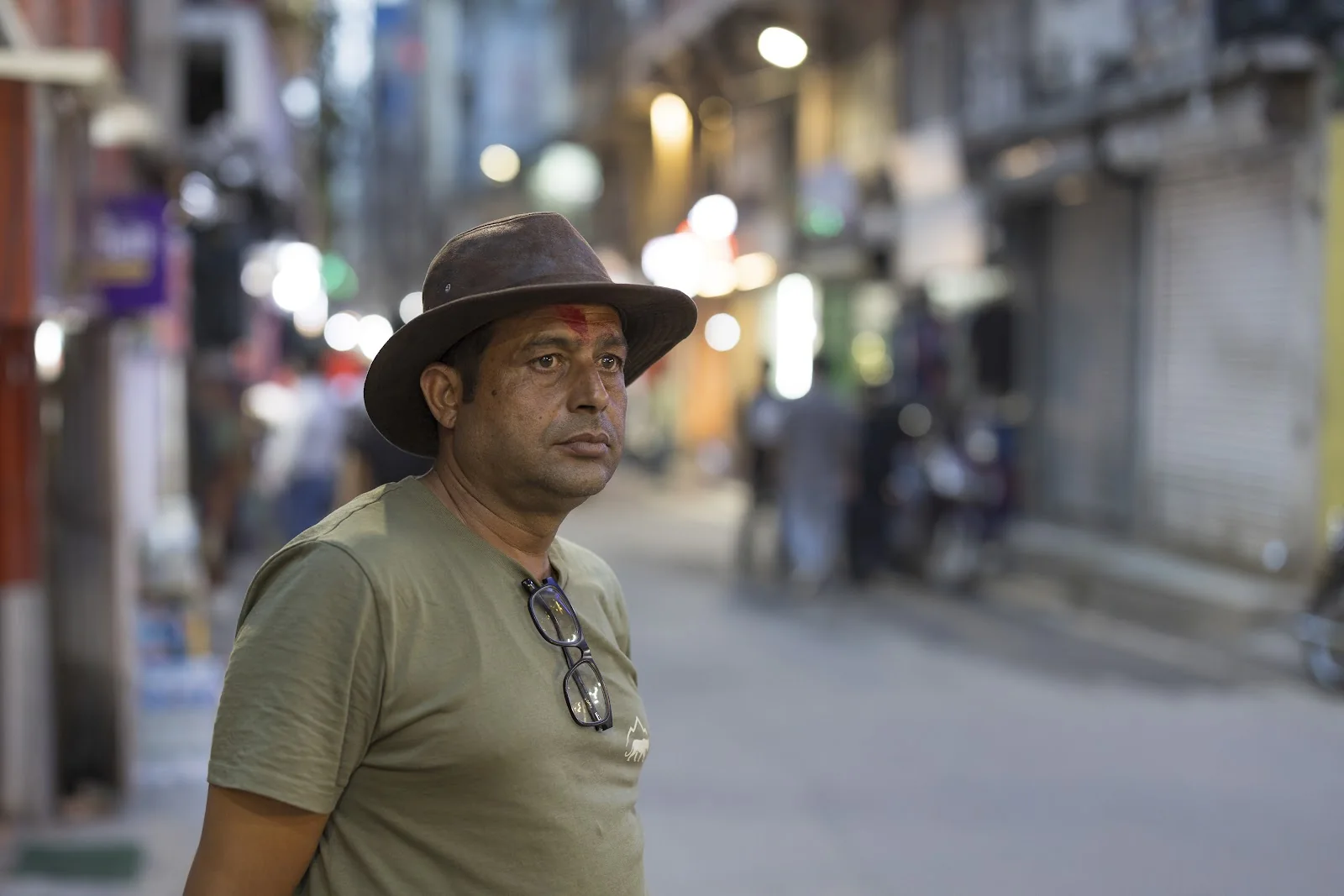
- Active, hands-on tracking, learning ancient bushcraft and tracking signs directly from your native Tharu guide
- Access to remote sanctuaries inaccessible to vehicles (riverbanks, secluded sandbars, dense sal groves, and marshland channels)
- An unforgettable physical and emotional experience impossible to duplicate anywhere else in Asia
Nepal's subtropical jungle is not reckless when accompanied by seasoned professionals — but it is vibrant, raw, and completely unscripted, which is precisely what makes it so extraordinary.
The Two Prime National Parks for Jungle Trekking in Nepal
Bardia National Park: The Connoisseur’s Choice
Bardia National Park is the ultimate destination for jungle trekking. Nestled in far-western Nepal, it welcomes only a fraction of Chitwan's visitor numbers and features vast tracts designated for walking safaris, even deep within its core wilderness zones. It stands as one of the few places in South Asia where you can trek on foot for hours through active tiger territory, led by native naturalists who have deciphered these forest corridors for decades.
Today, Bardia harbors one of the densest wild populations of Royal Bengal tigers in Nepal. According to WWF Nepal, the country's national tiger population has more than doubled in under a decade thanks to rigorous conservation initiatives carried out alongside local communities. By pairing early dawn walking safaris (the first two hours of morning light are peak predator hours) with patient midday hides beside secluded watering holes, your chances of observing a tiger, greater one-horned rhino, or wild Asian elephant are exceptionally high. Nepal’s protected reserves are managed by the Department of National Parks and Wildlife Conservation (DNPWC), which strictly regulates licensed walking safari access.
Chitwan National Park: The Accessible Classic
Chitwan lies closer to Kathmandu and Pokhara, making it effortless to weave into a classic Himalayan travel itinerary. Walking safaris are also widely available here, particularly across community buffer zones and designated interior jungle sectors. If you have limited travel days or are discovering Nepal's subtropical lowlands for the first time, Chitwan is a welcoming and wildlife-rich gateway.
The park is especially famous for its flourishing population of greater one-horned rhinoceroses. Traditional wooden dugout canoe drifts along the Rapti River, seamlessly paired with a morning jungle walking safari, make for a stellar 2- to 3-day itinerary.
How Does a Jungle Trekking Day Unfold?
Here is the typical rhythm of a full-day jungle walking safari in Bardia National Park with Jungle Nepal Adventure:
5:30 AM — Pre-Dawn Wake-Up Call
The jungle awakens in the cool morning darkness. A steaming cup of Nepali masala tea, a few biscuits, and you meet your guides at the park entry checkpoint. The softest first rays of dawn represent prime time for spotting big cats as they conclude their nocturnal territorial patrols.
6:00 AM — Entering the Park & Reading the Tracks
Your native tracker decodes the forest floor like an open book: fresh pugmarks in damp sand, crushed stalks of elephant grass, steaming droppings. He pieces together the unfolding story of the night. You advance in single file, stepping softly along hidden game trails known only to seasoned trackers. Suddenly, spotted deer raise their heads in alarm and scatter — a promising indicator that an apex predator is nearby.
9:00 AM — Riverbank & Waterhole Ambush Hide
As the morning sun warms the forest canopy, wildlife gathers toward the cool riverbanks and natural watering holes. You settle down in absolute silence behind a natural camouflage screen of riverside bamboo and tall grass. A one-horned rhino arrives to wallow, a white-throated kingfisher surveys the ripples from an overhanging branch, and a herd of swamp deer splashes across the shallows — the wild comes alive before your eyes.
11:30 AM — Return to the Eco-Lodge or Bush Picnic
The midday heat slows down animal movement. You either enjoy an authentic jungle bush picnic lunch in a safe natural clearing or return to your eco-lodge for a freshly cooked lunch, a tranquil siesta, and a chance to review your photography. The afternoon can then feature a focused river drift boat safari down the Karnali or an exploratory jeep drive into the park’s northern grasslands.
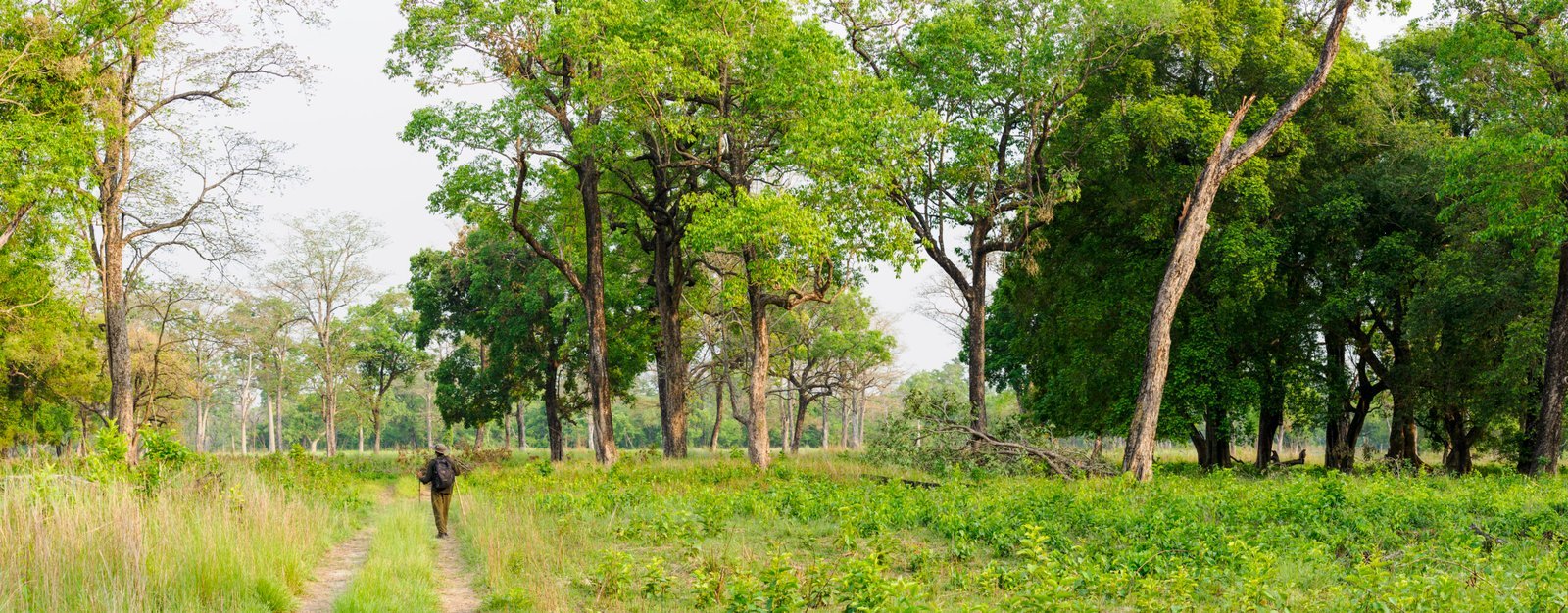
What Wildlife Can You Encounter on a Jungle Walk?
The spectrum of wildlife you can encounter during a walking safari in Nepal is vastly richer than most international travelers imagine:
- Royal Bengal Tiger — classified as an endangered species by the IUCN, the tiger stands at the core of Nepal's landmark Terai conservation programs
- Greater One-Horned Rhinoceros — meeting this prehistoric armored giant eye-to-eye on foot is an encounter of breathtaking adrenaline
- Wild Asian Elephant — roaming in family herds or as solitary tuskers (solitary bull elephants always require careful tracking distance)
- Indian Leopard — master of camouflage, occasionally spotted basking along low branches at sunrise
- Sloth Bear — predominantly nocturnal, yet regularly encountered in early morning foraging sessions near termite mounds
- Spotted Deer (Chital), Sambar, and Barasingha (Swamp Deer) — abundant herbivores that act as vital natural alarm systems signaling tiger movement
- Freshwater Gangetic Dolphin — surface-breathing in the deep river channels of the Karnali and Geruwa rivers
- Over 400 Bird Species — from the vibrant Indian Pitta to the majestic Great Hornbill
The essential secret is trekking alongside guides capable of reading dynamic environmental signals in real time. This is not a casual woodland stroll — it is an attuned, quiet, and deeply respectful wilderness tracking experience.
🦶 Embark on a Jungle Trek with Our Local Wildlife Trackers
Expert native naturalist guides, private small groups, and immersive walking safaris through the wildest sectors of Bardia and Chitwan.
- 👉 Bardia Explorer (5 Days): Walking safari + jeep + eco-lodge — quote available upon request
- 👉 Extreme Jungle Wildlife (7 Days): 100% tiger tracking on foot — quote available upon request
- 👉 Tailor-Made Expeditions: Chitwan, Bardia, or both parks combined
What Gear Should You Pack for a Jungle Trek in Nepal?
The packing list for a jungle walking safari is remarkably straightforward — which is part of its practical charm. There is no heavy high-altitude gear or 20 kg rucksacks required. Here is the field-tested checklist from our expert trackers:
Clothing
- Strictly neutral, earth-toned colors: forest green, olive khaki, beige, brown — avoid bright white, yellow, or red at all costs
- Lightweight, breathable long-sleeved shirts to guard against thorny vegetation and insect bites
- Quick-drying, durable trekking trousers
- Sturdy closed-toe hiking boots or trail shoes (no sandals or open footwear — river terrain is uneven and muddy)
- Wide-brimmed safari hat or baseball cap
Optical & Camera Equipment
- Quality binoculars (8×42 minimum) — indispensable for spotting wildlife along the tree line and riverbanks
- Camera with a telephoto zoom lens (minimum 200mm, 400mm+ recommended for wildlife)
- Spare batteries and extra memory cards — daytime heat can drain batteries faster than expected
Health, Hygiene & Essentials
- Effective insect repellent with at least 30% DEET or Picaridin
- High-SPF broad-spectrum sunscreen and polarized sunglasses
- Electrolyte powder packets and a refillable insulated water bottle or water filter
- Basic personal first-aid items: blister plasters, antihistamines, and antiseptic wipes
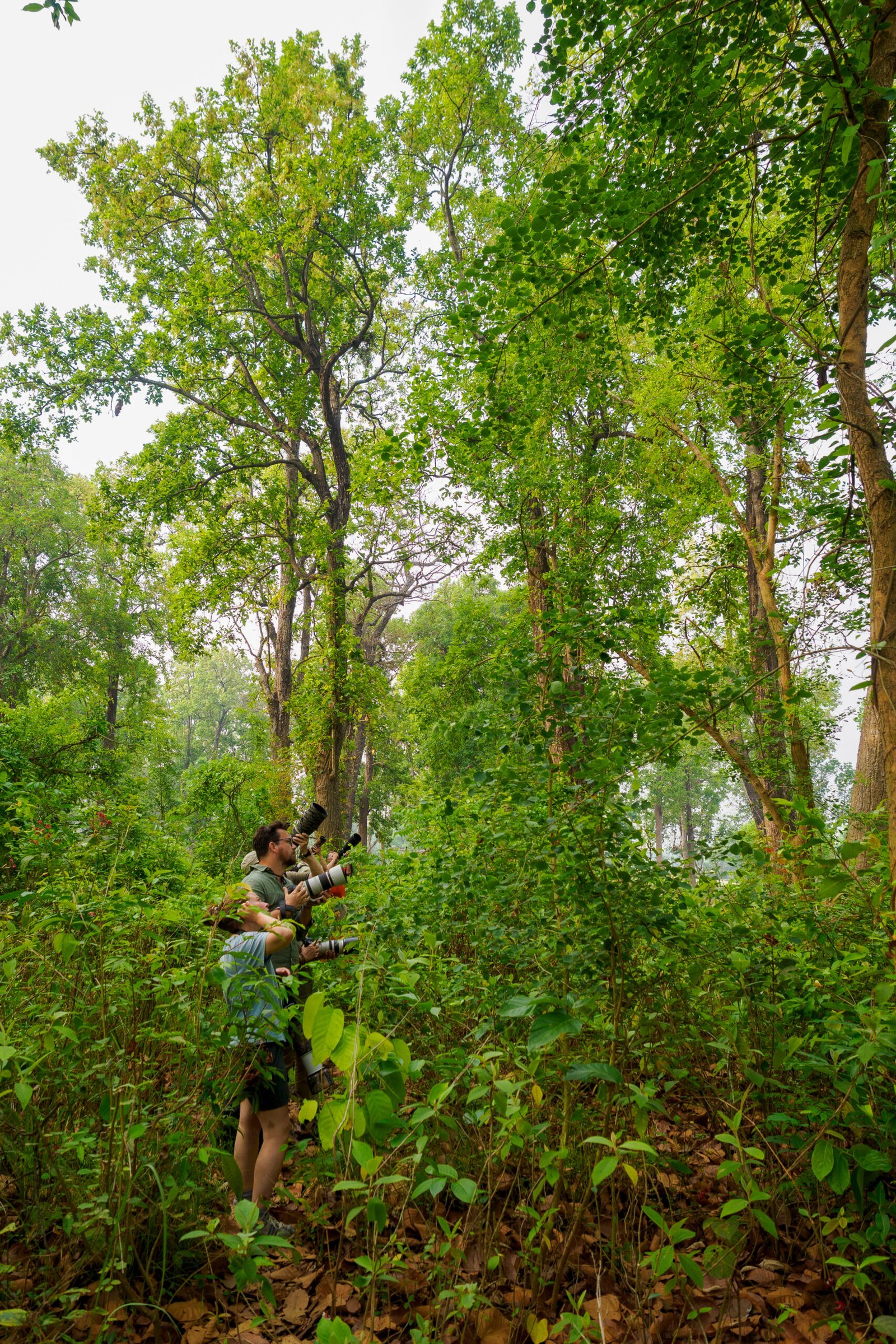
When is the Best Time of Year for Jungle Trekking in Nepal?
The Terai region follows a well-defined seasonal rhythm, and your choice of travel months radically shapes the wildlife experience.
March to May — The Golden Season for Big Cat Sightings
Temperatures rise and the forest dries out. The towering monsoon elephant grass withers or is cleared, opening up panoramic sightlines. Lowland wildlife converges tightly around dwindling rivers and natural waterholes. Tigers are active near water sources, and rhinos linger in marshy river channels. This is the absolute peak season for high-probability walking safaris and photography.
October to February — The Lush, Comfortable Winter Window
Following the summer monsoon (July to September), the jungle turns a breathtaking emerald green. Temperatures are pleasantly mild (15°C to 28°C), creating superb conditions for lengthy, comfortable walks. While dense foliage makes tracking big cats more challenging, the sensory atmosphere is pure magic, and winter brings a staggering influx of migratory birds from Siberia and Central Asia.
June to September — The Monsoon: Lowland Rains
Bardia and Chitwan National Parks generally suspend interior walking and jeep safaris during the height of the summer monsoon. Flooded rivers, saturated soil, and leech-rich conditions make trails impassable, while animals disperse widely across elevated forest tracts. This window is not recommended for jungle walking safaris.
How Much Does a Jungle Trek in Nepal Cost?
The cost of a jungle safari trek depends on several key variables: trip duration, accommodation comfort level, and above all, whether you book directly with a local specialist agency or through an overseas tour operator.
By booking directly with Jungle Nepal Adventure, a grassroots wildlife operator based right on the doorstep of Bardia National Park, you cut out unnecessary third-party broker markups. You pay a fair, competitive rate for premium services: seasoned senior trackers, turnkey logistics (private airport transfers, boutique eco-lodge accommodation, all fresh meals), and fully private safaris.
- Bardia Explorer Package (5 Days): pricing available upon request depending on season and group size
- Extreme Jungle Wildlife Package (7 Days): bespoke tiger-tracking itinerary; pricing upon request
- Domestic Flight Kathmandu ↔ Nepalgunj: approx. €150–€180 round-trip (standard local carrier rates, subject to seasonal fluctuations)
- Chitwan Wildlife Program (3 Days): pricing available upon request
All comprehensive packages include eco-lodge accommodation, full-board meals, expert private safari guides, official national park entry permits, and local transfers. No hidden fees or surprises.
Track Wild Bengal Tigers on Foot in Bardia (50€)
Already in Nepal or traveling to the western lowlands? Join our senior native master trackers for an unforgettable full-day walking safari in Bardia National Park. Jungle bush lunch included.
Frequently Asked Questions About Jungle Trekking in Nepal
Is it dangerous to walk on foot in Nepal's jungle?
Jungle trekking is remarkably safe when conducted alongside senior, government-licensed naturalist guides. Our trackers understand animal psychology intimately and know how to read warning signals and maintain generous safety distances. Unwanted incidents are exceedingly rare. This is not an unguided trail walk — it is a professionally supervised wildlife expedition guided by strict, time-tested safety protocols.
Do I need to be an athlete to join a walking safari?
Not at all. A jungle walk is nothing like high-altitude Himalayan mountaineering. The lowland terrain is flat or gently rolling, and the walking pace is leisurely and deliberate — dictated by silent observation and track-reading rather than mileage. Most outings cover 3 to 6 kilometers at an easy, measured walking pace. A standard level of everyday fitness is more than sufficient.
Can we go jungle trekking with children?
Yes, generally recommended for children aged 10 to 12 and above who can remain calm and quiet on foot. For younger children, private jeep safaris, cultural village walks, and tranquil river canoe floats offer wonderful alternatives tailored to their stamina and curiosity. We custom-design family itineraries to ensure complete safety and engagement for all generations.
What is the difference between a jungle walk and a classic Nepal mountain trek?
Classic Himalayan treks (such as Annapurna or Everest Base Camp) take place at high altitude on steep mountain trails with breathtaking alpine scenery. A jungle walk takes place in the subtropical lowlands of the Terai at near sea level, through dense primary forest and along wild river systems, with the primary objective of tracking big game and observing wildlife. They represent two utterly complementary dimensions of Nepal’s natural heritage.
Conclusion: Step Out of the Jeep. Walk the Wild Jungle.
Jungle trekking in Nepal is not reserved for daring survivalists — it is simply the most authentic, respectful, and breathtaking way to experience the living forest of the Terai. It is accessible, deeply moving, and etches memories into your heart of a completely different magnitude than snapshots taken through a vehicle window.
When planning your journey, choose an operator that lives right on the edge of this wilderness, knows its rhythms intimately, and employs senior native guides whose heritage belongs to this forest. That is who we are.
🌿 Ready to Walk Nepal’s Wild Lowland Jungles?
Reach out to our specialist team to craft your tailor-made jungle trekking itinerary. Bardia, Chitwan, or an all-encompassing combination — we are on the ground and respond within 24 hours.
If you want to combine high Himalaya hiking with lowland tiger tracking, discover our official circuit Wild Nepal Safari & Annapurna Trek (15 Days) or add a single-day Bardia Walking Safari (from €50) after your trek.