Introduction: Why Extend Your Himalayan Trek with a Wild Safari in Bardia?
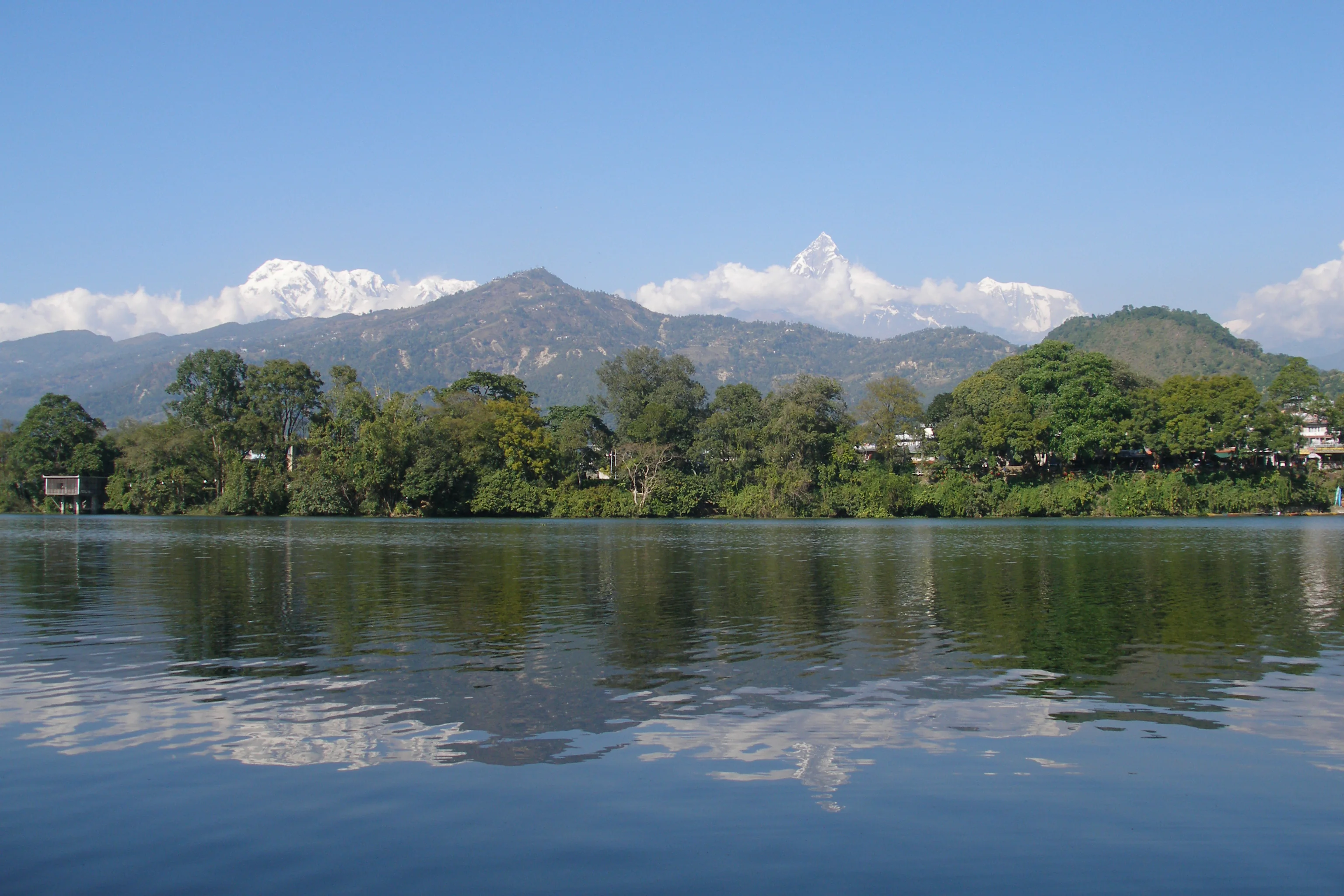
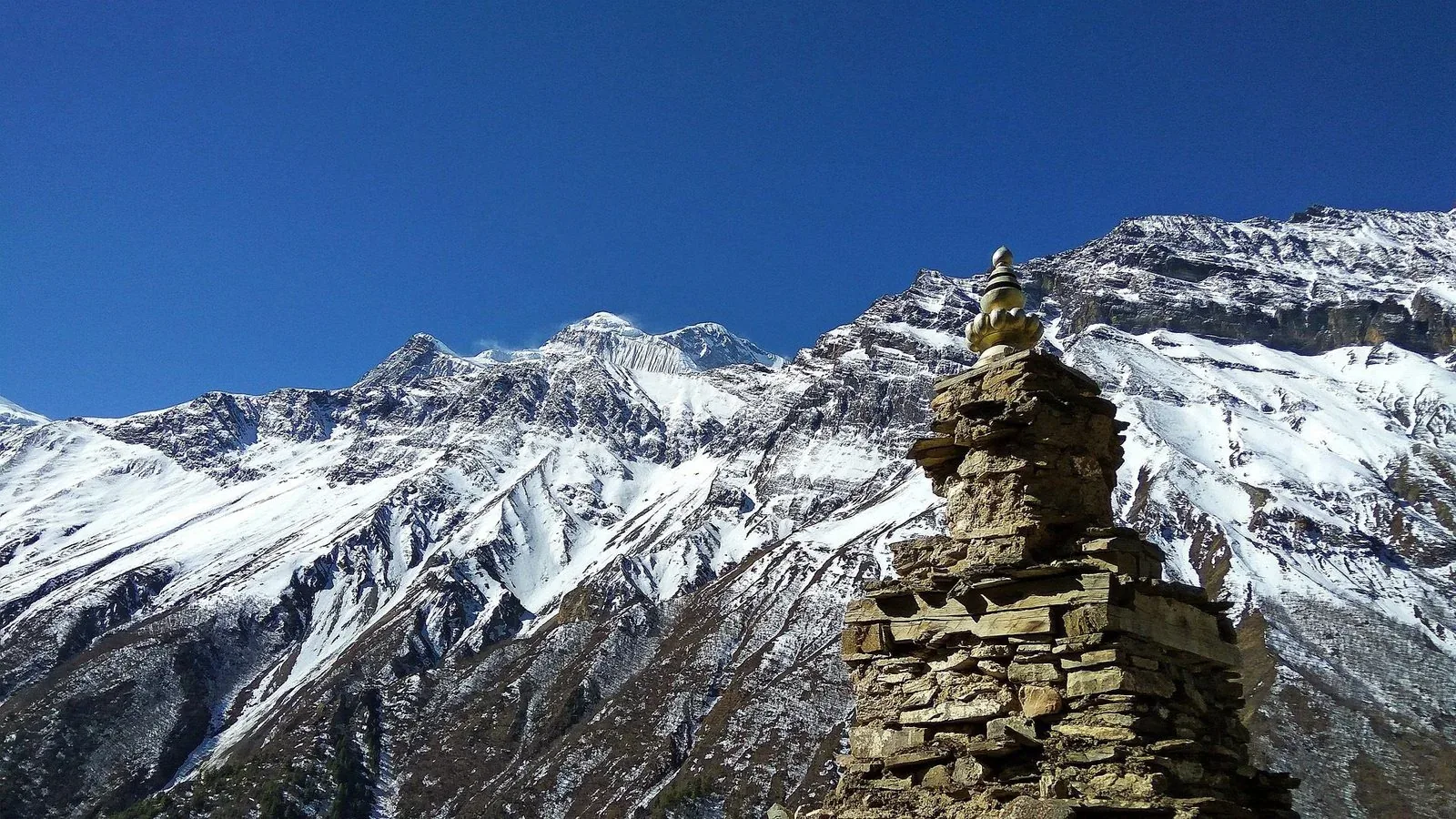
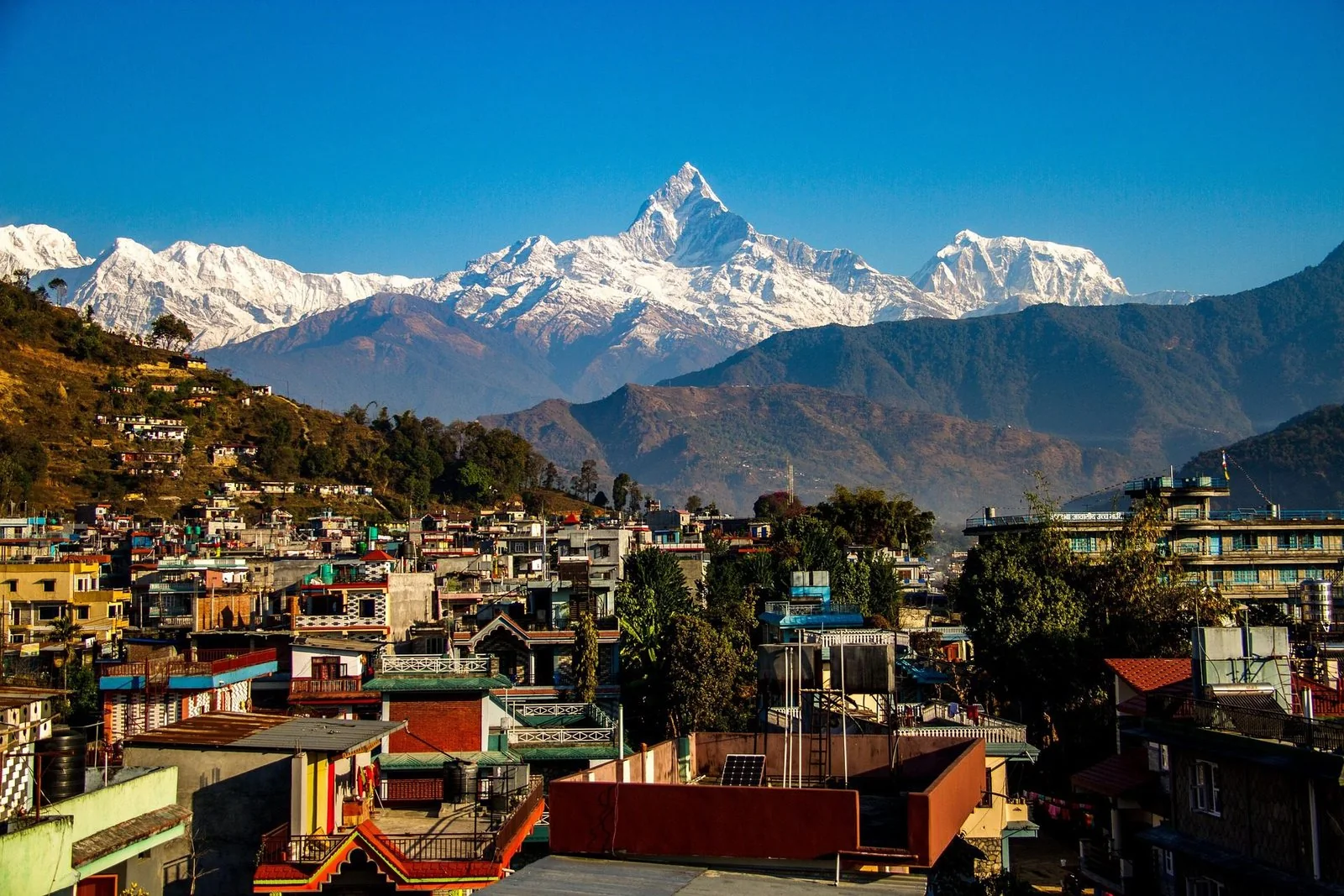
After spending 10 to 20 days traversing high-altitude moraines on the Annapurna Circuit, the Everest Base Camp route, the wild Manaslu circuit, or the Langtang Valley, landing straight back into the hectic urban traffic of Kathmandu can feel abrupt. Your legs are toned, your lungs are accustomed to pure air, your mind is still immersed in snow-capped vistas of Machapuchare, and you feel a compelling desire to prolong your wilderness immersion before boarding your international flight home.
This is where one of the planet's most astonishing geographical contrasts comes into play: descending from Himalayan glaciers directly into the subtropical primary forests of the Terai plains. While mainstream package tours flock by default to Chitwan, seasoned wildlife lovers and outdoor enthusiasts take a bolder and far more rewarding route: Bardia National Park.
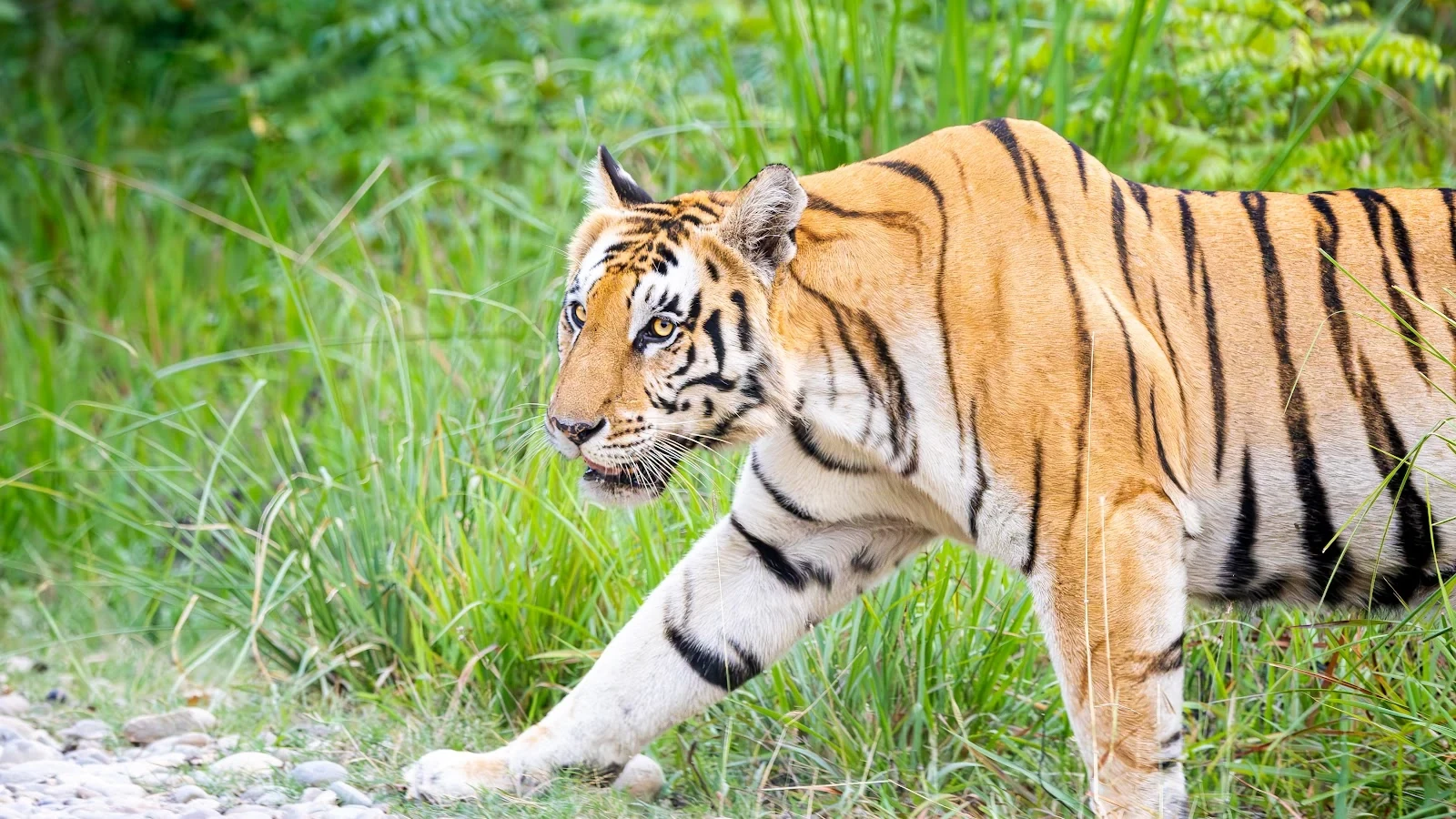
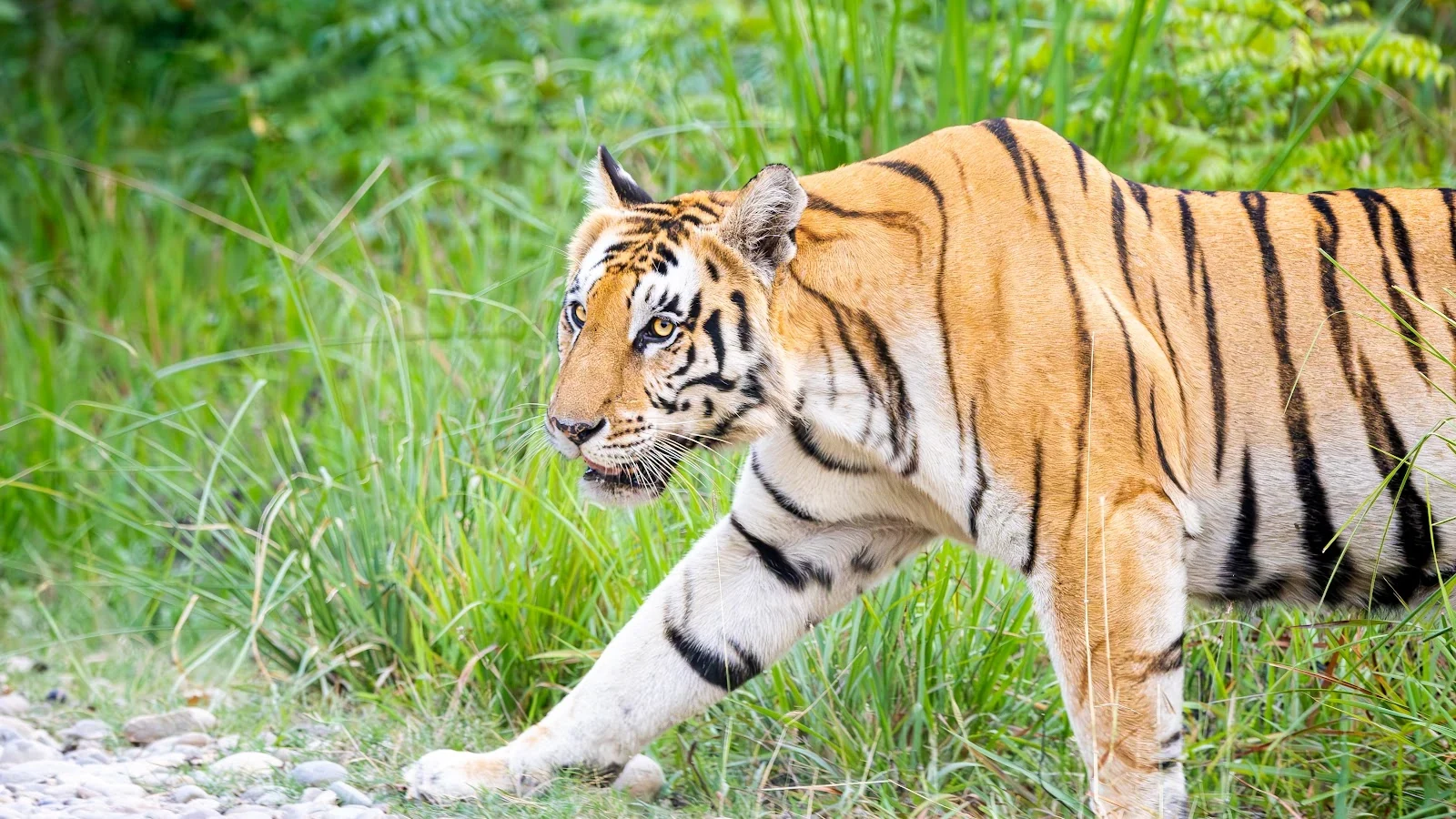
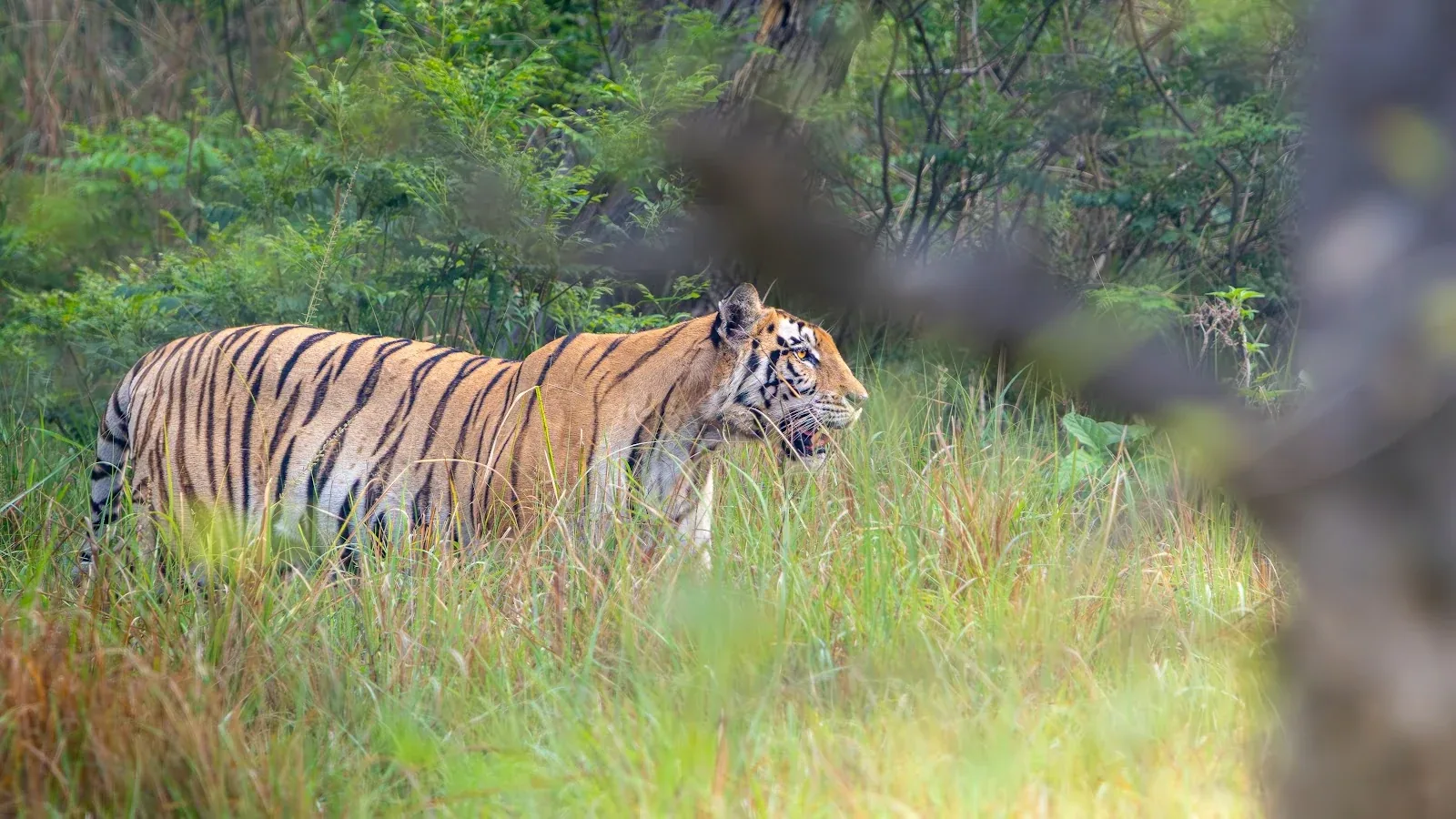
Bardia represents the exact opposite of vertical mountain trekking: here, the pace slows to a whisper, the temperature warms pleasantly, and altitude drops to just 150 meters above sea level. Above all, Bardia stands as Asia's premier Bengal tiger sanctuary, boasting over 125 adult tigers in the wild. Here is our step-by-step field guide to planning this extension seamlessly.
Ready to follow your mountain trek with the realm of wild tigers?
Private transfers from Pokhara or Kathmandu, boutique eco-lodge accommodation in Thakurdwara, and walking safaris guided by two licensed Tharu naturalists.
1. The 3 Routes to Reach Bardia After Your Himalayan Trek
The key to a smooth post-trek transition lies in selecting the right transport option. Whether you wrap up your trek in Pokhara (Annapurnas, Dhaulagiri, Mardi Himal) or Kathmandu (Everest, Langtang, Manaslu), here are the field-tested itineraries:
Option A: The Express Flight + Private Transfer (Recommended for Maximum Comfort)
This is the premier choice for travelers with 4 to 6 days available before their international departure:
- From Pokhara: Catch a direct domestic flight from Pokhara to Nepalgunj (operated by Buddha Air, approx. 35 to 40 minutes with panoramic views over the Dhaulagiri range), or transit briefly via Kathmandu.
- From Kathmandu: Daily regular domestic flight from Kathmandu to Nepalgunj (approx. 50 minutes flight time on Buddha Air or Yeti Airlines).
- From Nepalgunj Airport to Bardia: Our private air-conditioned vehicle or 4WD welcomes you directly at the terminal exit. Enjoy a smooth 2-hour scenic drive on paved roads (around 85 km) through traditional Terai villages to Thakurdwara, the official gateway to the park.
For detailed fare breakdowns and booking tips on this flight connection, consult our comprehensive guide: How to Get to Bardia from Kathmandu or Pokhara.
Option B: Overland Tourist Night Bus or Private 4WD (Budget & Road-Trip Mode)
If you are traveling on a backpacker budget or wish to minimize flight emissions:
- Overnight Tourist Bus Pokhara – Ambassa: Departs late afternoon from Pokhara Tourist Bus Park. Journey takes 12 to 15 hours along the East-West Highway (Mahendra Highway). Alight at the Ambassa junction where our lodge jeep picks you up for the remaining 13 km to Thakurdwara.
- Private Vehicle with Driver: Perfect for a small party of 3 to 5 hikers. Drive time is roughly 9 to 11 hours from Pokhara through scenic hill country and farming valleys.
| Transport Mode | Total Travel Time | Comfort Level | Estimated Cost (per person) | Our Post-Trek Recommendation |
|---|---|---|---|---|
| Domestic Flight + Private Car | ~3h00 to 3h30 | Maximum comfort, zero fatigue | $150 – $210 | ★★★★★ (Crucial for physical recovery) |
| Private 4WD Charter | 9h to 11h | Good comfort, flexible stops | $65 – $95 (shared) | ★★★☆☆ (Great for groups of 3-4) |
| Overnight Tourist / Local Bus | 13h to 16h | Rough, bumpy roads | $20 – $35 | ★★☆☆☆ (Exhausting after high passes) |
2. How Many Days Should You Spend in Bardia After Hiking?
Following high-altitude physical exertion, your body craves muscular recovery while your mind seeks quiet reflection. Unlike a trek where you change teahouses daily while carrying a pack, a Bardia safari is anchored in a serene, eco-friendly base camp.
To make the western journey truly worthwhile, we recommend a minimum stay of 3 nights / 4 full days in Bardia:
- Day 1: Arrive at Nepalgunj by midday, private transfer to Thakurdwara, settle into your lodge, enjoy a gentle sunset stroll through Tharu farming hamlets, and participate in your first wildlife safety briefing. Discover the local indigenous lifestyle in our deep dive on Tharu culture and heritage in Bardia.
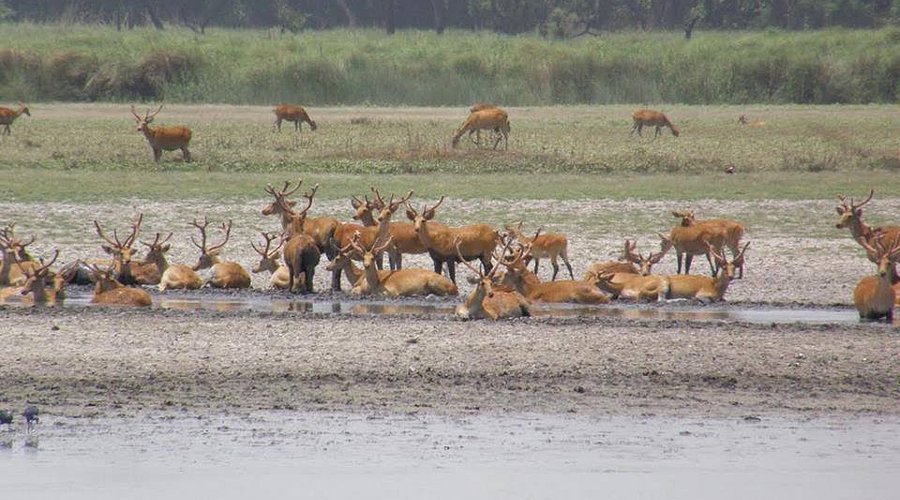
- Day 2: Full-day guided walking safari in Bardia with two licensed naturalists. Early morning riverbank hides at Kingfisher and Tinkuni along the Karnali and Geruwa rivers, tracking fresh tiger pugmarks and watching spotted deer herds.
- Day 3: Full-day 4WD Jeep safari into the remote Babai Valley or a serene river rafting safari on the Karnali River to observe Gharial crocodiles and the endangered Gangetic dolphin.
- Day 4: Sunrise birding walk along the forest fringe, hearty breakfast, and private transfer back to Nepalgunj for your domestic flight to Kathmandu.
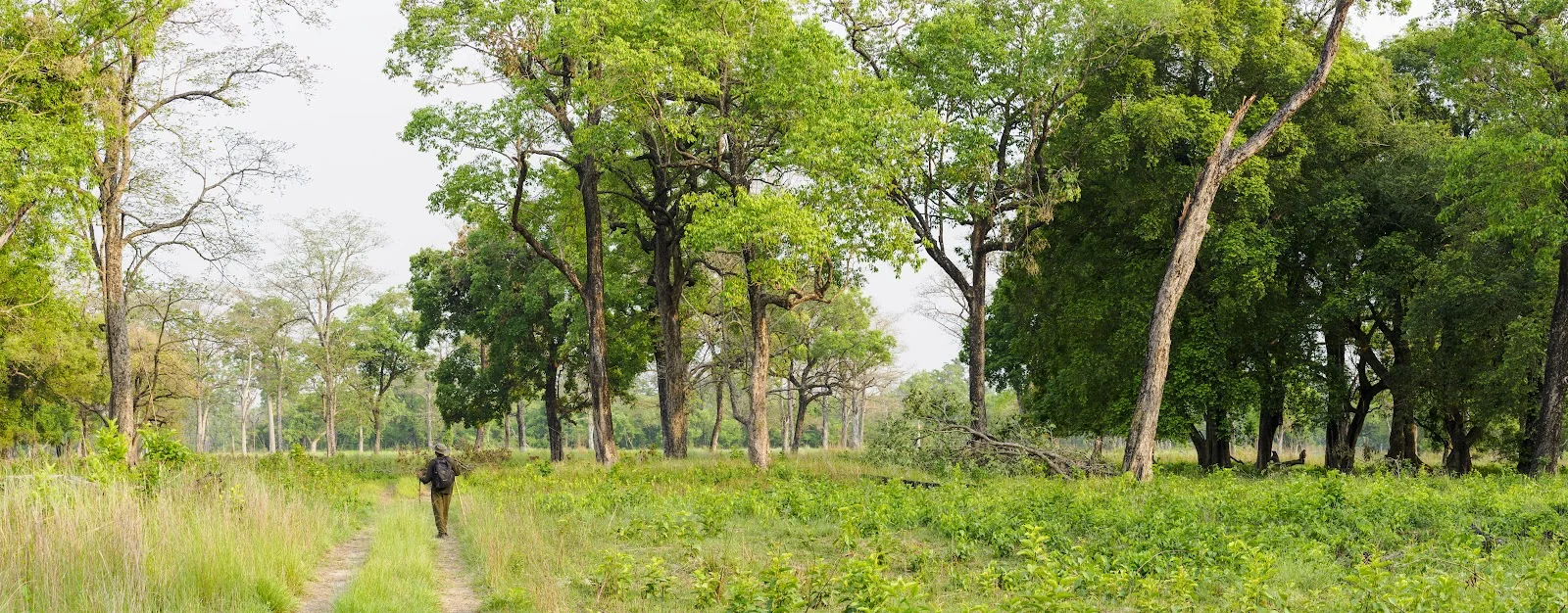
3. Physical Fitness: From Steep Altitude to Mindful Stalking
One of the most frequent questions from hikers is: "Will I have enough stamina left to walk through the jungle after tackling 100 km in the Annapurnas?"
The answer is overwhelmingly positive: jungle walking has virtually nothing in common with mountain trekking.
- Zero elevation gain: Bardia rests entirely on flat alluvial plains. Daily elevation change is 0 meters.
- Slow, mindful stalking pace: Guides move with gentle, cautious footsteps to avoid snapping dry twigs. You pause every 15 minutes to listen to alarm calls from chital deer and grey langurs.
- Extended riverside hideouts: A significant portion of your day is spent quietly seated in the natural shade of riverbanks or atop elevated wooden watchtowers (machans) overlooking vital watering holes. Read our full fitness assessment: What physical fitness is needed for a walking safari in Nepal?.
- Abundant oxygen: After breathing thin air above 3,500 to 5,000 meters, returning to sea-level oxygen pressures feels invigorating and speeds up deep muscle regeneration.
4. What Should You Do with Your Trekking Gear During the Safari?
Trekking leaves you carrying sub-zero sleeping bags, heavy down parkas, trekking poles, and stiff high-altitude mountaineering boots. None of these items are needed in the subtropical jungle!
Here is the proven luggage strategy:
- Leave your heavy expedition duffle in luggage storage: Reputable hotels in Pokhara (Lakeside) or Kathmandu (Thamel) store surplus baggage for free or for $1/day in secure locked rooms.
- Pack a light 30–40 liter duffle or daypack for Bardia: Include lightweight cotton or quick-dry clothing in strict earthy tones (khaki, olive green, beige, brown—avoid bright white, red, or neon colors that spook wildlife).
- Trail runners instead of heavy boots: Heavy leather mountaineering boots are noisy and overly warm. Flexible trail running shoes or low-cut hiking shoes are ideal for sandbanks and gravel flats. Review our packing guide: What to pack for a safari in Nepal.
5. Estimated Budget for a Post-Trek Bardia Safari Extension
Arranging your Bardia extension with specialist outfitter Jungle Nepal Adventure offers complete transparency. For a 4-day / 3-night all-inclusive package:
- Domestic Flights Kathmandu/Pokhara – Nepalgunj (Return): approx. $190 to $260 per person depending on season.
- DNPWC National Park Entry Permits: approx. $16 (2,000 NPR) per person per day.
- Eco-lodge accommodation + full board meals: $45 to $100 per night depending on lodge category.
- Elite Tharu Naturalist Guiding (2 mandatory certified guides): approx. $50 to $70 per day for the guiding team.
Overall, plan on a realistic budget of $500 to $850 per person all-inclusive for 4 days of immersive wilderness tracking, including transfers, guides, park permits, and accommodation. For detailed pricing matrices, see our guides: Bardia Safari Cost & Inclusions and Cost of a Safari in Nepal.
6. Frequently Asked Questions: Combining Trekking and Safari in Nepal
How do you manage the temperature contrast between mountains and jungle?
Between freezing mountain passes at -5°C and Bardia's pleasant 25°C to 33°C afternoons, your body experiences a noticeable shift. Drink plenty of water upon arrival in Nepalgunj, wear breathable loose-fitting layers, and keep a light windbreaker or fleece handy for early misty dawn hours on the river.
Should I worry about malaria during a safari in Bardia after my trek?
Malaria transmission risk in tourist areas of Bardia is officially classified as very low during the dry trekking season (October to May). Most travelers avoid heavy prophylactic medication, relying instead on effective DEET mosquito repellents at dusk and sleeping under lodge mosquito nets. For medical details, read: Health, Malaria and Vaccines for a Nepal Safari.
What are the best months to combine trekking and tiger tracking in Bardia?
The two golden windows are Spring (March to May), when rhododendrons blossom across mountain slopes and tigers congregate reliably around Bardia's drying rivers, and Autumn (October to December), celebrated for crisp crystal-clear mountain views and pleasant, comfortable jungle temperatures.
Craft Your Custom Mountains & Jungle Himalayan Expedition
Let our native Bardia expedition leaders synchronize your domestic flights, private transfers, and safari permits into a seamless journey.
Recommended Bardia Experiences
Join our certified naturalists on a Bardia Walking Tiger Safari (from €50) or cover vast savannah territories in a Private 4x4 Jeep Safari (€190/vehicle).
For a complete 5-day lodge adventure: explore the Bardia Tiger Safari 5 Days (€690).