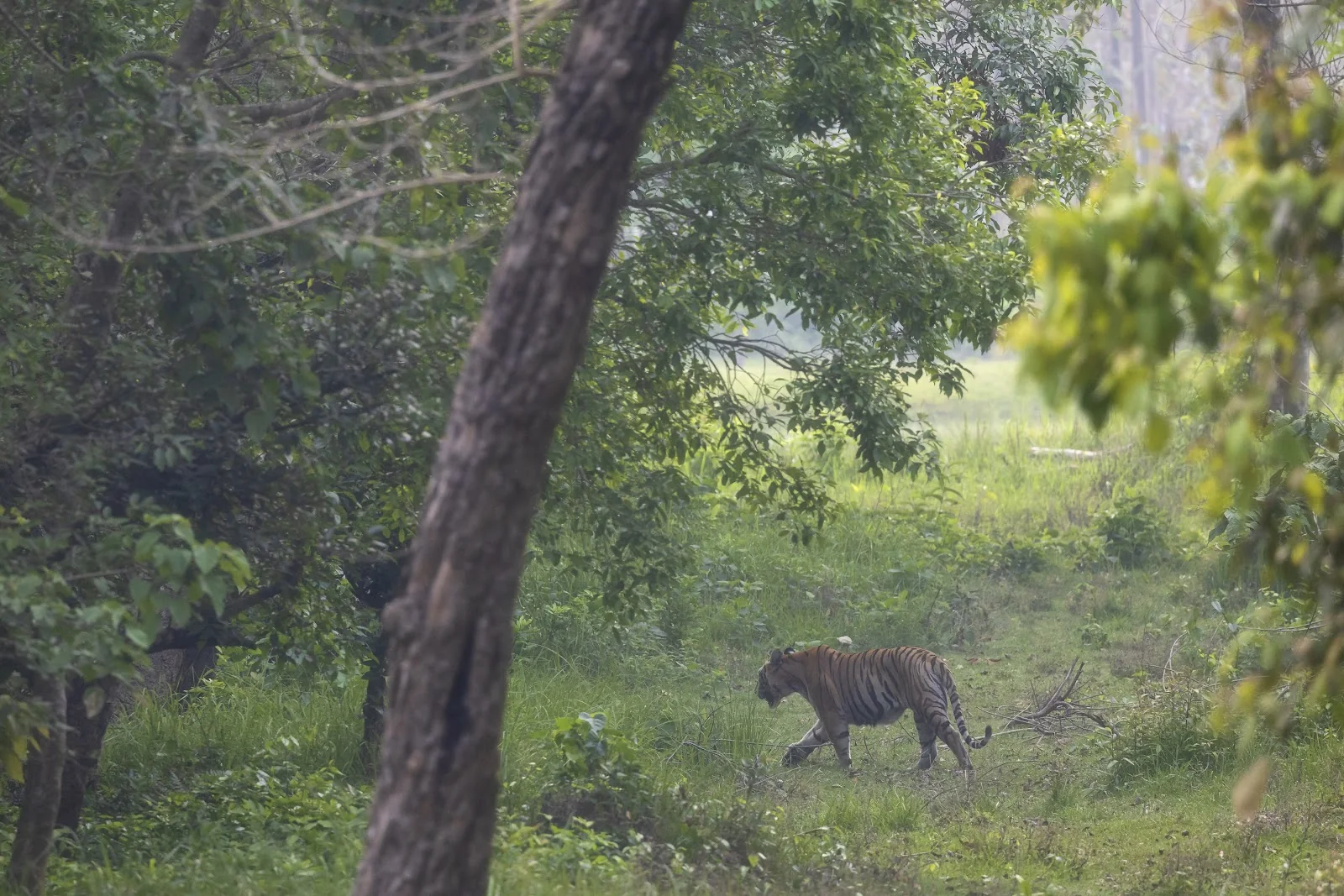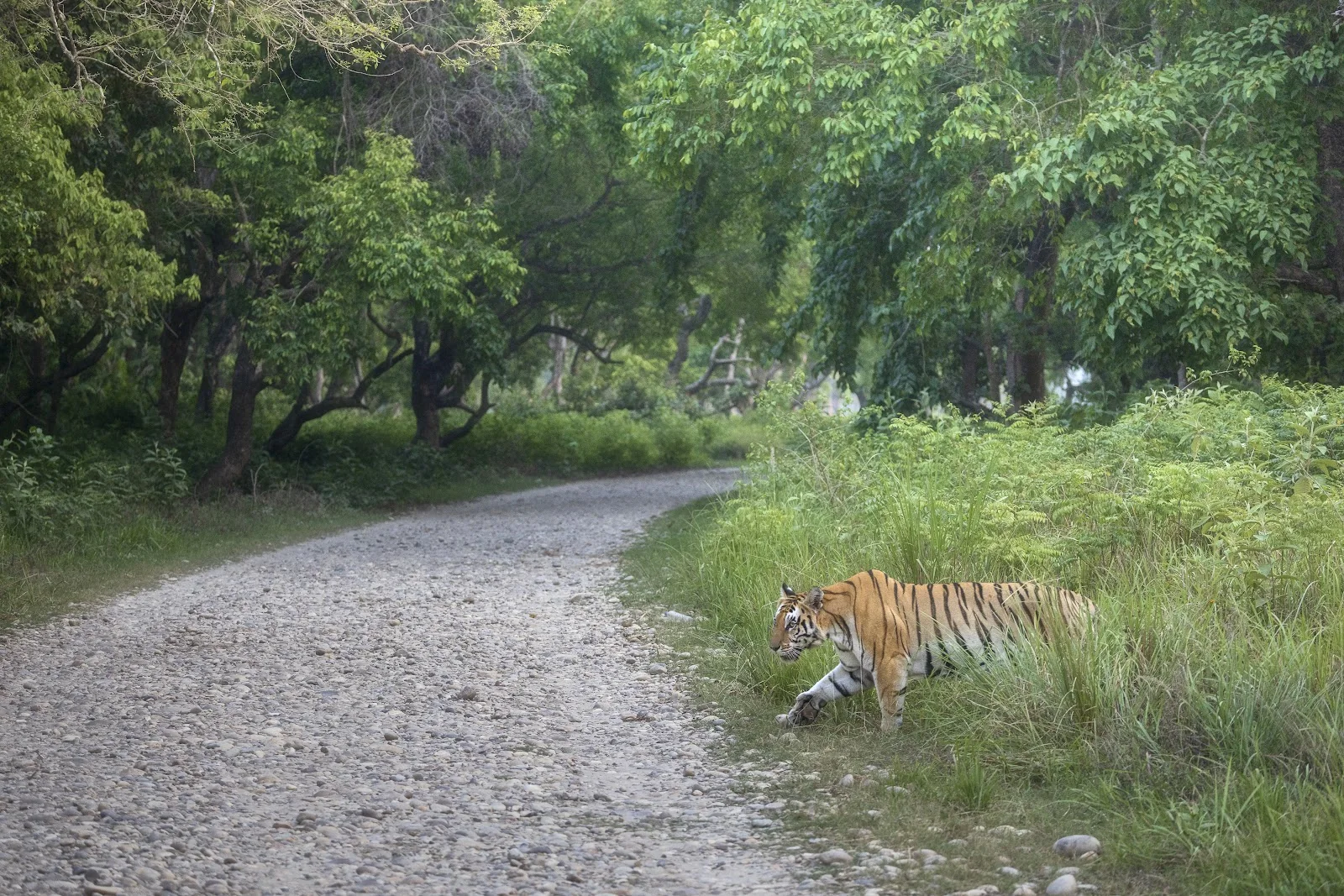

With nearly 900 bird species recorded across a territory roughly one-fourth the size of France, Nepal alone harbors 9% of the world's avifauna. While Himalayan summits captivate high-altitude trekkers, it is in the subtropical humidity and lush alluvial floodplains of the Terai that birdwatching in Nepal unveils its true majesty. At the crossroads of the Indomalayan and Palearctic biogeographic realms, southern Nepal's protected reserves represent an invaluable migratory corridor and biodiversity sanctuary.
From the towering canopies of old-growth Sal forests—where the heavy wingbeats of giant hornbills reverberate—to the sandy shores and oxbow bends of the Karnali, Babai, and Rapti rivers frequented by waders and vibrant kingfishers, Bardia National Park and the Chitwan reserve stand as Asia's premier birding havens. Discover in this comprehensive field guide the most iconic species, essential ecosystems, and respectful stalking techniques to make your 2026 birdwatching safari an unforgettable expedition.
Winged Giants of the Terai: The Realm of Hornbills
Among the most mesmerizing creatures inhabiting the jungles of Nepal, the hornbill family (Bucerotidae) holds a singular place. Regarded as veritable forest architects and essential seed dispersers for giant fruit-bearing trees like wild figs (Ficus benghalensis), hornbills captivate naturalists with their prehistoric silhouettes and dramatic horn casques.
1. The Great Hornbill (Buceros bicornis)
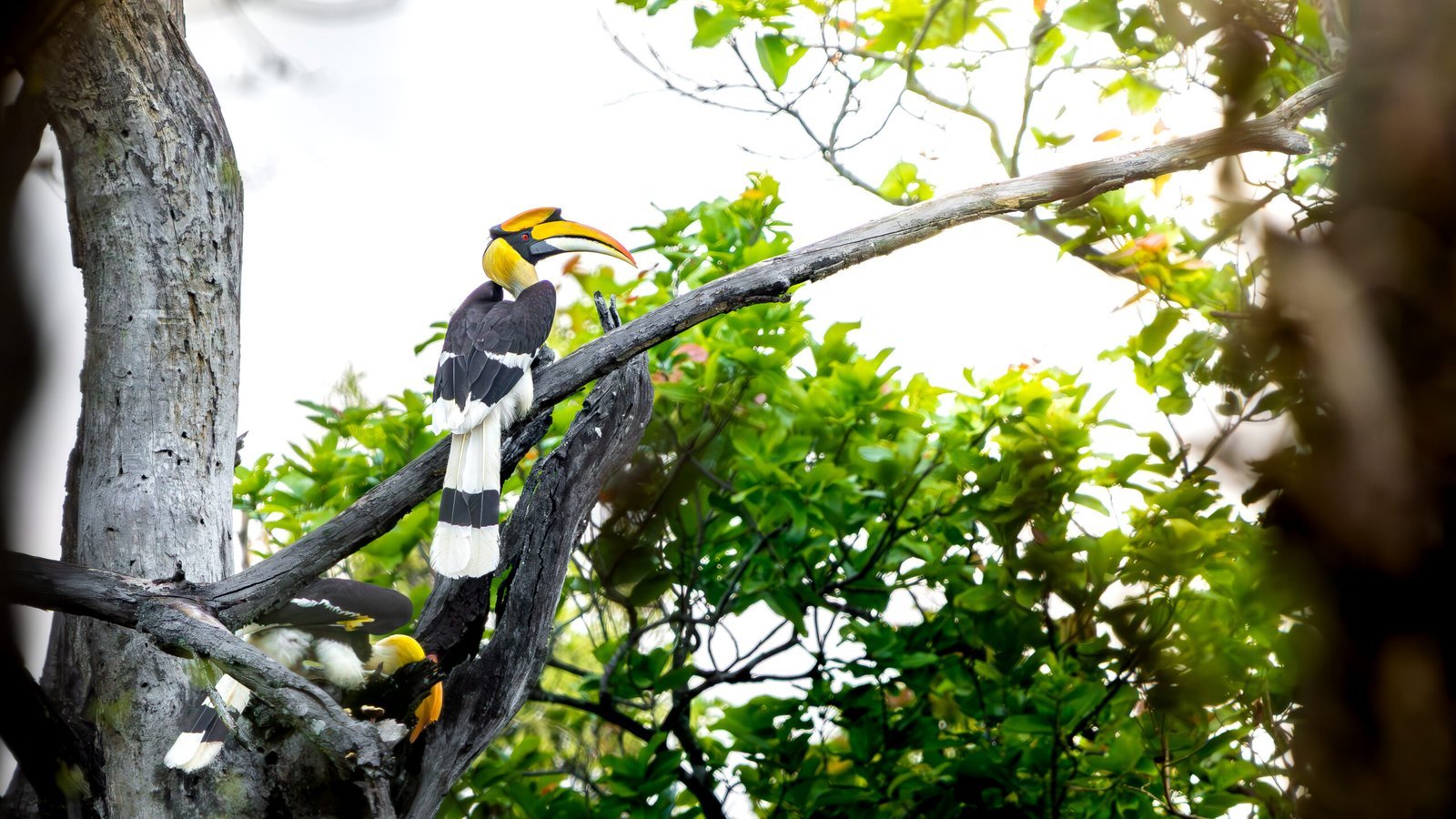
Boasting a magnificent wingspan reaching up to 1.50 meters and a massive bill crowned by a vivid yellow-and-black casque, the Great Hornbill is the undisputed sovereign of the upper canopy. Classified as Vulnerable globally by the IUCN, it finds in the dense, mature forests of Bardia one of its last intact strongholds in Asia. Its heavy, swooshing flight generates a resonant aerial vibration so distinctive that you can hear it approaching long before you spot it cutting across the treetops.
2. The Oriental Pied Hornbill (Anthracoceros albirostris)
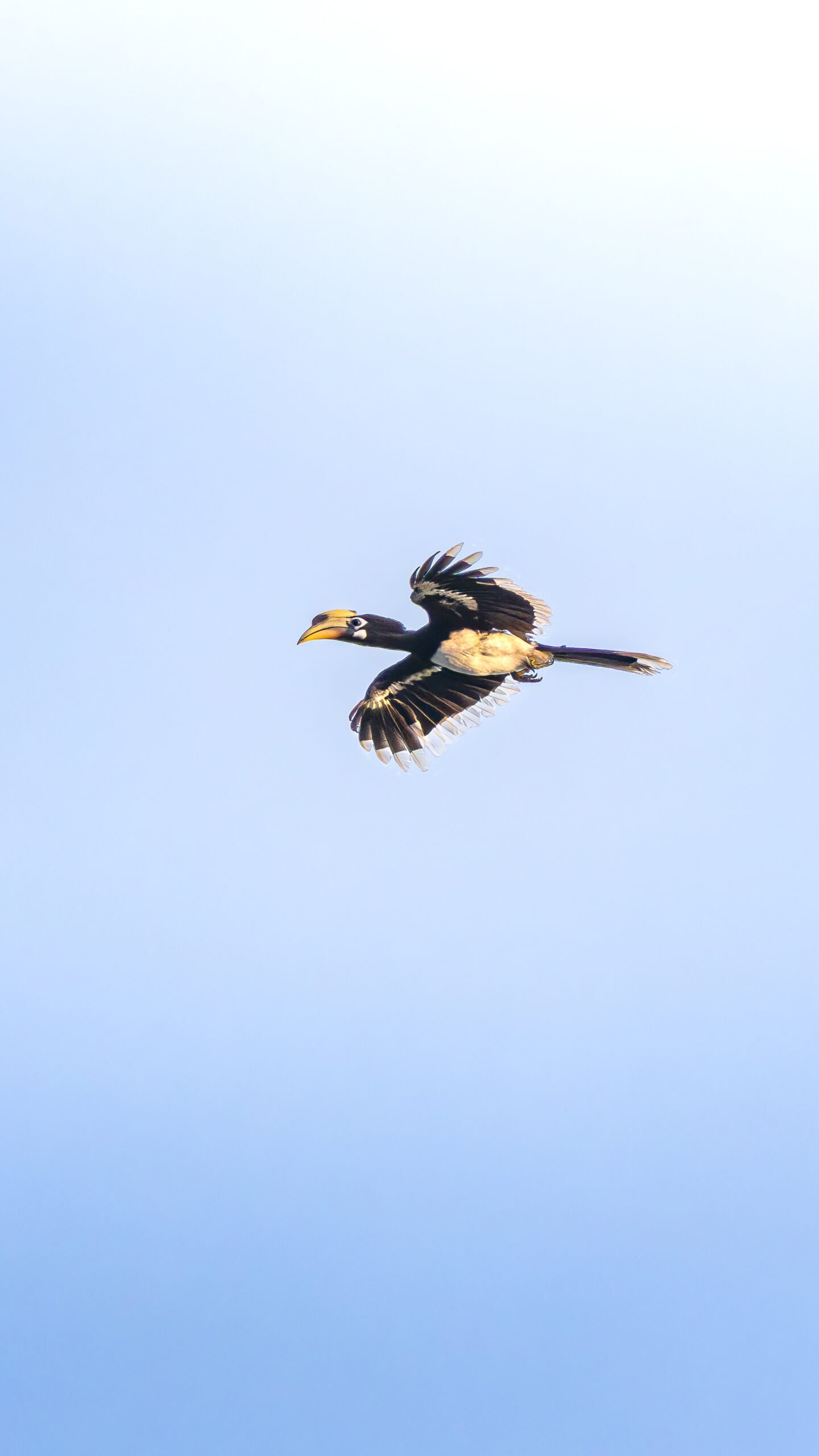
More nimble and sociable, the Oriental Pied Hornbill commonly travels in lively flocks of three to eight birds along river edges and forest margins. Its contrasting black-and-white plumage and sculpted ivory casque provide spectacular photographic opportunities as it glides effortlessly above alluvial clearings.
3. The Indian Grey Hornbill (Ocyceros birostris)
This discreet, ash-grey hornbill is a familiar resident of wooded savannahs, open woodland, and acacia groves. It stands out through its sharp, whistling calls and marked territorial displays during the spring breeding period.
Other Iconic Bird Species to Spot
Beyond hornbills, the rich tapestry of southern Nepal's ecosystems allows birders to encounter a vibrant kaleidoscope of avifauna displaying remarkable behaviors:
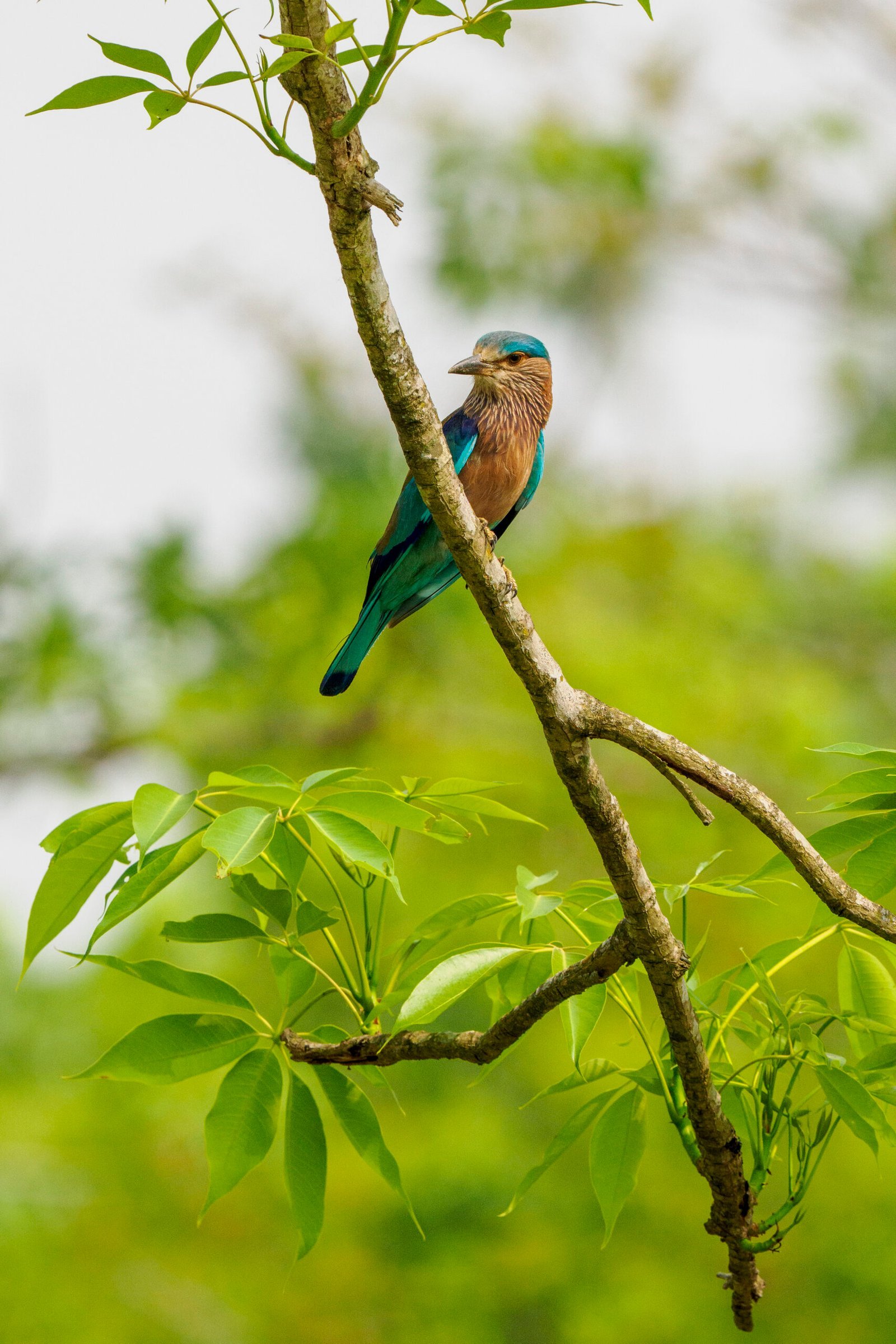
1. The Indian Roller (Coracias benghalensis)
Perched quietly on exposed dry branches bordering open meadows, the Indian Roller seems understated at rest. In flight, however, it unfurls a dazzling burst of sky-blue, electric turquoise, and deep indigo. Its acrobatic aerial dives to catch beetles and grasshoppers make it a favorite subject for travelers on a Nepal photo safari.
2. The Diverse Array of Kingfishers
The vast hydrographic network of the Terai supports up to 8 distinct kingfisher species:
- White-throated Kingfisher (Halcyon smyrnensis): Chocolate-brown breast, crisp white throat, and brilliant turquoise-blue back, common along waterways as well as dry scrub and forest glades.
- Ruddy Kingfisher (Halcyon coromanda): A rare, elusive jewel with deep cinnamon-rufous and violet tones, restricted to dense, shaded swamp forests.
- Pied Kingfisher (Ceryle rudis): A master of precision hovering high above swirling river currents before executing dramatic vertical plunge-dives.
- Black-capped Kingfisher and Common Kingfisher: Frequent and rewarding sightings along tranquil river banks throughout the winter season.
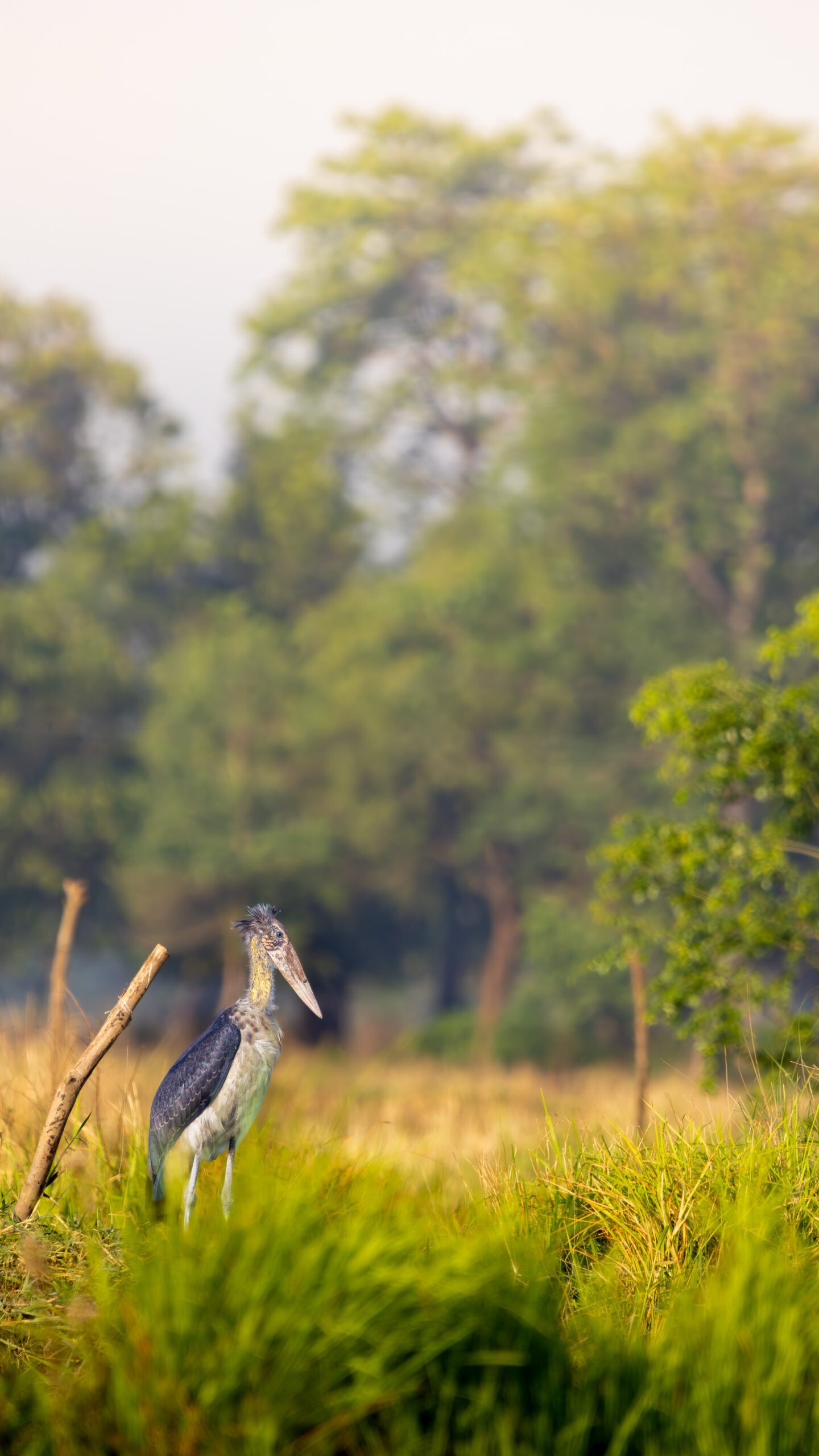
3. Threatened Large Waders and Waterfowl
The alluvial marshes and floodplains shelter key protected species monitored closely under conservation partnerships with the DNPWC and WWF Nepal:
- Lesser Adjutant (Leptoptilos javanicus): A massive stork with a sombre demeanor and bare cranium, pacing methodically through wetlands in search of fish and amphibians.
- Sarus Crane (Antigone antigone): The tallest flying bird in the world, celebrated for its elegant, synchronized courtship dances in the agricultural lowlands and wetlands around Lumbini.
- Bengal Florican (Houbaropsis bengalensis): One of the most critically endangered birds on Earth, whose tiny surviving population nests in the protected tall-grass savannahs of Bardia and Suklaphanta.
4. Silent Raptors and Nocturnal Hunters
By night, the deep Sal forests of Bardia echo with the haunting, low-pitched calls of the Brown Fish Owl (Ketupa zeylonensis), the Oriental Scops Owl, and the Spotted Owlet. By day, the thermals belong to Pallas's Fish Eagle, the Grey-headed Fish Eagle, and the critically endangered Red-headed Vulture, a focal species of dedicated regional conservation programs.
Best Birdwatching Spots: Bardia vs Chitwan
| Birding Criteria | Bardia National Park | Chitwan National Park |
|---|---|---|
| Recorded Species | Over 400 species | Over 540 species |
| Primary Habitats | Primary Sal forests, Karnali river islands & sandbars | Oxbow lakes, Rapti river marshes, dense elephant grasslands |
| Flagship Species | Great Hornbill, Bengal Florican, Lesser Adjutant | Kingfishers, migratory winter waterfowl, Oriental Pied Hornbills |
| Exploration Style | Silent walking safaris on foot & hide watchtowers | Traditional wooden dugout canoe floats & open 4x4 jeeps |
| Visitor Density | Very low (untamed, intimate, private wilderness) | Moderate to high depending on peak season |
Birding Seasons and Calendar: When to Go?
The birdwatching calendar in Nepal is shaped by monsoon dynamics and major continental migration flyways:
- November to February (The Great Winter Migration): The most bountiful season for aquatic avifauna. Tens of thousands of ducks (Ruddy Shelduck, Northern Pintail, Eurasian Teal), Bar-headed Geese, and northern waders escaping freezing Siberian climes gather along the lakes and river channels of the Terai. Daytime temperatures are delightfully mild (20°C to 25°C).
- March to May (Breeding Season & Courtship Displays): As dry vegetation thins out, optical visibility reaches its peak. Hornbills, rollers, parakeets (Alexandrine Parakeet, Plum-headed Parakeet), and cuckoos engage in vigorous courtship and nest-building. Vocal dawn choruses reverberate through the jungle from 5:00 AM onwards.
Track Wild Bengal Tigers on Foot in Bardia (50€)
Already in Nepal or traveling to the western lowlands? Join our senior native master trackers for an unforgettable full-day walking safari in Bardia National Park. Jungle bush lunch included.
Field Tips and Recommended Gear for Birdwatching
Essential Jungle Birding Recommendations:
- Optics: Prioritize 8×42 or 10×42 binoculars with premium multi-coating to preserve excellent brightness under the dense, shaded jungle canopy.
- Photography: Prime telephoto lenses (400mm or 500mm) or versatile telephoto zooms (100-400mm / 200-600mm). Bring reliable dust protection covers and spare batteries.
- Field Guide: The authoritative reference Birds of Nepal by Richard Grimmett, Carol Inskipp, and Tim Inskipp is indispensable for identifying regional species and subspecies.
- Field Ethics & Conduct: Absolute silence and neutral, earth-toned clothing (khaki, olive, beige, dark green) are vital to observe sensitive species closely without disturbing them.
Frequently Asked Questions (FAQ) About Birding in Nepal
Where do you have the best chance of spotting the Great Hornbill?
Bardia National Park is the finest sanctuary in Nepal for spotting the Great Hornbill (Buceros bicornis). They nest high in ancient, mature trees within primary Sal forests bordering the Karnali River, especially during the spring months when wild figs and forest fruits ripen.
How many days should be dedicated to a birdwatching safari?
A duration of 5 to 7 days is ideal to combine on-foot birding through Bardia's old-growth Sal forest with a tranquil dugout canoe float along Chitwan's rivers, consistently yielding sightings of 150 to over 200 distinct bird species.
Can you go birdwatching while searching for tigers and rhinos?
Yes, perfectly. Our naturalist walking safaris effortlessly combine canopy bird observation with ground tracking for megafauna (Bengal tiger, Indian one-horned rhinoceros, wild Asian elephant). In fact, bird alarm calls are among the most reliable indicators leading our trackers directly to big cats on the prowl.
Experience an Exclusive Birdwatching Expedition in Nepal
Embark in small groups with our senior naturalist guides across the untouched wilderness of Bardia and Chitwan. Bespoke itineraries crafted for peaceful birding and premium wildlife photography of Asia’s rarest species.
Recommended Bardia Experiences
Join our certified naturalists on a Bardia Walking Tiger Safari (from €50) or cover vast savannah territories in a Private 4x4 Jeep Safari (€190/vehicle).
For a complete 5-day lodge adventure: explore the Bardia Tiger Safari 5 Days (€690).