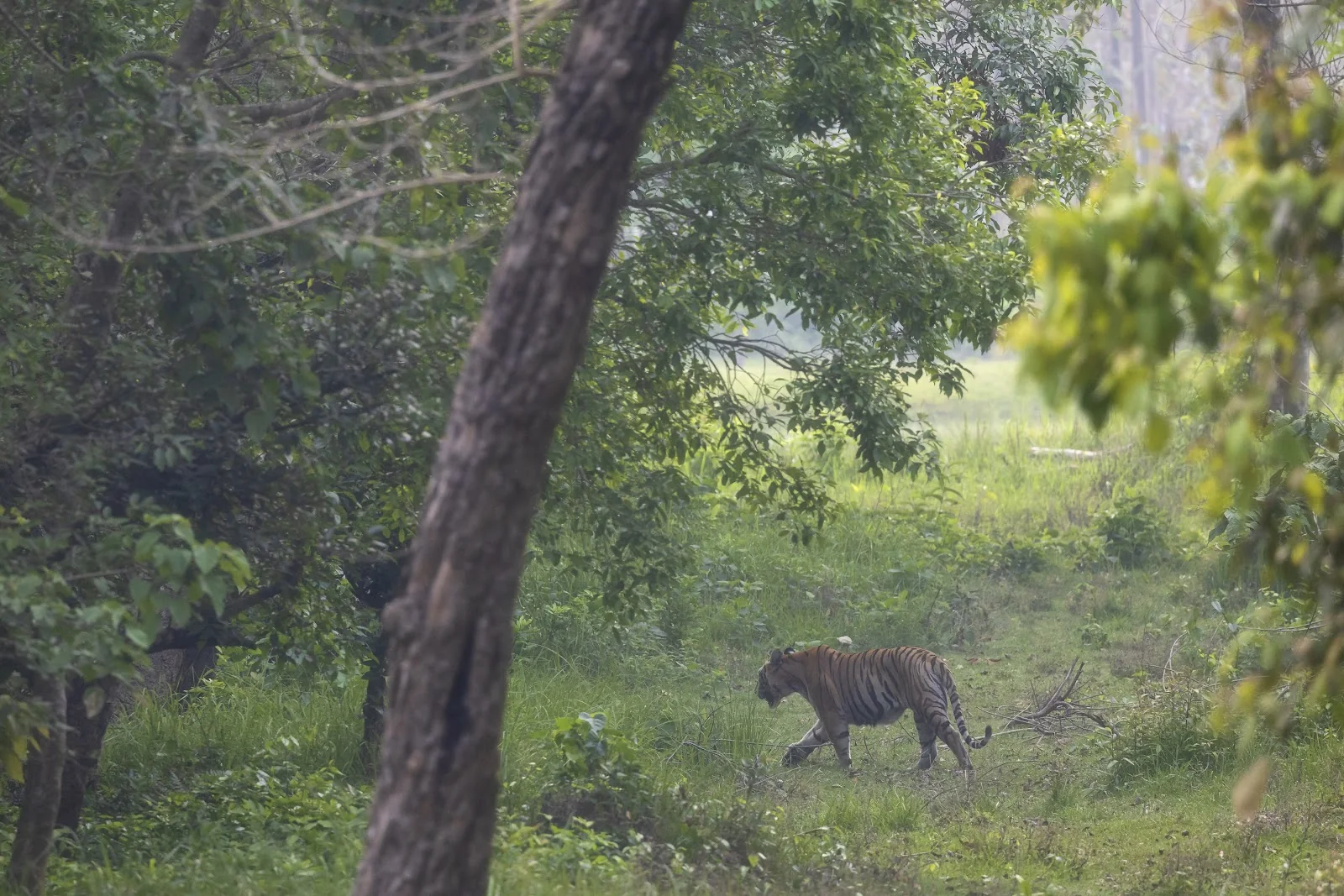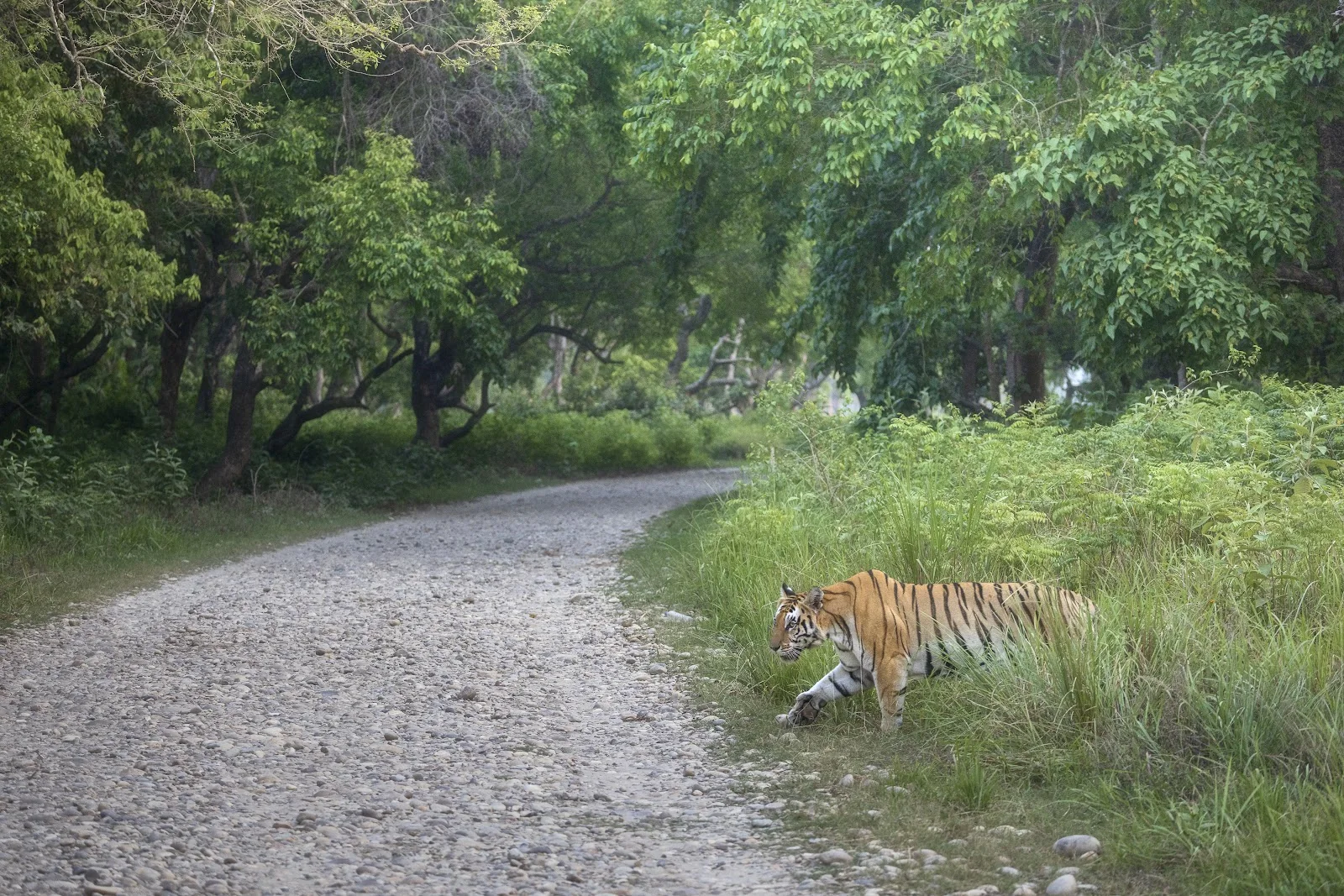

In the heart of the Nepalese Terai, far from the bustle of crowded tourist tracks, lies one of the most intense and authentic wildlife adventures on the planet: a walking safari in Nepal. While most African and Indian reserves confine visitors inside motorized vehicles, Bardia National Park stands out as a world-class exception by allowing adventurers to enter the wild jungle on foot, guided solely by the sharpened senses of expert local naturalist trackers.
Feeling the earth vibrate beneath your footsteps, analyzing the freshness of a tiger pugmark in the drying mud, and hearing the alarm call of a spotted deer echo through the canopy… A walking safari transcends ordinary wildlife watching. It is a raw, sensory immersion that respects fragile ecosystems and delivers a deeply transformative journey. In this practical 2026 guide, discover everything you need to prepare your on-foot tracking expedition into the kingdom of apex predators.
Why Choose a Walking Safari in Nepal?
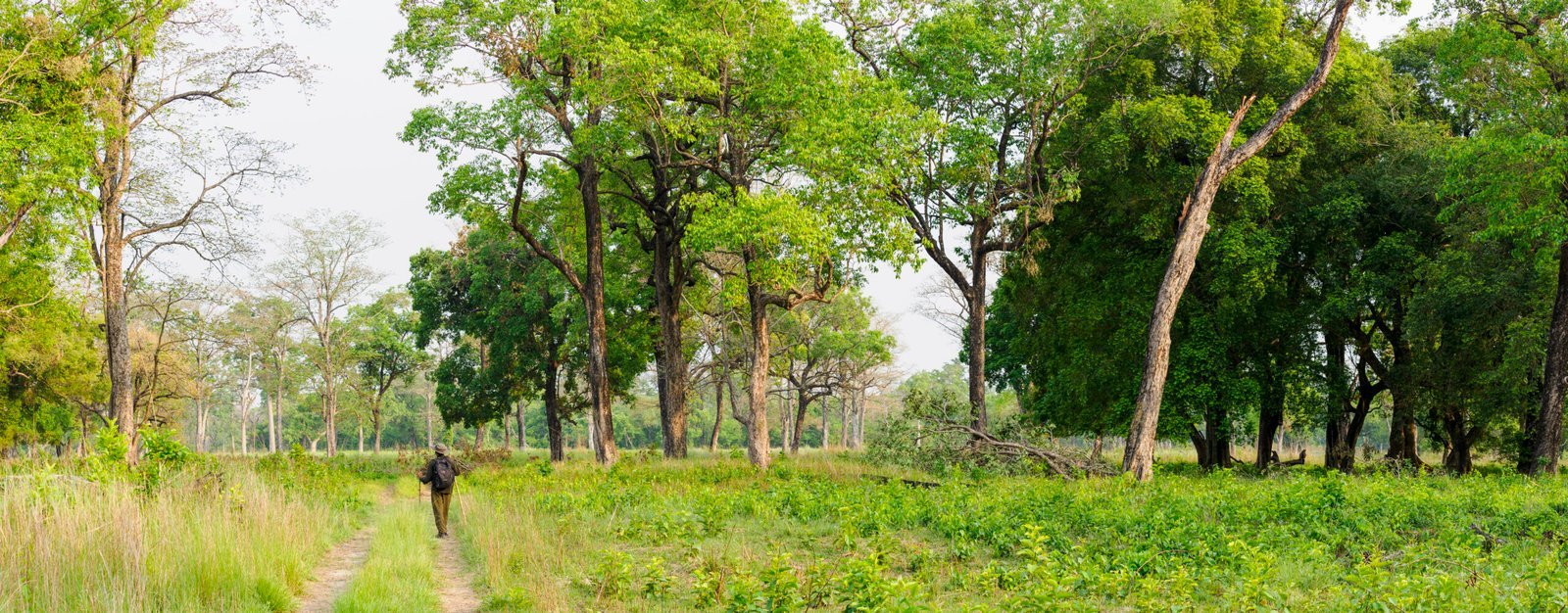
A walking safari is radically different from classic 4×4 game drives due to its unmatched intimacy and discretion. Without the constant rumble of an engine or the glint of metal bodywork, you blend seamlessly into the forest biotope without disrupting natural wildlife behavior.
1. An Unrivaled Sensory Connection
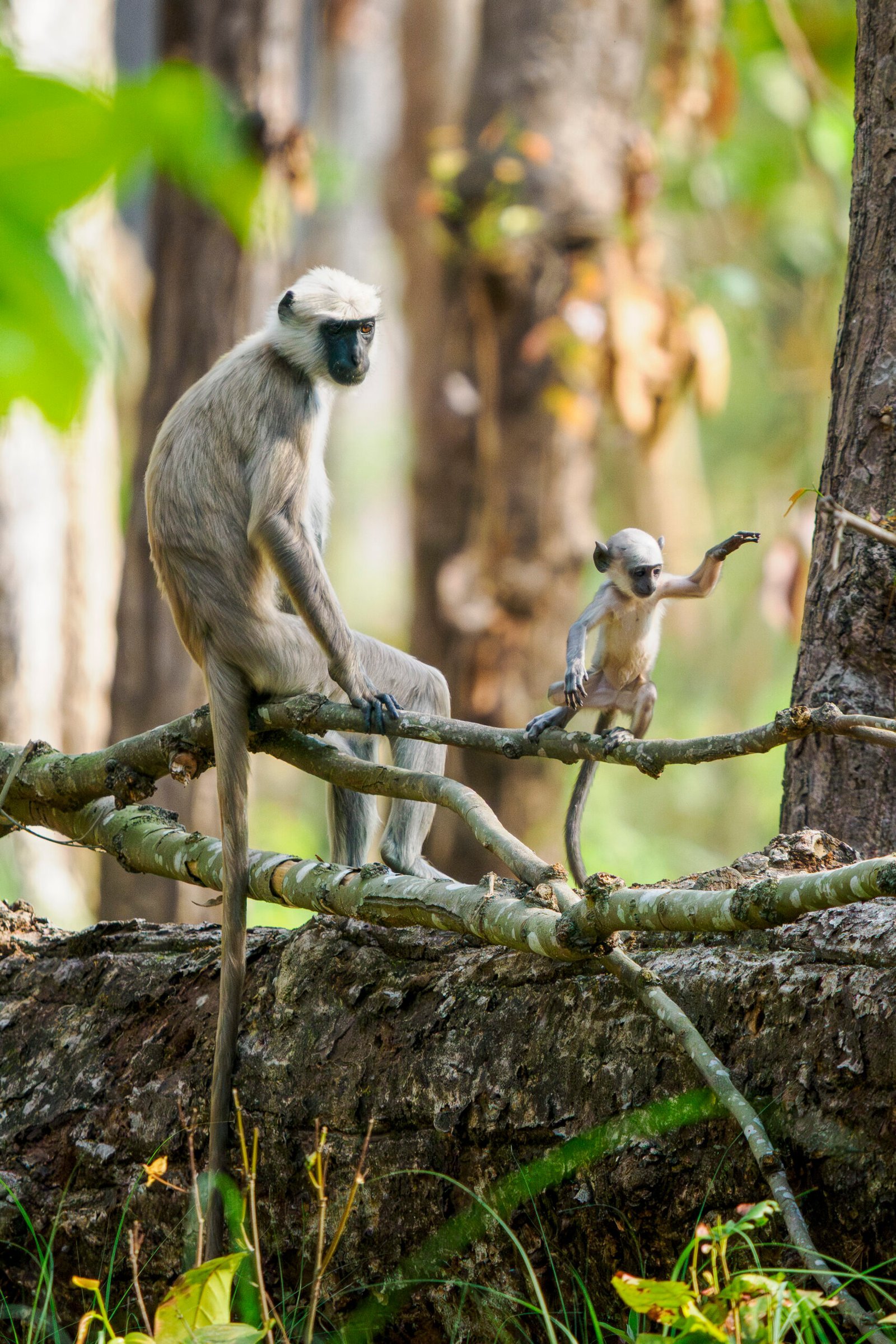
On foot, all your senses are on high alert. Your sense of smell picks up the musky scent left by a dominant male marking his territory on a Sal trunk. Your hearing decodes the symphony of alarm calls: the staccato chatter of sacred langurs perched high in the treetops often warns that an apex predator is on the prowl less than fifty meters away.
2. Access to Sanctuaries Inaccessible by Vehicle
Motorable tracks in Bardia cover only a tiny fraction of the park. Walking safaris allow you to follow wild elephant paths, ford river channels, reach secluded river islands, and access machans (wooden watchtowers camouflaged in the vegetation) strategically positioned overlooking secret watering holes.
3. Responsible, Zero-Emission Ecotourism
Supported by conservation programs from the Department of National Parks and Wildlife Conservation (DNPWC) and WWF Nepal, walking safaris drastically minimize soil erosion and carbon footprints. They directly empower the ancestral tracking knowledge of local Tharu communities, turning former hunters into passionate guardians of their natural heritage.
What Does a Day of On-Foot Tracking Look Like?
A typical walking safari day starts at the very first light of dawn, as morning mist rises off the Karnali River and wildlife stirs before the midday heat sets in.
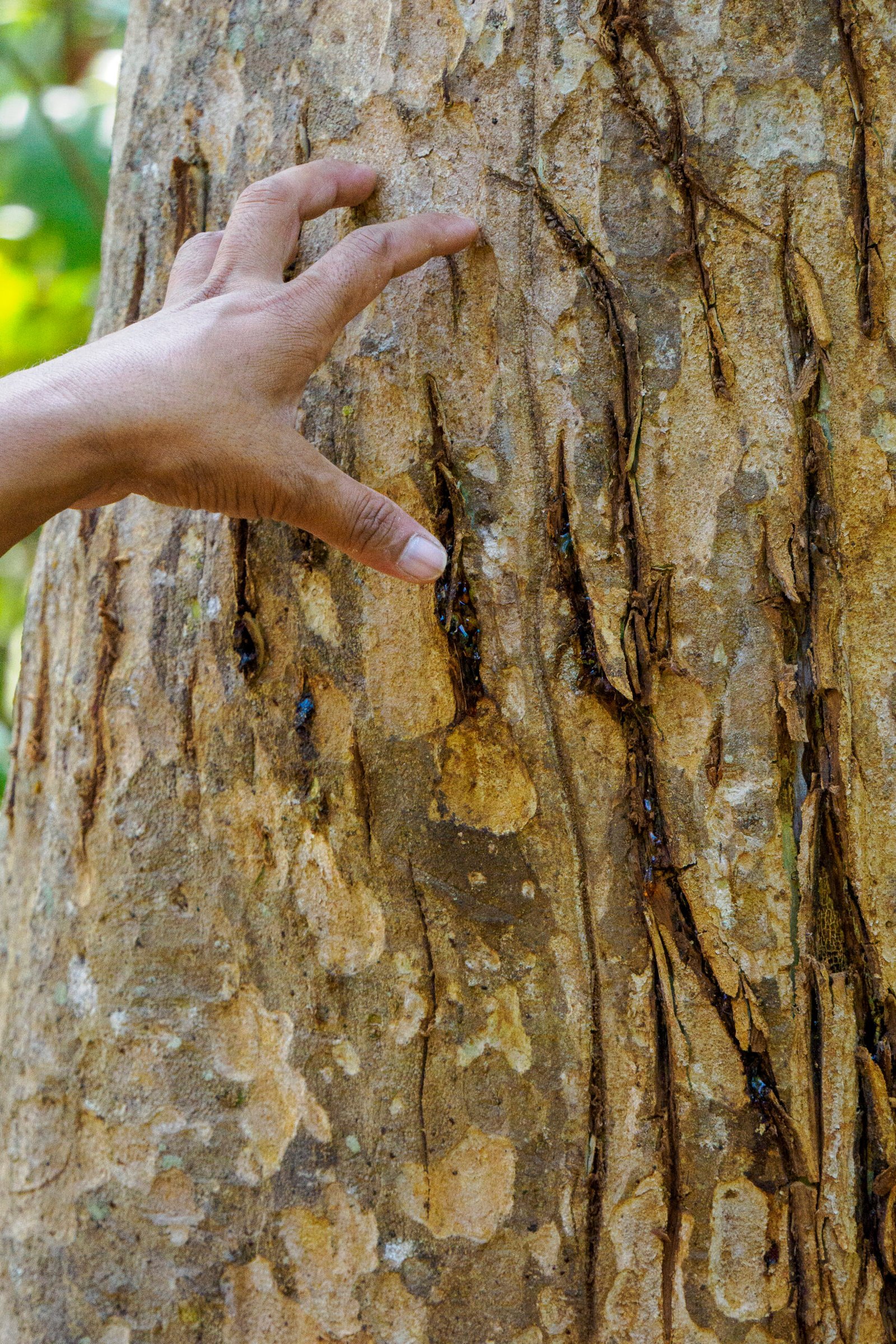
The Crucial Role of Two Master Trackers
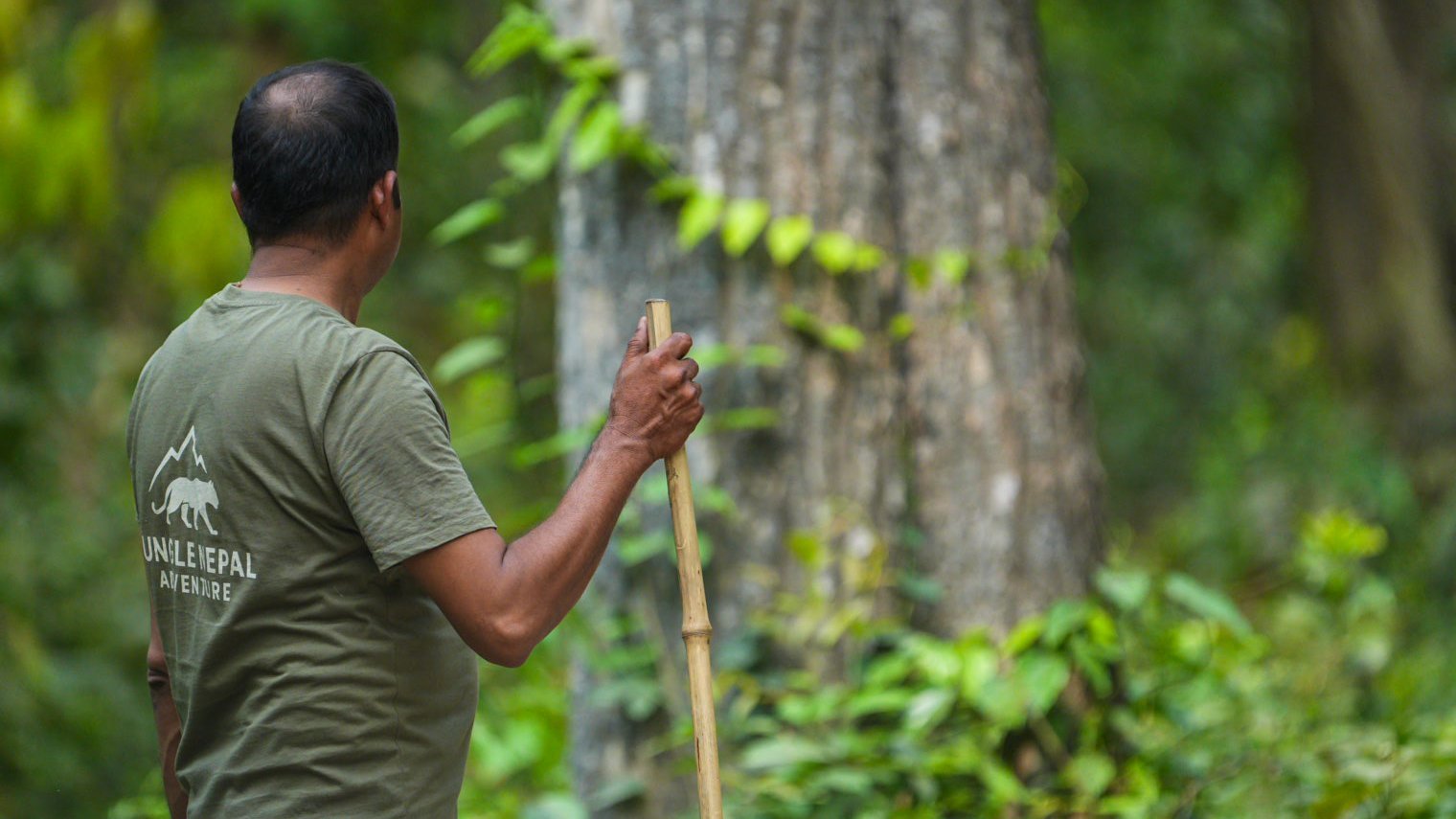
For strict safety reasons, every group (capped at a micro-group of 4 to 6 people maximum) is strictly escorted by two certified naturalist guides equipped with traditional sturdy bamboo staffs (lathis). The lead tracker scouts ahead, scanning the trail and prevailing winds; the rear tracker watches your flanks and covers the trail behind.
The 4 Strategic Phases of an On-Foot Safari:
- Phase 1: Morning fresh track reconnaissance (06:00 – 09:00): Meticulous inspection of sandy riverbanks and forest junctions to spot overnight pugmarks (tiger or leopard paw prints).
- Phase 2: Silent stakeout along water channels (09:30 – 13:00): Tucked discreetly behind natural vegetation blinds, the group sits patiently waiting for wildlife to drink or bathe to escape the midday heat.
- Phase 3: Jungle bush lunch: A fresh picnic lunch break in a secured clearing or perched atop a wooden watchtower overlooking the Sal canopy.
- Phase 4: Late afternoon active tracking (15:00 – 18:30): Exploring dense elephant grass flats and wetland oxbows where greater one-horned rhinos and wild elephant herds begin their evening grazing.
Golden Safety Rules When Facing Megafauna
When encountering the jungle's giants, humble adherence to behavioral protocols guarantees safe and peaceful coexistence. Before every departure, a comprehensive safety briefing is delivered by the lead tracker:
Jungle Emergency Protocols:
- Facing a Bengal Tiger: Never run (which triggers its predatory chase reflex). Maintain direct eye contact, back away slowly step-by-step, and stand tight together as a compact group.
- Facing a Greater One-Horned Rhino: In case of a mock or defensive charge, climb a sturdy tree quickly or run in a zigzag pattern to break its straight line of sight, which is limited by poor forward vision.
- Facing a Wild Elephant: Maintain a strict safety distance (at least 100 meters), monitor wind direction so your scent doesn't blow toward the herd, and give its feeding area a very wide berth.
- Facing a Sloth Bear: Stay tightly grouped, raise your arms to appear larger, and make firm, controlled noise to prevent close-range surprises in dense undergrowth.
Track Wild Bengal Tigers on Foot in Bardia (50€)
Already in Nepal or traveling to the western lowlands? Join our senior native master trackers for an unforgettable full-day walking safari in Bardia National Park. Jungle bush lunch included.
What Gear Should You Pack for a Walking Safari?
The success and comfort of your safari rely on clothing adapted to subtropical jungle conditions:
- Neutral-colored clothing: Choose olive green, khaki, earthy beige, or dark brown tones. Strictly avoid bright whites, reds, and fluorescent colors that give away your presence from hundreds of meters away.
- Lightweight, breathable walking shoes: Opt for trekking shoes or light hiking boots with good ankle support and quiet, lugged soles. Bring high socks to protect against prickly scrub and stinging nettles.
- Wildlife binoculars: A pair of waterproof 8×42 or 10×42 binoculars is essential for spotting camouflage wildlife in the dim understory.
- Hydration & sun protection: An insulated water bottle of at least 1.5L (single-use plastic bottles are strictly prohibited in the park), a wide-brimmed hat, and reef-safe biodegradable sunscreen.
Frequently Asked Questions (FAQ) – Walking Safaris in Nepal
Are walking safaris dangerous in Bardia?
Led by certified professional trackers with decades of field experience, the risk is managed with extreme care. The trackers read the subtle warning signs of the jungle, anticipate animal movements, and strictly adhere to safe viewing distances.
When is the best time to go on a walking safari?
The ideal period runs from February to May. During these dry late winter and spring months, yellowed vegetation thins out, tall grasses are cut or wither under the sun, and wildlife gathers heavily around the Karnali River's permanent water holes.
What fitness level is required?
A moderate level of walking fitness is sufficient. Routes follow flat alluvial terrain and open understory at a slow, deliberate pace punctuated by lengthy stakeout stops (covering between 8 and 15 km per day).
Ready to Experience True Wilderness in Nepal?
Join our exclusive small-group expeditions into the wild heart of Bardia National Park. Our master trackers guide you up close with Bengal tigers in total immersion and complete respect for wildlife.
Book Your Walking Safari
Experience on-foot predator tracking on our daily Bardia Walking Safari (from €50), our Chitwan Walking Safari (from €70), or across multiple days with our Bardia Tiger Safari 5 Days (€690).