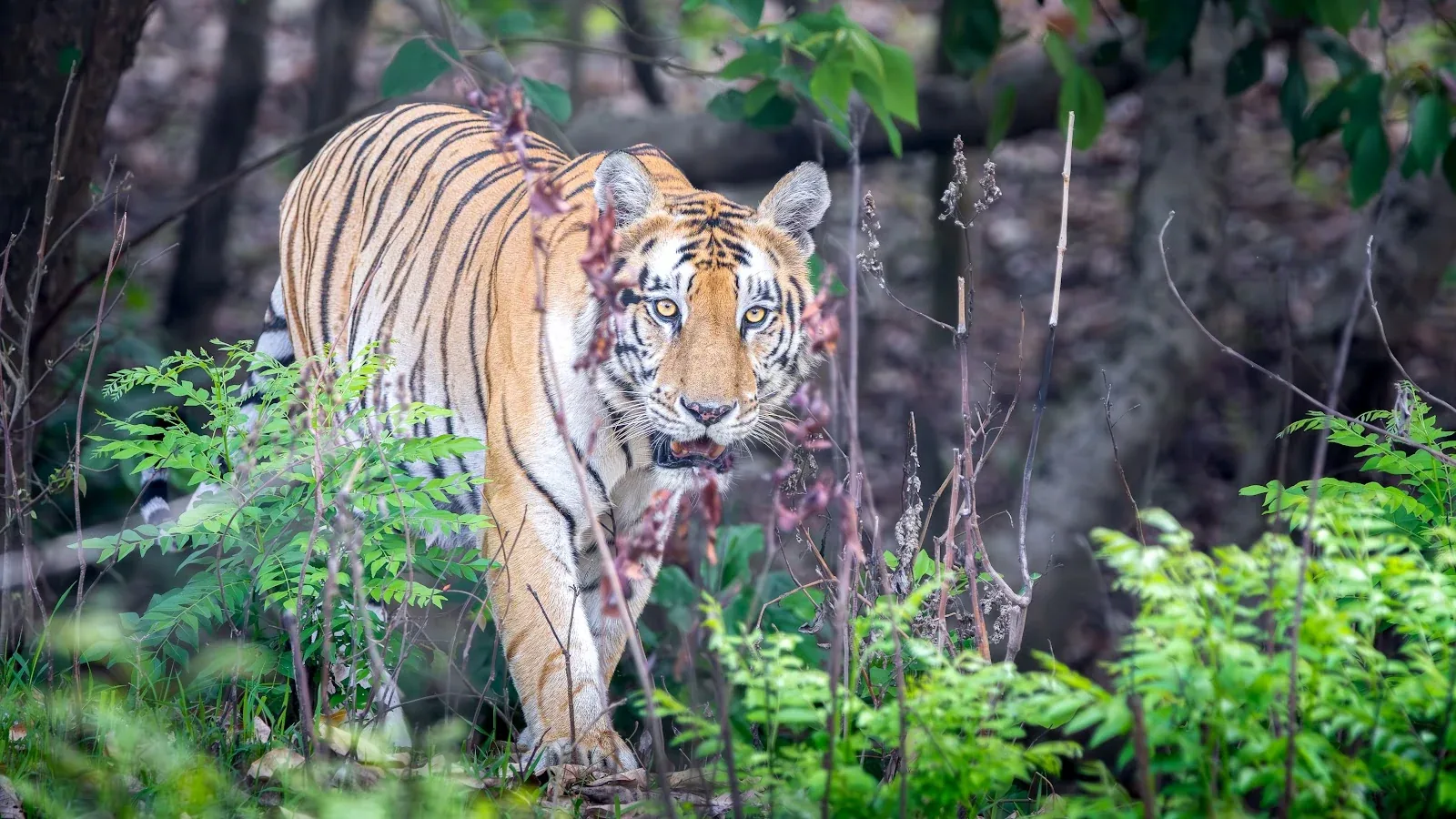
Quick Summary: Bengal Tiger Sightings in Bardia
- Exceptional Sighting Record: Bardia offers the highest success rates for observing wild tigers on foot in all of Asia (80% to 90% success during 3 to 4 full-day safaris in peak season).
- Optimal Season: March through June. As temperature rises to 35-40°C, natural water sources dry up in the forest, forcing tigers to spend hours cooling off along the Geruwa and Khauraha rivers.
- Top 3 Strategic Hides: Kingfisher Hide, Tinkuni (Three Corners), and Baleni on the Geruwa riverbed.
- Foot vs. Jeep: Walking safaris allow silent, static vantage points overlooking watering holes without engine noise or vibrations scaring the cats away.
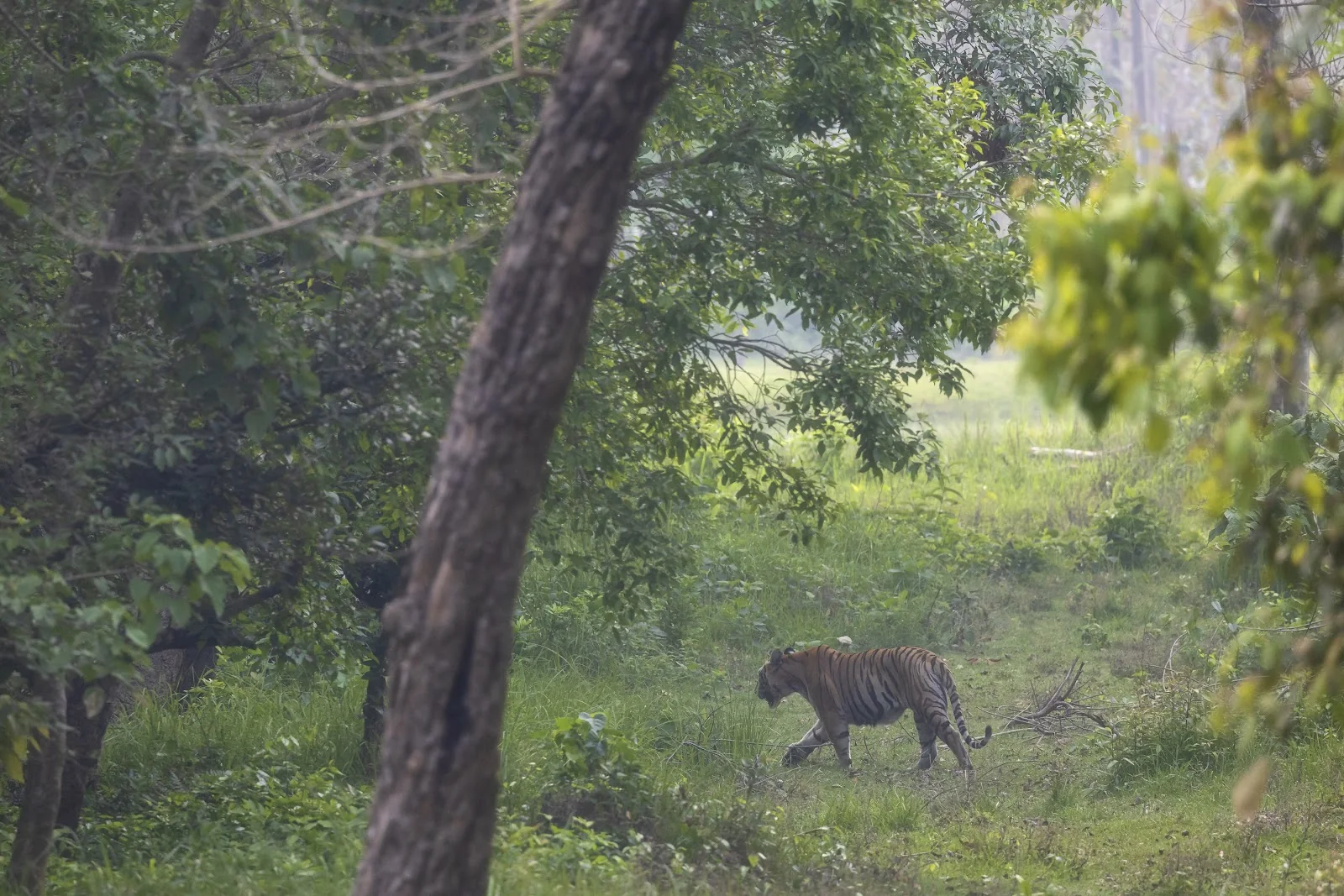
Tracking the Bengal tiger (Panthera tigris tigris) in its natural habitat is the ultimate dream of wildlife lovers worldwide. While many parks across the globe offer fleeting glimpses from noisy motorcades, Bardia National Park remains the holy grail where patient naturalists can sit silently on a riverbank and watch a wild tiger emerge from the tall grass to drink. Here is the field-tested guide to maximizing your tiger sighting chances.
1. Real Sighting Statistics: How Many Days Do You Need?
Tiger tracking is an art of patience, sensory awareness, and timing. Based on our tracking logs over the past five seasons:
- 1 Single Day Safari: ~40% to 50% probability of a visual sighting.
- 2 Full-Day Safaris: ~65% to 75% probability.
- 3 to 4 Full-Day Safaris: 85% to 92% success rate (nearly guaranteed encounters during peak spring months).
- Our Recommendation: Book a minimum of 3 full days inside the park. This allows your guides to adapt their strategy based on fresh pugmarks (footprints) and vocal alarm calls recorded the previous evening.
2. Secret Sighting Spots & Riverbank Hides in Bardia
Bardia's geography features a network of braided rivers and natural watering holes where tigers regularly drink, bathe, and ambush prey. Our master trackers utilize several key strategic spots:
- Kingfisher Hide: A shaded natural vantage point positioned opposite a deep river oxbow where tigers regularly bathe during hot midday hours.
- Tinkuni (The Three Corners): A major river junction surrounded by dense elephant grass and Sal woods. Resident dominant males and tigresses with cubs frequent this intersection daily.
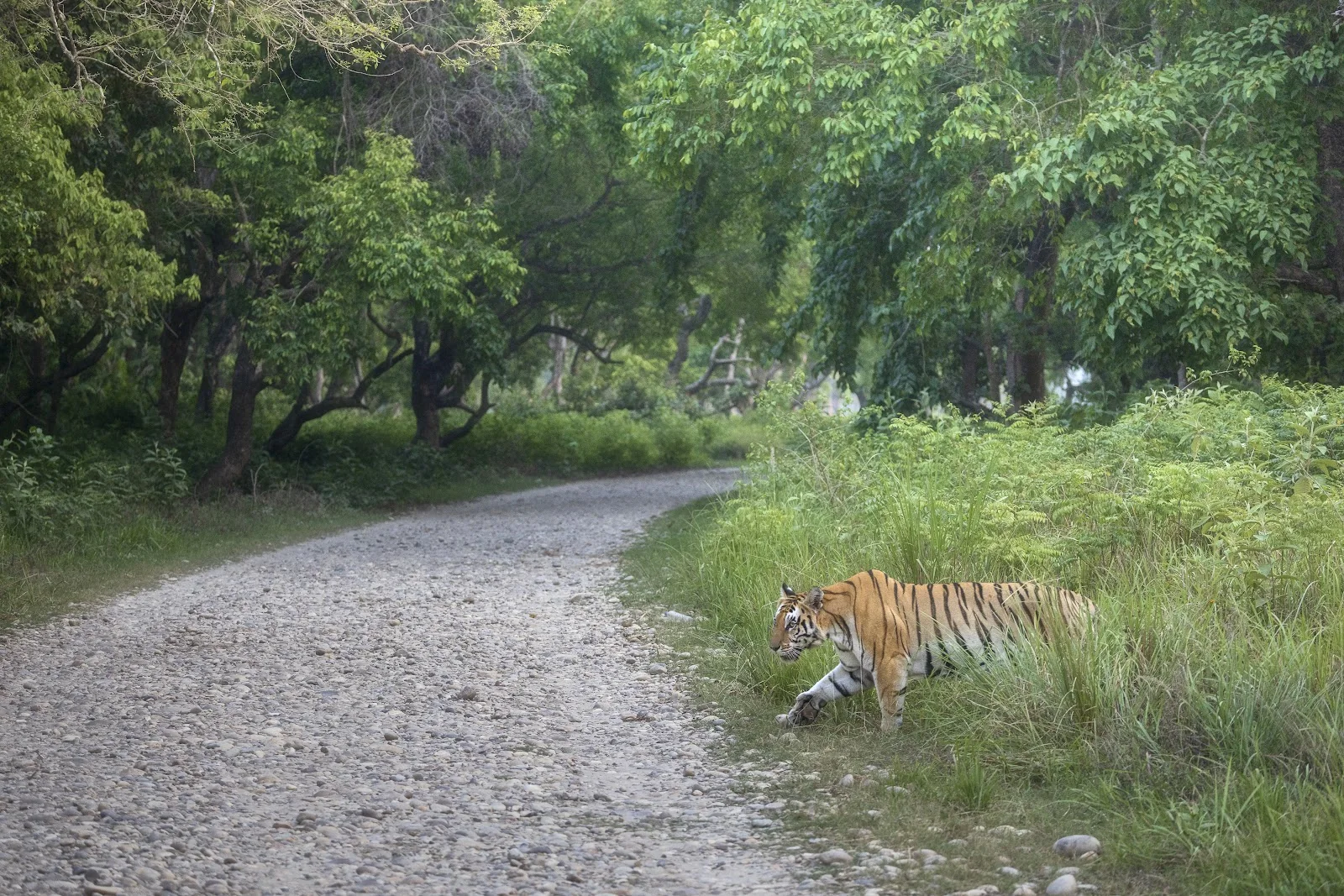
- Baleni & Khauraha Riverbank: Pristine gravel beds where tigers cross between river islands in search of spotted deer.
3. Why Walking Safaris Beat Jeeps for Tiger Tracking
While an open 4x4 allows you to cover greater distances, experienced photographers and naturalists overwhelmingly favor walking safaris:
- Zero Engine Noise: Tigers possess extraordinary auditory sensitivity. A rumbling jeep engine alerts a tiger hundreds of meters away, causing it to slip silently into the thick brush. On foot, naturalists position themselves downwind without disturbing the ambient jungle soundscape.
- Access to Intimate Game Trails: Jeeps are restricted to designated dirt tracks. On foot, trackers follow narrow game paths along secluded sandbars and dry riverbeds inaccessible to vehicles.
- Uninterrupted Observation: Rather than driving constantly, walking safaris allow you to establish a discreet stakeout for several hours at prime watering spots, watching the jungle dramas unfold in real time.
Full-Day Tiger Tracking Walking Safari (50€)
Maximize your chances of observing wild Bengal tigers with Bardia's premier tracking team. Dual licensed guides, entry permits, and lunch included.
FAQ: Tiger Sightings in Bardia
What is the absolute best month to see tigers in Bardia?
April and May offer the highest statistical sighting rates of the entire year. Jungle foliage is dry and thin, temperatures exceed 35°C, and tigers spend hours immersed in the cool waters of the Geruwa River.
Can I photograph tigers on foot safely?
Yes. By maintaining safe observation distances (usually 40 to 80 meters across open riverbeds) and following strict silence protocols under the supervision of our two lead trackers, photographers regularly capture breathtaking images with 300mm to 600mm telephoto lenses.
Recommended Bardia Experiences
Join our certified naturalists on a Bardia Walking Tiger Safari (from €50) or cover vast savannah territories in a Private 4x4 Jeep Safari (€190/vehicle).
For a complete 5-day lodge adventure: explore the Bardia Tiger Safari 5 Days (€690).
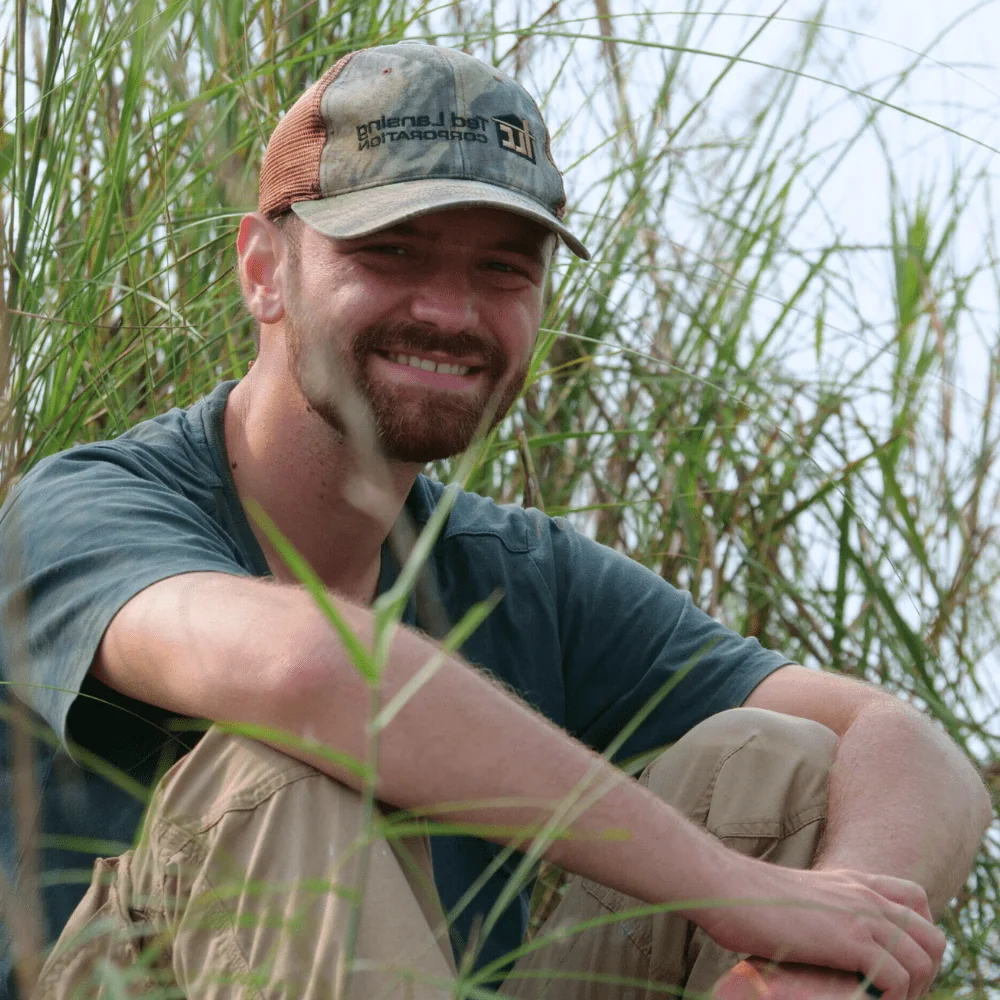
Field Expertise from Pawan & Robin: How to Maximize Your Wildlife Sightings in Nepal
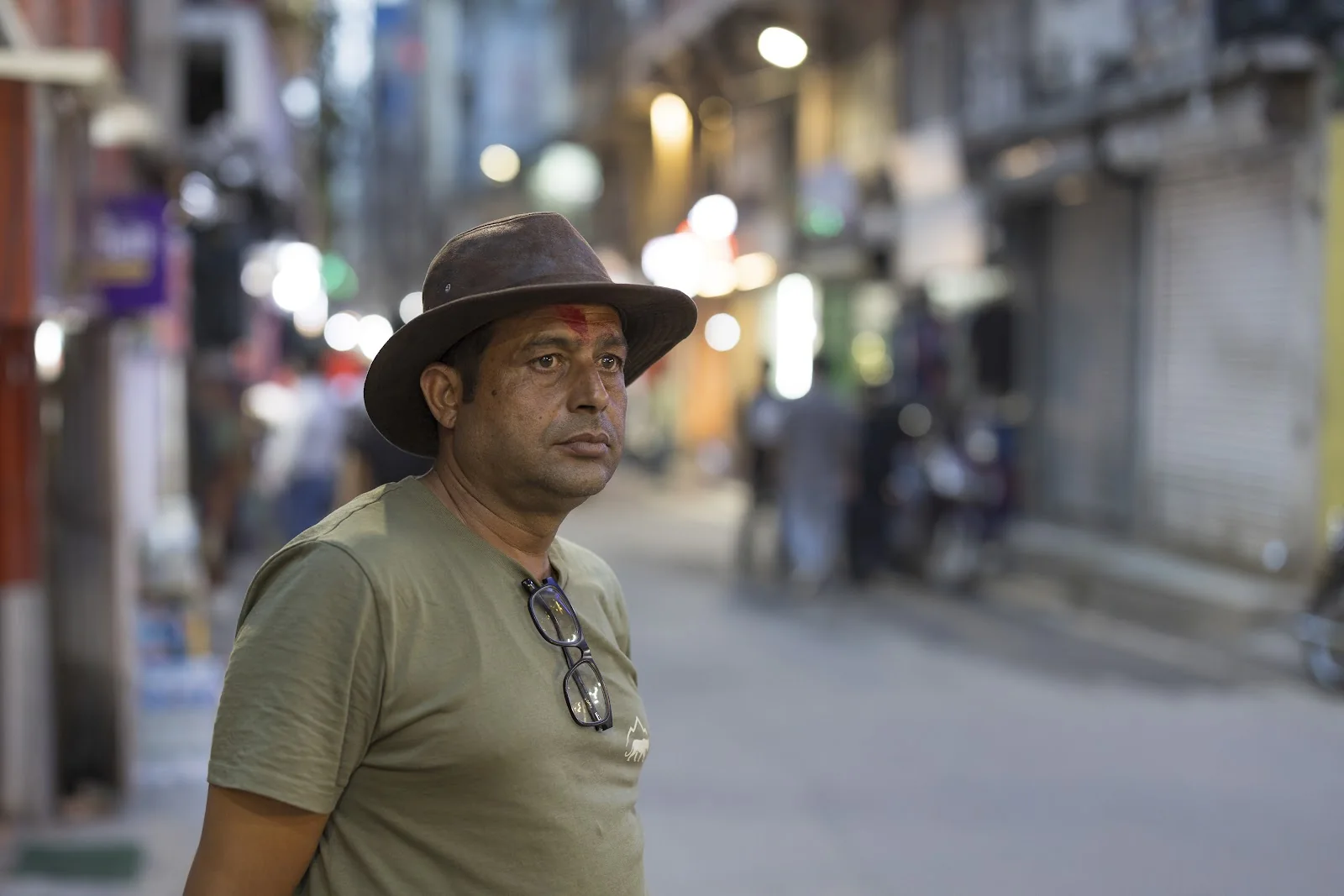
Spotting iconic megafauna in Nepal's Terai lowlands is never a matter of luck—it is the result of disciplined tracking and local ecological knowledge. Alongside Pawan—our master tracker born in Bardia, president of the local NAGA conservation association, and field collaborator for BBC wildlife film crews—we structure every safari day around the true biological rhythms of the Royal Bengal tiger (Panthera tigris tigris), the greater one-horned rhinoceros (Rhinoceros unicornis), and the Indian leopard.
1. Reading Fresh Pugmarks and Decoding Jungle Alarm Calls
During a walking safari in Bardia or a private 4x4 jeep track, the first 90 minutes after sunrise are critical. Our naturalist guides inspect the sandy riverbeds (sots) and the banks of the Karnali and Babai rivers to locate fresh pugmarks, judge track age by edge moisture, and check Sal tree trunks (Shorea robusta) for territory claw marks and scent-spraying. The moment a spotted deer (chital), sambar, or gray langur barks a sharp, repetitive alarm call, our trackers triangulate the prey's line of sight to position our small group silently at a natural river crossing.
2. Choosing the Right National Park for Your Schedule
- If you have 8 to 12 days: Head straight to Bardia National Park on our flagship 9-Day Tiger & Rhino Tracking Expedition. With 968 km² of pristine wilderness, roughly 125 adult tigers, and less than 3% of Chitwan's visitor numbers, Bardia delivers Asia's most authentic walking safari experience.
- If you are combining Kathmandu, Pokhara, and the jungle in 12 to 14 days: Chitwan National Park fits naturally between Kathmandu and the Annapurna foothills, as featured in our Chitwan Nature & Culture Safari and our 14-Day Grand Tour of Nepal.
- If you are a dedicated wildlife photographer or birder: Combining Suklaphanta and Bardia (12-Day Wild West Terai Expedition) unlocks the world's largest herds of swamp deer (Barasingha), the critically endangered Bengal florican, and Nepal's highest tiger density per square kilometer.
3. Uncompromising Ethics: Zero Captive Elephants & Direct Tharu Community Support
Unlike mass-market operators that still promote elephant-back rides in buffer zones, Jungle Nepal Adventure enforces a strict ethical charter: zero captive elephant activities, small groups capped at 4–10 travelers, family-run Tharu eco-lodges, and direct financial contributions from every booking to Bardia's Community-Based Anti-Poaching Units (CBAPU). To compare all our itineraries, transparent prices, and seasonal tiger sighting statistics, visit our comprehensive design a tailor-made Nepal wildlife safari hub.