
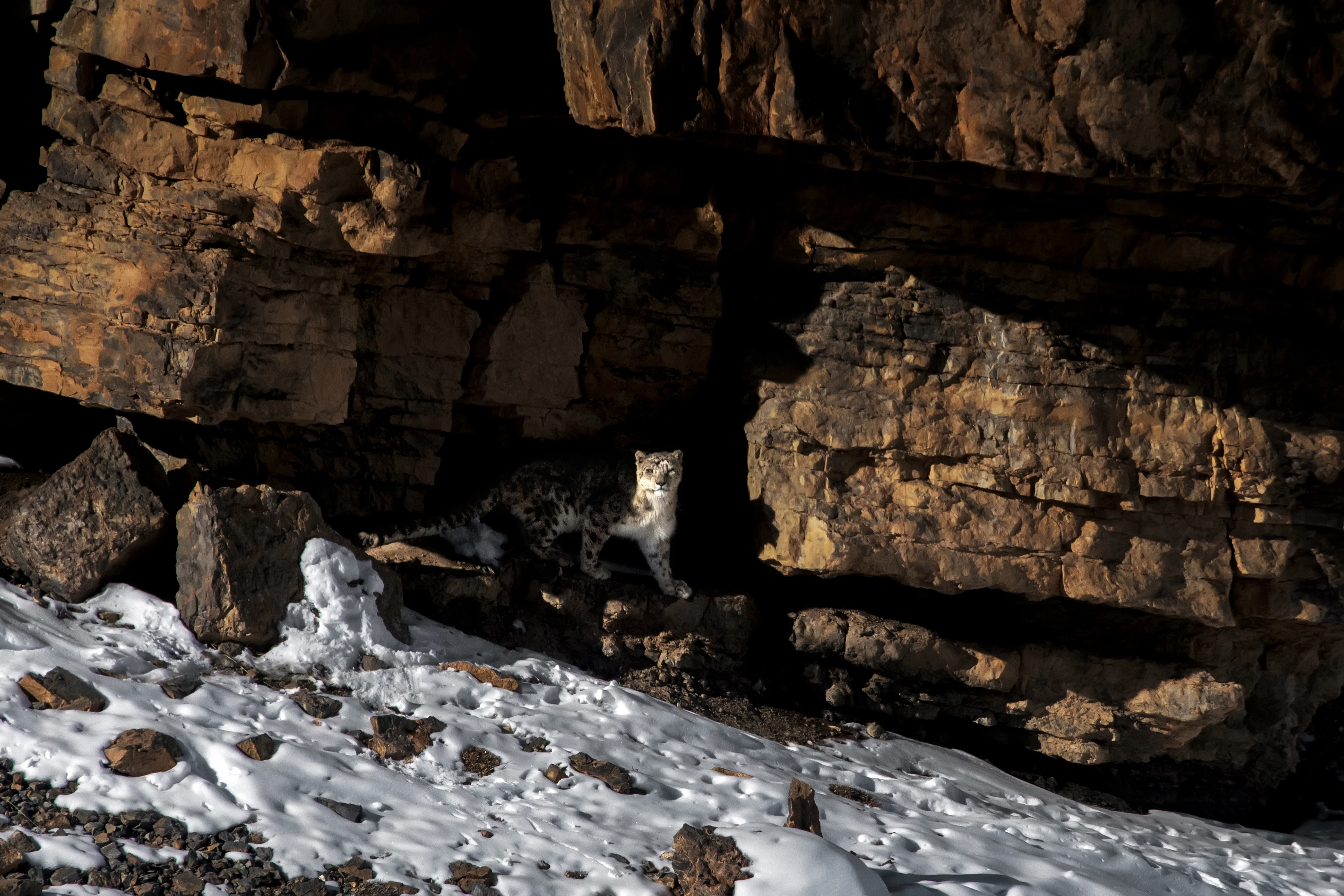
Tracking the Ounce in the High Himalayas: An Adventure of Total Commitment
Embarking on an expedition to track the snow leopard in Nepal is nothing like a conventional wildlife tour. Unlike lowland jeep safaris where guests return to a cozy lodge at dusk (as detailed in our guide on the cost of a safari in Nepal), the quest for the grey ghost unfolds between 3,500 and 5,000 meters in elevation, during the deep Himalayan winter, in temperatures that can plummet to -25°C.
This once-in-a-lifetime journey demands complete transparency regarding real expedition costs, disciplined physical preparation, and uncompromising technical cold-weather gear. Here is your comprehensive practical and financial guide to turning this dream expedition into reality.
How Much Does a Snow Leopard Expedition in Nepal Cost in 2026?
The cost of a 14- to 18-day expedition generally ranges between €3,800 and €6,500 per person (excluding international airfare). While this may appear high compared to standard teahouse treks around the Annapurnas, it reflects the demanding logistics of high-altitude safety and complete field autonomy:
- Restricted Area Permits (RAP): Regions such as Upper Dolpo and Upper Mustang require special government permits issued by the Department of Immigration in Kathmandu (typically $500 USD for the first 10 days, plus national park conservation fees and TIMS permits).
- A highly specialized field team: An elite expedition includes an experienced expedition leader, 2 to 3 native mountain scout trackers trained in long-range spotting, a high-altitude cook delivering high-calorie hot meals at -20°C, and a reliable crew of high-altitude porters or pack mules.
- Safety and optical equipment: Emergency medical oxygen, portable hyperbaric chambers (Gamow bag), two-way satellite communicators (Garmin InReach / Iridium), and professional 85mm Swarovski or Leica spotting scopes provided for the group.
- Remote base camp infrastructure: Four-season geodesic expedition tents reinforced against katabatic winds, high R-value insulated sleeping mats, or the private booking of traditional homestay lodgings in remote highland settlements.
To reserve your departure in an intimate small group capped at a maximum of 6 participants, check out the confirmed dates on our Jungle Nepal Snow Leopard Expedition tour page.
Physical Training and Altitude Acclimatization
You do not need to be a seasoned mountaineer to join this expedition, as there are no technical climbing walls or crevasse fields. However, robust aerobic endurance and mental resilience against sub-zero conditions are essential:
- Trekking profile: 4 to 7 hours of daily walking along rugged, rocky, and occasionally snow- or ice-covered trails, with average daily elevation gains of 600 to 1,000 meters during the approach phase.
- Static spotting vigils: The true physical and mental test frequently involves remaining motionless for 3 to 5 hours behind a spotting scope in freezing temperatures, exposed to biting ridge winds.
- Strict acclimatization protocol: We strictly adhere to the golden rule of 300 to 500 meters sleeping elevation gain per 24-hour cycle above 3,000 meters, incorporating active acclimatization hikes to prevent Acute Mountain Sickness (AMS).
Essential Sub-Zero Gear Checklist
In the high Himalayas, high-grade gear is not a luxury—it is a matter of safety and survival. Here is the essential packing checklist for your waterproof expedition duffel bag:
| Category | Recommended Gear | Required Specifications |
|---|---|---|
| Sleep System | Sub-zero goose down sleeping bag | Comfort rating -20°C / limit -30°C (900+ fill power down) + thermal silk liner. |
| Upper Body | 4-layer technical layering system | Heavyweight merino wool base layer (250g/m²), midweight grid fleece, heavy baffled down parka with hood (800 fill power), Gore-Tex Pro hardshell outer jacket. |
| Lower Body | Thermal leggings + windproof softshell trekking pants | Waterproof hardshell overtrousers with full-length side zips for sitting vigils in snow. |
| Footwear | Insulated mountaineering/trekking boots | Rigid Vibram soles, insulated waterproof membrane, removable microspikes for icy sections. |
| Hands & Head | Touchscreen liner gloves + expedition down mittens | Thermal wool beanie, windproof balaclava, Category 4 glacier sunglasses (side shields). |
| Optics & Photography | 10x42 binoculars + telephoto lens (400mm or 600mm) | Sturdy carbon-fiber tripod, spare camera batteries stored against body heat (sub-zero cold cuts battery life by up to 70%). |
A Typical Day on the Snow Leopard Trail
What does daily life look like when tracking in the heart of the Himalayas?
05:30 AM – Dawn in the Frost: Steaming cups of fresh ginger milk tea and a hearty breakfast (hot porridge, eggs, fresh chapatis). The expedition crew runs satellite radio checks and scans the crests as the first pink light illuminates the 7,000-meter peaks.
07:00 AM – Ascent to High Vantage Points: Led by our local trackers, we hike to a strategic ridge overlooking two glacial valleys. The scouts scan rocky ledges through spotting scopes, analyzing the posture and agitation levels of blue sheep herds.
12:00 PM – Hot Lunch in the Field: Steaming soup served from insulated vacuum flasks alongside high-energy trail snacks. If fresh snow leopard pugmarks are discovered in newly fallen snow, silent tracking begins with meticulous care to avoid disturbing the cat.
05:00 PM – Return to Base Camp: Evening debrief around the wood stove, reviewing the day's optical sightings, analyzing footage retrieved from local camera traps, and sharing stories with Tibetan-heritage village hosts.
To optimize your travel calendar across Nepal's diverse bio-zones, explore our comprehensive guide on the best time for a safari in Nepal: weather and seasons.
Himalayan High-Altitude Expeditions
Explore our flagship Snow Leopard Expedition in Dolpo & Mustang (17 Days) or discover ancient cliff monasteries on our Tiji Festival Upper Mustang Trek.