
Snow Leopard in Nepal: Can You Truly Spot the Ghost of the Himalayas?
You have seen all the documentaries. You know the award-winning film "The Velvet Queen" (La Panthère des neiges) by Marie Amiguet and Vincent Munier. And now, one question lingers: can you truly spot a snow leopard in Nepal? Is it a dream reserved exclusively for elite wildlife photographers, or an expedition accessible to dedicated adventurous travelers?
The answer is nuanced — but deeply encouraging. Nepal shelters an estimated wild population of 300 to 500 snow leopards, scattered across the most remote, rugged high-altitude terrains of the Himalayas. Spotting this elusive feline, listed as a Vulnerable species on the IUCN Red List, demands patience, stamina, and meticulous field preparation. It is an adventure fundamentally different from a lowland jungle safari — and every bit as spellbinding.
Where to See Snow Leopards in Nepal
The snow leopard in Nepal roams between 3,000 and 5,500 meters in altitude, amid the rocky, arid alpine cliffs of the Himalayas. Several remote regions of Nepal are renowned for harboring viable breeding populations:
Dolpo — The Promised Land
Dolpo, in northwestern Nepal, is widely considered one of the premier locations on Earth for snow leopard tracking. This is where French photographer Vincent Munier captured some of his most iconic frames. Shey-Phoksundo Valley, nestled within the vast Shey-Phoksundo National Park, sustains a remarkable density of bharal (Himalayan blue sheep) — the snow leopard's primary prey. According to the Snow Leopard Trust, this high concentration of prey makes Dolpo one of the most promising habitats for successful sightings.
Manaslu — For Experienced Trekkers
The Manaslu Circuit, in north-central Nepal, crosses through high-altitude corridors where snow leopards maintain a steady presence. Encounters are rare but well-documented by local herders and expedition teams, particularly in the sacred Tsum Valley and around the slopes of Larkya La Pass (5,160 m).
Upper Mustang — Arid High-Altitude Canyons
Upper Mustang, formerly a forbidden kingdom, presents a windswept Tibetan plateau landscape carved by deep arid canyons and jagged cliffs — the quintessential habitat for snow leopards. Specialized winter expeditions here encounter minimal foot traffic, adding to the raw mystique of the search.
Kangchenjunga — The Wild Eastern Frontier
The Kangchenjunga Conservation Area, in far-eastern Nepal bordering Sikkim and Tibet, also shelters snow leopards. It is Nepal's least visited and most logistically demanding alpine zone, yet the prospects of spotting pristine Himalayan megafauna (Himalayan tahr, bharal, snow leopard) are genuine.
Best Time for a Snow Leopard Expedition in Nepal
The prime season to track the snow leopard in Nepal runs from December to March. Here is why:
- December to January — Bharals descend to lower elevations in search of grazing pasture, and snow leopards naturally follow their quarry. Nighttime temperatures plummet (often dipping to -20°C), but sighting probabilities rise substantially.
- February to March — The rutting season of blue sheep draws predators into active movement. This also coincides with the snow leopard's own mating season, prompting territorial calls and increased daytime activity. Longer daylight hours allow for extended spotting-scope vigils.
Times to avoid: June to September (monsoon rains causing landslides and blocking high mountain passes) and April to May (snow melts and snow leopards retreat to extreme, inaccessible high-altitude ridges).
🐆 Plan Your Snow Leopard Expedition
Our team knows Nepal's most remote high-altitude regions and custom-builds expeditions combining strenuous trekking with Himalayan wildlife tracking.
Realistic Odds of Spotting a Snow Leopard
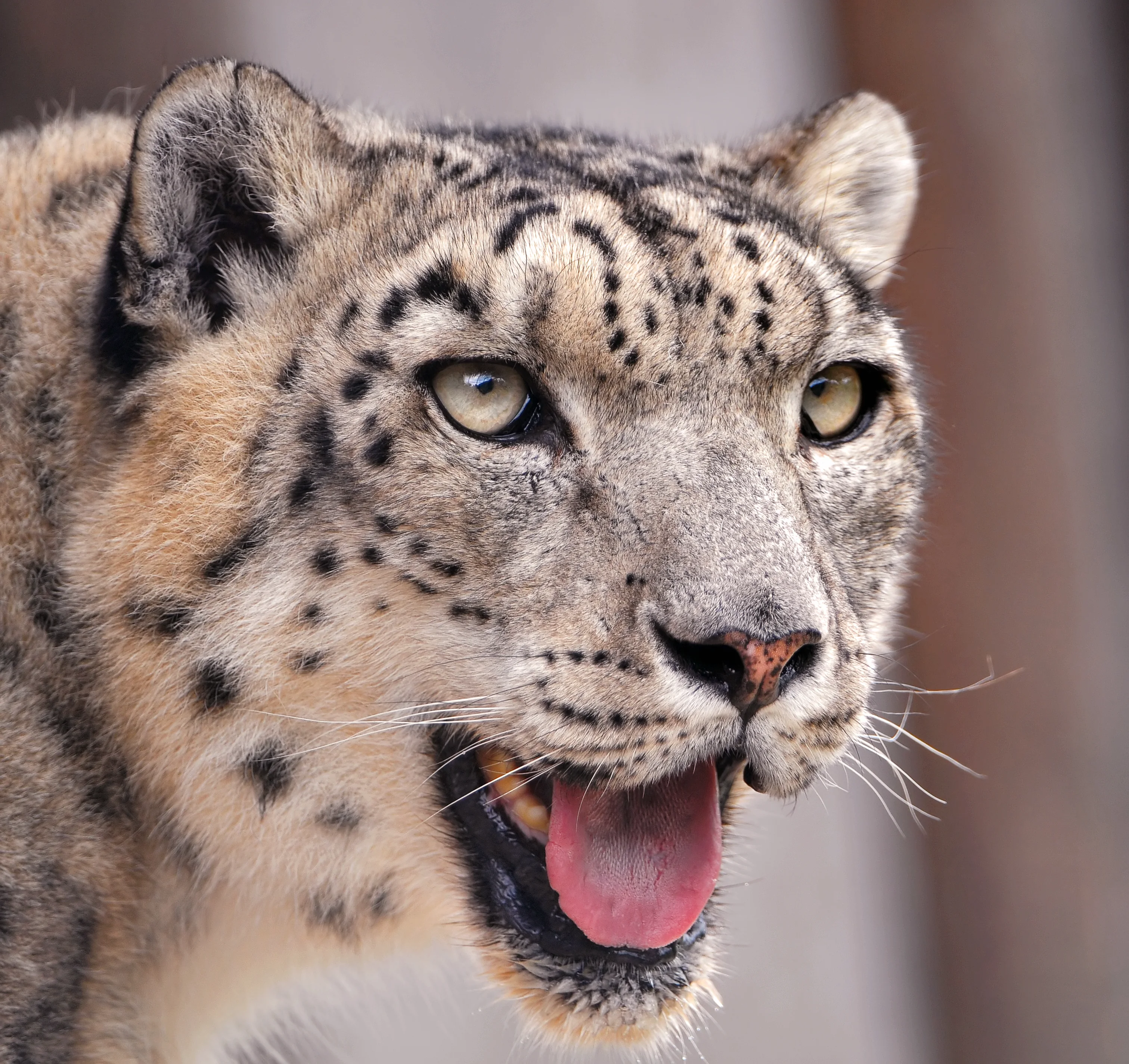
Let us be entirely transparent: the snow leopard is one of the most elusive wild animals on the planet. Its smoky-gray, rosette-dappled coat provides flawless camouflage against granite scree; it moves predominantly during twilight hours; and an individual's home range can span well over 100 square kilometers.
On a dedicated 10 to 15-day tracking expedition in Dolpo, field specialists estimate sighting probabilities at approximately 30% to 50%. This success rate depends heavily on expedition duration, the tracker's intimate knowledge of local ridges, and traveler patience during long scope vigils.
Even without a direct visual sighting, the expedition itself remains extraordinary: discovering fresh pugmarks across virgin snow, observing rock scrape markings, hearing territorial calls echo across frozen valleys, and enjoying guaranteed sightings of bharal, Himalayan tahr, bearded vultures (lammergeiers), Himalayan griffons, and golden eagles.
Snow Leopard vs Jungle Safari: Two Contrasting Faces of Nepal
If you have already experienced a jungle safari in Nepal, a snow leopard expedition unveils a radically contrasting realm of this diverse country:

| Criterion | Jungle Safari (Bardia/Chitwan) | Snow Leopard Expedition |
|---|---|---|
| Altitude | 100-300 m | 3,000-5,500 m |
| Temperature | 20-35°C | -20°C to +10°C |
| Typical Duration | 3-7 days | 10-15 days |
| Physical Fitness | Accessible to all travelers | Excellent physical condition required |
| Target Sighting Odds | Tiger: ~50-70% over 5 days | Snow Leopard: ~30-50% over 12 days |
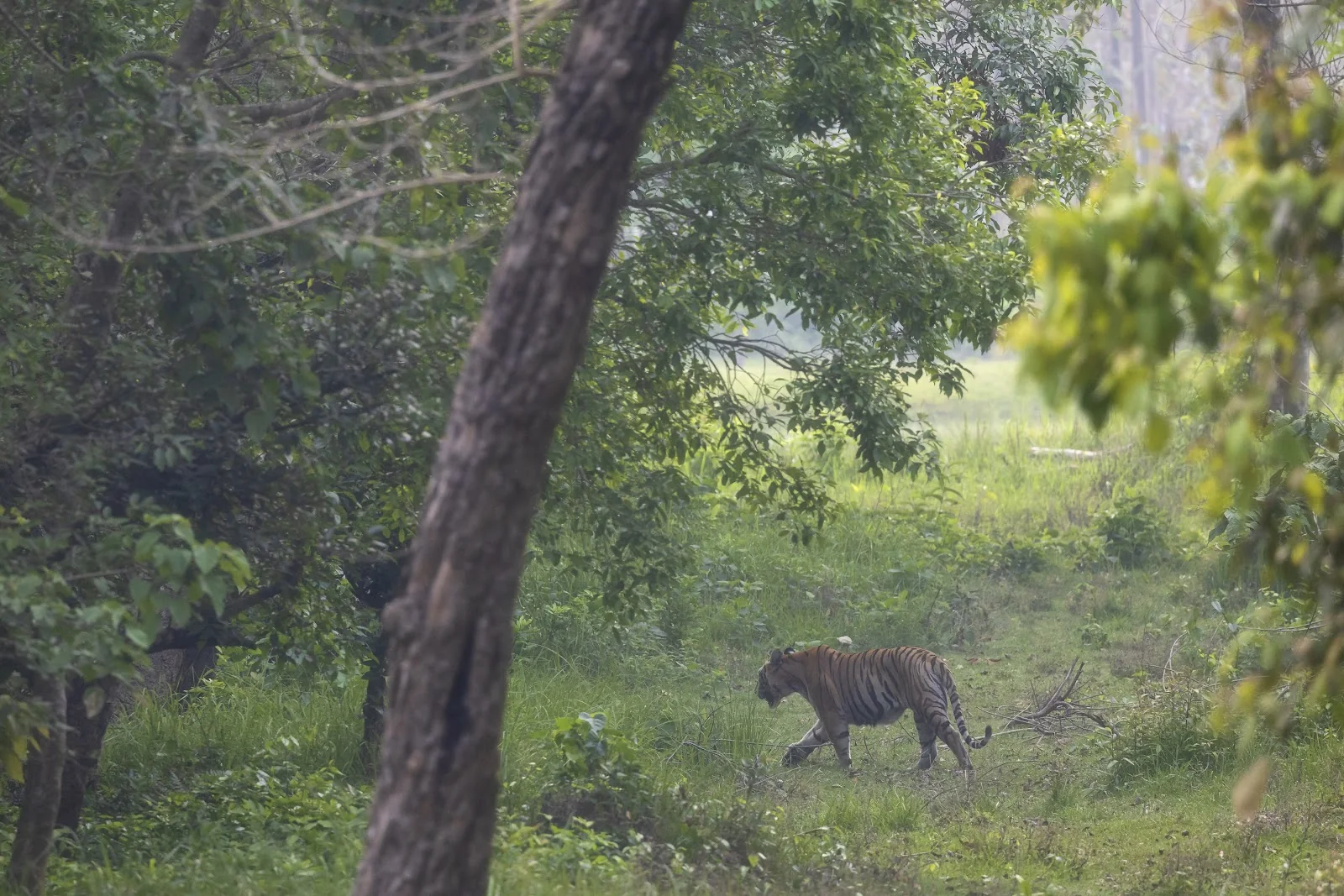
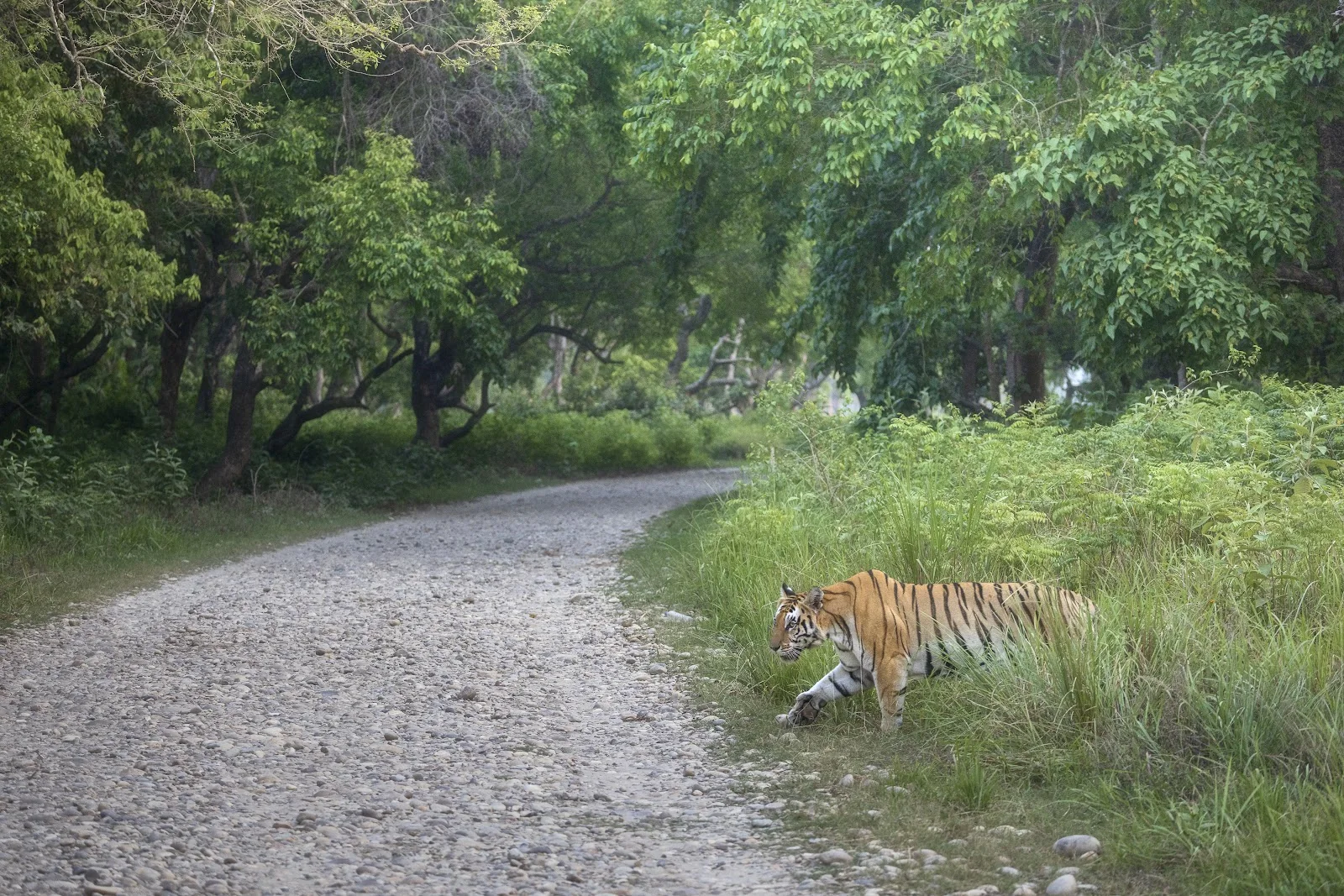
The ultimate itinerary? Combine both worlds. Begin with a lowland jungle safari in Bardia tracking wild tigers, followed by an exhilarating winter expedition to Dolpo for the snow leopard. Consult our seasonal guide to learn when to visit Nepal for each distinct wildlife experience.
Physical Preparation and Expedition Gear
A snow leopard expedition in Nepal is far more rigorous than a standard teahouse trek. Here are the core requirements:
- Physical conditioning — Ability to trek 6 to 8 hours daily over steep scree slopes at high elevation for 10 to 15 consecutive days. Gradual acclimatization is mandatory.
- Extreme cold gear — Sub-zero down expedition jacket (-20°C comfort rating), mountaineering gloves, thermal layers, sturdy high-altitude boots, and an expedition sleeping bag rated to -25°C.
- Optics — High-grade 10×42 binoculars at minimum, and a 20-60x spotting scope with a heavy tripod. Snow leopards are typically spotted across immense cliff faces at distances of 500 meters to 2 kilometers.
- Patience & resilience — Long hours of motionless spotting in biting winds, scanning razor-sharp rock ridges. It is a masterclass in meditation as much as wildlife tracking.
FAQ — Snow Leopard in Nepal
How many snow leopards live in Nepal?
Nepal is home to an estimated 300 to 500 wild snow leopards, distributed across the high Himalayan valleys of Dolpo, Manaslu, Mustang, and Kangchenjunga.
What is the best time of year to see snow leopards in Nepal?
From December to March. The snow leopard's primary prey, the bharal (blue sheep), descends to lower elevations in winter, naturally bringing the big cats closer to accessible valleys. February is widely considered the optimal month.
Do you need top physical fitness for a snow leopard expedition?
Yes, very high cardiovascular fitness and endurance are essential. Expeditions operate between 3,000 and 5,500 meters of altitude, involving 6 to 8 hours of daily trekking over rugged scree slopes for 10 to 15 days, in temperatures that can plummet to -20°C.
Can you combine a jungle safari and a snow leopard expedition?
Yes, it is highly recommended. Begin with a lowland tiger safari in Bardia (5 to 7 days, sub-tropical climate), then transition into an alpine expedition in Dolpo (10 to 15 days, high altitude). Contact Jungle Nepal Adventure to arrange a seamless combined itinerary.
🌿 From the Bardia Tiger to the Dolpo Snow Leopard
Jungle Nepal Adventure designs tailor-made wildlife expeditions, from the lush jungles of the Terai lowlands to the highest frozen peaks of the Himalayas.
Discover our pinnacle high-altitude expedition: the Snow Leopard Expedition in Dolpo & Mustang (17 Days), and explore Tibetan cultural highlands on our Tiji Festival Upper Mustang Trek.