
The Ghost and the Blue Sheep: An Ancient Himalayan Ecological Balance
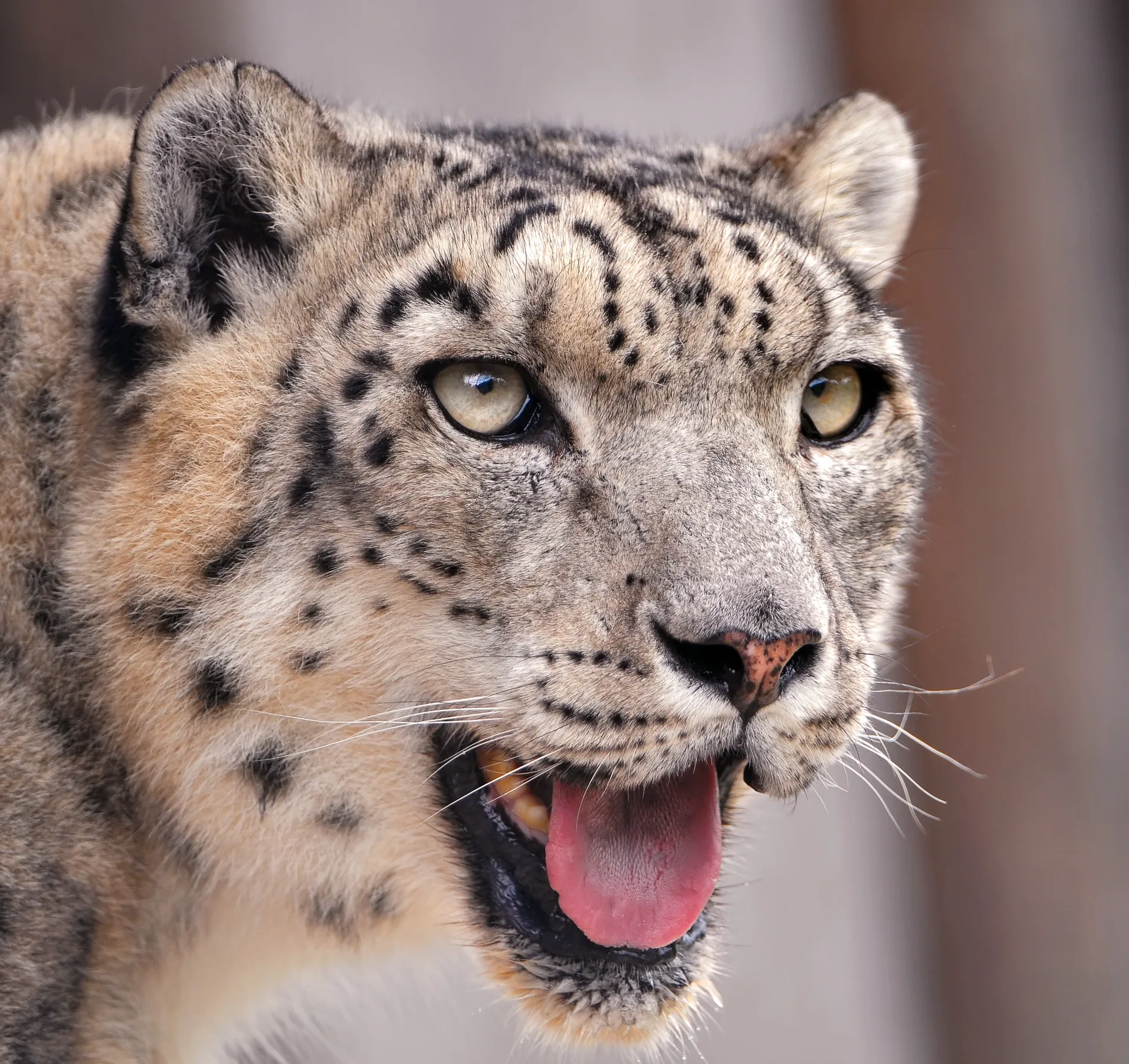
Across the windswept mineral solitudes of the Nepalese Himalayas, the survival of the snow leopard (Panthera uncia) is inextricably linked to an extraordinary alpine herbivore: the bharal, or Himalayan blue sheep (Pseudois nayaur). Neither true sheep nor true goat, this sure-footed ungulate with backward-curving horns accounts for 60% to 75% of the apex predator's diet across Shey Phoksundo National Park and the Annapurna Conservation Area.
Understanding the ecology of this predator-prey dynamic is the ultimate key for any naturalist aspiring to successfully track the cat. Without healthy herds of bharal grazing alpine pastures, the snow leopard cannot survive. Here is an in-depth breakdown of these predation mechanisms and the mountain tracking techniques used by the finest Himalayan guides.
Anatomy of an Apex Predator Built for Vertical Terrain
The snow leopard boasts morphological and physiological adaptations unique in the animal kingdom, honed by millions of years of evolution in environments of severe hypoxia and sub-zero cold:
- An oversized tail (80 to 105 cm): Almost as long as its entire body, this thick, heavily furred tail acts as a gyroscopic counterbalance during high-speed chases across 60-degree precipices. When curled up asleep, the leopard wraps it around its face to filter and warm the sub-zero air.
- Enlarged nasal cavities: Wide nasal passages warm and humidify icy mountain air before it reaches the lungs, maximizing oxygen uptake from the thin air above 4,500 meters.
- Natural snowshoe paws: Broad, heavily furred paws distribute body weight (30 to 55 kg) evenly over deep powder snow, providing traction on ice and cushioning leaps of up to 15 meters across chasms.
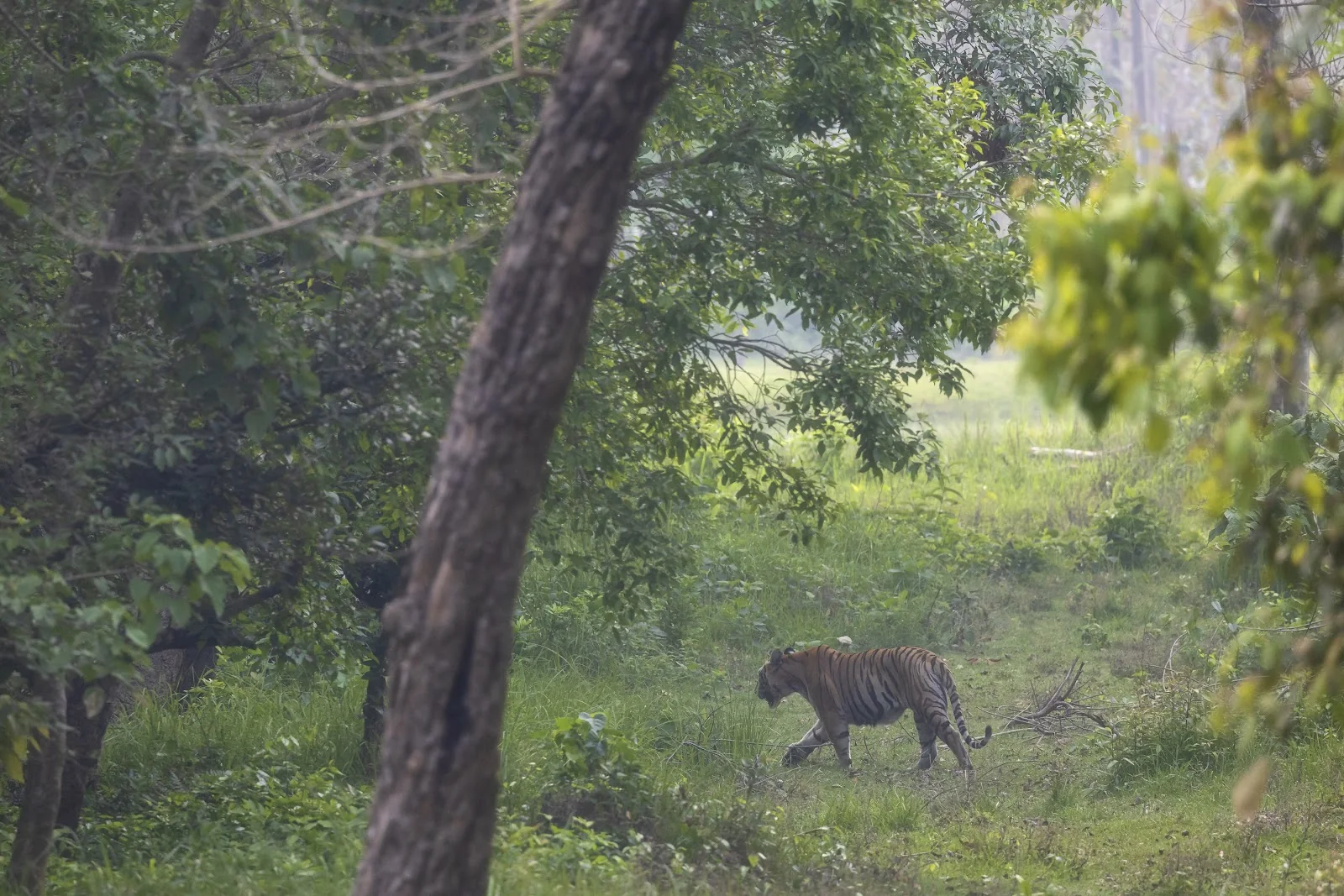
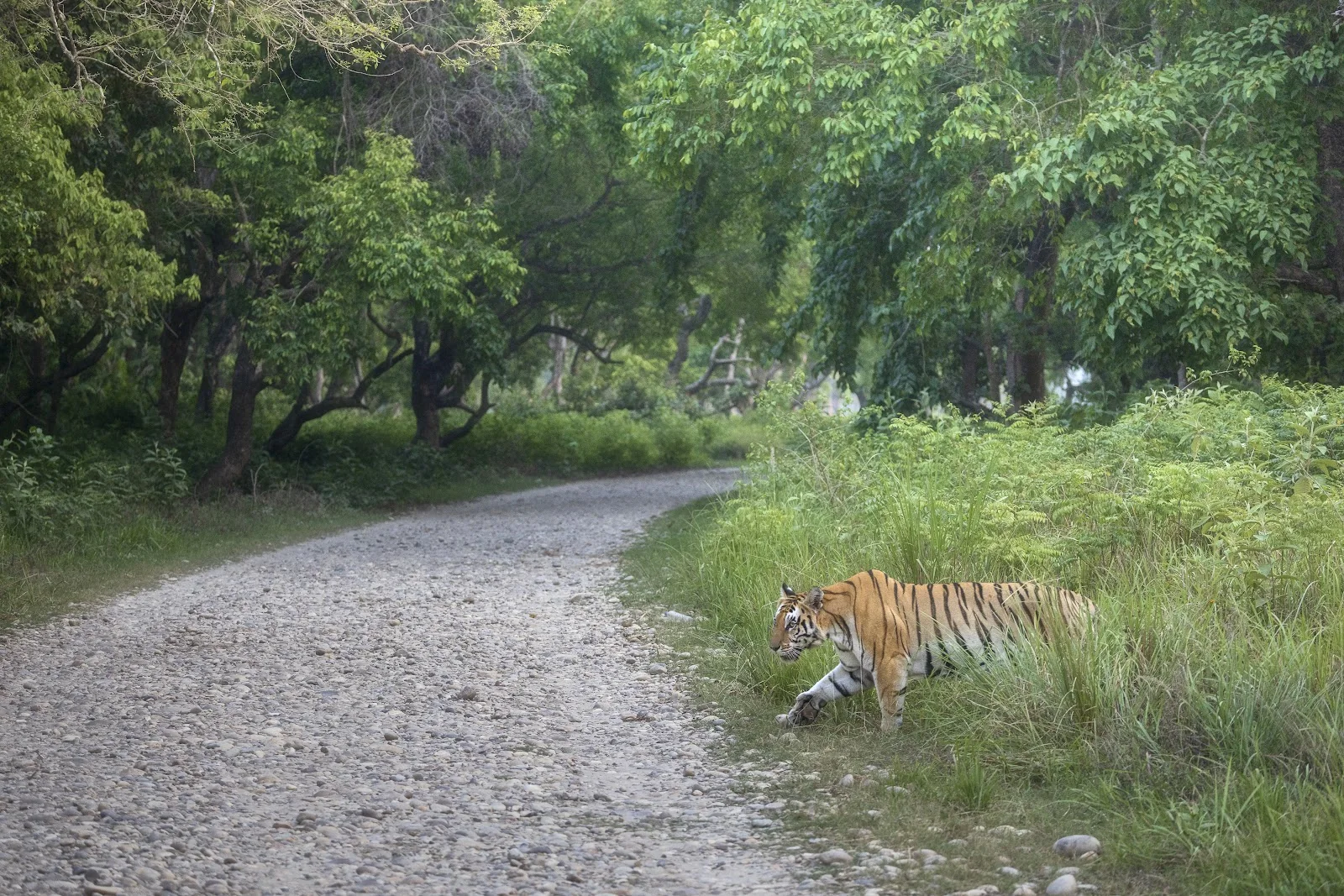
- A powerful barrel-shaped rib cage: High lung capacity and exceptionally elevated hemoglobin concentrations far surpass those of lowland big cats like the Bengal tiger or the Indian leopard found in lowland jungles.
Cliffside Tracking: Reading the Mountain's Open Book
Because individual snow leopards patrol massive home ranges (often 80 to 200 km² due to the sparse dispersion of prey), they leave behind an intricate network of territorial signposts that our veteran trackers read with surgical precision:
1. Snow and Moraine Footprints (Pugmarks)
In fresh powder or fine dust along ridge crests, snow leopard pugmarks are easily distinguished from those of the Tibetan wolf (Canis lupus chanco) or Himalayan fox. A tri-lobed main heel pad and the complete absence of claw marks (retractile claws) leave a rounded print 9 to 11 cm in diameter. The stride length and track angle reveal whether the feline was on a leisurely territorial patrol or stalking prey.
2. Territorial Scrapes
At the base of prominent cliff faces or natural ridge junctions, the cat makes distinctive scraping motions with its hind paws, pushing gravel and scree into a slight elongated mound about 20 cm long. This scraping behavior is frequently paired with urine spraying or anal scent-gland secretions left against rock walls to broadcast territory boundaries to rival cats.
3. Cheek-Rub Scent Marking
On large erratic boulders or sheltered rock overhangs protected from wind and snow, snow leopards vigorously rub their cheeks, temples, and neck to deposit facial gland pheromones. Experienced guides frequently inspect these rock surfaces for fine, pale hairs snagged in the stone's fissures.
Hunting Strategy Against the Himalayan Blue Sheep
The bharal possesses a slate-blue coat that melts into Himalayan shale cliffs. Equipped with exceptional panoramic peripheral vision, a herd instantly detects any suspicious movement from below. Consequently, snow leopards almost exclusively hunt from above:
- Downwind stalk: Exploiting natural gullies, swales, and rock folds with calculated slowness, the predator creeps within 30 meters of its quarry without breaking its camouflage silhouette.
- The explosive downhill charge: Plunging straight down sheer scree slopes, the leopard leverages gravity to achieve blinding acceleration, aiming to throw the prey off-balance before delivering a crushing bite to the throat or nape.
- Multi-day feeding: An adult bharal carcass (60 to 75 kg) provides sustenance for five to seven days. The leopard routinely drags the carcass under a protected rock overhang or cave to conceal it from bearded vultures (lammergeiers) and ravens.
To witness this high-altitude wildlife drama firsthand while maintaining the highest conservation standards, explore our signature itinerary on the snow leopard expedition in Nepal page.
Conservation Challenges and Coexistence with Pastoralists
Once threatened predominantly by poaching for pelt and bone trade, the snow leopard now faces its most critical modern challenge: human-wildlife conflict with highland yak and pashmina goat pastoralists. When wild prey becomes scarce, a leopard may enter traditional dry-stone corrals and kill multiple livestock in a single night, triggering catastrophic economic loss for subsistence families.
Fortunately, progressive community-centered conservation initiatives supported by national parks and global wildlife NGOs are turning the tide:
- Predator-proof corral reinforcements: Upgrading stone corrals with durable wire-mesh predator-proof roofing.
- Community livestock insurance schemes: Providing swift, equitable compensation to herders upon verified livestock losses.
- Responsible tracking ecotourism: By hiring local mountain youths as trackers, porters, and camp staff, our expeditions demonstrate that a living snow leopard delivers far greater economic value to highland communities than retaliatory persecution ever could.
To delve deeper into field ethics and safety protocols during big predator encounters in Nepal, explore our complete guide on safety and conduct rules for walking safaris in Nepal.
Recommended Bardia Experiences
Join our certified naturalists on a Bardia Walking Tiger Safari (from €50) or cover vast savannah territories in a Private 4x4 Jeep Safari (€190/vehicle).
For a complete 5-day lodge adventure: explore the Bardia Tiger Safari 5 Days (€690).