Preparing for your first wilderness expedition to Nepal and venturing into the subtropical lowlands of the Terai (Bardia, Chitwan, Suklaphanta) naturally brings up practical health questions: Should I be worried about malaria? What vaccines are required? Are there dangerous mosquitoes or leeches in the forest? How can I safely drink water? Online medical advice is frequently outdated or unnecessarily alarmist, creating needless anxiety for travelers.
Let us begin with a clear, reassuring reality: a wildlife safari in Nepal takes place under outstanding sanitary and safety conditions, provided you follow basic, sensible precautions. Thanks to decades of successful national public health programs and the dry, sunny climate of the prime safari season, tropical health risks are remarkably low. In this comprehensive guide, prepared alongside our experienced field teams and grounded in official international guidelines (CDC, WHO, Institut Pasteur), we cover every health aspect so you can embark on your journey with 100% peace of mind.
1. Malaria in Nepal: Demystifying Field Realities
The word “malaria” often causes concern. Yet the epidemiological reality in contemporary Nepal is among the safest in South Asia:
Nepal on the Verge of Complete Malaria Elimination
Nepal is actively engaged in the World Health Organization's official malaria elimination roadmap. Indigenous transmission cases of Plasmodium falciparum (the severe strain) have plummeted by over 98% across the past fifteen years. In the prime wildlife sanctuaries where safaris take place (Bardia, Chitwan, Suklaphanta), local transmission risk is officially categorized as low to virtually zero by international travel health authorities.
Seasonality: Mosquito-Free Safari Months
Vector mosquitoes (Anopheles) require warm standing water to breed. During the primary safari window (October through April):
- November to February (Subtropical Winter): Nighttime temperatures dip between 8°C and 12°C (46°F to 53°F). At these temperatures, mosquitoes become completely dormant. Biting insects are practically non-existent during evening hours.
- March to May (Dry Pre-Monsoon): Air humidity is very low, river channels are crystal clear, and larval development is reduced to a minimum.
Do You Need Daily Antimalarial Medication (Malarone / Doxycycline)?
Most international travel clinics advise mechanical bite avoidance (DEET insect repellent, long lightweight evening clothing, and lodge mosquito nets). Prescribing prophylactic medication (such as Atovaquone-Proguanil / Malarone) remains at the discretion of your travel doctor based on your personal health history, but is not considered mandatory by most practitioners for short dry-season visits.
| Health Topic | Actual Field Risk Level | Recommended Practical Precaution |
|---|---|---|
| Malaria | Very low (safari reserves in dry season) | Long pants at dusk, DEET 30-50% repellent spray |
| Water & Digestive Health | Moderate (tap water not potable) | Purifier flask (Grayl/Lifestraw) or sealed boiled water |
| Jungle Leeches | Zero in dry season (only present in heavy monsoon rains) | No leech socks needed between October and May |
| Sun & Dehydration | Real during pre-monsoon heat (March-May) | Wide-brim safari hat, SPF 50+ sunscreen, 2-3L water/day |
2. Recommended vs Mandatory Vaccines for Nepal
No vaccinations are legally mandatory to enter Nepal (except Yellow Fever certificates for travelers arriving directly from endemic regions in parts of Africa or South America). However, routine travel immunizations are strongly recommended for general personal protection:
1. Standard Universal Immunizations
- DTP (Diphtheria, Tetanus, Pertussis/Polio): Ensure your decennial boosters are up to date (standard for any outdoor wilderness travel).
- Hepatitis A: Recommended for all international travelers to South Asia (food and water-borne protection).
2. Additional Recommended Travel Vaccines
- Typhoid Fever: Recommended for multi-week journeys or enjoying rural cuisine.
- Hepatitis B: Standard protection for prolonged or frequent international itineraries.
- Rabies (Pre-Exposure): Not necessary for standard safari participants. Guests have zero contact with stray domestic animals. Forest wildlife (monkeys, deer) is observed strictly from respectful non-invasive distances.
- Japanese Encephalitis: Only advised for prolonged rural farming stays (exceeding one month) during peak monsoon rains (July to September). Completely unnecessary for dry winter and spring safari tours.
Plan your wild Nepal safari with complete confidence
Personalized advice, flawless field logistics, and certified naturalist guidance with Jungle Nepal Adventure.
3. Water and Food Safety: Zero Single-Use Plastics and Zero Digestive Issues
While tap water is not drinkable in Nepal, preventing traveler's diarrhea is simple and straightforward when following three golden rules:
The Purifier Flask: Your Best Eco-Friendly Companion
To protect Nepal's national parks from single-use plastic waste, we actively discourage purchasing disposable bottled water. Instead, pack a purifier bottle (such as Grayl GeoPress or Lifestraw Peak) or purification tablets (Micropur). These systems instantly eliminate 99.999% of bacteria, protozoa, and heavy sediment from any freshwater tap or stream.
Fresh, Wholesome, and Delicious Local Cuisine
At our partner lodges in Bardia and Chitwan, food is prepared according to rigorous hygiene standards. The beloved national dish, Dal Bhat (steamed basmati rice, slow-cooked yellow lentil soup, freshly spiced vegetable curry, and wild greens), is thoroughly cooked to order, making it an extraordinarily wholesome, energizing, and safe meal for active safari days.
4. Jungle Leeches: A Common Myth in Dry Season
First-time visitors often worry about forest leeches attaching to their boots. Let us set the ecological record straight:
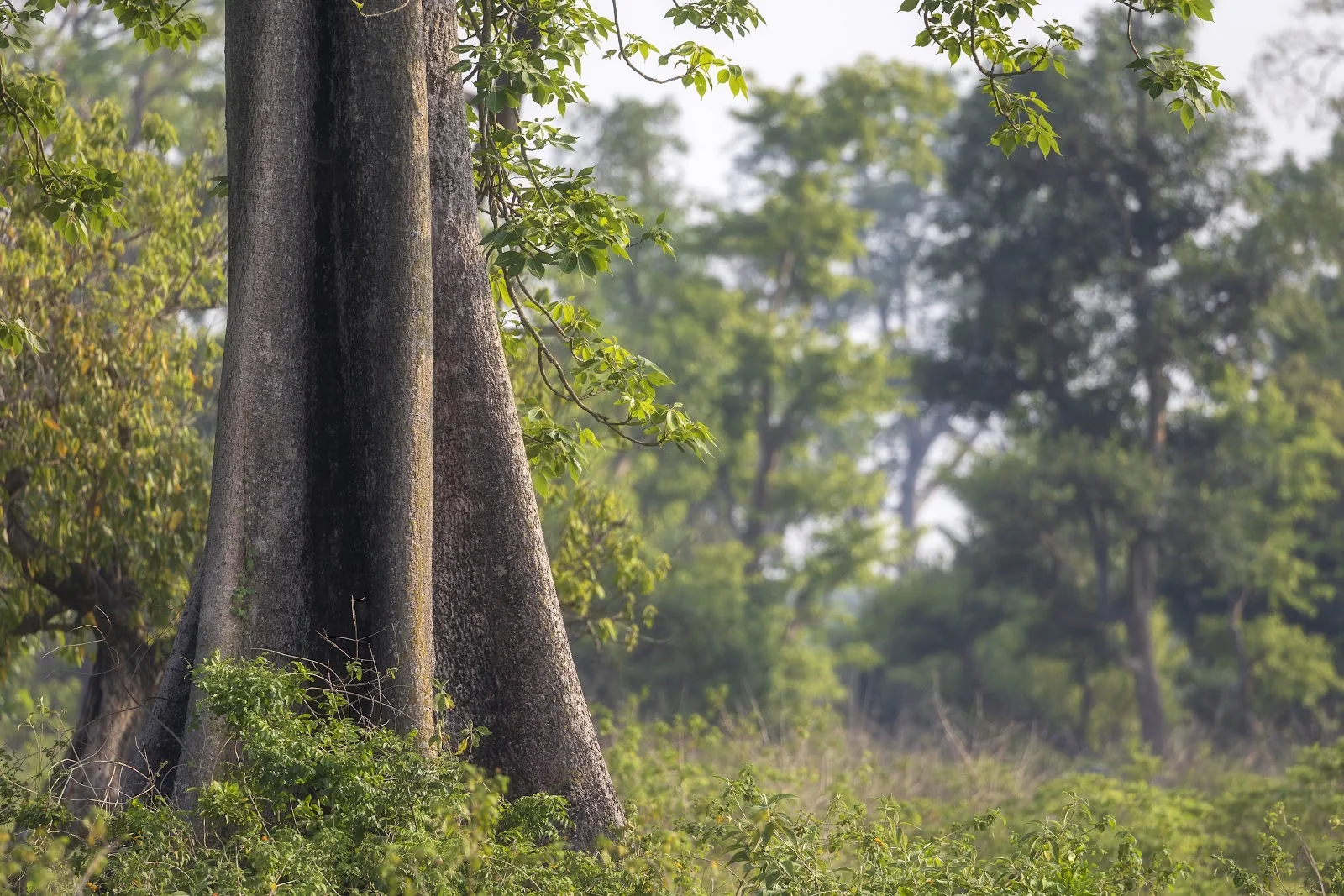
Terrestrial jungle leeches (Haemadipsa) require 100% continuous humidity and soaked marshy ground to survive. They are completely absent from October through May throughout the safari season. During these sunny months, the forest floor is bone dry, and you will not encounter a single leech. They only emerge during the heavy monsoon downpours of July and August, when parks are closed to standard walking safaris anyway.
5. Essential Field First-Aid Kit Checklist
For carefree travel, pack a compact first-aid kit containing these essentials:
- Sun & Insect Defense: Broad-spectrum SPF 50+ sunscreen, lip balm, tropical repellent spray (DEET 30-50% or Picaridin).
- Digestive Care: Antidiarrheal (Loperamide/Imodium), electrolyte rehydration salts (essential after a warm hike).
- Pain & Fever: Paracetamol or Ibuprofen.
- Foot Care: Blister plasters (Compeed), antiseptic spray, elastic bandage, and tweezers.
- Personal Medications: Your regular prescription medicines with printed paper prescriptions.
Conclusion: Travel Confidently and Wonder-Filled
A jungle safari in Nepal requires no extreme survival skills or complex medical regimens. It is a warm, deeply accessible natural adventure suitable for anyone in reasonable physical health, from families with children to passionate wildlife seniors. By following these straightforward guidelines, your journey through Bardia and Chitwan will be filled with pure wonder, deep rejuvenation, and lasting memories.
6. Travel Insurance, Emergency Medical Networks, and Evacuation
Traveling with total peace of mind requires selecting the right comprehensive travel insurance policy:
- Medical Repatriation & Evacuation Coverage: Ensure your travel policy (credit card insurance like Visa Infinite/Amex or specialist providers like World Nomads, Allianz, Chapka) explicitly covers wilderness outdoor activities and walking safaris without restrictive fine-print exclusions.
- International Hospital Care in Kathmandu: Nepal's capital is home to internationally accredited medical centers, most notably the famed CIWEC Hospital and Travel Medicine Center (founded by Western physicians and recognized globally as a leader in travel epidemiology). Regional hubs like Nepalgunj and Bharatpur also feature modern hospital facilities.
- Rapid Emergency Transit: Multiple daily scheduled 45-minute flights link regional safari airports (Nepalgunj and Bharatpur) directly to Kathmandu, ensuring swift access to tertiary medical care if ever required.
7. Travel Health FAQ for Nepal Safari Expeditions
Can families with young children safely join a Nepal safari?
Yes, absolutely. Children aged 6 and above thrive in Bardia and Chitwan. Daily schedules are tailored with gentle open-jeep drives, serene canoe safaris, and birdwatching from lodge decks, backed by spotless hygienic standards.
Is altitude sickness (AMS) a factor during safari tours?
No. The lowlands of the Terai (Bardia, Chitwan, Suklaphanta) lie between 150 and 250 meters (500 to 800 feet) above sea level. The air is rich in oxygen, completely free of any altitude concerns.
Should I avoid local salads and ice?
In unverified roadside street stalls, always opt for piping hot, freshly cooked food. At our boutique jungle lodges, all vegetables and fresh salads are washed thoroughly with treated, purified water and are completely safe.
Are snakebites a genuine concern on trail?
The risk is virtually non-existent. Reptiles immediately retreat upon detecting ground vibrations from approaching footsteps. Wearing standard closed trail shoes and following your naturalist guides ensures absolute safety.
8. Summary: Five Golden Rules for a Carefree Wilderness Journey
- Stay Hydrated: Drink 2 to 3 liters of purified water daily using your reusable purifier bottle.
- Protective Attire: Wear lightweight long-sleeve cotton/linen shirts and pants in neutral tones for daily walks and dusk relaxation.
- Sun Defense: Apply broad-spectrum sunscreen and wear a wide-brim hat during open floodplain walks.
- Compact First-Aid Kit: Carry your essential personal medications and basic blister care.
- Rely on Local Field Experts: Our dedicated guides monitor your safety, comfort, and wellbeing every single step of the way.
9. Heat Management, Hydration, and Electrolyte Balance
During spring walking safaris (March through May) when midday temperatures cross 32°C (90°F), outdoor physical activity requires disciplined hydration management:
- Drink Proactively: During a 5 to 6 hour walking safari, your body loses over two liters of fluid through transpiration in the dry tropical air. Drink small, consistent sips every twenty minutes rather than large volumes at once.
- Electrolyte Support: Adding an oral rehydration packet containing balanced mineral salts (sodium, potassium, magnesium) to your purifier bottle eliminates muscle fatigue, cramping, and heat-induced headaches.
- Breathable Neutral Fabrics: Wear lightweight long-sleeved cotton or linen shirts in earth tones (khaki, olive green, dusty beige, taupe). Strictly avoid bright white (which alarms wildlife at great distances) as well as black or dark navy (which absorb radiant solar heat and attract biting flies along savanna edges).
10. Foot Care and Footwear Selection for Walking Safaris
Your feet are your primary vehicle across the wilderness. Following these footwear rules ensures complete comfort on trail:
- Lightweight Trail Boots: Select well-broken-in, breathable mid-ankle hiking boots with rugged lugged soles (Vibram type) for dependable traction across loose river gravel, sandy banks, and forest trails.
- Merino Wool or Technical Socks: Merino wool naturally wicks moisture, prevents blister-causing friction, regulates temperature, and remains fresh throughout long active days in the field.
11. Rest, Recovery, and Sleeping Comfort in Wilderness Lodges
Restorative sleep is vital for waking energized before dawn for morning wildlife tracking:
- Comfortable, Well-Ventilated Rooms: All our partner boutique lodges feature spacious rooms with complete bed canopies, silent ceiling fans or climate control, and private en-suite bathrooms with continuous solar hot water.
- Acoustic Peace and Restorative Jungle Nights: Free from urban noise and artificial light pollution, enveloped by the soothing nocturnal chorus of nightjars and rustling Sal leaves, nights in the Terai offer exceptionally deep, refreshing sleep that recharges your body completely.
12. Complete Pre-Departure Health Checklist
- 4 to 6 Weeks Before Departure: Review routine vaccinations (DTP, Hepatitis A) with your primary physician or local travel health clinic.
- 2 Weeks Before Departure: Purchase a high-performance reusable purifier water bottle (Grayl or Lifestraw) and tropical-strength insect repellent (DEET 30-50%).
- Packing Day: Assemble your compact first-aid kit with personal prescriptions, electrolyte sachets, and comfortable broken-in hiking boots.
13. Summary Recommendation: Embrace the Wild with Confidence
By preparing sensibly and following the practical, field-tested guidance outlined in this medical manual, your journey to the subtropical jungles of Bardia and Chitwan will be seamless and deeply rewarding. Nepal's pristine wilderness offers an extraordinary sanctuary of clean air, natural wellness, and majestic wildlife encounters — a transformative exploration where you can completely unwind and connect with nature in absolute safety.
14. Comprehensive Health Checklist for Families and Solo Travelers
Are special medical permits required for national park entry?
No special medical permits are required. Standard entry permits are arranged directly by Jungle Nepal Adventure on arrival.
What happens in the rare event of an on-trail medical emergency?
All walking safari expeditions are led by two certified guides trained in wilderness first-aid. Vehicles remain on standby at designated perimeter gates, and major regional medical centers in Nepalgunj and Bharatpur are accessible within 45 to 60 minutes.