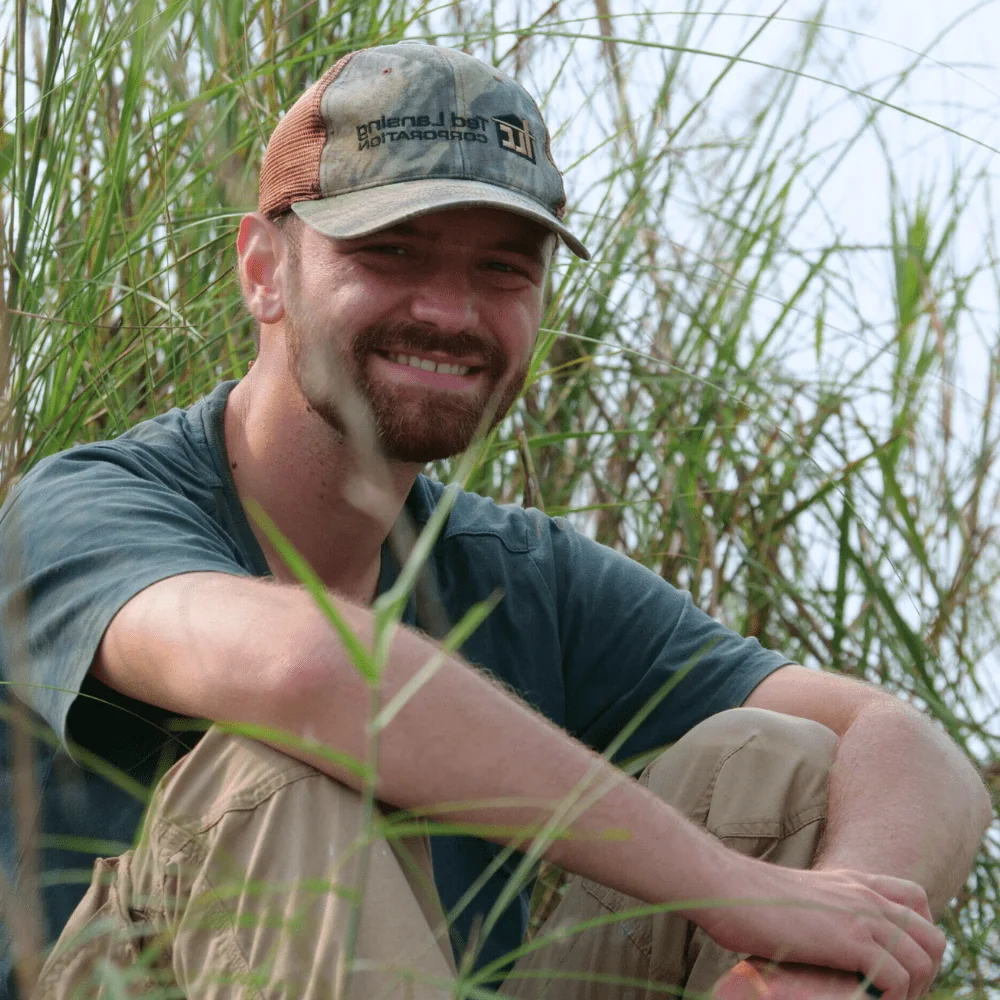
At a Glance: The Untamed Nepal Few Ever Witness
More than 85% of overseas visitors to Nepal funnel through the same crowded corridor: Kathmandu's Thamel district, Pokhara's lakeside, and the well-trodden trails of the Annapurna Circuit or Everest Base Camp. Yet travel west into the remote valleys of the Terai, and you enter a secret Nepal: tranquil, untouched, and spectacularly wild. Here are the five pristine regions we explore daily.
1. The Secluded Babai Valley (Bardia National Park)
Tucked behind the rugged Siwalik hills in eastern Bardia lies the Babai River Valley. Previously a royal hunting reserve closed to general public access for decades, this valley remains a time capsule of raw Himalayan foothills ecology.
There are no hotels, lodges, or tarmac roads. Expedition travel here is self-supported in our signature trip Bardia Babai Valley Wild Camping Safari (8 Days): sleeping in sturdy tents pitched upon clear river gravel bars, accompanied by cooks and native trackers. Fall asleep under star-studded skies to the distant calls of jungle owls and barking deer. The Babai corridor harbors some of Nepal's densest tiger and wild elephant populations.
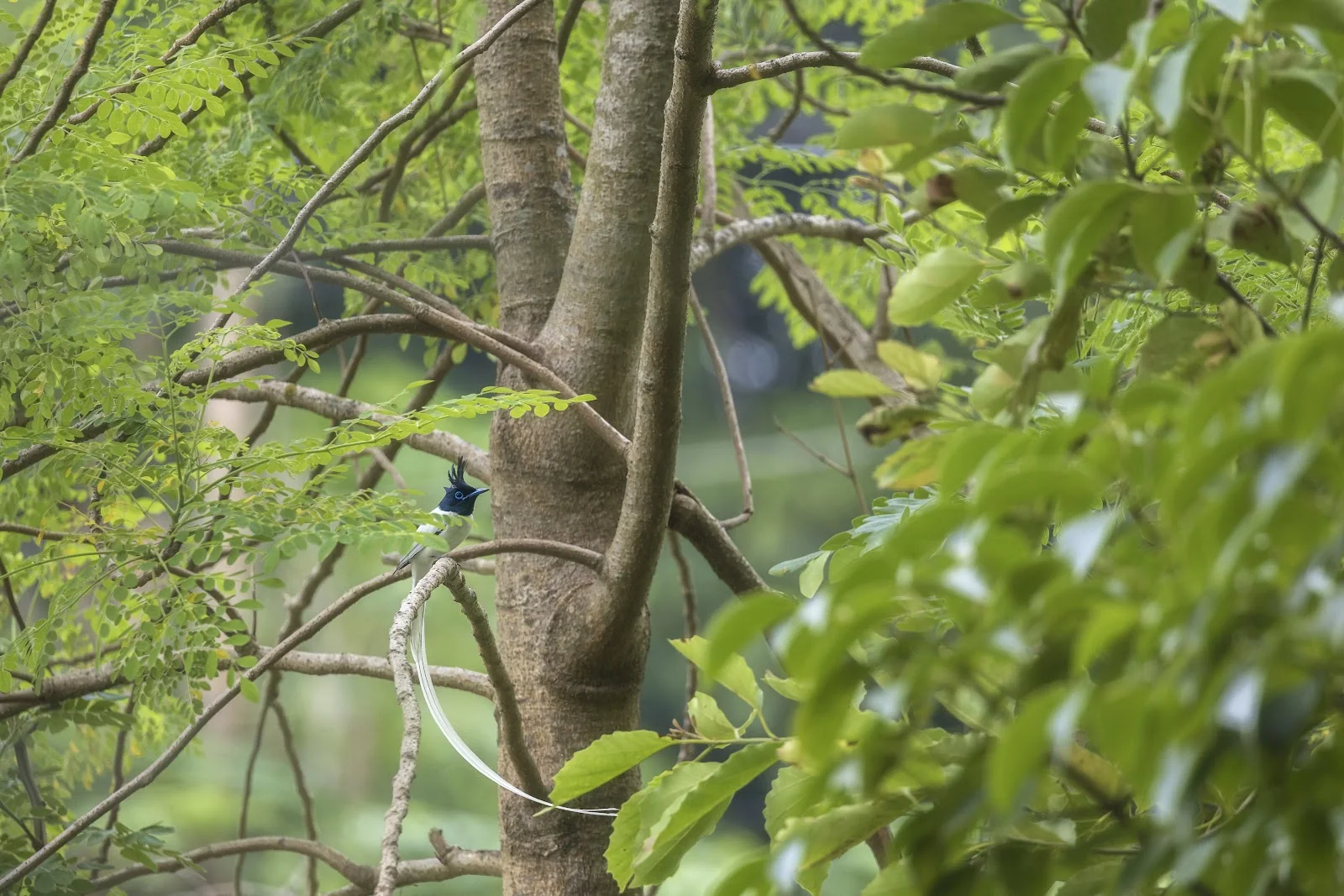
2. Suklaphanta National Park: The Great Golden Savannahs
Resting in Nepal's extreme southwestern corner on the Indian border, Suklaphanta protects the largest continuous grassland savannah in South Asia (the famed Sukla Phanta).
The reserve is home to the planet's single largest population of swamp deer (barasingha), with massive herds exceeding 2,000 individuals grazing through morning river mists. With fewer than 500 international visitors per year, you will explore this vast expanse with virtually no other tourists in sight.
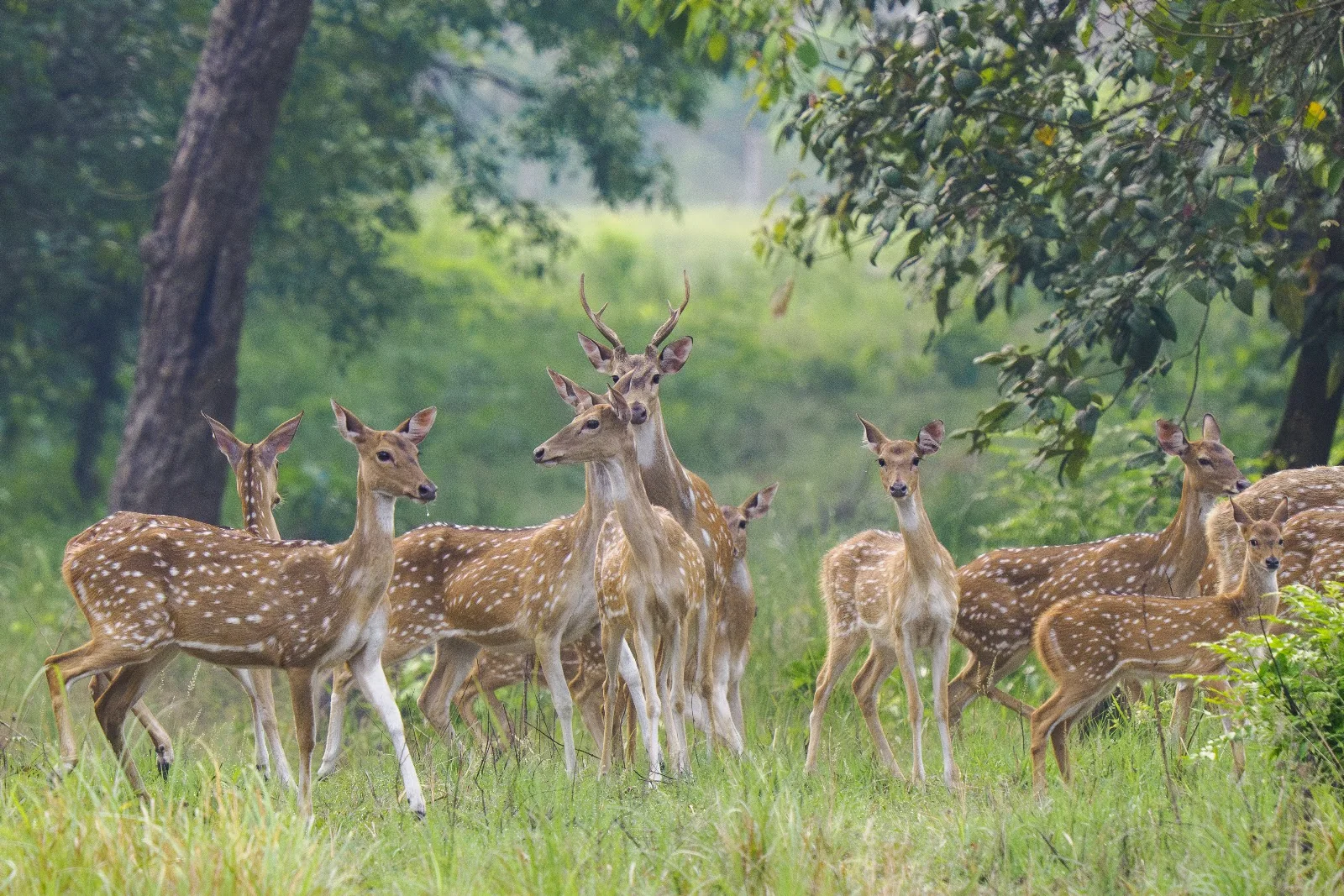
3. Rara Lake: The Sapphire Jewel of the High Northwest
Perched at 2,990 meters in the rugged Mugu district, Rara Lake is Nepal's largest and deepest alpine lake. Ringed by subalpine spruce, fir, and blue pine forests, its mirror-smooth waters shift color throughout the day from brilliant azure to deep emerald.
In our epic itinerary Rara Lake & Bardia Expedition (17 Days), we combine the pristine alpine waters of Mugu with an overland descent into the tropical jungles of Bardia, creating one of the world's most dramatic geographical transitions in under three weeks.
4. Traditional Tharu Mud-Walled Villages of Thakurdwara
While communities bordering Chitwan have seen significant commercialization, the Tharu settlements of western Nepal still honor ancestral customs:
- Handcrafted clay and reed homes decorated with traditional animal relief carvings and geometric earth murals.
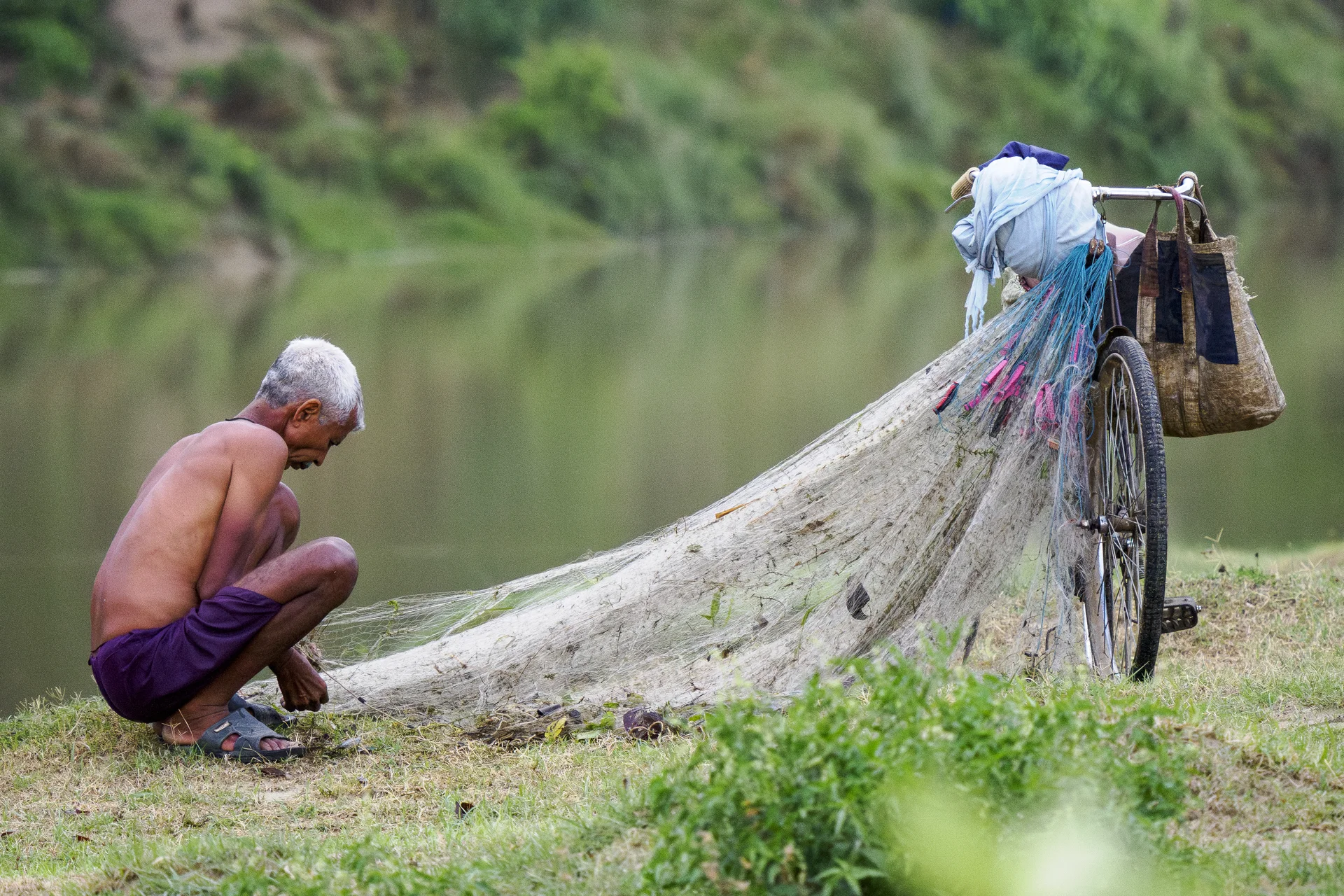
- Artisanal river fishing utilizing hand-woven conical traps and throw-nets.
- Authentic community evenings celebrating the rhythmic Danda Nach (stick dance) and harvest ballads, featured throughout our extended Wild Rivers & Hidden Heritage Expedition (18 Days).
5. Upper Mustang & Tracking the Elusive Snow Leopard
For those drawn to high desert Tibetan spirituality, the ancient walled kingdom of Lo Manthang in Upper Mustang provides an otherworldly landscape of ochre canyons and cliffside cave dwellings. We organize exclusive small groups for the annual Tiji Festival in Upper Mustang (13 Days).
For high-altitude wildlife purists, our dedicated Exclusive Snow Leopard Expedition (17 Days) ventures into the remote mountain ridges of Manang to search for the ghost of the Himalayas with veteran snow leopard spotters.
How to Organize an Off-the-Beaten-Path Expedition
Venturing into remote Nepal requires meticulous planning: special national park conservation permits, domestic charter coordination, reliable 4x4 expedition vehicles, and certified indigenous guides who understand changing river currents and wildlife habits.
This is the founding mission of Jungle Nepal Adventure: unlocking Nepal's most pristine frontiers safely, authentically, and with profound respect for the wild.
Our Premier Off-the-Beaten-Track Expeditions:
Ready to venture far beyond crowded tourist corridors? Explore our most exclusive wilderness journeys:
- Bardia Babai Valley Wild Camping Safari (8 Days): full self-supported bivouac in tiger heartland.
- Rara Lake & Bardia Expedition (17 Days): high alpine lake vistas down to dense subtropical jungle.
- Tiji Festival – Upper Mustang (13 Days): sacred mask dances in the ancient walled kingdom.
Field Expertise from Pawan & Robin: How to Maximize Your Wildlife Sightings in Nepal
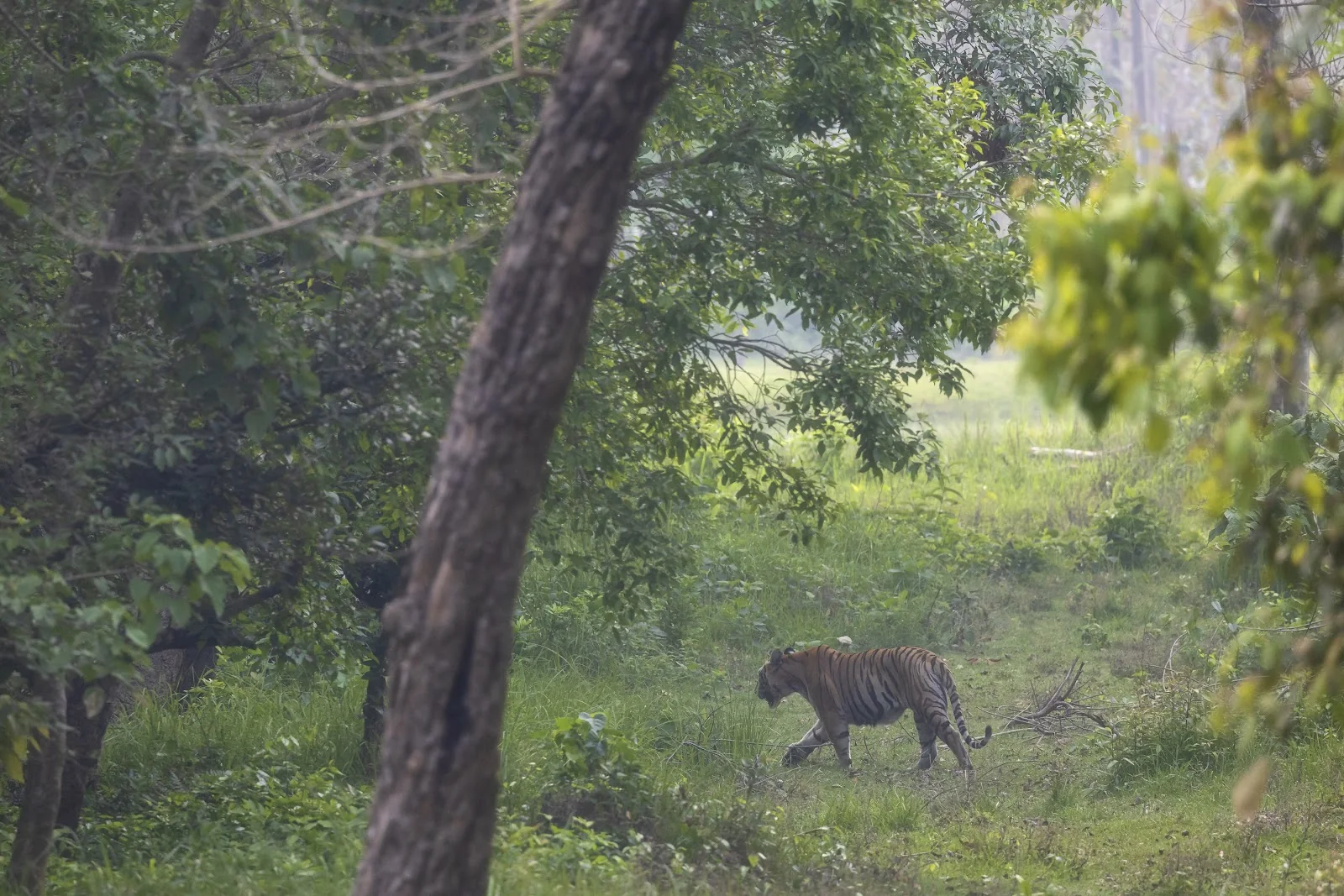
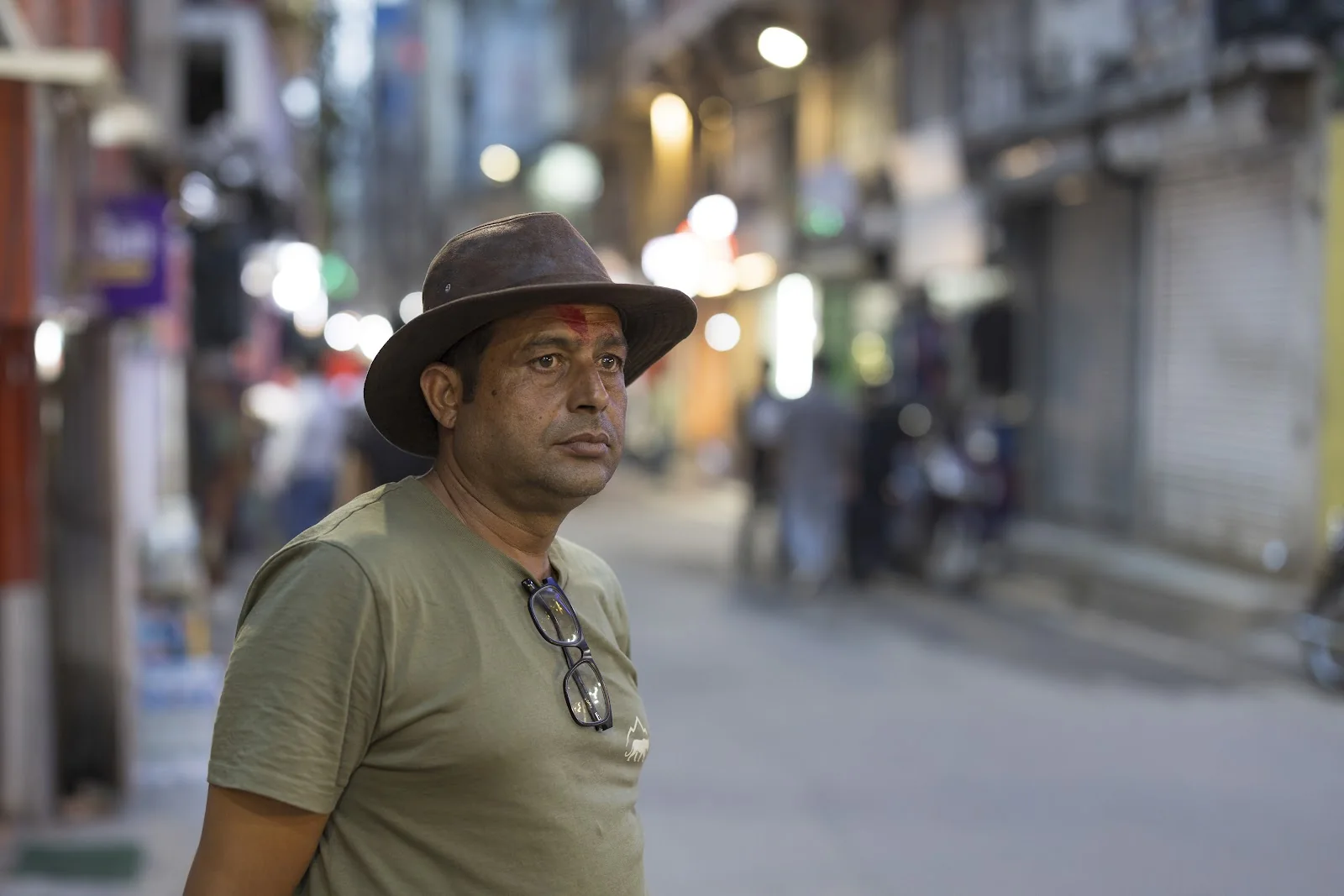
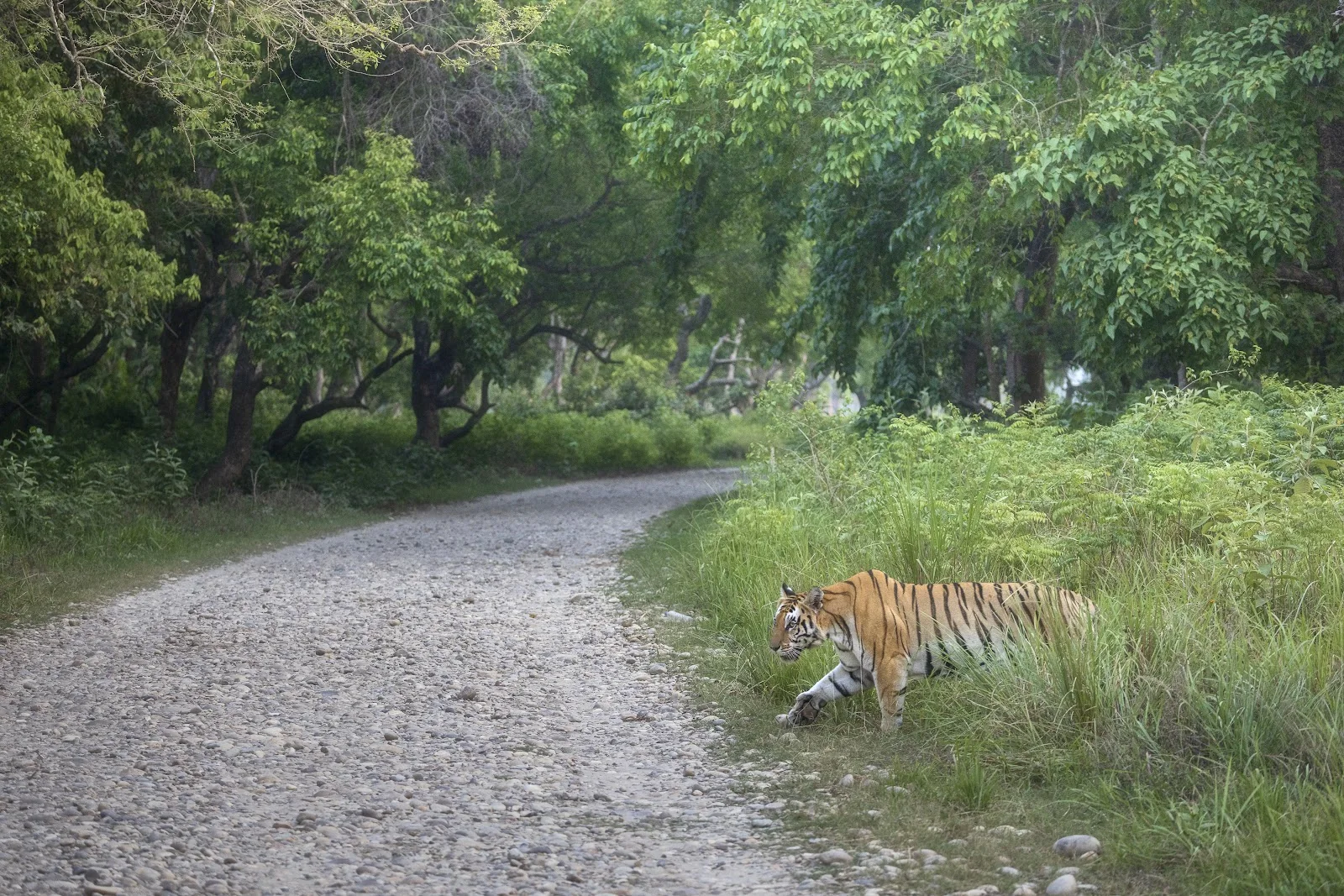
Spotting iconic megafauna in Nepal's Terai lowlands is never a matter of luck—it is the result of disciplined tracking and local ecological knowledge. Alongside Pawan—our master tracker born in Bardia, president of the local NAGA conservation association, and field collaborator for BBC wildlife film crews—we structure every safari day around the true biological rhythms of the Royal Bengal tiger (Panthera tigris tigris), the greater one-horned rhinoceros (Rhinoceros unicornis), and the Indian leopard.
1. Reading Fresh Pugmarks and Decoding Jungle Alarm Calls
During a walking safari in Bardia or a private 4x4 jeep track, the first 90 minutes after sunrise are critical. Our naturalist guides inspect the sandy riverbeds (sots) and the banks of the Karnali and Babai rivers to locate fresh pugmarks, judge track age by edge moisture, and check Sal tree trunks (Shorea robusta) for territory claw marks and scent-spraying. The moment a spotted deer (chital), sambar, or gray langur barks a sharp, repetitive alarm call, our trackers triangulate the prey's line of sight to position our small group silently at a natural river crossing.
2. Choosing the Right National Park for Your Schedule
- If you have 8 to 12 days: Head straight to Bardia National Park on our flagship 9-Day Tiger & Rhino Tracking Expedition. With 968 km² of pristine wilderness, roughly 125 adult tigers, and less than 3% of Chitwan's visitor numbers, Bardia delivers Asia's most authentic walking safari experience.
- If you are combining Kathmandu, Pokhara, and the jungle in 12 to 14 days: Chitwan National Park fits naturally between Kathmandu and the Annapurna foothills, as featured in our Chitwan Nature & Culture Safari and our 14-Day Grand Tour of Nepal.
- If you are a dedicated wildlife photographer or birder: Combining Suklaphanta and Bardia (12-Day Wild West Terai Expedition) unlocks the world's largest herds of swamp deer (Barasingha), the critically endangered Bengal florican, and Nepal's highest tiger density per square kilometer.
3. Uncompromising Ethics: Zero Captive Elephants & Direct Tharu Community Support
Unlike mass-market operators that still promote elephant-back rides in buffer zones, Jungle Nepal Adventure enforces a strict ethical charter: zero captive elephant activities, small groups capped at 4–10 travelers, family-run Tharu eco-lodges, and direct financial contributions from every booking to Bardia's Community-Based Anti-Poaching Units (CBAPU). To compare all our itineraries, transparent prices, and seasonal tiger sighting statistics, visit our comprehensive experience a walking and jeep safari in Nepal hub.