
Quick Summary: Cross-Border India-Nepal Safari Circuit
- The Terai Arc Landscape (TAL): An ecological transboundary corridor connecting the Himalayan foothills across Northern India (Uttarakhand, Uttar Pradesh) and Southern Nepal.
- The Ultimate 4-Park Mega-Circuit: Jim Corbett (India) → Dudhwa National Park (India) → Suklaphanta (Nepal) → Bardia National Park (Nepal).
- Border Crossing Logistics: Seamless overland land border crossing at Banbasa / Gadda Chauki (near Mahendranagar) or Gauriphanta (near Dhangadhi).
- The Key Advantage: Combine India's iconic jeep tracking in historic Sal forests with Nepal's intimate, private on-foot walking safaris and uncrowded wilderness.
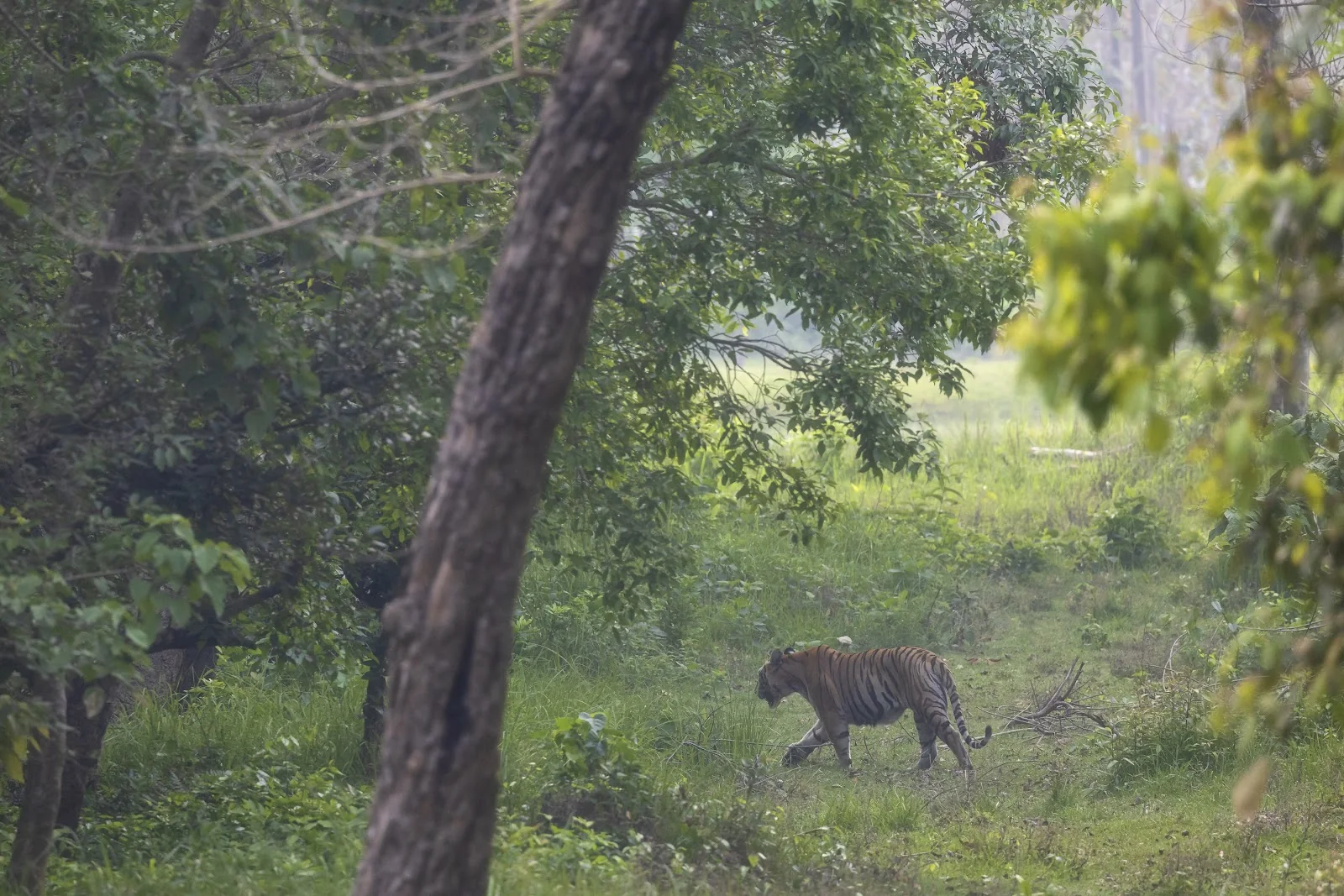
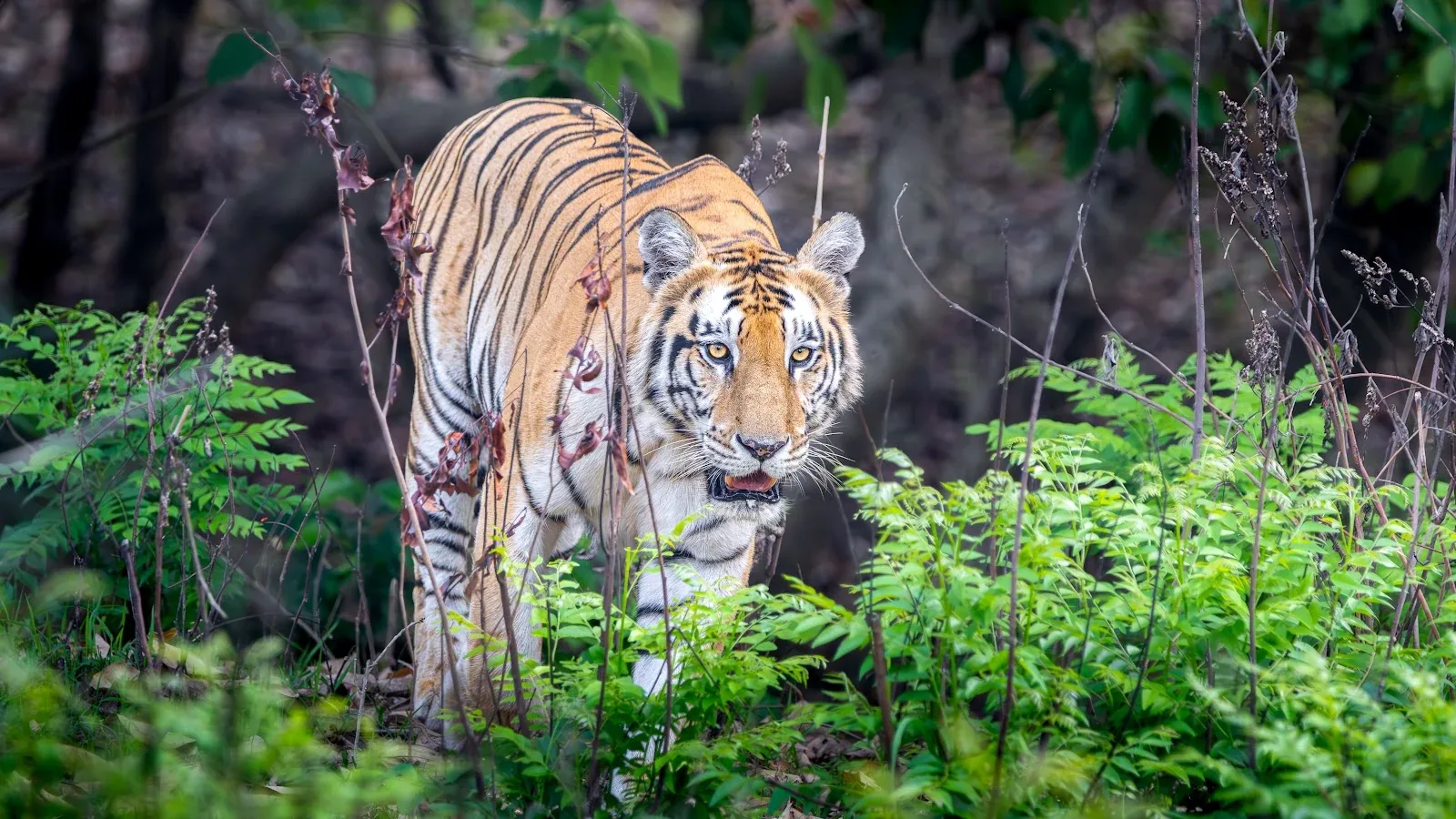
For passionate wildlife photographers and safari connoisseurs, political borders should never limit natural habitats. The Terai Arc Landscape (TAL) represents one of the most critical conservation corridors on planet Earth, spanning 810 kilometers along the outer foothills of the Himalaya. By connecting the legendary parks of Northern India with Nepal's pristine western sanctuaries, adventurous travelers can experience the most comprehensive tiger, elephant, and rhino expedition in South Asia.
1. Jim Corbett National Park (India): The Historic Foothill Cradle
Nestled in the sub-Himalayan belt of Uttarakhand along the Ramganga River, Corbett is India's oldest national park (established in 1936). Its breathtaking landscapes of steep forested ravines, panoramic grasslands (chaurs), and clear riverbeds are famous for high tiger densities and wild Asian elephant breeding herds. Exploring the historic Dhikala zone aboard open 4x4 gypsies sets a majestic opening stage for the journey.
2. Dudhwa Tiger Reserve (India): The Vast Terai Marshlands
Moving east along the international border into Uttar Pradesh, Dudhwa National Park and Kishanpur Sanctuary preserve dense Sal forests and extensive marshes. Home to Bengal tigers, fishing cats, and reintroduced rhinos, Dudhwa provides a seamless bridge toward the Nepalese frontier, far removed from the mass tourism of central Indian reserves.
3. Seamless Border Crossing into Nepal: Banbasa to Suklaphanta
Crossing from India into Nepal overland via the Mahakali barrage at Banbasa / Gadda Chauki is remarkably straightforward with proper pre-arranged visas:
- Foreign nationals can easily obtain a Nepal Visa on Arrival at the immigration checkpoint with a valid passport, passport photos, and US dollars.
- Just 30 minutes past the border checkpoint lies Suklaphanta National Park, home to over 2,200 swamp deer and sweeping open savannahs that contrast beautifully with Corbett's hill forests.
4. The Grand Finale: Bardia National Park (Walking Safari Capital)
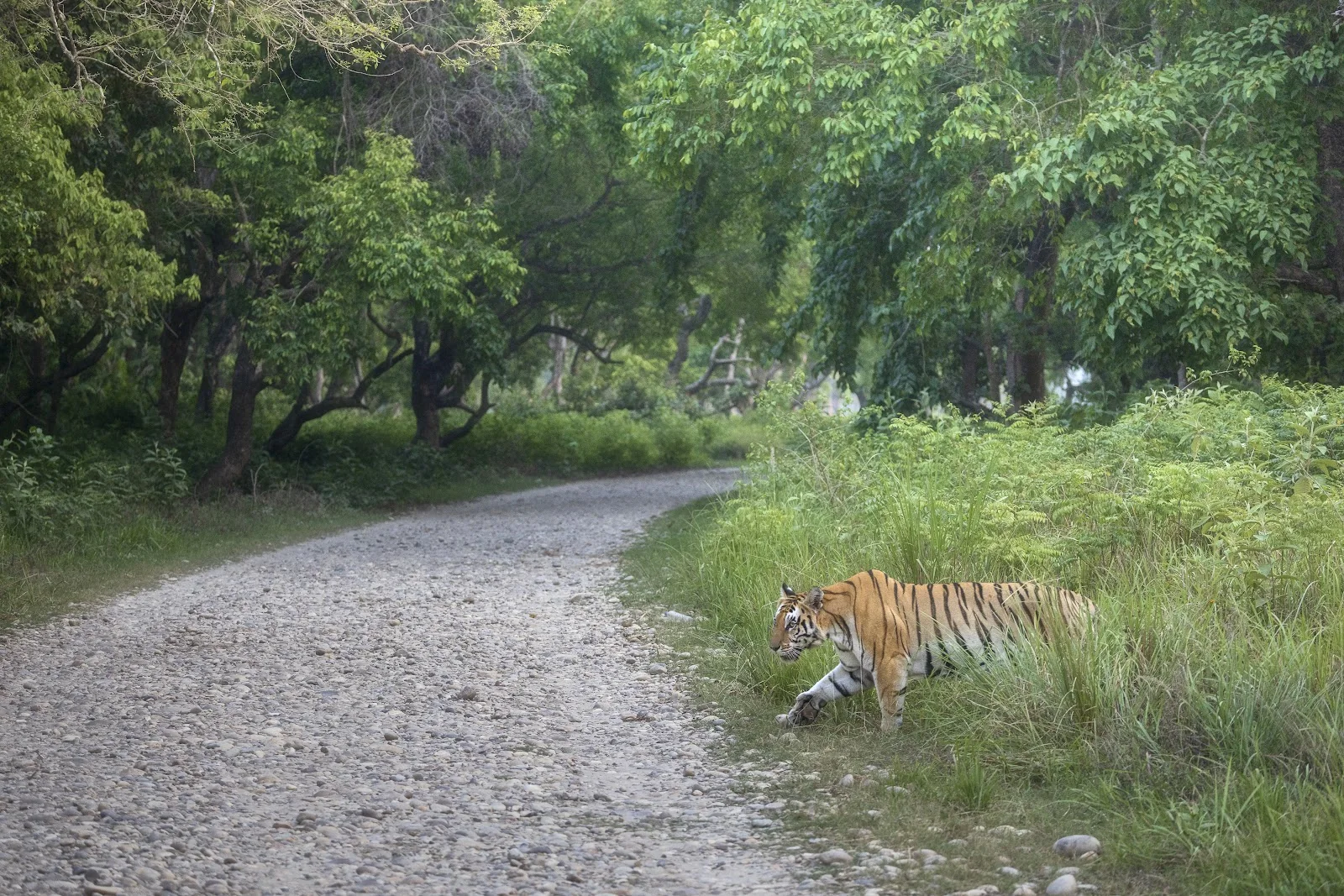
Continuing east along the East-West Highway brings you to the crown jewel: Bardia National Park. While Indian regulations strictly prohibit walking inside parks, Bardia welcomes naturalists to leave the vehicles behind and track tigers on foot with veteran native guides along the Geruwa and Karnali riverbeds.
Nepal Wild Immersion & Cross-Border Wildlife Circuit
Let our logistics team handle all private 4x4 border crossings, permits, naturalist guides, and luxury wilderness lodges across the premier wildlife sanctuaries of Nepal.
Practical Travel Logistics & Seasonality
- Optimal Timing: November through April. March and April provide the highest visual feline activity in both countries as watering holes contract.
- Visas Required: Double-entry or multiple-entry Indian e-Visa (essential if returning to New Delhi) and Nepal tourist visa.
Recommended Bardia Experiences
Join our certified naturalists on a Bardia Walking Tiger Safari (from €50) or cover vast savannah territories in a Private 4x4 Jeep Safari (€190/vehicle).
For a complete 5-day lodge adventure: explore the Bardia Tiger Safari 5 Days (€690).
Field Expertise from Pawan & Robin: How to Maximize Your Wildlife Sightings in Nepal
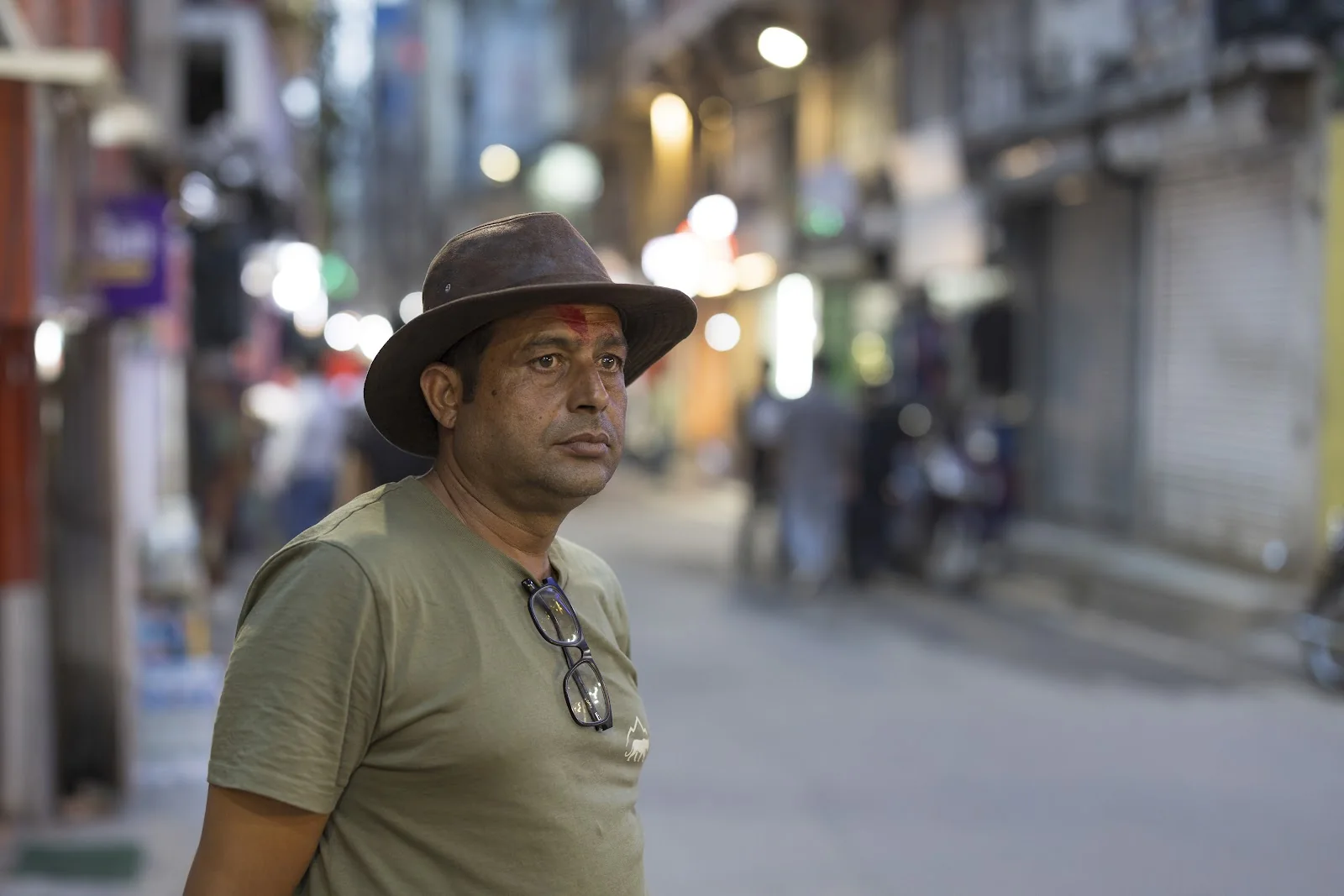
Spotting iconic megafauna in Nepal's Terai lowlands is never a matter of luck—it is the result of disciplined tracking and local ecological knowledge. Alongside Pawan—our master tracker born in Bardia, president of the local NAGA conservation association, and field collaborator for BBC wildlife film crews—we structure every safari day around the true biological rhythms of the Royal Bengal tiger (Panthera tigris tigris), the greater one-horned rhinoceros (Rhinoceros unicornis), and the Indian leopard.
1. Reading Fresh Pugmarks and Decoding Jungle Alarm Calls
During a walking safari in Bardia or a private 4x4 jeep track, the first 90 minutes after sunrise are critical. Our naturalist guides inspect the sandy riverbeds (sots) and the banks of the Karnali and Babai rivers to locate fresh pugmarks, judge track age by edge moisture, and check Sal tree trunks (Shorea robusta) for territory claw marks and scent-spraying. The moment a spotted deer (chital), sambar, or gray langur barks a sharp, repetitive alarm call, our trackers triangulate the prey's line of sight to position our small group silently at a natural river crossing.
2. Choosing the Right National Park for Your Schedule
- If you have 8 to 12 days: Head straight to Bardia National Park on our flagship 9-Day Tiger & Rhino Tracking Expedition. With 968 km² of pristine wilderness, roughly 125 adult tigers, and less than 3% of Chitwan's visitor numbers, Bardia delivers Asia's most authentic walking safari experience.
- If you are combining Kathmandu, Pokhara, and the jungle in 12 to 14 days: Chitwan National Park fits naturally between Kathmandu and the Annapurna foothills, as featured in our Chitwan Nature & Culture Safari and our 14-Day Grand Tour of Nepal.
- If you are a dedicated wildlife photographer or birder: Combining Suklaphanta and Bardia (12-Day Wild West Terai Expedition) unlocks the world's largest herds of swamp deer (Barasingha), the critically endangered Bengal florican, and Nepal's highest tiger density per square kilometer.
3. Uncompromising Ethics: Zero Captive Elephants & Direct Tharu Community Support
Unlike mass-market operators that still promote elephant-back rides in buffer zones, Jungle Nepal Adventure enforces a strict ethical charter: zero captive elephant activities, small groups capped at 4–10 travelers, family-run Tharu eco-lodges, and direct financial contributions from every booking to Bardia's Community-Based Anti-Poaching Units (CBAPU). To compare all our itineraries, transparent prices, and seasonal tiger sighting statistics, visit our comprehensive compare all our Nepal safari itineraries hub.