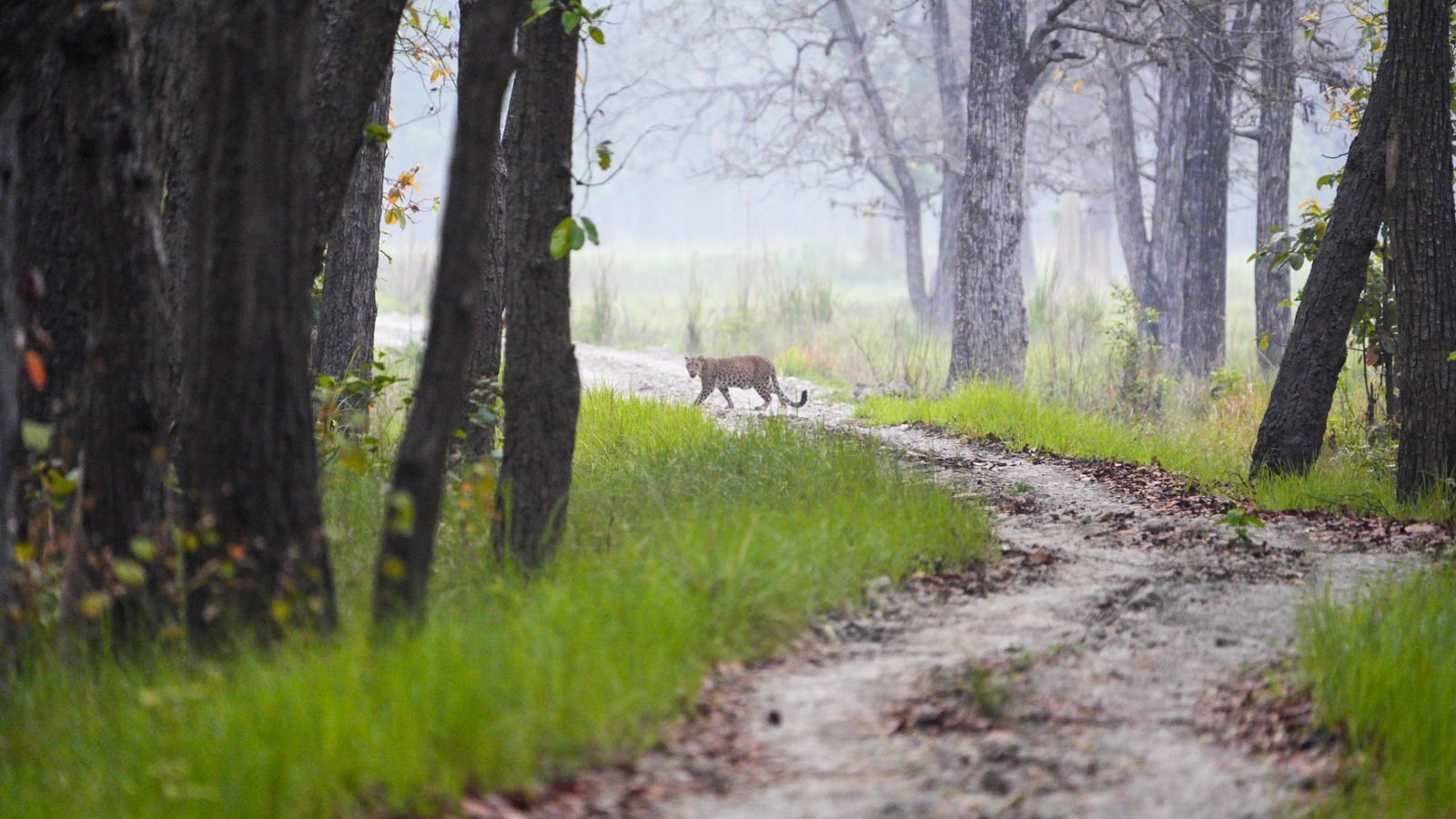

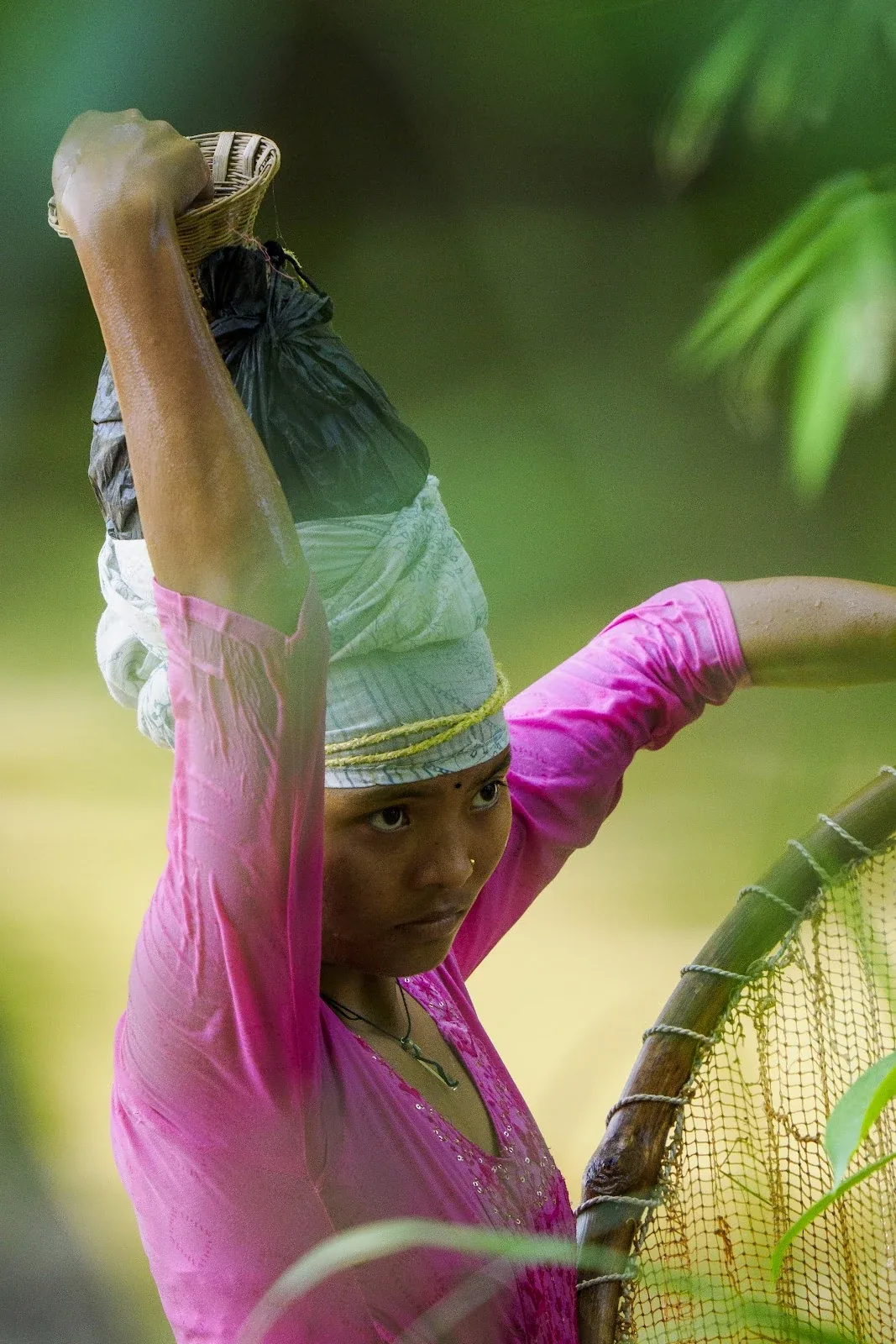
Long before Chitwan and Bardia National Parks were proclaimed global wildlife sanctuaries, an ancient indigenous civilization lived in absolute harmony with the primeval jungles and floodplains of the Terai: the Tharu people. Endowed with a remarkable natural genetic resistance to malaria, masters of bioclimatic mud architecture, and possessors of unmatched botanical wisdom, the Tharus represent the living human soul of southern Nepal. Immersing oneself in their rich cultural heritage is fundamental to understanding the ecological equilibrium of this extraordinary wilderness.
This comprehensive cultural immersion field guide explores the ancestral history of the Tharus, their sustainable earthen architecture, organic river-based gastronomy, dynamic sacred stick dances, and the pivotal role indigenous knowledge plays in modern conservation and wildlife tracking.
1. Origins, Ancestry, and the Fascinating Malaria Resistance
The origins of the Tharu people are steeped in legendary folklore. According to oral history, Tharu women are descendants of Rajput royal princesses from Rajasthan who fled across the subcontinent during 16th-century Mughal invasions, finding refuge in the impenetrable malarial swamps and thick jungles of Nepal's southern lowlands.
For centuries, the Terai was uninhabitable to outsiders due to virulent strains of Plasmodium falciparum malaria. However, modern genetic studies have revealed that indigenous Tharu populations carry a high incidence of alpha-thalassemia, an inherited hemoglobin mutation that confers near-complete biological resistance against severe malarial infection. This unique evolutionary adaptation allowed the Tharus to live in isolated forest harmony for millennia until national eradication campaigns began in the 1950s.
2. Vernacular Architecture: 100% Organic, Earthquake-Resistant & Bioclimatic
Traditional Tharu villages showcase exemplary sustainable design built entirely from organic forest resources:
- Living Wattle-and-Daub Walls (Mati & Gobar): Bamboo and elephant-reed frames are hand-coated with a precise mixture of river clay, chopped rice straw, and dried cow dung. This organic composite acts as superb thermal insulation—keeping interiors blissfully cool when summer heat exceeds 42°C (107°F) and trapping ambient warmth during winter nights.
- Elephant Grass Thatch Roofs (Khar): Harvested during annual park grass-cutting permits, thick thatch bundles provide 100% waterproof protection against heavy monsoon downpours while providing natural ventilation.
- Intricate Hand-Painted Folk Murals: Exterior mud walls are adorned with traditional geometric patterns, floral motifs, peacocks, elephants, and handprint blessings rendered with natural mineral pigments (lime white, river ochre, and charcoal).
Summary Matrix: The Living Pillars of Tharu Cultural Heritage
| Cultural Dimension | Ancestral Forest Practice | Modern Sustainable Role |
|---|---|---|
| Architecture | Communal longhouses constructed from mud and thatch | Earthquake-resilient, climate-neutral eco-lodges |
| Gastronomy | Freshwater snails (Ghonghi), river fish, steamed rice cakes | Hyper-local organic slow food celebrated by travelers |
| Ritual Dances | Stick martial dances to deter wild predators at night | Living performing arts celebrated during Maghi festivals |
| Forest Wisdom | Herbal medicine, honey hunting, wildlife tracking | Senior naturalist safari guides and anti-poaching leaders |
3. Traditional Tharu Gastronomy: The Organic Harvest of Rivers and Fields
Distinct from the culinary traditions of the high Himalayas, Tharu cuisine celebrates the abundant harvest of wetlands and fertile plains:
Must-Try Traditional Dishes:
- Ghonghi (Spiced Freshwater Snails): Gathered from pristine river shallows and paddy channels, these freshwater snails are simmered in a fragrant sauce seasoned with flaxseed, ginger, garlic, and wild chili. Eaten by drawing the tender meat directly from the shell opening.
- Dhikri (Steamed Rice Flour Bread): Hand-kneaded dough made from fresh rice flour, formed into elegant geometric rolls, and steamed to fluffy perfection. Served alongside roasted wild tomato and fresh coriander dips.
- Village Free-Range Duck Curry: Slowly braised in wood-fired clay pots with whole roasted mustard seeds and locally ground turmeric.
- Anadi Sticky Rice and Local Brews: Indigenous sweet sticky rice used in festive sweets or fermented into refreshing Jhad (sweet rice beer).
Immerse Yourself in Tharu Culture and Traditions
Combine wild jungle safaris with authentic village immersion in the heart of the Terai.
4. Living Traditions: The Power of the Stick Dance and Maghi Festival
Tharu rituals remain vibrant and deeply embedded in community life:
The Tharu Stick Dance (Lathi Nach)
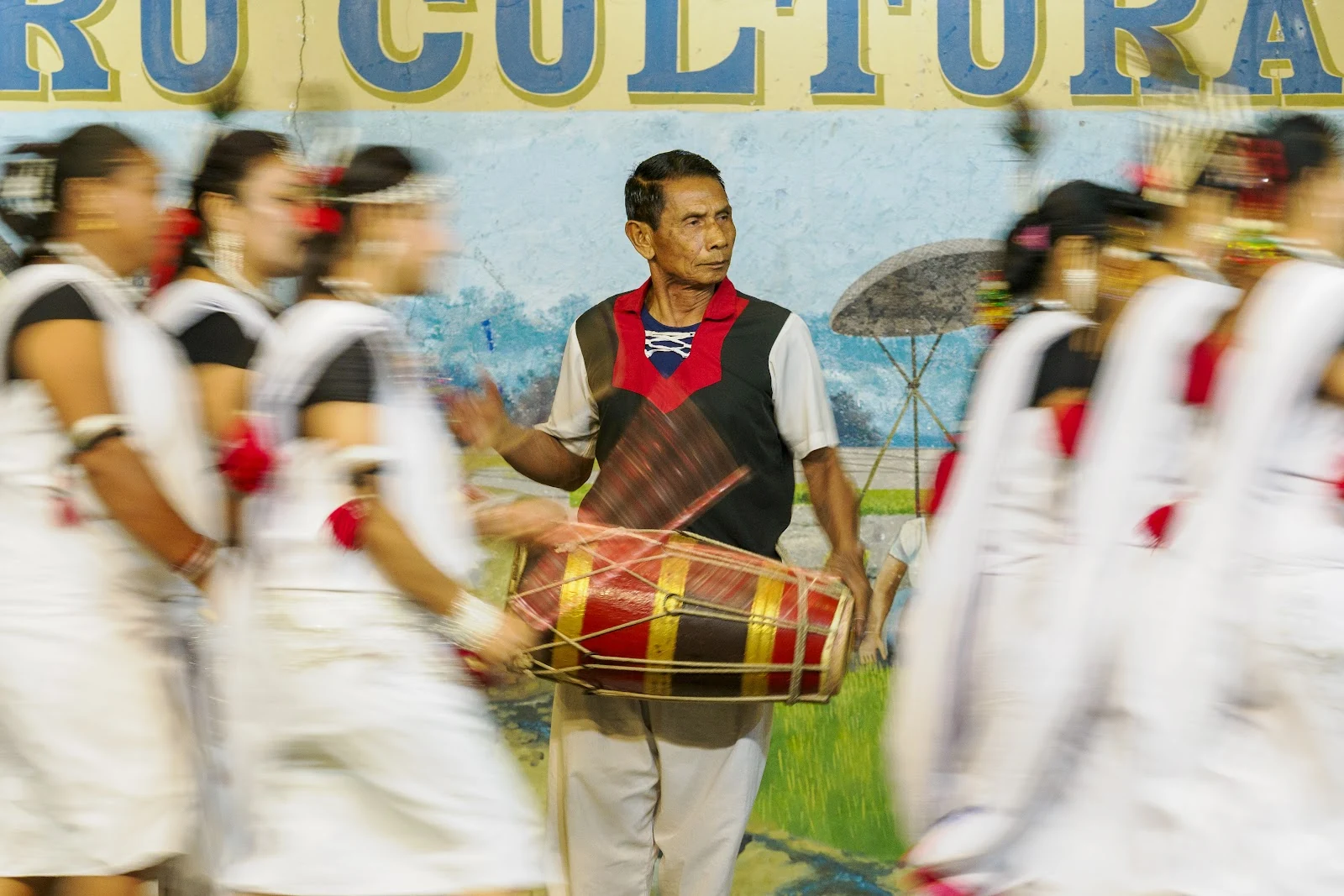
Accompanied by the thunderous beat of the double-headed Madal drum, the stick dance originated as a martial defense system. Striking hardwood sticks in synchronized rhythms produced loud acoustic clatter designed to frighten off nocturnal predators like tigers and rhinos wandering near unfortified jungle dwellings.
The Maghi Festival (Tharu New Year)
Observed in mid-January, Maghi is the pinnacle of the community calendar. Villagers partake in sunrise ritual purification baths in sacred rivers, elect democratic village leaders (Badghar) to oversee canal irrigation and forest rights, and celebrate with days of communal banquets, music, and storytelling.
5. From Forest Foragers to Wildlife Guardians
Today, the relationship between Tharu communities and Nepal's national parks is a global conservation success story. Once displaced by initial park demarcations, Tharus are now the chief custodians and economic beneficiaries of ecotourism.
Their generational ability to read bird alarm calls, identify microscopic track indentations in dry sand, and navigate dense jungle without GPS makes them the finest wildlife trackers on earth. At Jungle Nepal Adventure, 100% of our field guides belong to indigenous Terai communities, ensuring meaningful cultural exchange and fair-trade revenue sharing.
6. Cultural Etiquette Checklist for Village Visits
- Always Ask Before Photographing: Respect the privacy of village elders and women working in farm courtyards.
- Support Women's Handicraft Cooperatives: Purchase authentic hand-woven reed baskets (Dhakiya) and clay pottery directly from village artisans.
- Travel at a Gentle Pace: Explore village lanes on foot or via bicycle to maintain the peaceful tranquility of village life.
7. In-Depth Study: Ethnobotany and Traditional Forest Medicine
Traditional Tharu herbal medicine (known as Baidangya) represents an ancient pharmacopeia preserved through oral transmission across centuries. Living in remote jungle isolation, the Tharu identified over 180 wild medicinal plants native to the Terai forests:
- Harro (Terminalia chebula) and Barro (Terminalia bellirica): Potent forest fruits utilized in digestive tonics, respiratory treatments, and immune support.
- Wild Neem (Azadirachta indica): Renowned for its natural antiseptic and antifungal qualities; boiled infusions treat skin conditions and act as organic insect repellent.
- Sarpagandha (Rauvolfia serpentina): A celebrated forest root historically used to soothe the nervous system, lower arterial blood pressure, and counteract select snake envenomations.
- Sal Tree Resin (Shorea robusta): Aromatic forest resin (Ral) burned as purifying incense during spiritual rituals and applied as a natural antiseptic balm on minor cuts.
8. The Badghar System: An Ancient Model of Participatory Grassroots Democracy
Long before modern municipal institutions existed, Tharu communities operated under a sophisticated, highly egalitarian self-governance model known as the Badghar system. Annually during the Maghi festival, household representatives convene to democratically elect their village leader.
The Badghar coordinates communal maintenance of shared irrigation canals (Kulo), manages regulated grass harvesting, mediates interpersonal disputes, and ensures collective mutual aid for vulnerable families. This time-tested framework underpins the remarkable social solidarity seen across Terai villages today.
9. A Day in the Life: Field Diary from a Traditional Bardia Village
To truly appreciate the timeless rhythm of an untouched Tharu settlement bordering Bardia National Park, travelers are invited into a gentle dawn routine. At six in the morning, soft light filters through the golden mist rising from flooded paddies. Tharu women, dressed in handwoven white and crimson skirts adorned with heavy heirloom coin necklaces, meticulously sweep the earthen courtyards using supple broom grass.
In one corner of the courtyard, an elder carpenter shapes a hardwood dugout canoe using an adze or fits wooden spokes into traditional bullock cart wheels (Lada). The comforting fragrance of acacia woodsmoke and cardamom-spiced black tea fills the morning air. Schoolchildren begin their morning walk along trails shaded by ancient mango groves and wild banana trees.
By late afternoon, fishermen return from the quiet backwaters of the Geruwa River carrying conical woven bamboo fishing baskets (Helka) filled with freshwater river prawns and silver barbs. Villagers gather beneath the central sacred banyan tree to discuss harvest yields, while village elders recount ancestral stories of forest spirits (Bhowani) who grant safe passage to humble travelers.
10. Practical Travel Guide for Your Cultural Immersion
- Best Season: October through April for pleasant sunny days and festive celebrations such as Maghi (January) and Faguwa/Holi (March).
- Access & Getting There: A 50-minute scenic domestic flight from Kathmandu to Nepalgunj, followed by a comfortable 2-hour private overland drive through the Terai countryside to Bardia.
- Recommended Lodging: Authentic eco-lodges constructed with traditional Tharu mud-and-thatch architecture featuring modern private solar-powered amenities.
- Suggested Duration: 2 to 3 dedicated days paired seamlessly with your wildlife tracking safaris.
11. Traditional Tharu Handicrafts and Sustainable Forest Harvesting
The craft heritage of the Tharu is intimately intertwined with seasonal jungle harvesting cycles. During the winter dry season, women gather wild floodplain reeds (known as Munj and Kans grass) along the riverbanks of Chitwan and Bardia to weave exquisite storage baskets called Dhakiya. These baskets feature intricate geometric motifs dyed with natural river minerals and boiled plant extracts (such as madder root and turmeric).
Dhakiyas serve not only as functional containers for storing grains and wedding dowry items but also as sacred cultural symbols representing prosperity and marital blessings. Purchasing these authentic handcrafted baskets directly from village cooperatives provides indigenous women with economic autonomy, funding local health clinics and school scholarships for young girls.
12. Extended Cultural FAQ
What is the spiritual significance of the Tharu peacock dance?
The Peacock Dance (Mayur Nach) is performed by dancers wearing elaborate headdresses adorned with naturally molted peacock feathers. It mimics the courtship movements of wild peafowl in the jungle and is performed as an invocation to nature spirits for plentiful rainfall and fertile crops.
How do Tharu villagers protect their homes from wild elephants and rhinos?
Villages maintain deep communal trenches, live lemon and thorny acacia hedges, and solar-powered electric fencing installed in collaboration with national park buffer zone committees. Night watch groups also light safe smoke fires infused with dried chili peppers to humanely deter pachyderms without harm.
13. Indigenous Animist Spirituality and Sacred Tree Cults
Tharu cosmogony is deeply rooted in primeval animism, attributing living spiritual consciousness to every element of the natural world. Prior to felling any tree in the jungle or carving a dugout canoe from a silk cotton trunk, Tharu spiritual shamans (known as Guruwa or Dhami) perform sacred propitiation rituals to request permission and forgiveness from the guardian forest spirits.
Ancient banyan (Ficus benghalensis) and sacred fig trees (Ficus religiosa) at village entrances serve as sacred open-air shrines adorned with handmade terracotta horses and elephant figurines offered to safeguard the village from seasonal illnesses and wild predator intrusions.
14. Extended Practical Planning Checklist
- Photography Etiquette: Always greet village elders with a respectful "Namaste" before raising cameras.
- Hydration & Refreshments: Enjoy fresh green coconut water and locally pressed sugarcane juice offered during village market walks.
- Eco-Responsible Souvenirs: Support local women by purchasing authentic hand-embroidered Tharu textiles and organic wild honey harvested from the Siwalik hills.
Frequently Asked Questions (FAQ) — Tharu Culture & Immersion
What language do the Tharu people speak?
The Tharu speak various regional dialects belonging to the Indo-Aryan family, with rich regional influences from Bhojpuri, Maithili, and Nepali.
Can travelers stay in a Tharu village homestay?
Yes! We arrange immersive community homestays in traditional guest rooms, allowing you to share authentic home-cooked meals and daily life with welcoming local families.
Is Tharu food suitable for international palates?
Tharu cuisine is fresh, mild, and aromatic, seasoned with ginger, garlic, mustard seeds, and fresh coriander. Chili levels are always adjusted for guest comfort.
Where can I experience the most authentic Tharu villages: Bardia or Chitwan?
Chitwan offers excellent cultural museums and accessible stage performances in Sauraha. Bardia provides pristine, untouristed villages where ancestral traditions thrive untouched by mass tourism.
Enhance your safari expedition with our Chitwan & Tharu Culture Journey or explore our grand overland tour Nepal Total Immersion.
15. The Ecological Legacy of Tharu Forest Stewardship
The living legacy of the Tharu people represents a timeless beacon for global conservation ethics. Through centuries of living alongside wild tigers, elephants, and crocodiles, they demonstrated that human existence and primeval biodiversity are not mutually exclusive. By choosing eco-friendly community homestays and guided village walks with native Tharu guides, travelers directly participate in preserving one of the world's most enchanting indigenous cultures.