

📌 Quick Summary: Birdwatching in Bardia & Suklaphanta
- Unmatched Biodiversity: Nepal boasts over 880 recorded bird species (nearly 9% of the world's avifauna), with over 450 species residing in or migrating through Bardia and Suklaphanta.
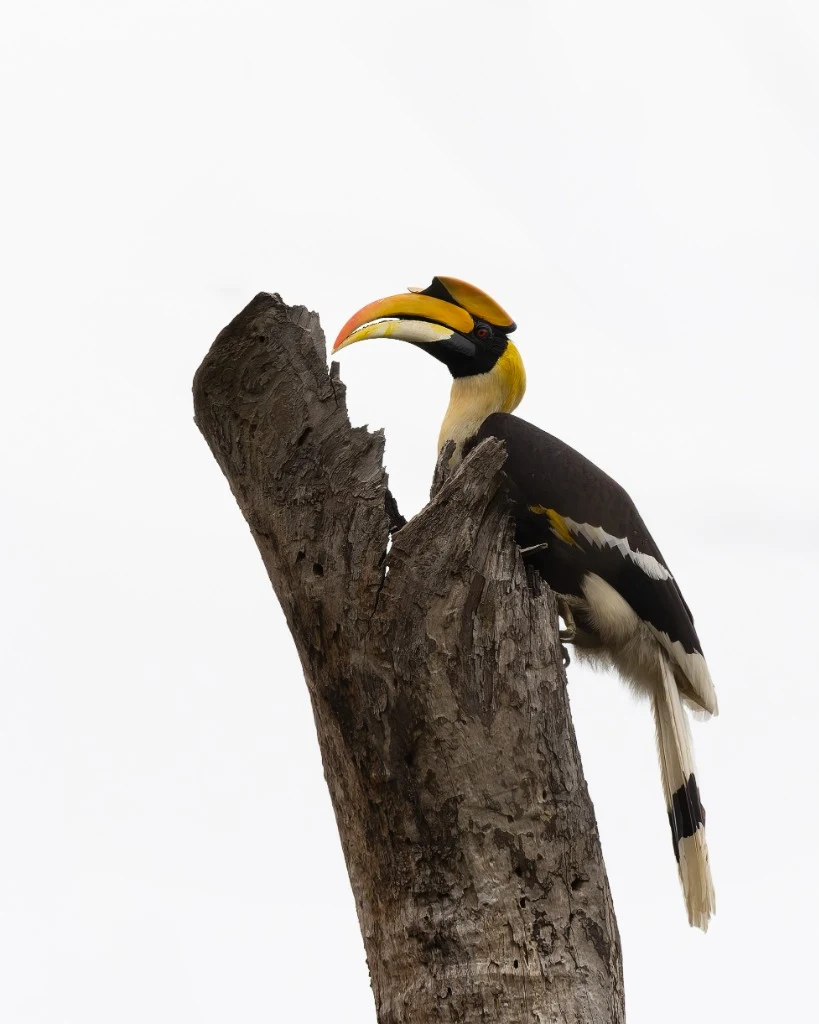
- Global Flagship Species: Great Hornbill, Bengal Florican (critically endangered), Sarus Crane, Swamp Francolin, Great Slaty Woodpecker, and Asian Paradise Flycatcher.
- Raptor Stronghold: Exceptional concentrations of vultures (White-rumped, Slender-billed, Red-headed) and fish eagles (Pallas's and Grey-headed).
- Prime Birding Window: November through March for Palearctic winter migrants; March to May for resident breeding displays and vocal activity.
While large mammals like tigers and rhinos often capture mainstream headlines, international birders know that western Nepal's lowland sanctuaries—specifically Bardia National Park and Suklaphanta National Park—rank among the most productive and rewarding birdwatching hotspots in South Asia.
1. The Forest Giants: Hornbills and Woodpeckers
The ancient, towering Sal hardwood and riverine Ficus trees provide essential nesting cavities and fruit resources for magnificent canopy species:
- Great Hornbill (Buceros bicornis): With its colossal yellow casque and massive 1.5-meter wingspan, the rhythmic "whoosh" of its flight through the Sal canopy is unforgettable. Pairs are frequently observed feeding in fruiting fig trees along the Geruwa River.
- Great Slaty Woodpecker (Mulleripicus pulverulentus): The world's largest extant woodpecker, characterized by its slate-grey plumage, long serpentine neck, and loud laughing calls as family groups strip bark from dead hardwood trees.
2. Grassland Specialists: The Critical Refuge of the Bengal Florican
The vast alluvial grasslands (phantas) of Suklaphanta and Bardia shelter some of planet Earth's rarest terrestrial birds:
- Bengal Florican: Critically endangered bustard species that relies strictly on undisturbed tall grasslands. Springtime visitors have the rare privilege of witnessing male courtship jump-displays.
- Swamp Francolin & Jerdon's Babbler: Specialist passerines thriving along swampy oxbow edges and reed beds.
3. Vulture Recovery & Riverine Raptors
Nepal has achieved global acclaim for reversing catastrophic vulture declines through community-led "Vulture Restaurants" and bans on toxic veterinary diclofenac:
- Bardia and Suklaphanta support thriving wild colonies of critically endangered White-rumped and Slender-billed vultures.
- Along the Karnali and Babai river corridors, raptor enthusiasts regularly photograph Pallas's Fish Eagle, Grey-headed Fish Eagle, Osprey, and Crested Serpent Eagle hunting over clear waters.
Private Ornithological & Birdwatching Safaris
Explore prime riverine forests, oxbow wetlands, and grassland hides with our specialized senior birding guides. Custom checklists, spotting scopes, and slow-paced itineraries.
Essential Gear for Birding in Lowland Nepal
- Optics: 8x42 or 10x42 waterproof binoculars with high light transmission for dark Sal forest interiors. A 20-60x spotting scope is invaluable for scanning broad river gravel beds and distant phanta grasslands.
- Field Guide: Birds of Nepal by Richard Grimmett, Carol Inskipp, and Tim Inskipp is the indispensable authoritative field companion.
Recommended Bardia Experiences
Join our certified naturalists on a Bardia Walking Tiger Safari (from €50) or cover vast savannah territories in a Private 4x4 Jeep Safari (€190/vehicle).
For a complete 5-day lodge adventure: explore the Bardia Tiger Safari 5 Days (€690).